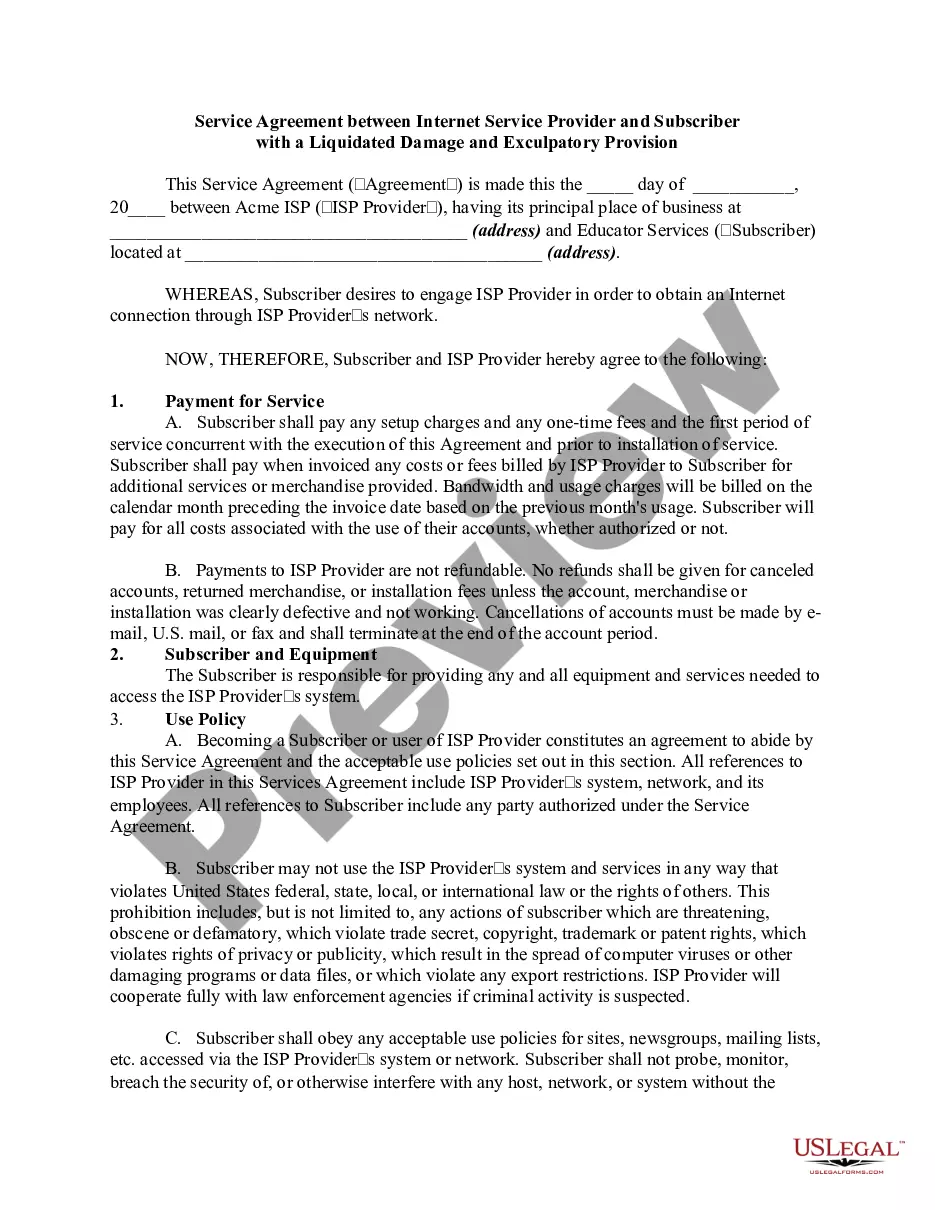
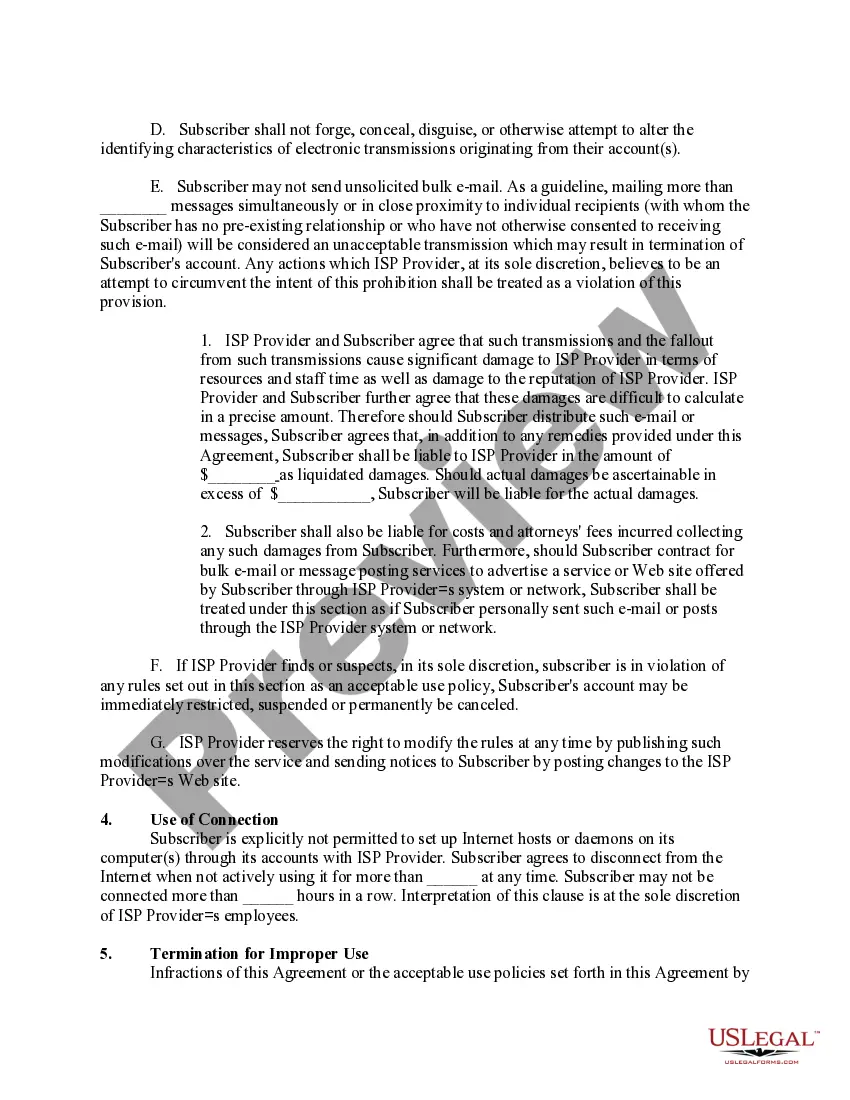
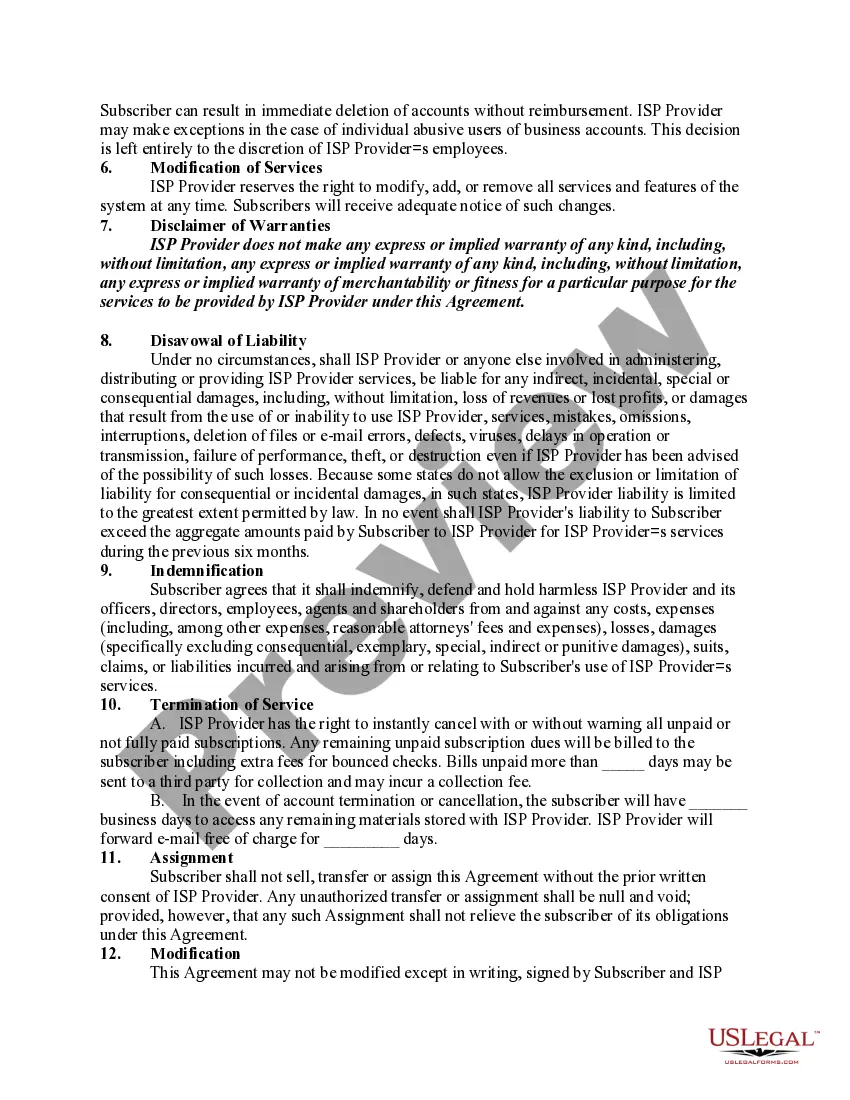
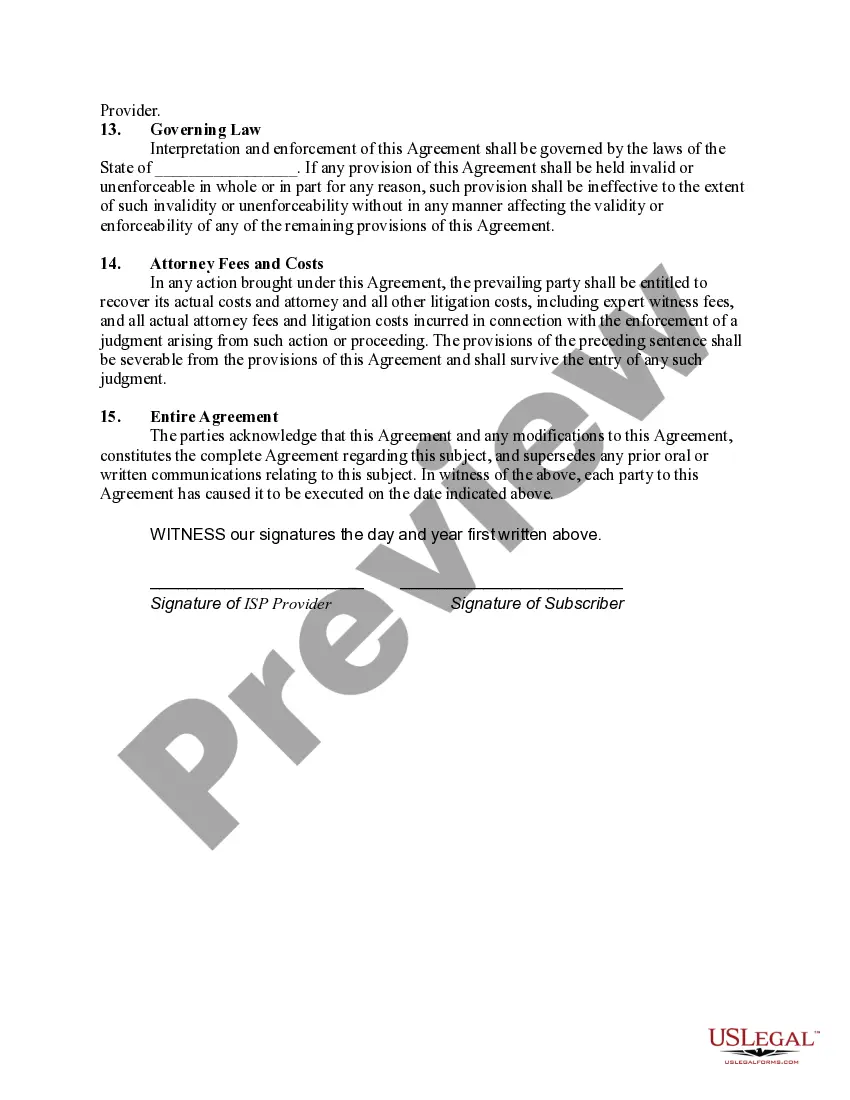
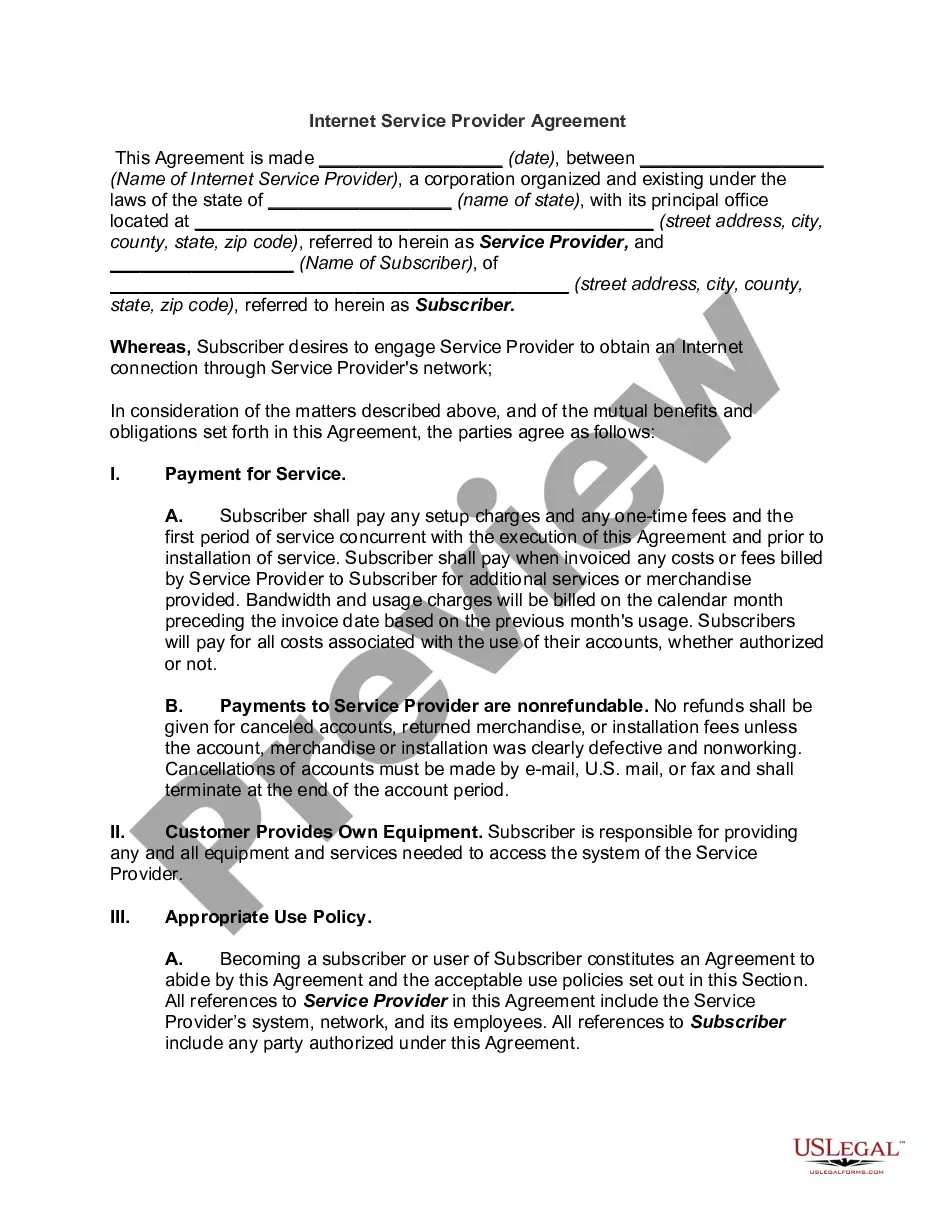
Service Agreement Provider With Mobile Number In Salt Lake
Description
Get your form ready online
Our built-in tools help you complete, sign, share, and store your documents in one place.
Make edits, fill in missing information, and update formatting in US Legal Forms—just like you would in MS Word.
Download a copy, print it, send it by email, or mail it via USPS—whatever works best for your next step.
Sign and collect signatures with our SignNow integration. Send to multiple recipients, set reminders, and more. Go Premium to unlock E-Sign.
If this form requires notarization, complete it online through a secure video call—no need to meet a notary in person or wait for an appointment.
We protect your documents and personal data by following strict security and privacy standards.

Make edits, fill in missing information, and update formatting in US Legal Forms—just like you would in MS Word.

Download a copy, print it, send it by email, or mail it via USPS—whatever works best for your next step.

Sign and collect signatures with our SignNow integration. Send to multiple recipients, set reminders, and more. Go Premium to unlock E-Sign.

If this form requires notarization, complete it online through a secure video call—no need to meet a notary in person or wait for an appointment.

We protect your documents and personal data by following strict security and privacy standards.
Looking for another form?







Form popularity
FAQ
Key components of a service-level agreement include the following: Agreement overview. Description of services. Exclusions. Service performance. Redressing. Stakeholders. Security. Risk management and disaster recovery.
What is typically included in a contract for services. Description of services. This lays out what professional services you and your company will receive. Payment terms. Ownership rights. Confidentiality clause. Indemnification clause. Amendment. Termination. Dispute resolution.
A service provider agreement, also known as a provision of services agreement, is a contract between at least two parties in which one party agrees to provide services in exchange for compensation. For example, a homeowner may execute a service provider agreement with a contractor for home repairs.
As the name implies, a general service contract is a broad agreement between a service provider and a client. These contracts typically include the scope of services to be provided, duration of the contract, payment terms, responsibilities of parties involved, and other relevant terms and conditions.
A terms of service sets all user rules, restrictions, and prohibited behaviors, and outlines your company's liability limitations, property rights, and dispute resolutions. You've probably seen some alternative titles for a terms of service agreement, like: Terms of Use. Terms and Conditions.
Essential Elements of a Service Agreement Template: A Detailed and Actionable Guide Identifying the Parties Involved. Defining the Scope of Services. Establishing Payment Terms. Setting Contract Duration. Outlining Termination Conditions. Protecting Confidential Information. Addressing Dispute Resolution.
In short, your Terms of Service should cover: An introduction and how the terms may change. A link to your Privacy Policy. Rules for user behavior. Copyright rules. Limitations on your liability and disclaimers. Payment and refund details. How to settle disagreements. Your contact information.
How to Write a Service Agreement Step 1: Identify the parties involved. Step 2: Define the scope of services. Step 3: Set payment terms. Step 4: Outline the responsibilities of each party. Step 5: Add termination, dispute resolution, and other essential clauses. Step 6: Review and finalize.
In order to create a service contract, you need to select and enter the fields from the Business Unit and Legal Entity list. Then you choose the contract type that you created during contract setup. You create and manage a service contract with the same Contracts UI that's used when you create a contract.
Service Agreements can be made between individuals, a business and an individual, or between two or more businesses. Having a Service Agreement in place is equally as important for service providers as for the receivers of services.
