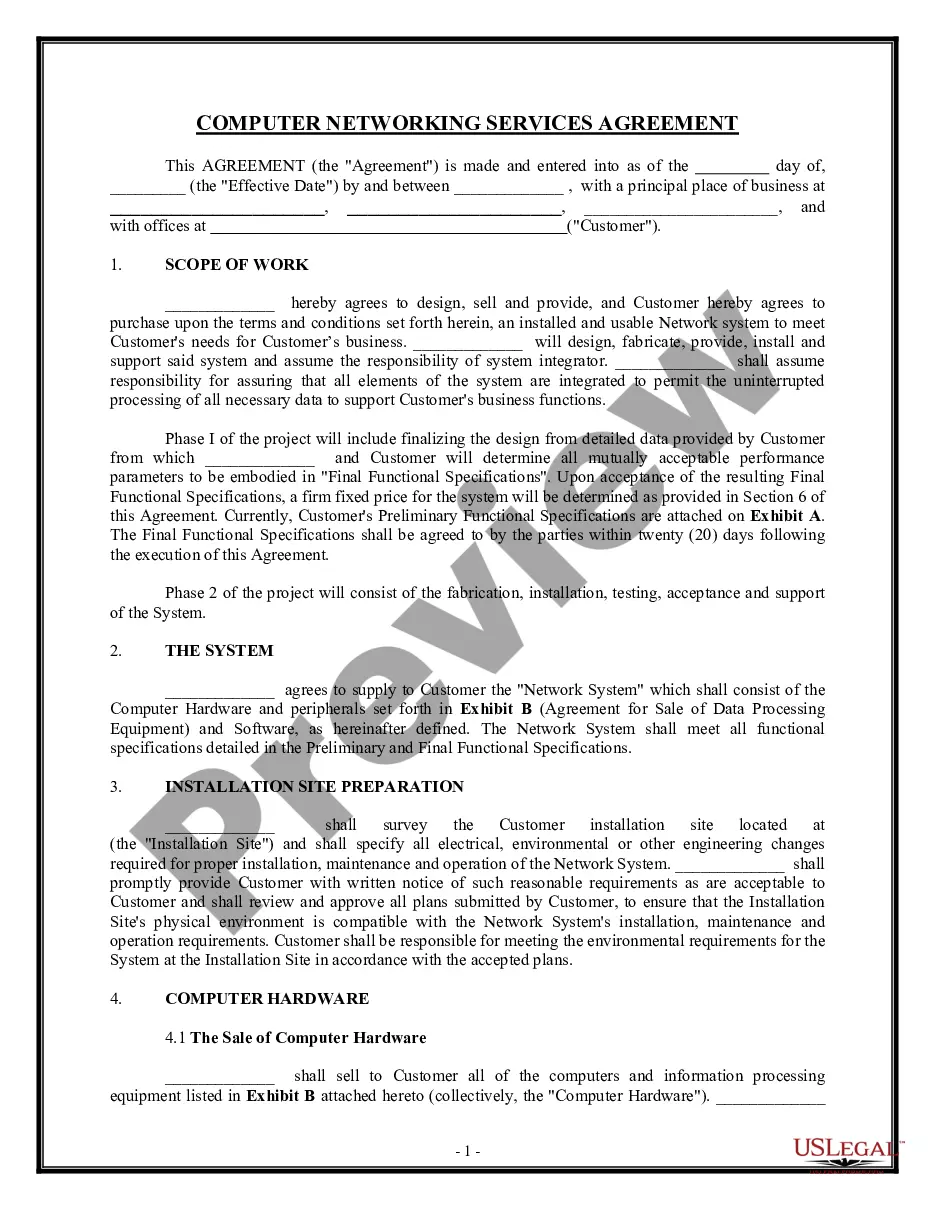
Service Provider Agreement Format In Riverside
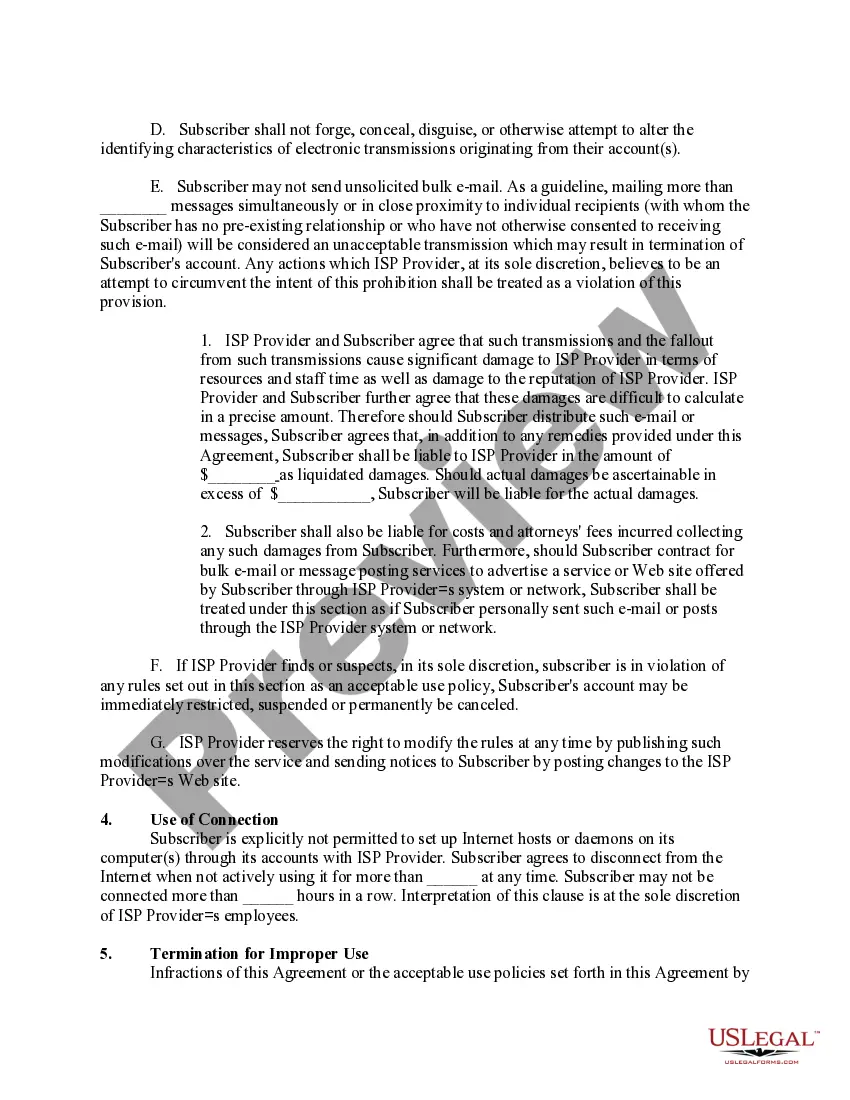
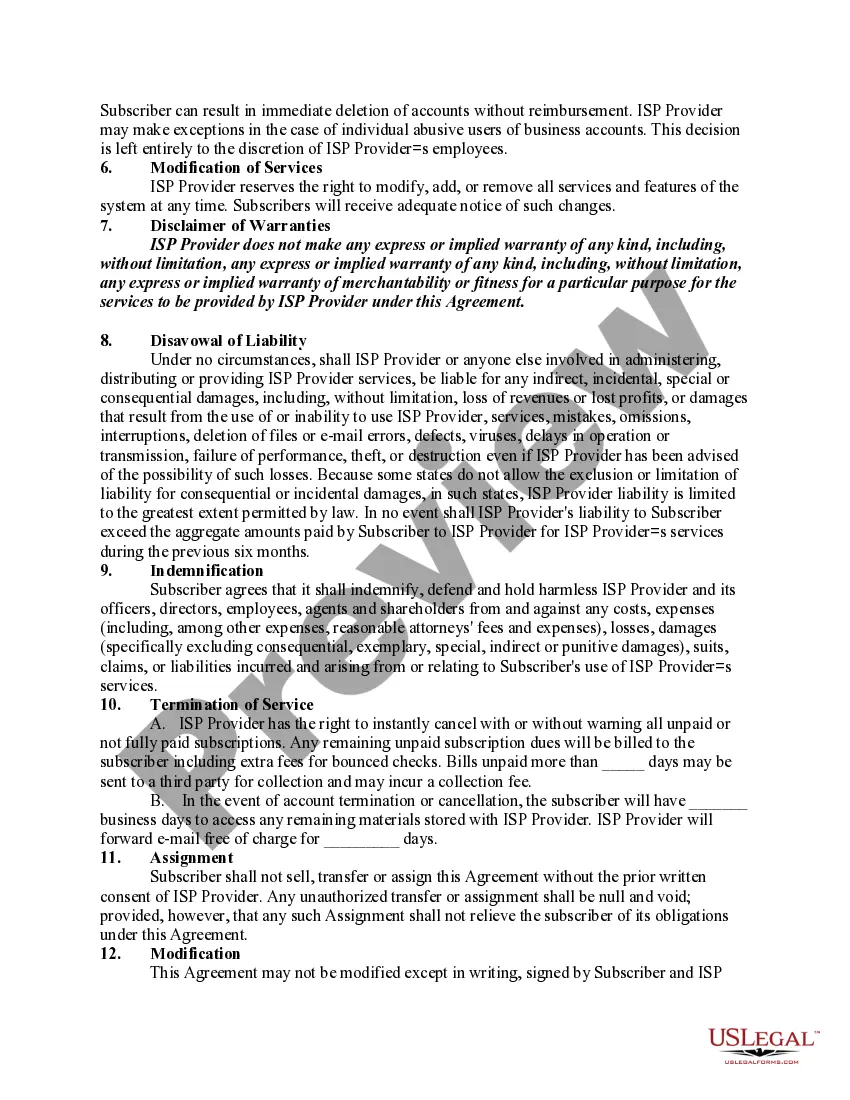
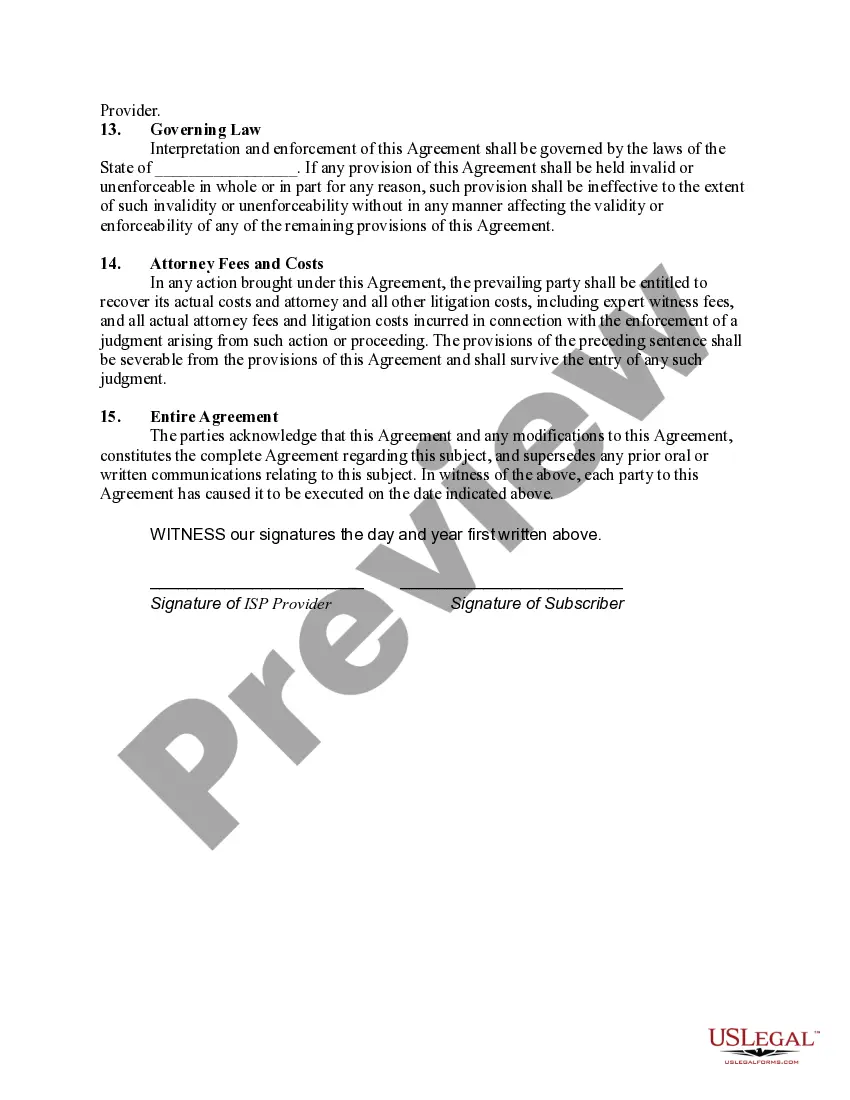
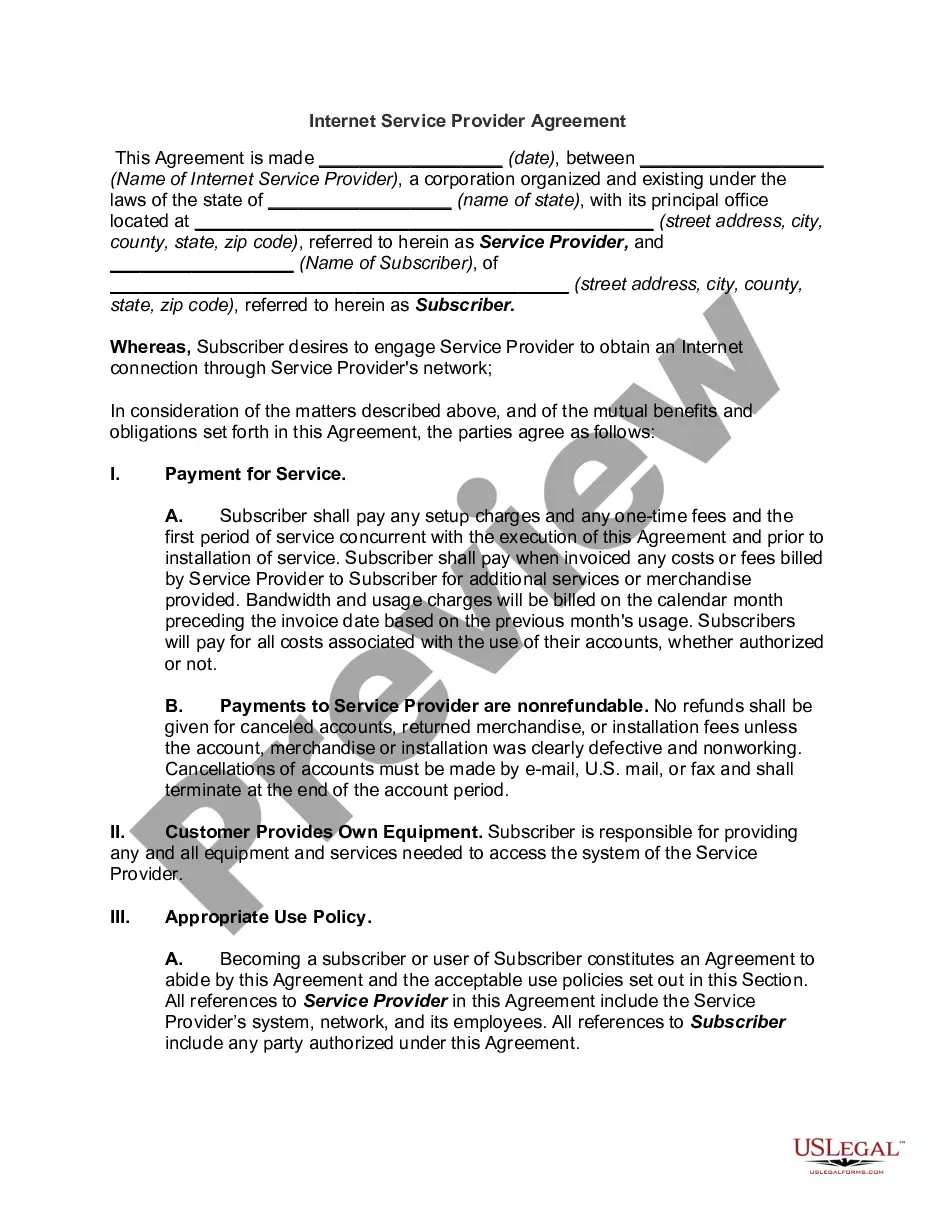
Description

Get your form ready online
Our built-in tools help you complete, sign, share, and store your documents in one place.
Make edits, fill in missing information, and update formatting in US Legal Forms—just like you would in MS Word.
Download a copy, print it, send it by email, or mail it via USPS—whatever works best for your next step.
Sign and collect signatures with our SignNow integration. Send to multiple recipients, set reminders, and more. Go Premium to unlock E-Sign.
If this form requires notarization, complete it online through a secure video call—no need to meet a notary in person or wait for an appointment.
We protect your documents and personal data by following strict security and privacy standards.

Make edits, fill in missing information, and update formatting in US Legal Forms—just like you would in MS Word.

Download a copy, print it, send it by email, or mail it via USPS—whatever works best for your next step.

Sign and collect signatures with our SignNow integration. Send to multiple recipients, set reminders, and more. Go Premium to unlock E-Sign.

If this form requires notarization, complete it online through a secure video call—no need to meet a notary in person or wait for an appointment.

We protect your documents and personal data by following strict security and privacy standards.
Looking for another form?








Form popularity
FAQ
A service agreement is the contract document made between the service provider and the client that legally binds the service provider and client and further gives them some protection. Further, the contract also enlists the services provided by the service provider and the rights and requirements of both parties.
An SLA is a contract between parties that defines the services provided, the indicators associated with these services, acceptable and unacceptable service levels, liabilities on the part of the service provider and the customer, and actions to be taken in specific circumstances.
The SLA is often incorporated by reference in the service provider's master service agreement. Between the two service contracts, the SLA adds greater specificity regarding the services provided and the metrics that will be used to measure their performance.
One difference between an MSA and an SOW is that they regulate different aspects of a business relationship. An MSA lays the legal framework for a business relationship, especially if it's a long-term partnership or delivery of an ongoing service. An SOW contract deals with a specific transaction.
How to Write a Service Agreement Step 1: Identify the parties involved. Step 2: Define the scope of services. Step 3: Set payment terms. Step 4: Outline the responsibilities of each party. Step 5: Add termination, dispute resolution, and other essential clauses. Step 6: Review and finalize.
A service agreement is an agreement between you and your provider that makes it clear what you have both agreed to. It is covered by Australian Consumer Law. The NDIA recommends having a written service agreement so participants and providers are clear about what each party has agreed to.