Service Agreement Provider With Laravel With Example In Queens
Description

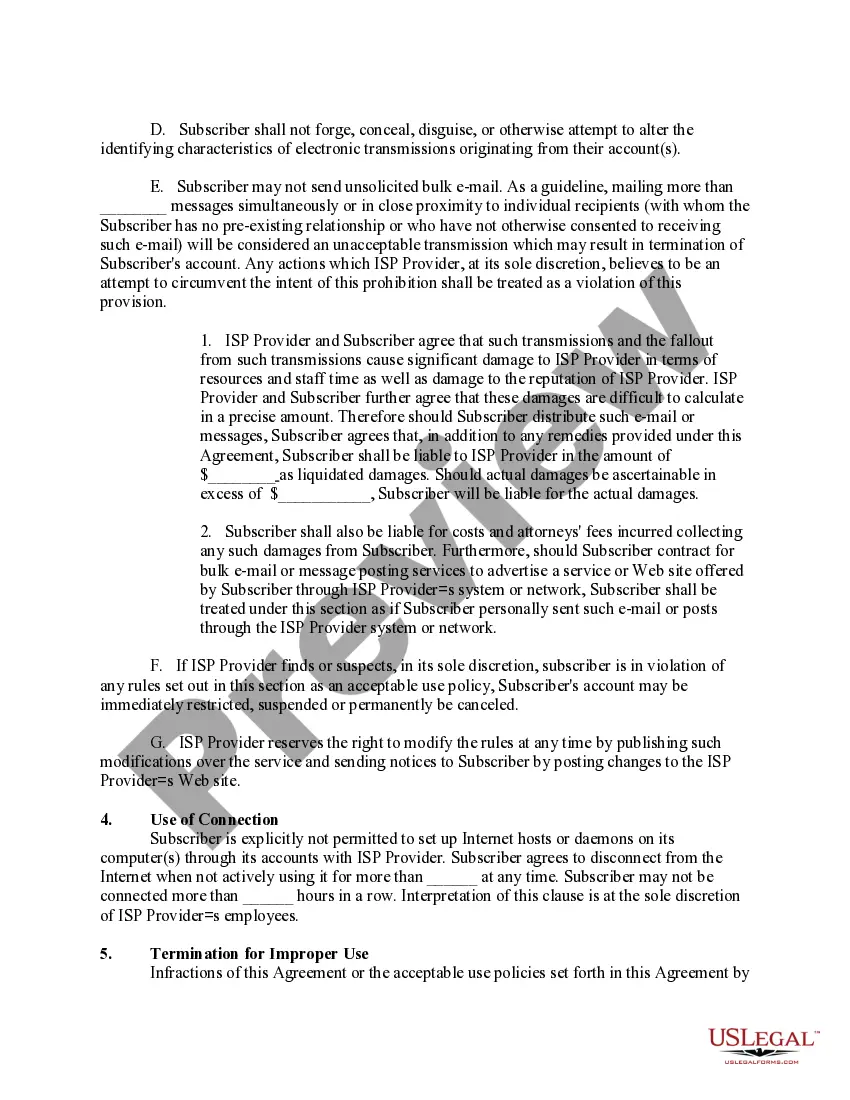
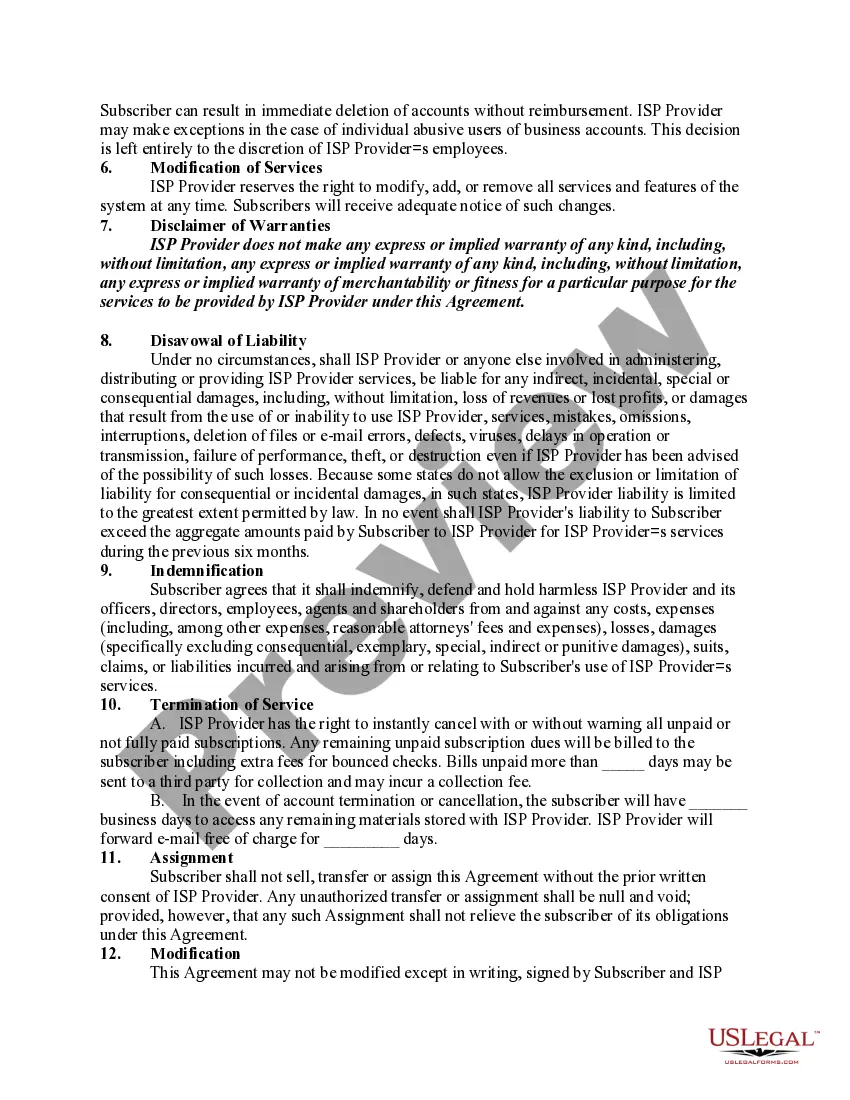
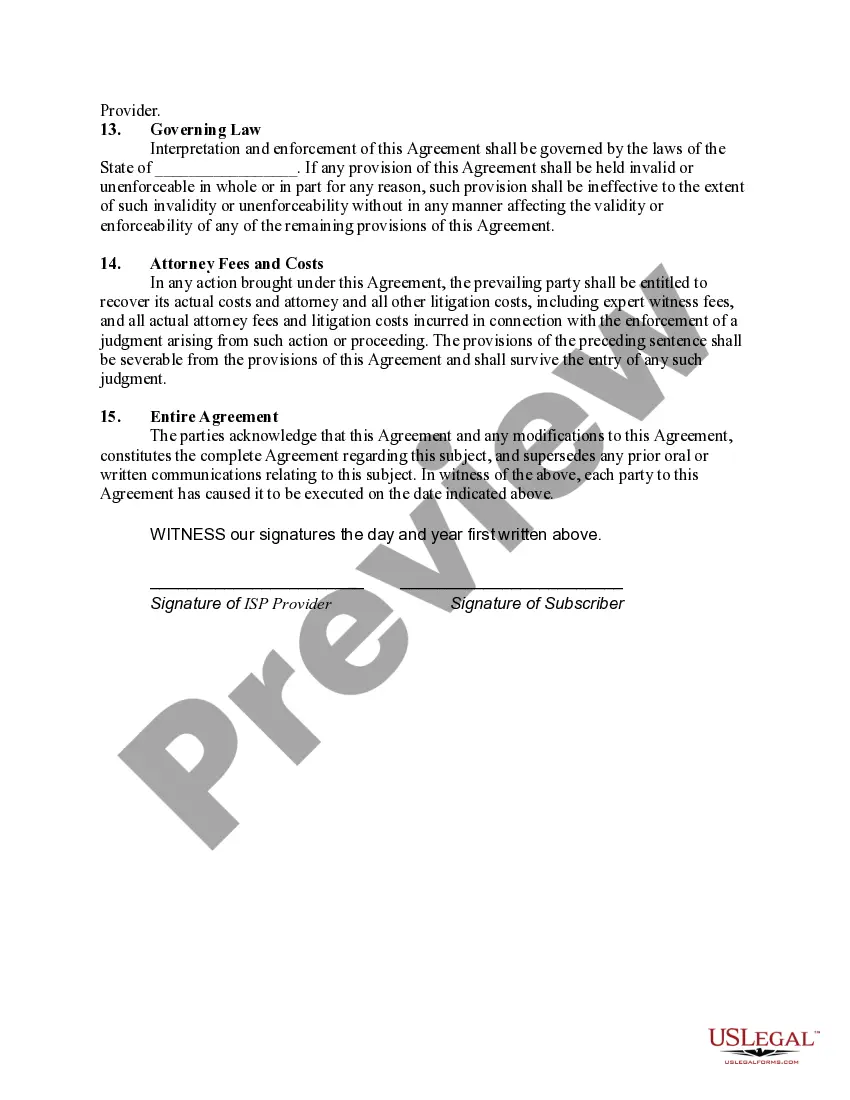
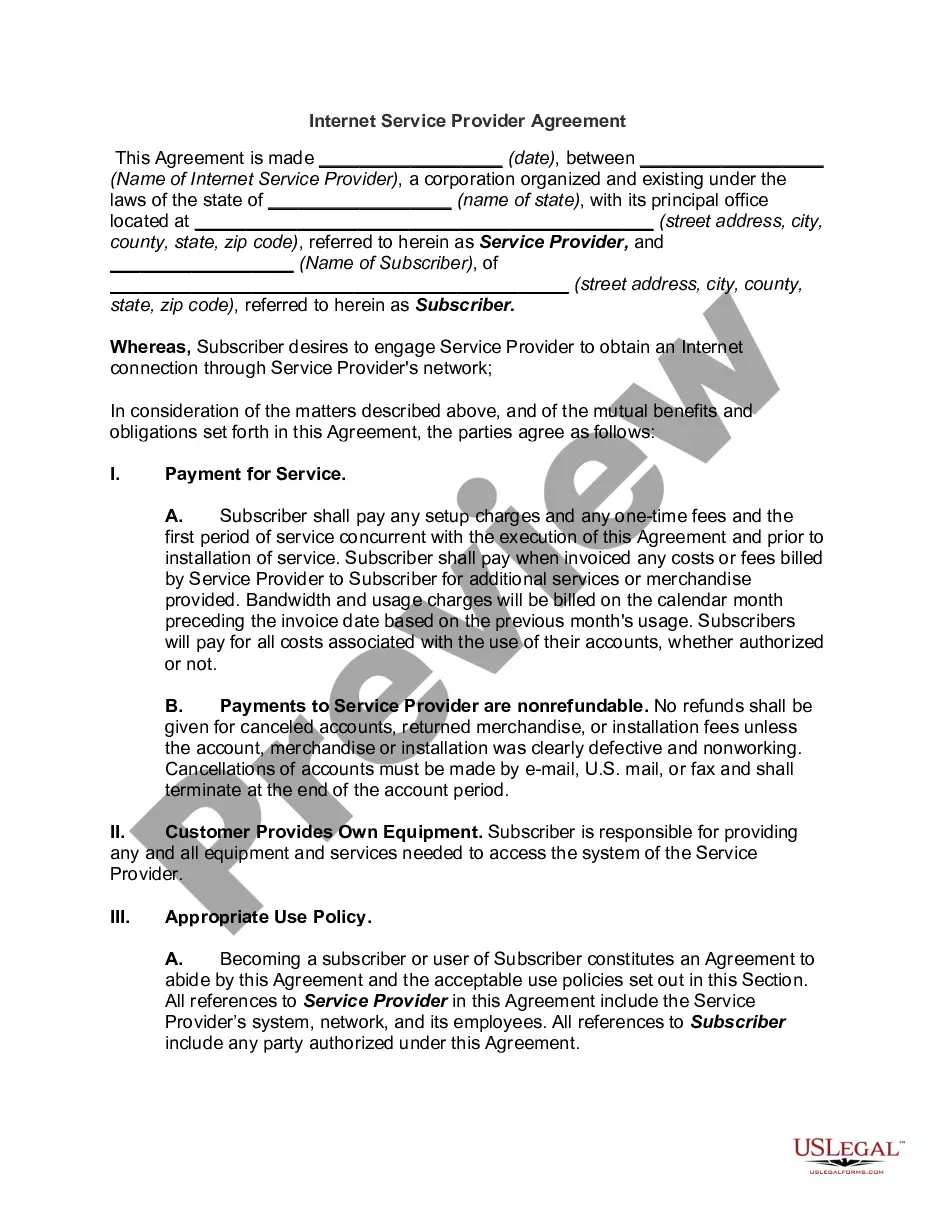
Get your form ready online
Our built-in tools help you complete, sign, share, and store your documents in one place.
Make edits, fill in missing information, and update formatting in US Legal Forms—just like you would in MS Word.
Download a copy, print it, send it by email, or mail it via USPS—whatever works best for your next step.
Sign and collect signatures with our SignNow integration. Send to multiple recipients, set reminders, and more. Go Premium to unlock E-Sign.
If this form requires notarization, complete it online through a secure video call—no need to meet a notary in person or wait for an appointment.
We protect your documents and personal data by following strict security and privacy standards.

Make edits, fill in missing information, and update formatting in US Legal Forms—just like you would in MS Word.

Download a copy, print it, send it by email, or mail it via USPS—whatever works best for your next step.

Sign and collect signatures with our SignNow integration. Send to multiple recipients, set reminders, and more. Go Premium to unlock E-Sign.

If this form requires notarization, complete it online through a secure video call—no need to meet a notary in person or wait for an appointment.

We protect your documents and personal data by following strict security and privacy standards.
Looking for another form?







Form popularity
FAQ
Generate a service for a model Add a --service or -S param to generate a service for the model. Use the -a or --all param to generate a service, migration, seeder, factory, policy, and resource controller for the model.
Service providers are the central place to configure your application. If you open the config/app. php file included with Laravel, you will see a providers array. These are all of the service provider classes that will be loaded for your application.
In summary, Service Provider is a class that contains the logic on how to instantiate a Service in Laravel. Once we defined a Service Provider, the service will be registered into the Service Container. If we need an instance of the Service, we can just resolve it out from the Service Container.
Laravel Underscores __() Function for localization based Translations.
Service Container is a powerful tool for managing class dependencies and performing dependency injection. Service Providers are the central place of all Laravel application bootstrapping. Your own application, as well as all of Laravel's core services, are bootstrapped via service providers.
Step-by-Step Guide to Creating a Custom Service Provider Step 1: Ensure Your Laravel Project Is Running. Before creating a service provider, ensure your Laravel project is running. Step 2.2: Register the Service Provider. Step 3.2: Using the boot Method. Step 5: Testing the Service Provider.
Service providers in Laravel are special classes where you can register and boot services, such as database connections, mail services, and custom logic. They tell Laravel how to glue different parts of your application together.
'providers' => // Other Service Providers App\Providers\AliasServiceProvider::class, , Now, Laravel will register your aliases when the application boots, and you'll be able to use them just like you did in previous versions of Laravel.
Service providers are the central place to configure your application. If you open the config/app. php file included with Laravel, you will see a providers array. These are all of the service provider classes that will be loaded for your application.
Service Provider Pattern: Laravel's service providers are the central place to configure your application. This pattern is used to bind classes into the service container, register services, and perform core application bootstrapping.
