Service Provider Agreement Format In King
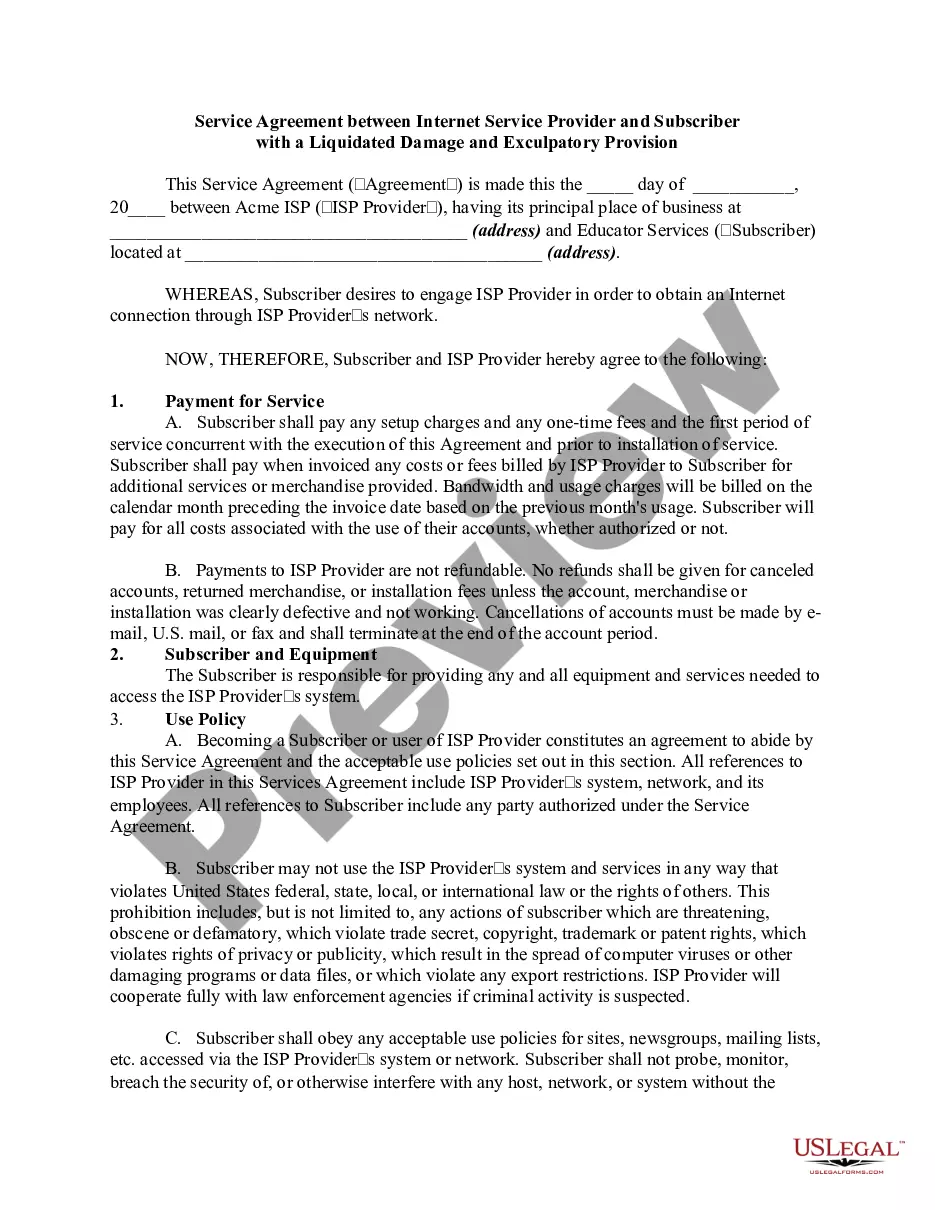
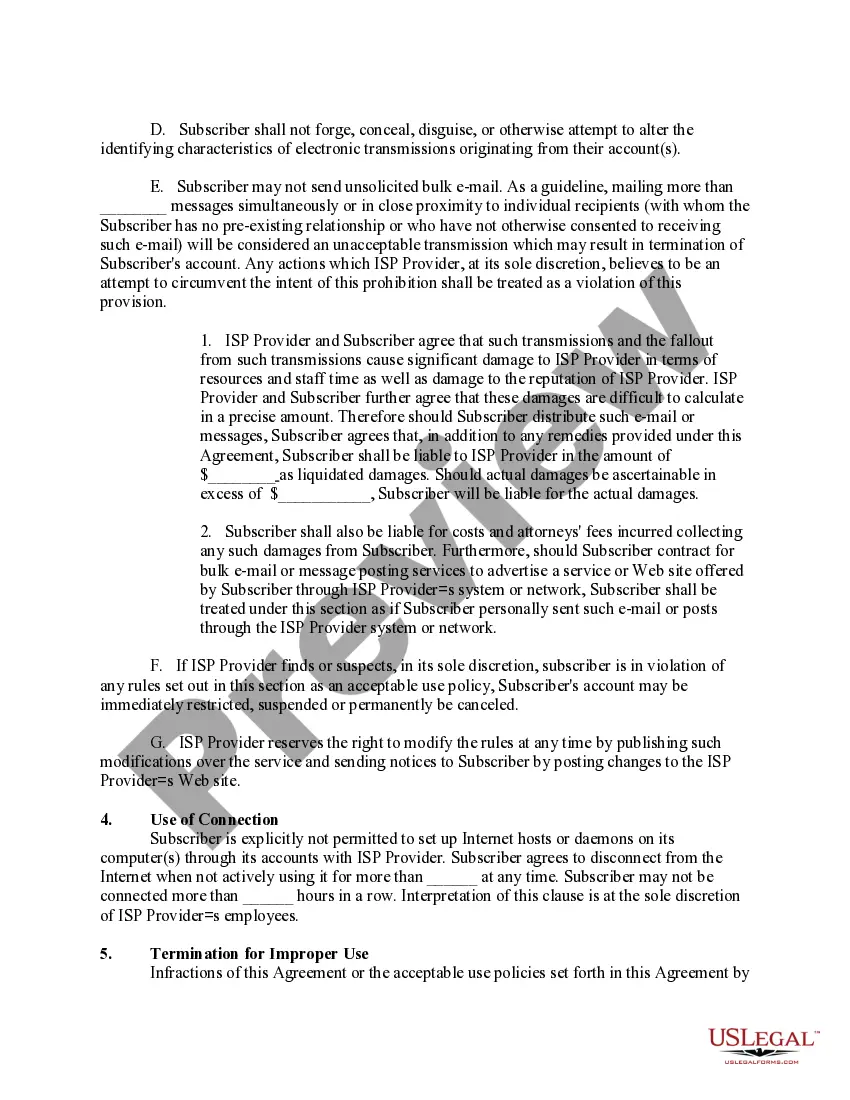
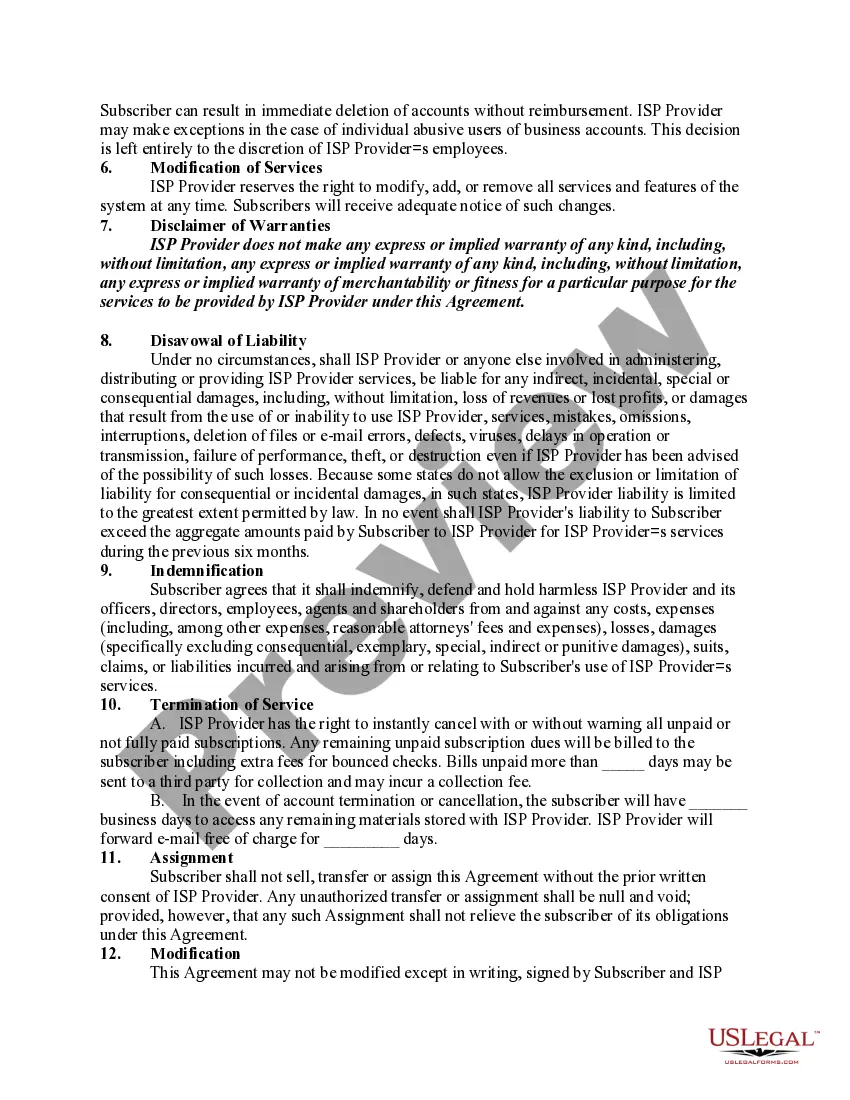
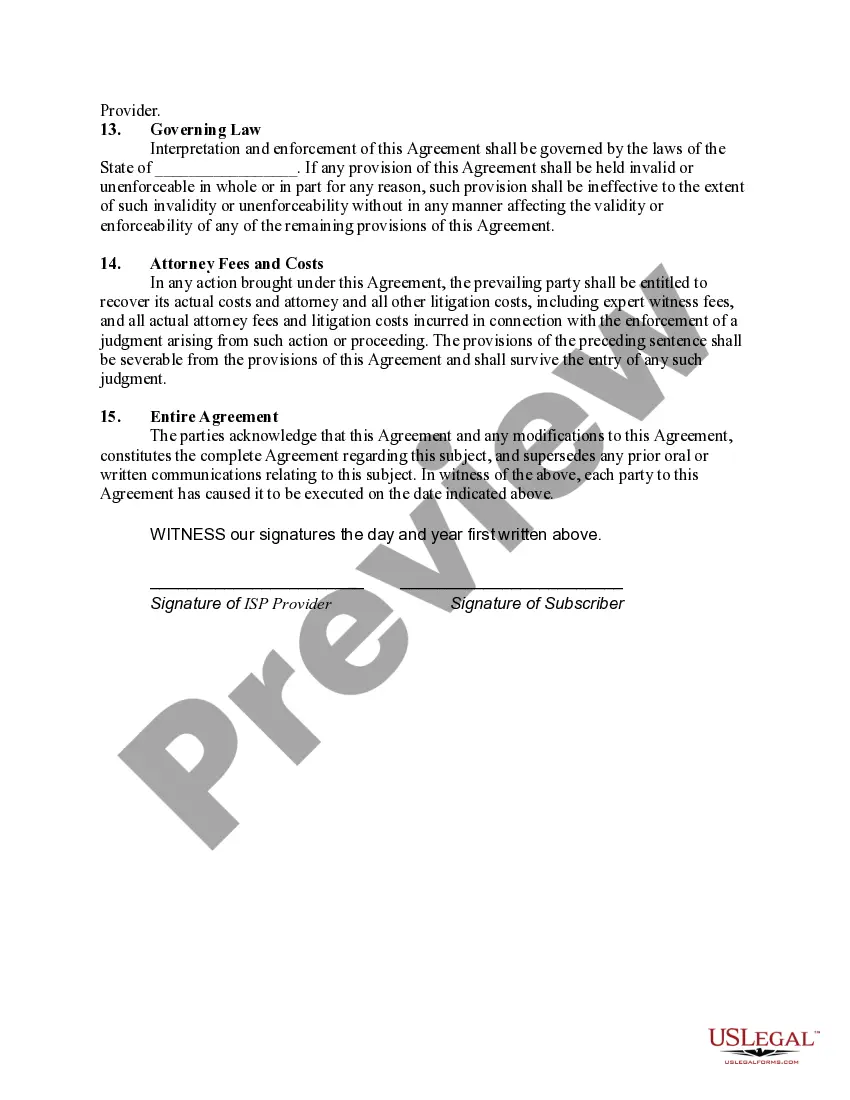
Description
Get your form ready online
Our built-in tools help you complete, sign, share, and store your documents in one place.
Make edits, fill in missing information, and update formatting in US Legal Forms—just like you would in MS Word.
Download a copy, print it, send it by email, or mail it via USPS—whatever works best for your next step.
Sign and collect signatures with our SignNow integration. Send to multiple recipients, set reminders, and more. Go Premium to unlock E-Sign.
If this form requires notarization, complete it online through a secure video call—no need to meet a notary in person or wait for an appointment.
We protect your documents and personal data by following strict security and privacy standards.

Make edits, fill in missing information, and update formatting in US Legal Forms—just like you would in MS Word.

Download a copy, print it, send it by email, or mail it via USPS—whatever works best for your next step.

Sign and collect signatures with our SignNow integration. Send to multiple recipients, set reminders, and more. Go Premium to unlock E-Sign.

If this form requires notarization, complete it online through a secure video call—no need to meet a notary in person or wait for an appointment.

We protect your documents and personal data by following strict security and privacy standards.
Looking for another form?









Form popularity
FAQ
Follow the steps below to write a service-level agreement: Define the service. Your SLA will need to define and outline the service clearly. Verify service levels. Determine performance metrics. Prepare the service level agreement document. Review the SLA with all stakeholders.
To write a simple contract, title it clearly, identify all parties and specify terms (services or payments). Include an offer, acceptance, consideration, and intent. Add a signature and date for enforceability. Written contracts reduce disputes and offer better legal security than verbal ones.
What is typically included in a contract for services. Description of services. This lays out what professional services you and your company will receive. Payment terms. Ownership rights. Confidentiality clause. Indemnification clause. Amendment. Termination. Dispute resolution.
How to write a proposal letter offering services Consider whether the letter is solicited. Research the potential client. Choose a subject line if using email. Introduce yourself and your company. Describe the project or problem. Answer any questions posed. Consider providing a quote. Include a call to action.
Write the contract in six steps Start with a contract template. Open with the basic information. Describe in detail what you have agreed to. Include a description of how the contract will be ended. Write into the contract which laws apply and how disputes will be resolved. Include space for signatures.
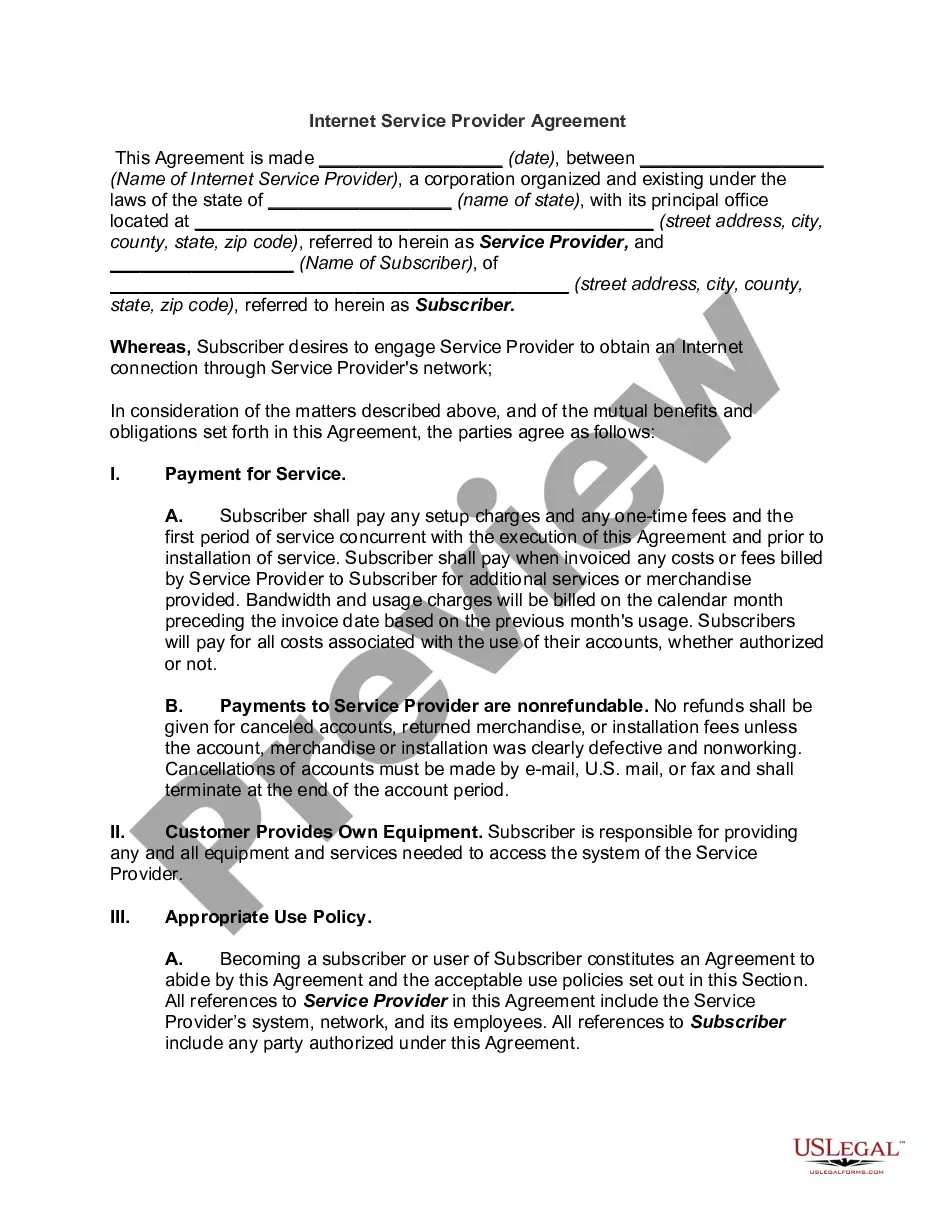
A service provider agreement, also known as a provision of services agreement, is a contract between at least two parties in which one party agrees to provide services in exchange for compensation. For example, a homeowner may execute a service provider agreement with a contractor for home repairs.
An agreement is often more informal than a contract and often serves as the precursor to a legally enforceable contract. It's crucial to have one in case of arbitration, litigation, or a breach of contract. Generally, a contract is a legally binding agreement made between two parties with a common interest in mind.
Service Agreements are used to establish a legally binding relationship between two or more parties. It governs the specific details of the service being provided, ensuring clarity and protection for both the client and the service provider. MOU are generally not legally binding.
To make a legally binding contract, 5 elements must be satisfied: offer, acceptance, consideration, intention and capacity: Offer: One party makes an offer. Acceptance: The other party accepts the offer. Consideration: Each party provides consideration to the other.
To be legally enforceable, an agreement must contain all of the following criteria: An offer and acceptance; Certainty of terms; Consideration; An intention to create legal relations; Capacity of the parties; and, Legality of purpose.
