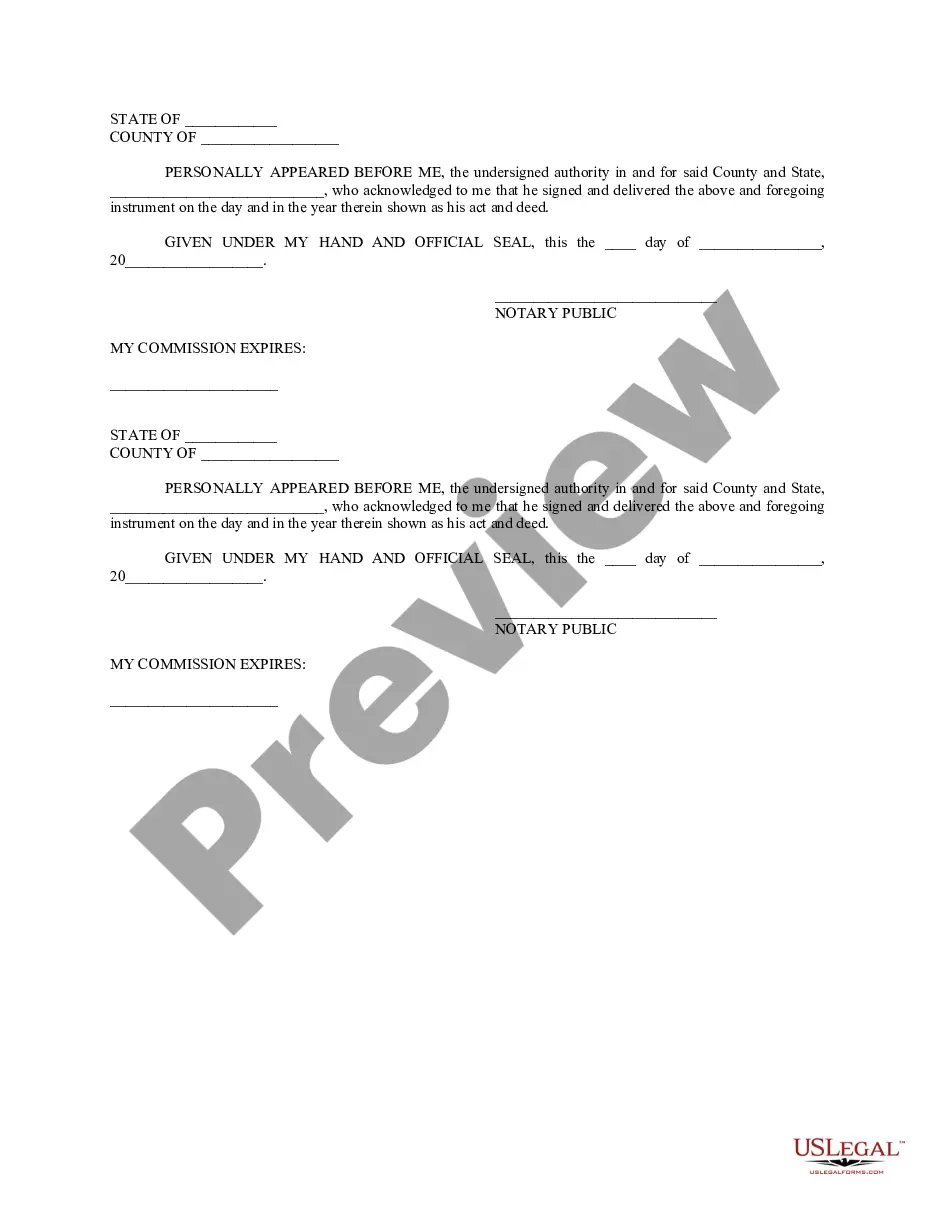
Long Term Lease Agreement For Land In San Jose
Description
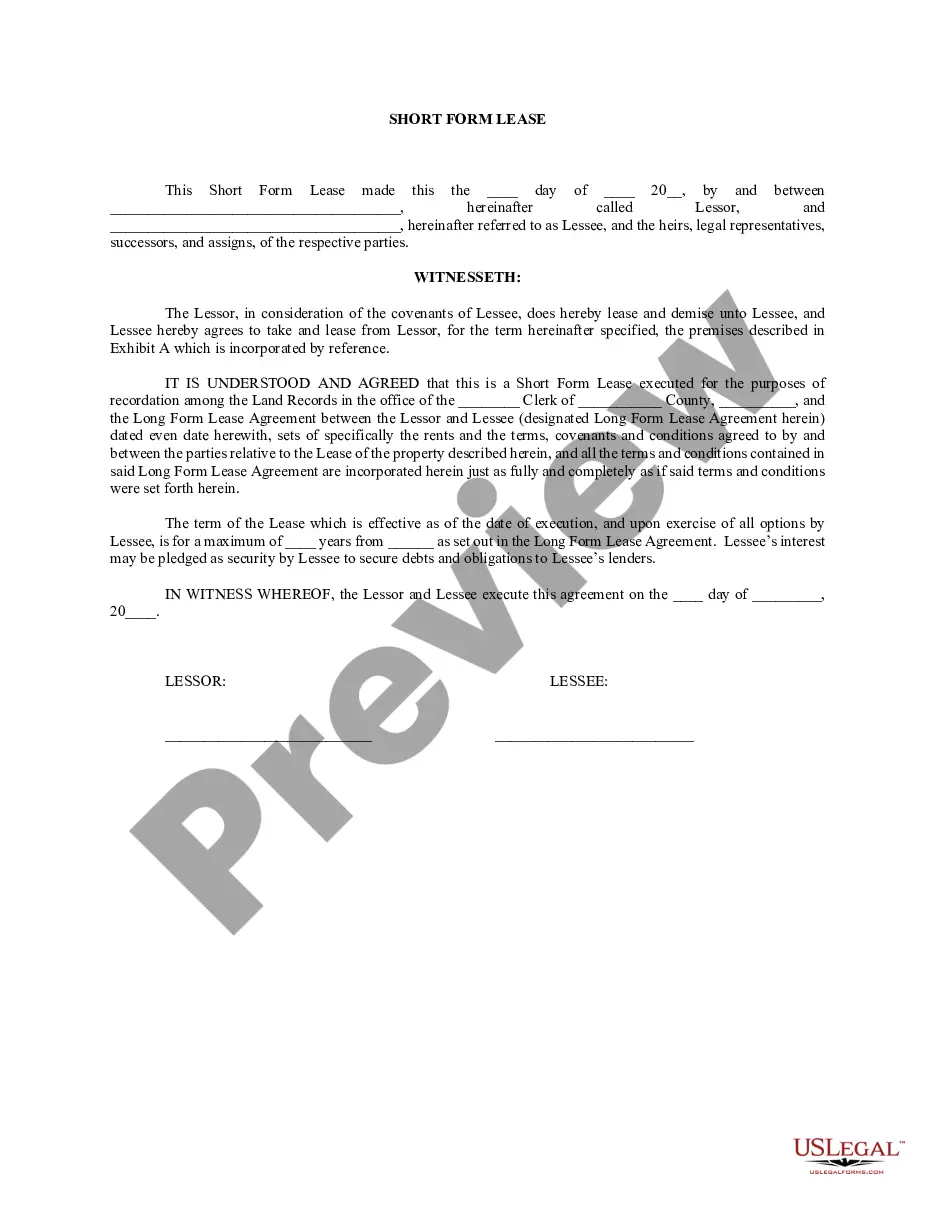
Get your form ready online
Our built-in tools help you complete, sign, share, and store your documents in one place.
Make edits, fill in missing information, and update formatting in US Legal Forms—just like you would in MS Word.
Download a copy, print it, send it by email, or mail it via USPS—whatever works best for your next step.
Sign and collect signatures with our SignNow integration. Send to multiple recipients, set reminders, and more. Go Premium to unlock E-Sign.
If this form requires notarization, complete it online through a secure video call—no need to meet a notary in person or wait for an appointment.
We protect your documents and personal data by following strict security and privacy standards.

Make edits, fill in missing information, and update formatting in US Legal Forms—just like you would in MS Word.

Download a copy, print it, send it by email, or mail it via USPS—whatever works best for your next step.

Sign and collect signatures with our SignNow integration. Send to multiple recipients, set reminders, and more. Go Premium to unlock E-Sign.

If this form requires notarization, complete it online through a secure video call—no need to meet a notary in person or wait for an appointment.

We protect your documents and personal data by following strict security and privacy standards.
Looking for another form?


Form popularity
FAQ
Verbal and Written Agreements California's Statute of Frauds requires a lease to be in writing if it either: 1. has a term longer than one year; or 2. has a term less than one year which expires more than one year after the agreement is reached.
The tenancy agreement should include: the deposit amount and how it will be protected. when the deposit can be fully or partly withheld, for example to repair damage caused by tenants. the property address. the start and end date of the tenancy. any tenant or landlord obligations. which bills your tenants are responsible for.
For example, California does not require lease notarization, while other states like Ohio may have different requirements. It's essential to review state-specific regulations to determine if notarization is necessary in your particular case.
If a lease has expired and a new lease has not been signed then the homeowner automatically has a month-to-month arrangement (with rent control) and keeps the same rental rate as the expired lease (California Civil Code 798.17(a)(1) and the County's Title 25 25.06. 010(a)(2)).
In general, business contracts do not need to be notarized unless there are circumstances inherent in the transaction that might lead one party or the other to be concerned about the identity and/or authority of the other party to enter into the transaction.
In some states, notarization isn't necessary for leases shorter than one year. For example, California does not require notarization for standard residential leases, while Ohio may require it for some lease types.
Common Documents Requiring Notarization Revocable Living Trust. Amendment to Revocable Trust. Transfer Deeds to transfer real estate. Any document to be recorded. Sworn Statement. Parental Consent for Travel. Grant Deed/Quitclaim Deed. Interspousal Transfer Deed.
A gross lease, also known as a full-service lease, is the most common type of commercial lease agreement. In this type of lease, the lessee is responsible for paying the base rent and the lessor generally handles any other building expenses, such as utilities, maintenance costs, taxes, and insurance.
The gross lease is MOST commonly used for residential leases. T/F Leases for space in a shopping mall are usually percentage leases.
How to write a California lease agreement Identify the parties involved. Clearly state the names and contact information of both the landlord and the prospective tenant. Define the rental property. Specify the lease term. Outline rent and payment terms. Include important provisions. Comply with legal requirements.
