Long Term Lease For House In Phoenix
Description

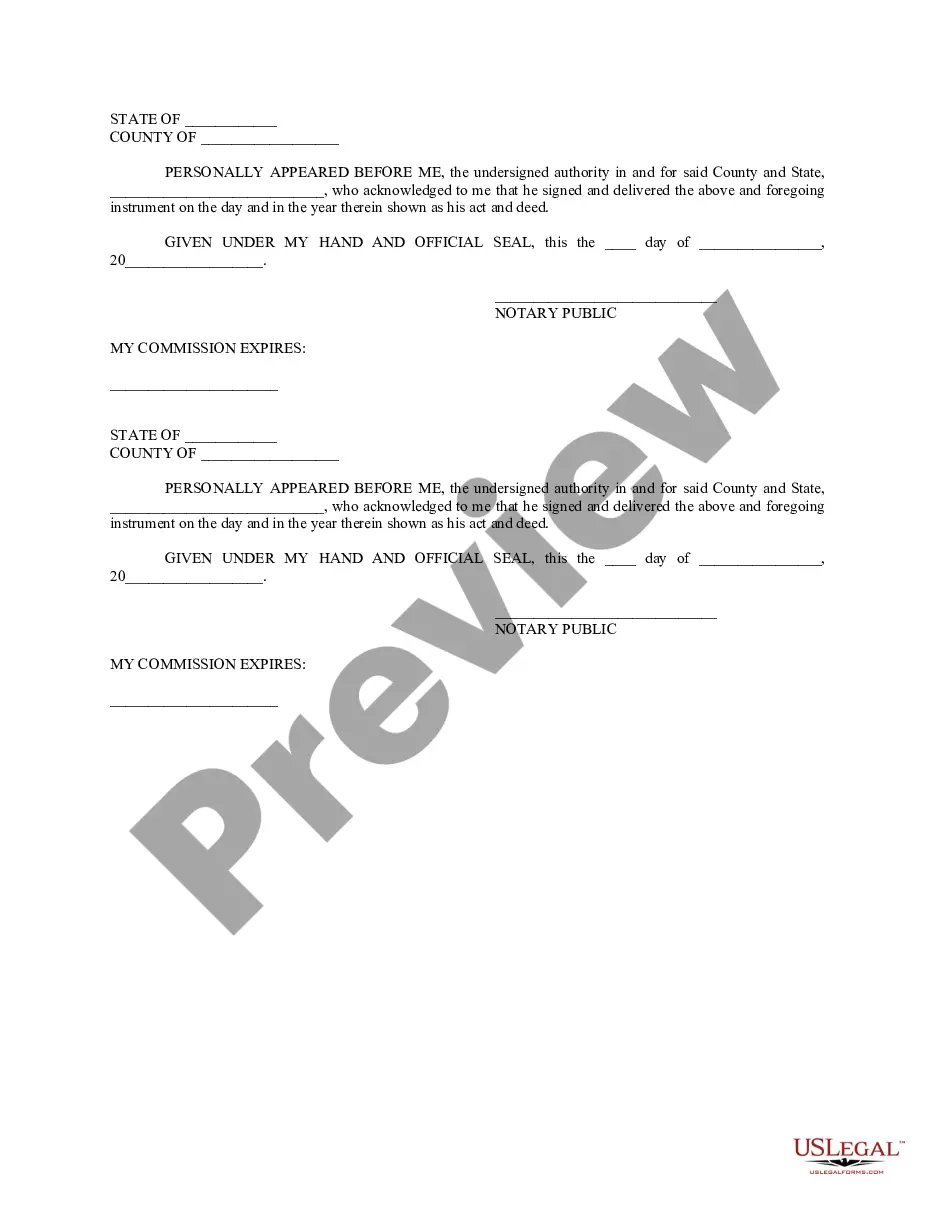
Get your form ready online
Our built-in tools help you complete, sign, share, and store your documents in one place.
Make edits, fill in missing information, and update formatting in US Legal Forms—just like you would in MS Word.
Download a copy, print it, send it by email, or mail it via USPS—whatever works best for your next step.
Sign and collect signatures with our SignNow integration. Send to multiple recipients, set reminders, and more. Go Premium to unlock E-Sign.
If this form requires notarization, complete it online through a secure video call—no need to meet a notary in person or wait for an appointment.
We protect your documents and personal data by following strict security and privacy standards.

Make edits, fill in missing information, and update formatting in US Legal Forms—just like you would in MS Word.

Download a copy, print it, send it by email, or mail it via USPS—whatever works best for your next step.

Sign and collect signatures with our SignNow integration. Send to multiple recipients, set reminders, and more. Go Premium to unlock E-Sign.

If this form requires notarization, complete it online through a secure video call—no need to meet a notary in person or wait for an appointment.

We protect your documents and personal data by following strict security and privacy standards.
Looking for another form?
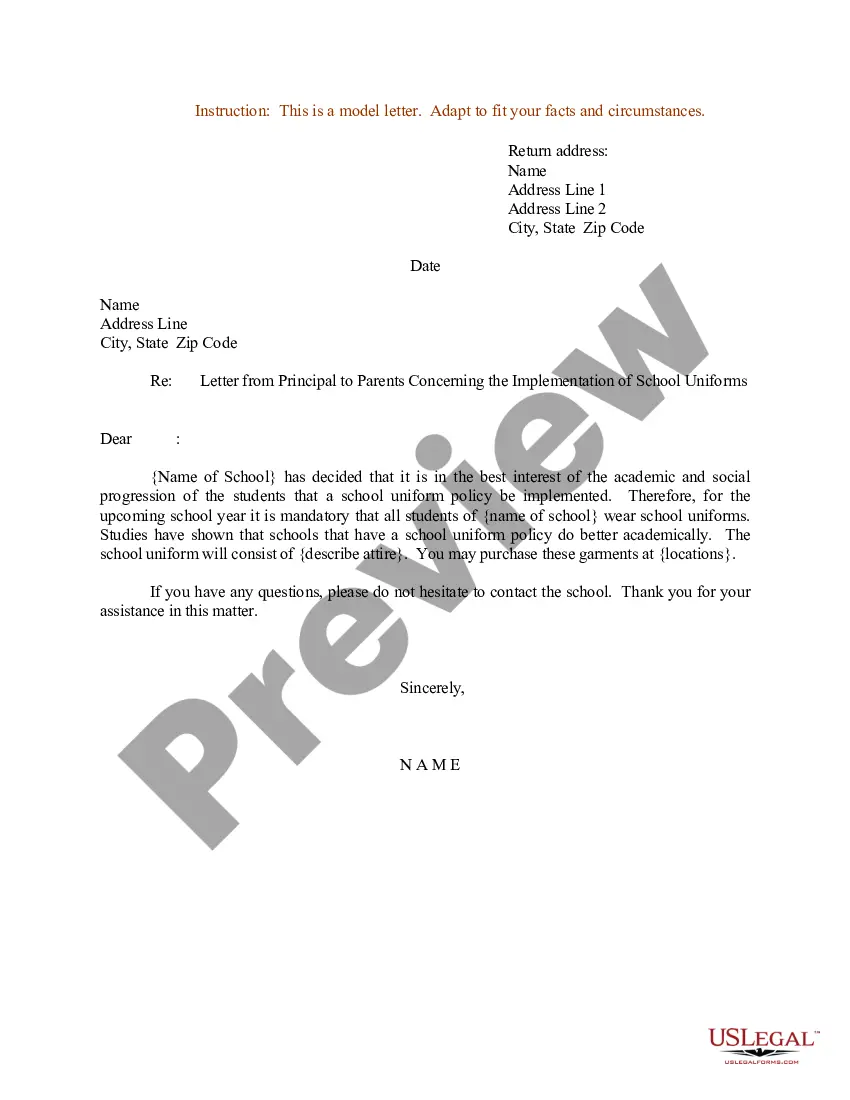

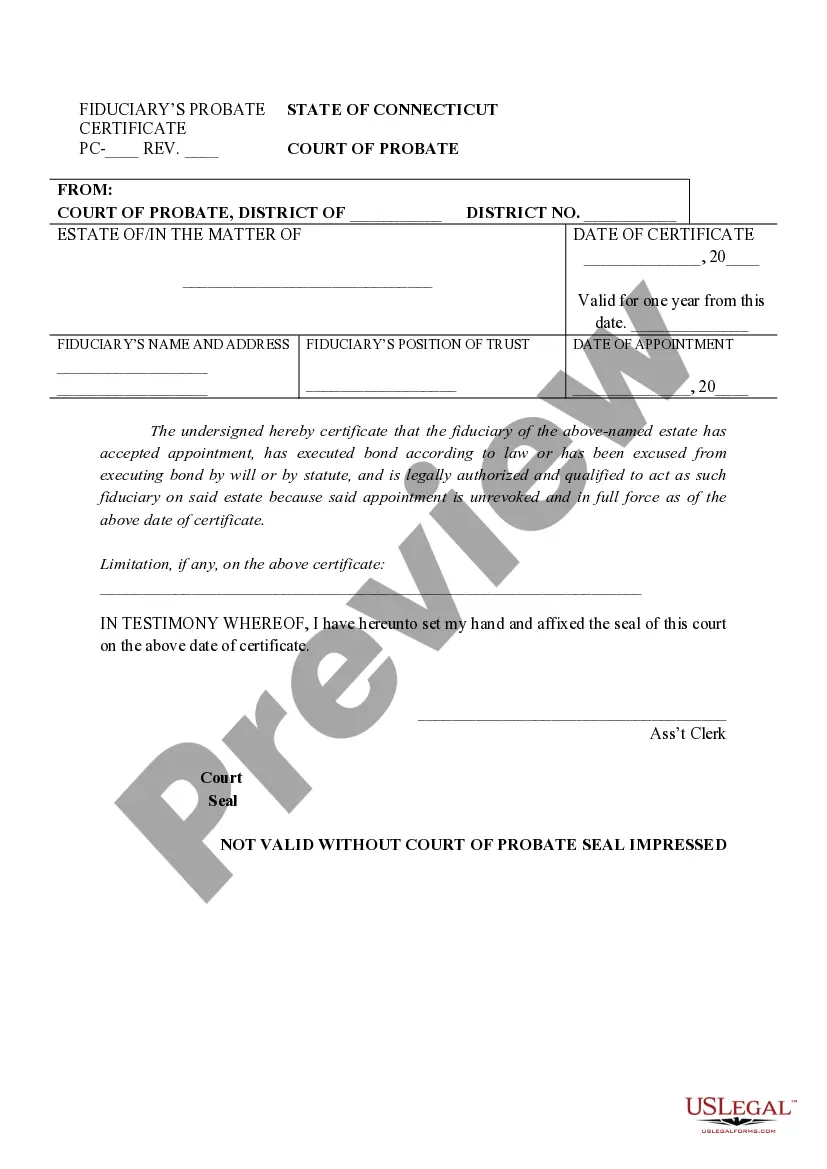


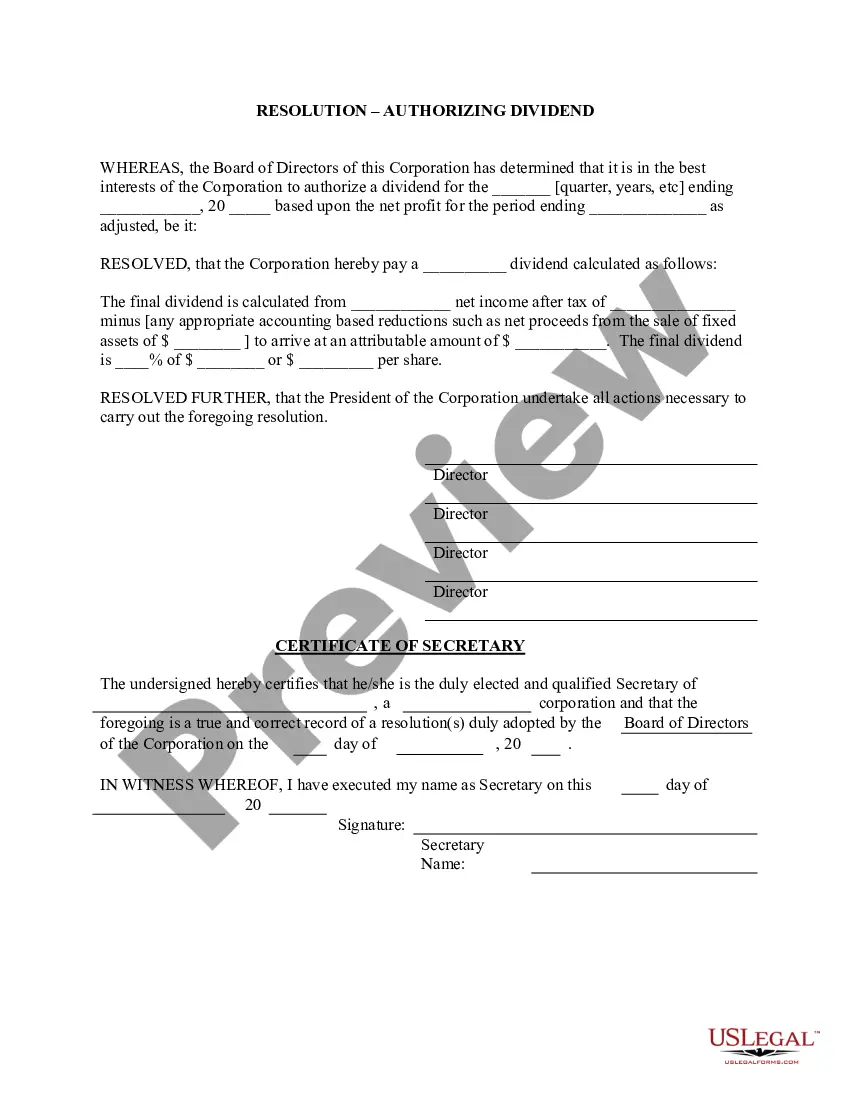



Form popularity
FAQ
A rental application must be signed and processed on all prospective occupants 18 years of age or older. All prospective Tenants will be qualified on the following five (5) criteria: 1) Income/employment 2) Credit 3) Rental history 4) Criminal history and 5) Pets.
Yes, property owners in Arizona can manage their own rental properties without a real estate license. However, when managing for others, licensure is obligatory.
Effective January 1, 2025, Arizona property owners will no longer be required to collect and remit city Transaction Privilege Tax (TPT) on residential rental income for long-term stays of 30 consecutive days or more.
All owners of property engaging the service of a property management company (PMC) for short-term lodging or commercial rentals are required to obtain a TPT license. Owners of residential rental properties are not required to obtain a TPT license after January 1, 2025.
If the landlord and tenant agree to the term of the rental agreement, the rental agreement may be for any term. If the landlord and tenant disagree on the term of the rental agreement, the rental agreement shall be for twelve months.
A license is only required for cities that impose a tax on residential rental activity. To determine if a tax license is required, taxpayers can use the Residential Rental Licensing Matrix. For tax periods before January 1, 2025: You must comply with filing and payment requirements, and.
8 Steps to Becoming a Landlord in Phoenix Familiarize yourself with landlord-tenant laws. Obtain necessary licenses and permits. Find a property to rent out. Prepare the property for tenants. Set rental terms and advertise the property. Screen potential tenants. Sign a lease agreement:
How to create a lease agreement Collect each party's information. Include specifics about your property. Consider all of the property's utilities and services. Know the terms of your lease. Set the monthly rent amount and due date. Calculate any additional fees. Determine a payment method. Consider your rights and obligations.
Short-term leases often refer to agreements lasting six months or less, including month-to-month agreements. Long-term apartment leases are commonly set for a year, but some properties are now exploring longer lease options, such as 13, 15, or 24 months.
In the law of several US states, a 99-year lease will always be the longest possible contract for realty by statute, but many states have enacted shorter terms and some allow infinite terms.