Long Term Lease Agreement For Land In Philadelphia
Description

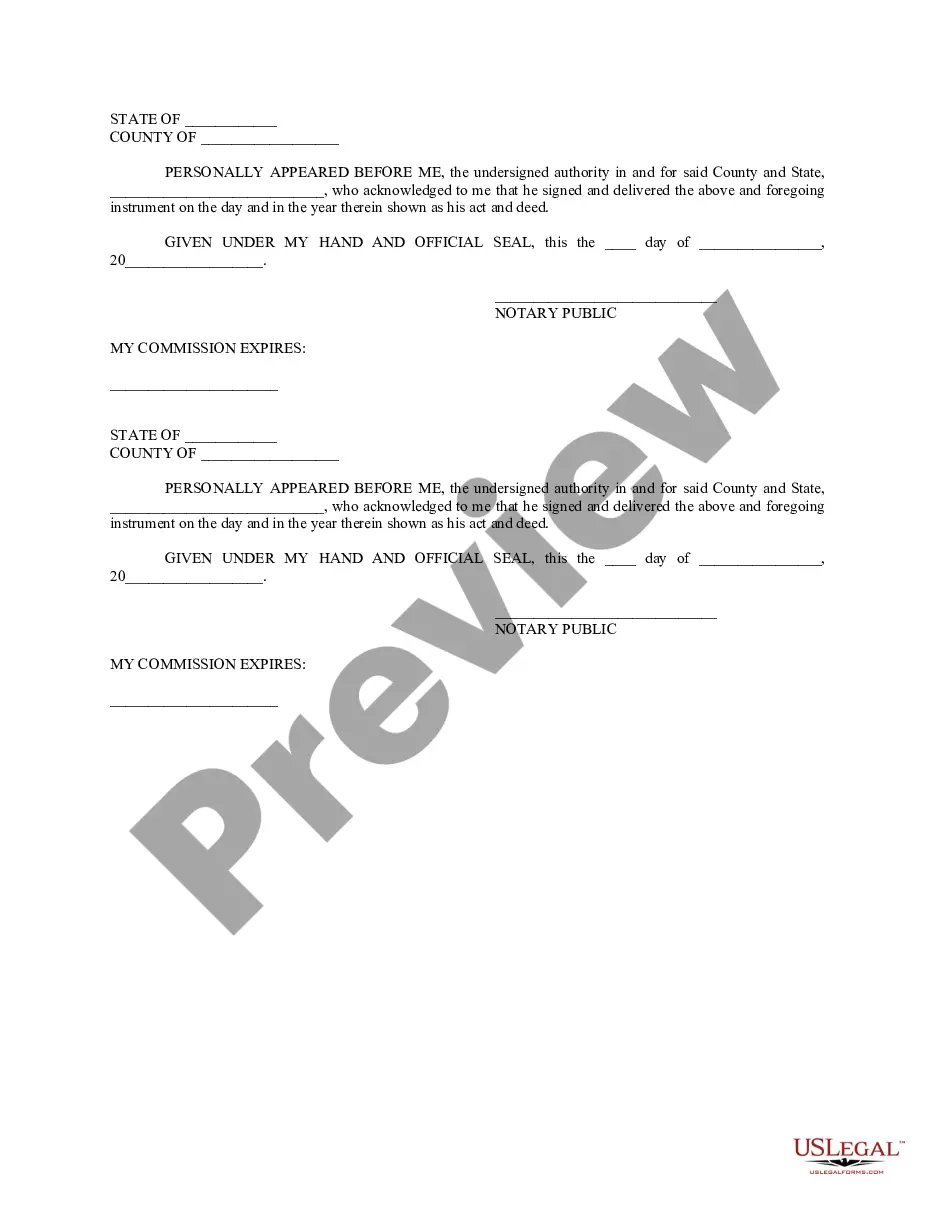
Get your form ready online
Our built-in tools help you complete, sign, share, and store your documents in one place.
Make edits, fill in missing information, and update formatting in US Legal Forms—just like you would in MS Word.
Download a copy, print it, send it by email, or mail it via USPS—whatever works best for your next step.
Sign and collect signatures with our SignNow integration. Send to multiple recipients, set reminders, and more. Go Premium to unlock E-Sign.
If this form requires notarization, complete it online through a secure video call—no need to meet a notary in person or wait for an appointment.
We protect your documents and personal data by following strict security and privacy standards.

Make edits, fill in missing information, and update formatting in US Legal Forms—just like you would in MS Word.

Download a copy, print it, send it by email, or mail it via USPS—whatever works best for your next step.

Sign and collect signatures with our SignNow integration. Send to multiple recipients, set reminders, and more. Go Premium to unlock E-Sign.

If this form requires notarization, complete it online through a secure video call—no need to meet a notary in person or wait for an appointment.

We protect your documents and personal data by following strict security and privacy standards.
Looking for another form?
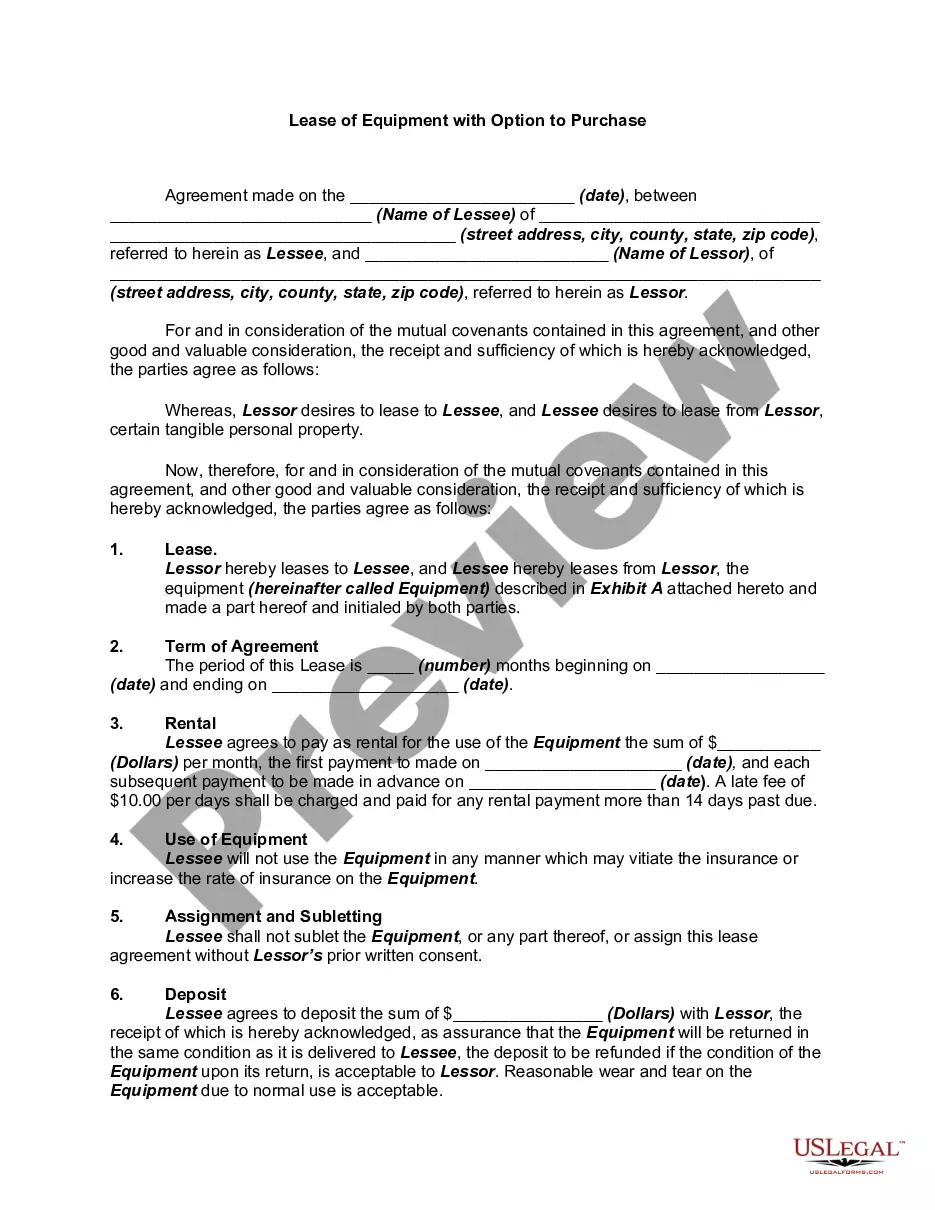
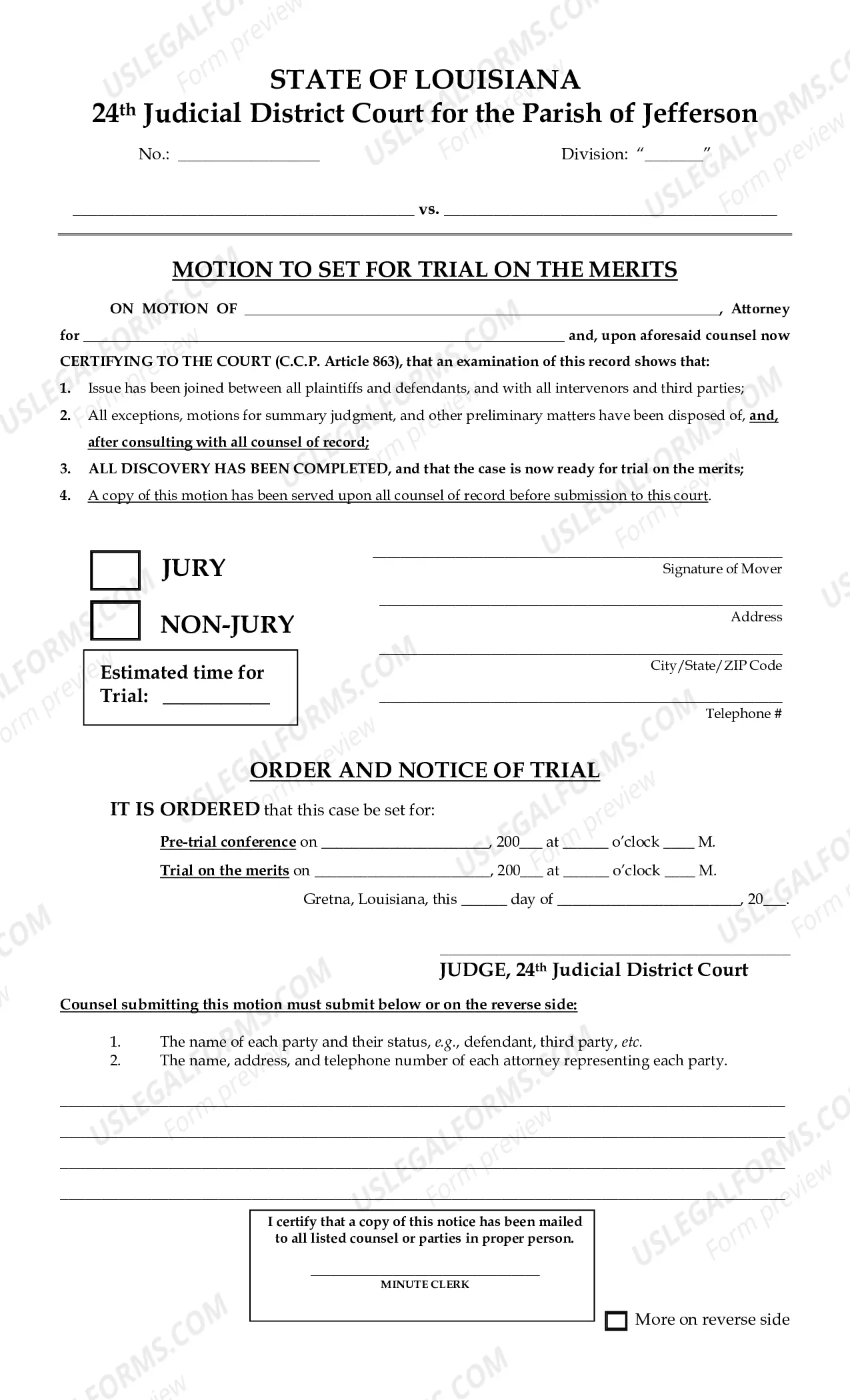


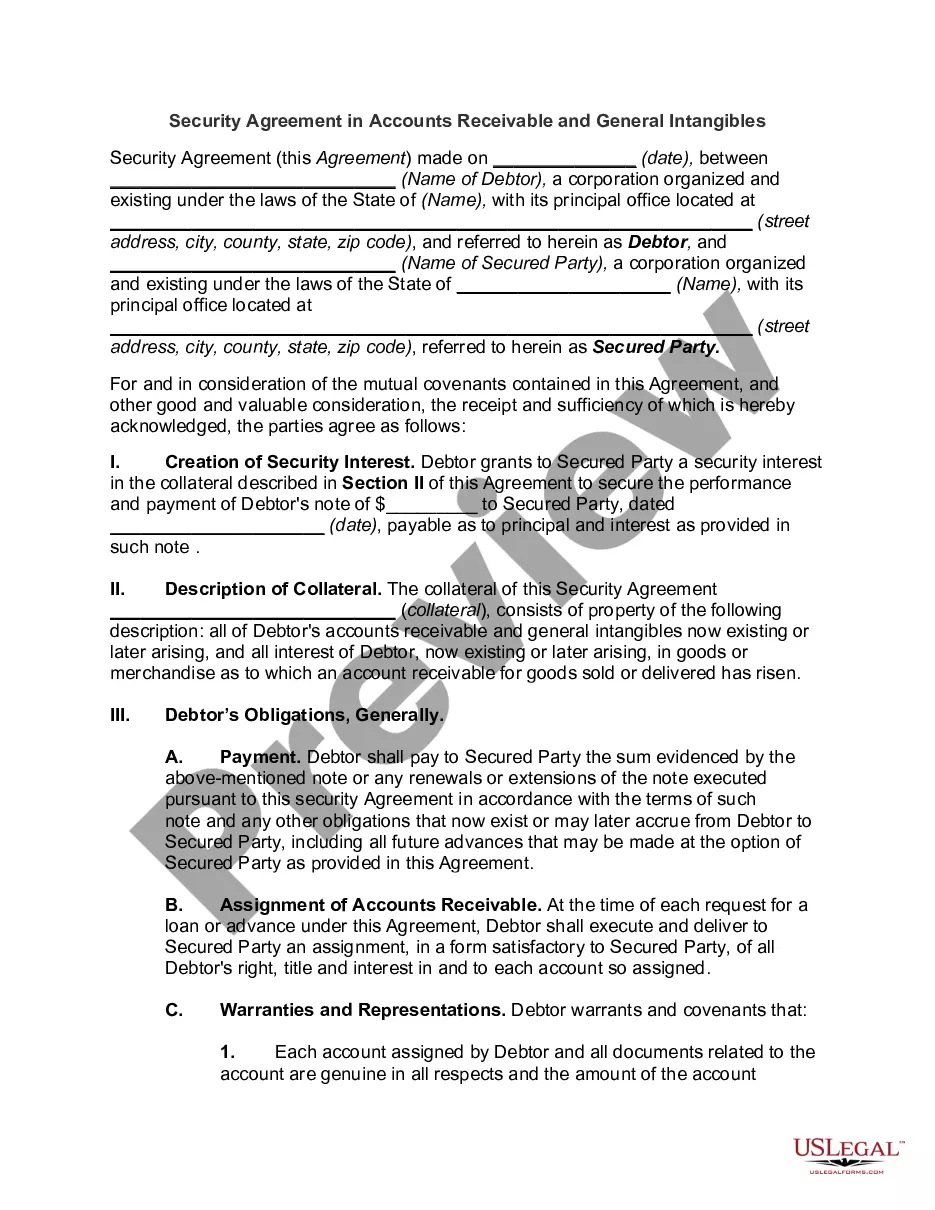

Form popularity
FAQ
Pennsylvania leases do not need to be notarized. Once both parties sign the document, it is considered legally valid.
The tenancy agreement should include: the deposit amount and how it will be protected. when the deposit can be fully or partly withheld, for example to repair damage caused by tenants. the property address. the start and end date of the tenancy. any tenant or landlord obligations. which bills your tenants are responsible for.
A gross lease, also known as a full-service lease, is the most common type of commercial lease agreement. In this type of lease, the lessee is responsible for paying the base rent and the lessor generally handles any other building expenses, such as utilities, maintenance costs, taxes, and insurance.
You need a Rental License to rent out dwelling, rooming, or sleeping units to tenants. This can include residential dwellings and units, rooms in a home, dormitories, and certain visitor accommodations. One license can cover all units in a single building.
Providing Proper Notice Tenants in Pennsylvania must give their landlord written notice if they want to end their lease agreement for any reason. Here's an overview of the periods they should consider: Monthly Leases - 15 days of notice. Leases That Last a Year or Less - 15 days of notice.
First, the city can fine you $300 per day for every day your property has been rented without a license. For example, if the tenant has been living there for a year, you're looking at 365 days of fines – that's 365 times $300, which can add up very quickly.
Most lease agreements last 12 months, sometimes giving tenants a chance to renew at the end. On the other hand, if your move is temporary, you may look for a short-term lease agreement, perhaps for only three to six months.
Is a rental license required to be a landlord? Pennsylvania doesn't have a statewide requirement on rental licenses. However, the City of Philadelphia does require landlords to have a license to rent to tenants.
Philadelphia Landlord Requirements A Commercial Activity License and Business Tax Account Number. A current Rental License. Rent Suitability Certificate (issued no more than 60 days prior to the start of tenancy) EPA Lead Paint Pamphlet. Partners for Good Housing Brochure.