Long Term Lease With In Orange
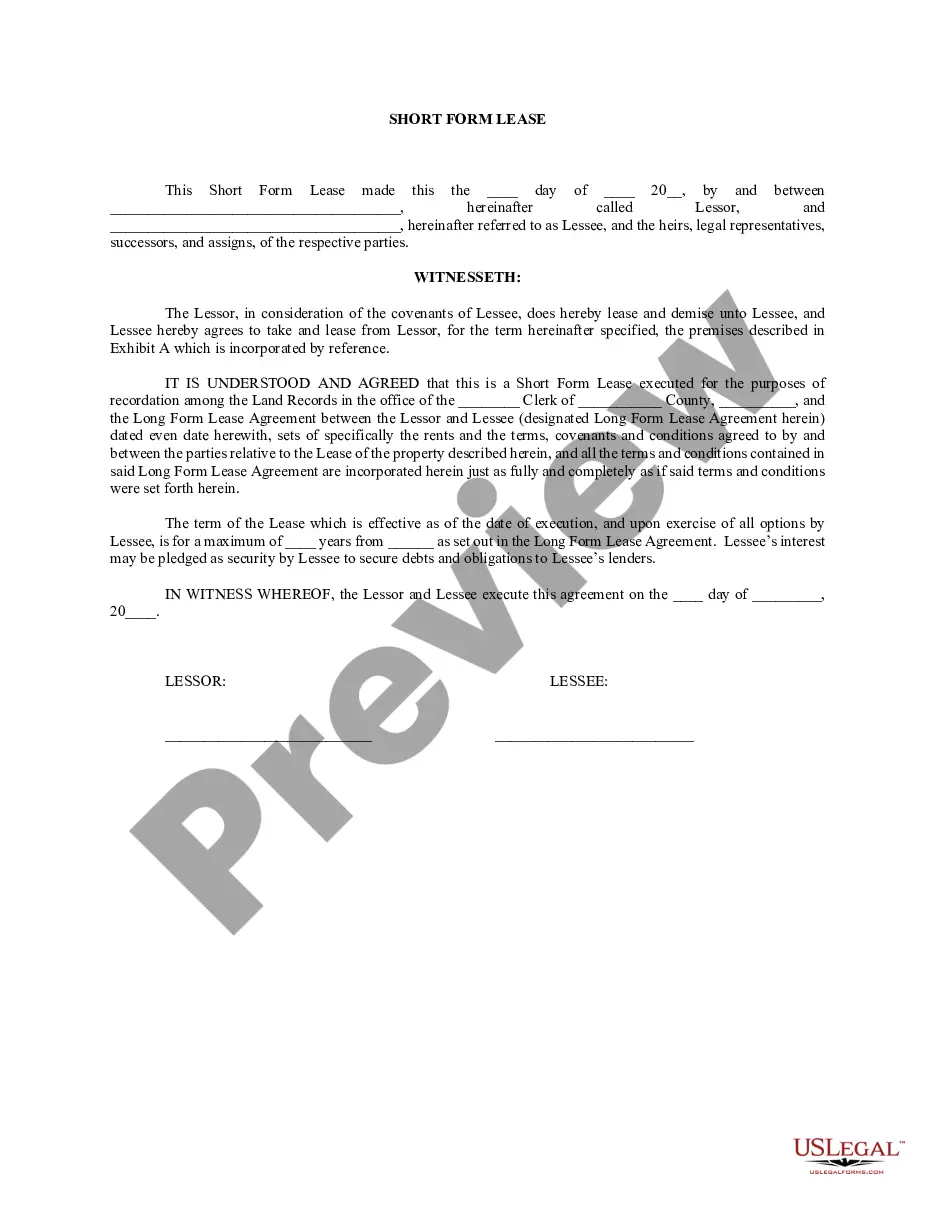
Description
Get your form ready online
Our built-in tools help you complete, sign, share, and store your documents in one place.
Make edits, fill in missing information, and update formatting in US Legal Forms—just like you would in MS Word.
Download a copy, print it, send it by email, or mail it via USPS—whatever works best for your next step.
Sign and collect signatures with our SignNow integration. Send to multiple recipients, set reminders, and more. Go Premium to unlock E-Sign.
If this form requires notarization, complete it online through a secure video call—no need to meet a notary in person or wait for an appointment.
We protect your documents and personal data by following strict security and privacy standards.

Make edits, fill in missing information, and update formatting in US Legal Forms—just like you would in MS Word.

Download a copy, print it, send it by email, or mail it via USPS—whatever works best for your next step.

Sign and collect signatures with our SignNow integration. Send to multiple recipients, set reminders, and more. Go Premium to unlock E-Sign.

If this form requires notarization, complete it online through a secure video call—no need to meet a notary in person or wait for an appointment.

We protect your documents and personal data by following strict security and privacy standards.
Looking for another form?








Form popularity
FAQ
As of August 2023, the maximum allowable annual rent increase in the Los Angeles Area is restricted to 8.8% (5% + CPI of 3.8%).
Rent increases in California If a property is not covered under rent control, a landlord can increase your rent by any amount. Starting August 2024, the maximum rent increase for both L.A. and Orange counties is 8.9%, a slight increase from last year's 8.8%.
If the tenant continues on a month-to-month basis, the landlord can also make a change by giving a 30-day notice of change of terms of tenancy.
Yes, a landlord can raise rent after a lease expires. In Orange County, they can increase the rent by 5% plus CPI or 10%—whichever is lower. Once the lease has expired, landlords must get a new, updated lease, or they may incur a variety of restrictions and enter a month-to-month tenancy.
Once we have gathered our information (i.e., we know the lease term, the lease payment, and the discount rate), we simply discount the liability over the lease term, using the discount rate. We then record the lease liability, or the resulting amount, on the balance sheet. Then, we record the lease asset.
For landlords, long-term leases limit their flexibility and ability to adjust the rents or terms to reflect the current demand or supply. They also expose them to the risk of default or bankruptcy of the tenant, which can result in lost income and legal expenses.
In summary, while there are benefits to leasing, the primary disadvantage is that you do not gain ownership or build equity over time, leading to a situation where you have ongoing payments with no eventual payoff.
Key Features of Long-Term Leases These leases typically extend beyond 5 years and can last up to 25 years or more. While these often require more front-end legal work, they offer tenants more certainty.
Disadvantages of Leasing: Lack of ownership, long-term financial commitments, and potential early termination liabilities can make leasing less favourable in some cases. Evaluate Carefully: Weigh the pros and cons of leasing to determine if it aligns with your business's financial and operational goals.