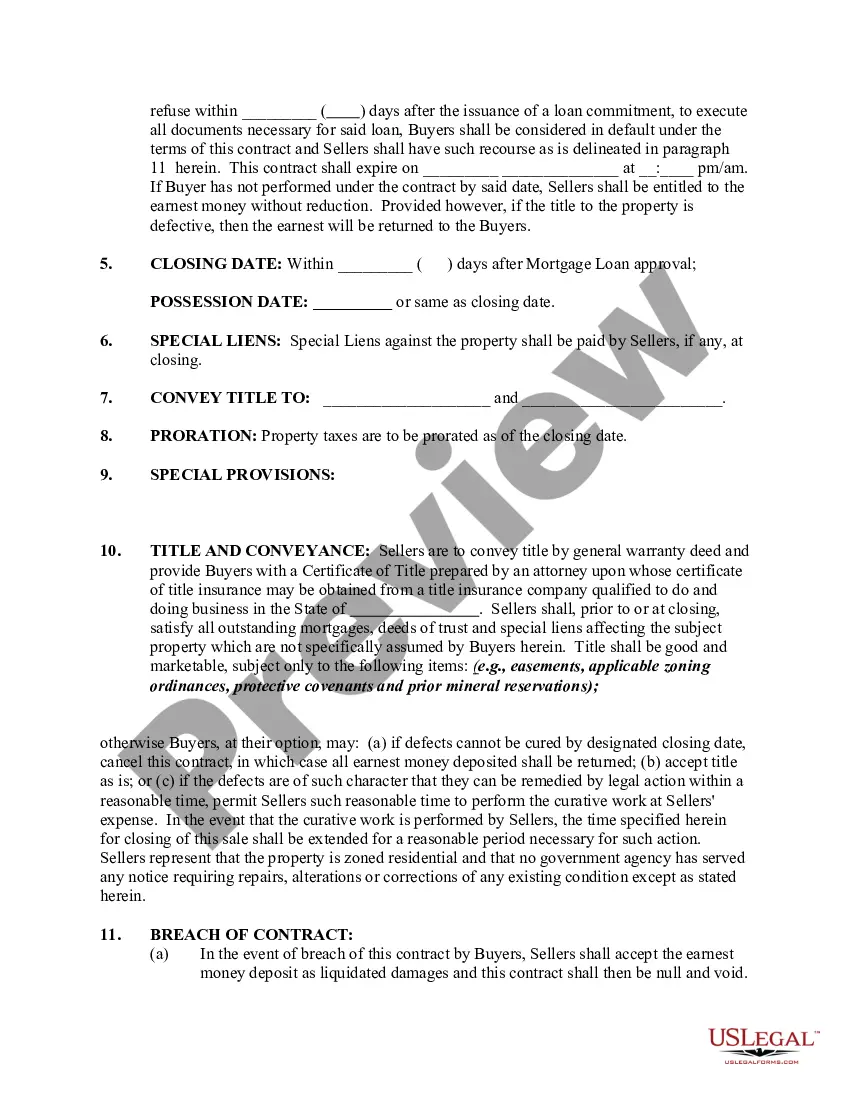
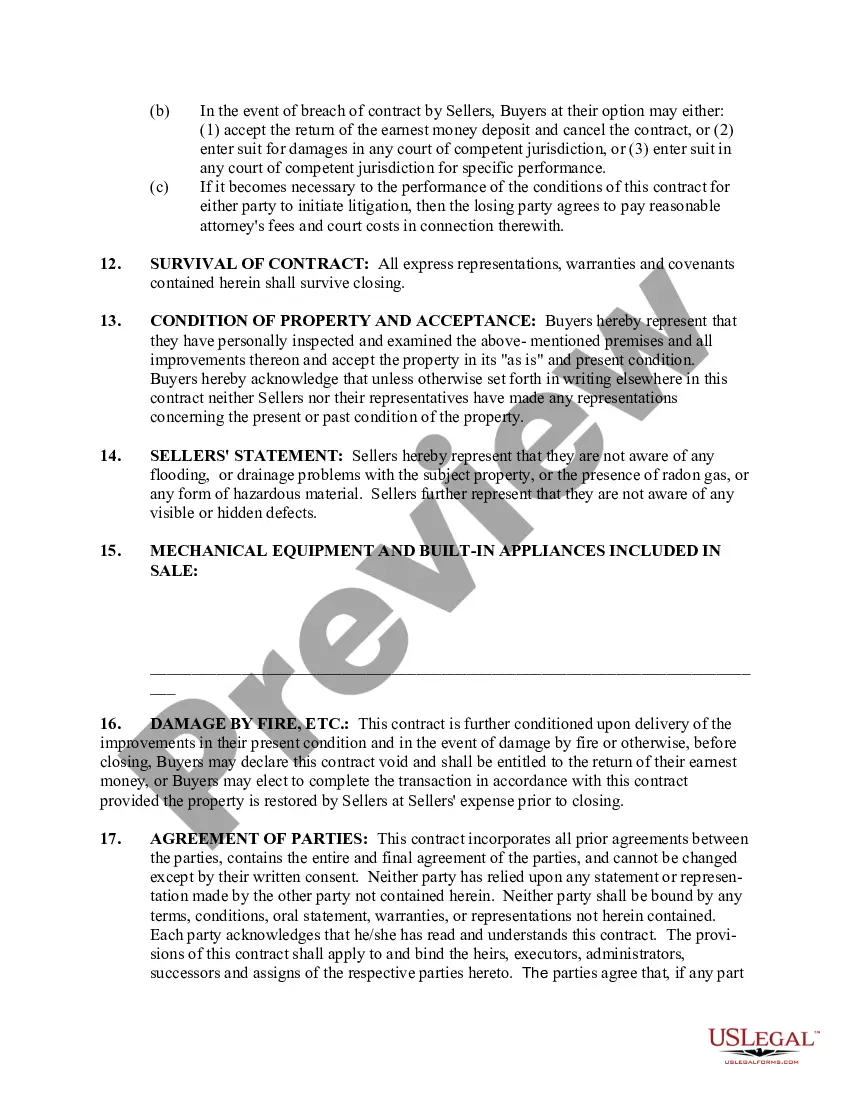
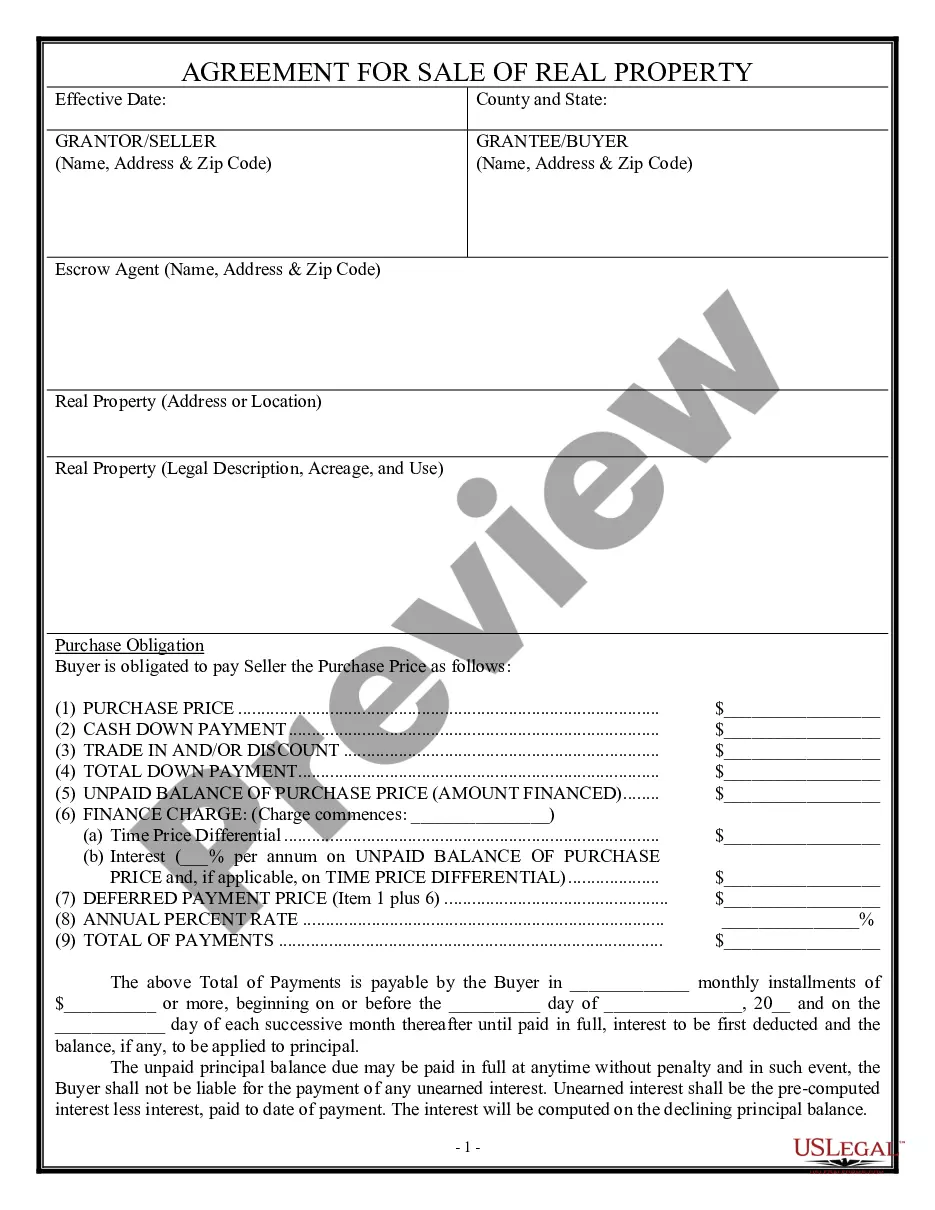
Closing Property Title For Liens In Texas
Description

Get your form ready online
Our built-in tools help you complete, sign, share, and store your documents in one place.
Make edits, fill in missing information, and update formatting in US Legal Forms—just like you would in MS Word.
Download a copy, print it, send it by email, or mail it via USPS—whatever works best for your next step.
Sign and collect signatures with our SignNow integration. Send to multiple recipients, set reminders, and more. Go Premium to unlock E-Sign.
If this form requires notarization, complete it online through a secure video call—no need to meet a notary in person or wait for an appointment.
We protect your documents and personal data by following strict security and privacy standards.

Make edits, fill in missing information, and update formatting in US Legal Forms—just like you would in MS Word.

Download a copy, print it, send it by email, or mail it via USPS—whatever works best for your next step.

Sign and collect signatures with our SignNow integration. Send to multiple recipients, set reminders, and more. Go Premium to unlock E-Sign.

If this form requires notarization, complete it online through a secure video call—no need to meet a notary in person or wait for an appointment.

We protect your documents and personal data by following strict security and privacy standards.
Looking for another form?







Form popularity
FAQ
Under ELT, when a lien has been satisfied, the lender must submit an electronic release of lien. The lienholder is then removed from the record, receives an electronic notification and a paper title is sent to the owner.
Interested persons may visit the county clerk's office where the lien is filed and examine relevant public records. Alternatively, the searches can be done online using the county clerk's online search tool (if available in the county of interest).
To remove or clear a Lien on Texas property, the person or entity claiming the Lien needs to sign a document releasing the Lien. The document is usually called a Release of Lien, Lien Release, or a Deed of Reconveyance.
In Texas, there are three ways in which a lienholder can foreclose on a property: Judicial Foreclosure. A judicial foreclosure requires the lienholder to file a civil lawsuit against the homeowner. Non-Judicial Foreclosure. Expedited Foreclosure. Court Rules.
The lien affidavit must be signed, notarized, and filed in person at the county property records office where the project is located. A copy of the lien must be mailed to the property owner and general contractor by the 5th business day after filing a lien with the county.
If the lien was recorded on a paper title, the lienholder mails the title to you. If your lien was recorded electronically, the title record is maintained electronically by TxDMV and the lienholder notifies you the lien has been removed.
Vehicles are required to be titled in the buyer's name within 30 days from the date of sale. Failing to properly transfer a vehicle into the buyer's name could result in the seller being held responsible for tickets, toll violations or even crimes committed with the vehicle.
This document is the heart of your lien. It must detail the work done or materials provided. ItMoreThis document is the heart of your lien. It must detail the work done or materials provided. It should also State the outstanding amount remember Precision is your friend here.
