Closure Any Property For Division In Santa Clara
Description

Get your form ready online
Our built-in tools help you complete, sign, share, and store your documents in one place.
Make edits, fill in missing information, and update formatting in US Legal Forms—just like you would in MS Word.
Download a copy, print it, send it by email, or mail it via USPS—whatever works best for your next step.
Sign and collect signatures with our SignNow integration. Send to multiple recipients, set reminders, and more. Go Premium to unlock E-Sign.
If this form requires notarization, complete it online through a secure video call—no need to meet a notary in person or wait for an appointment.
We protect your documents and personal data by following strict security and privacy standards.

Make edits, fill in missing information, and update formatting in US Legal Forms—just like you would in MS Word.

Download a copy, print it, send it by email, or mail it via USPS—whatever works best for your next step.

Sign and collect signatures with our SignNow integration. Send to multiple recipients, set reminders, and more. Go Premium to unlock E-Sign.

If this form requires notarization, complete it online through a secure video call—no need to meet a notary in person or wait for an appointment.

We protect your documents and personal data by following strict security and privacy standards.
Looking for another form?

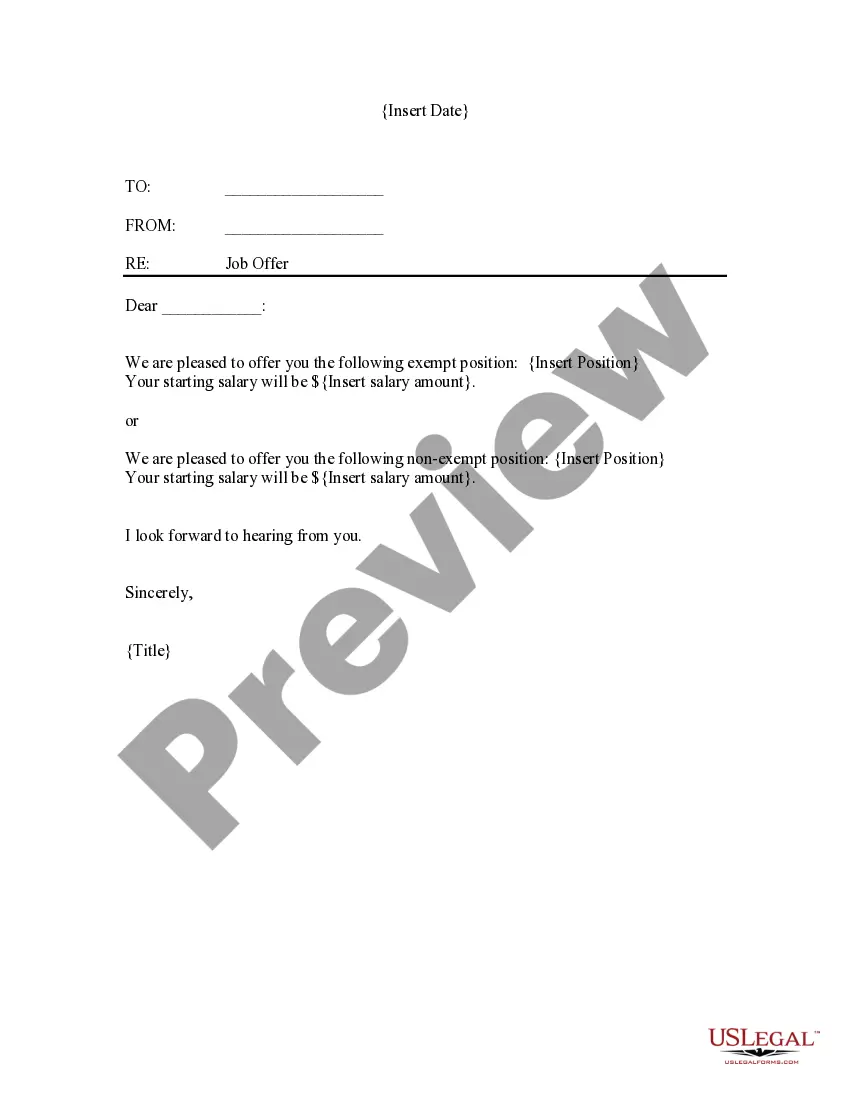
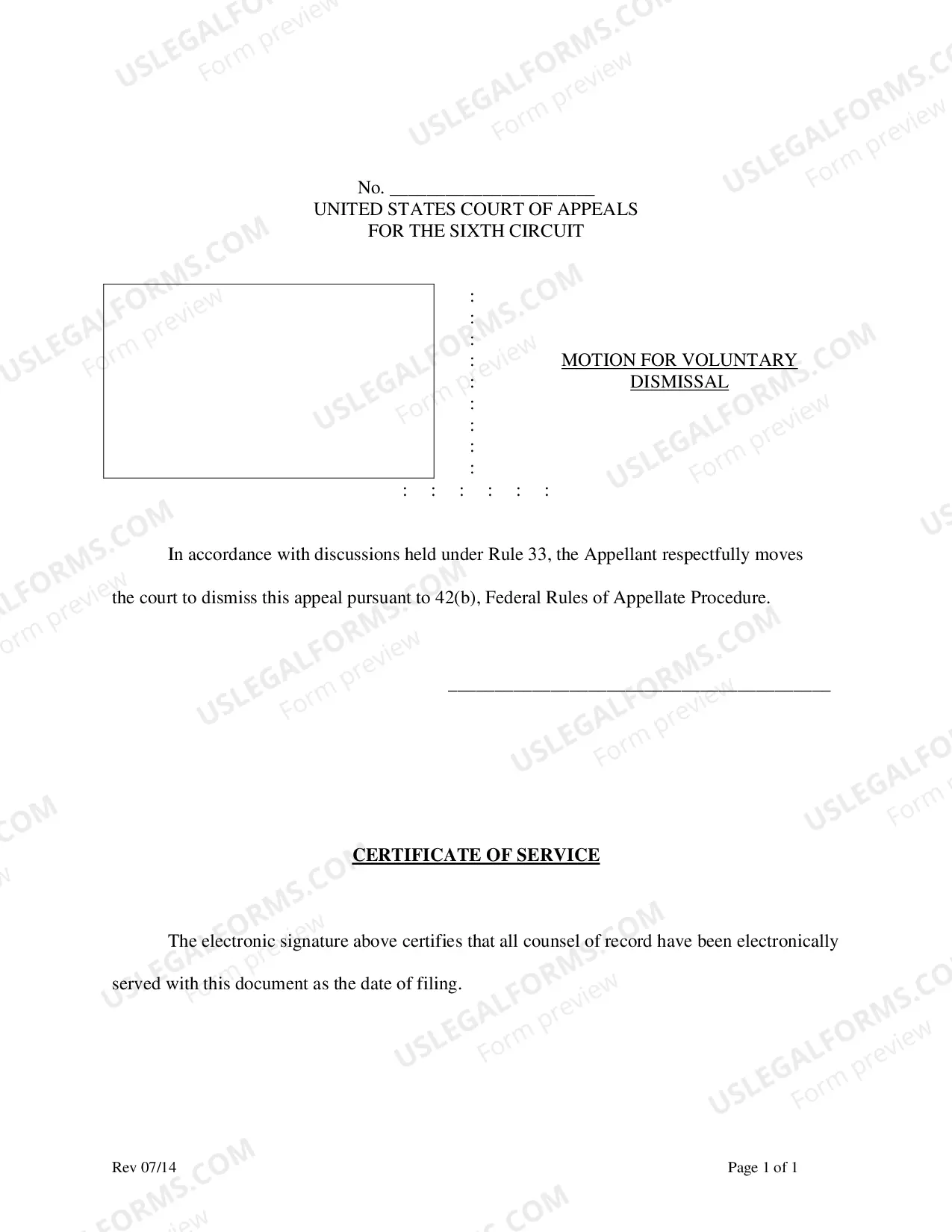
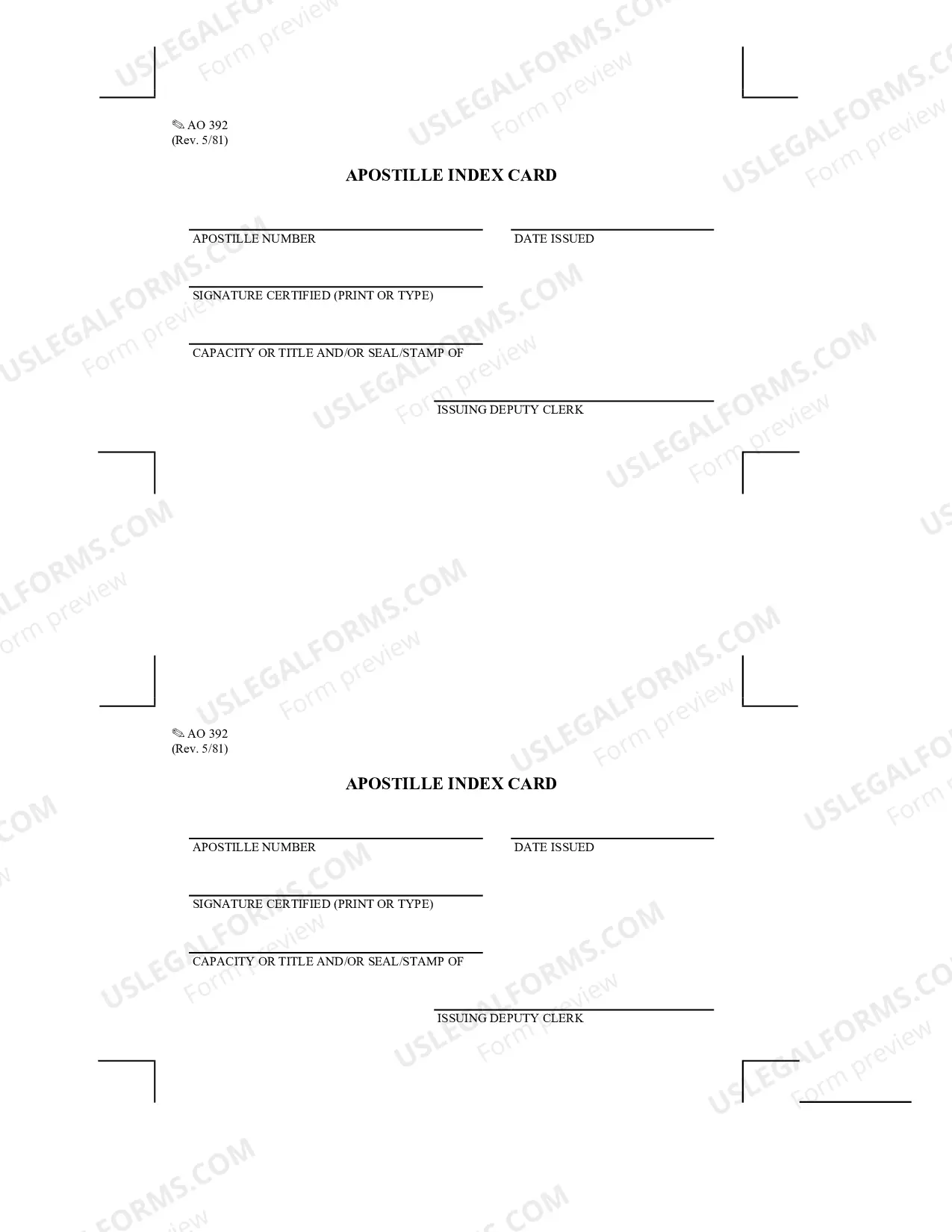
Form popularity
FAQ
A lot line adjustment is the process that is used to alter property lines of existing parcels. The process can be used to do a number of things, such as: alter the boundary between two (2) parcels, or reconfigure the shapes of parcels.
Your clients wish to enter into a lot line adjustment so that the residential property and the new lot are one property. In California, property may only be reassessed upon a change in ownership or upon the completion of new construction.
The lot line adjustment procedure authorizes property line(s) between four or fewer existing adjoining legal parcels to be altered so long as no additional parcels are created and all other state and local requirements are met.
A Lot Line Adjustment is a procedure that may be used under certain specified circumstances as a method for making minor revisions to property lines between two or more existing building sites. The Lot Line Adjustment is not a procedure for subdividing property (County of Orange Subdivision Manual Subarticle 16.1).
For single-family residential properties, fences are generally limited to three (3) feet in height in the required front yard or street. Behind the required front yards and corner street side yards, fences are generally limited to six (6) feet in height with one (1) foot of open/non-solid lattice material on top.
Smoking is banned in enclosed public spaces and places of work, with some exemptions. There is a legal duty for you to display a legible no-smoking sign where it can be seen by customers and staff.
Where can you smoke a cigarette legally in California? In your home or condo that you own. Apartments are subject to landlord rules. There are also laws in many areas about how close to buildings, windows, doorways, etc.
040 Prohibition of smoking in enclosed public places and places of employment. Except as otherwise provided in SCCC 8.35. 060, smoking shall be prohibited in all enclosed public places and places of employment within the City of Santa Clara, including, but not limited to, the following places.
Up to now, San Jose has only prohibited smoking in publicly accessible and common areas of multifamily housing. The new ban, ing to The Mercury News, would: Outlaw any smoking— cigarettes, cigars, e-cigarettes, vapes and cannabis products — inside the majority of multifamily housing complexes within the city.