Closing Property Title With Deed In San Diego
Description

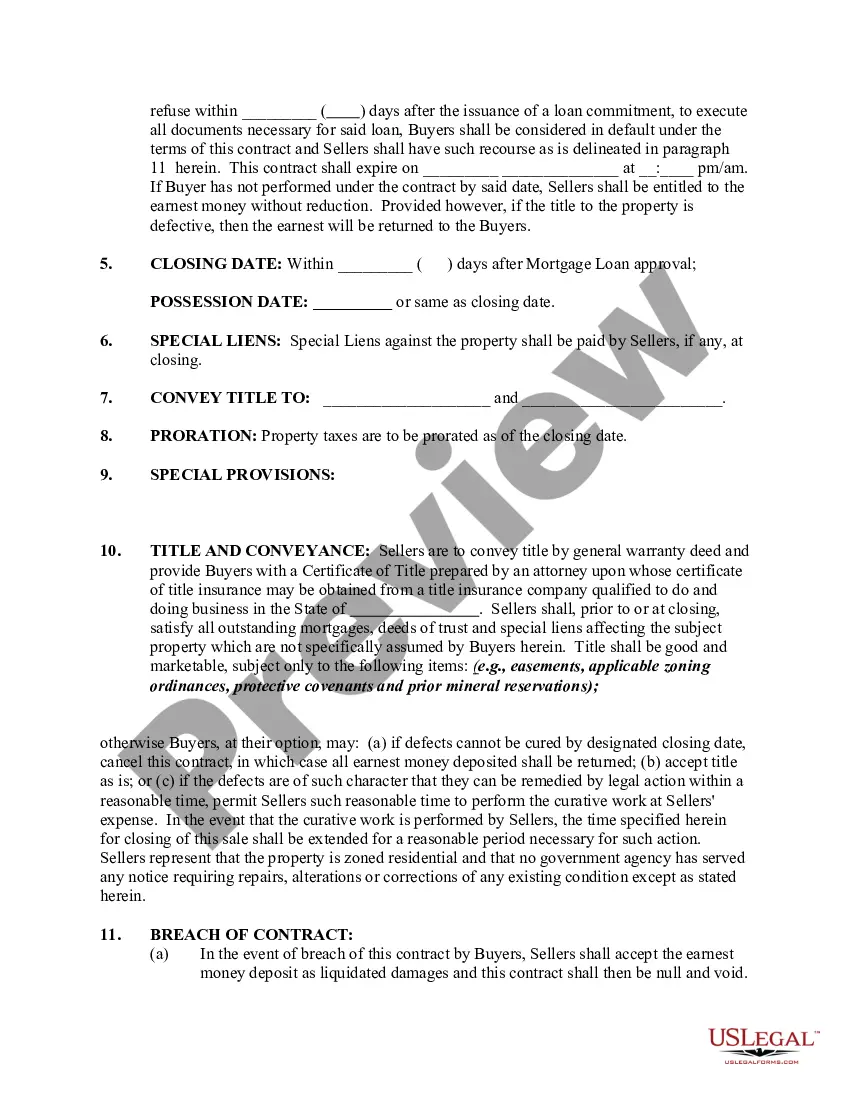
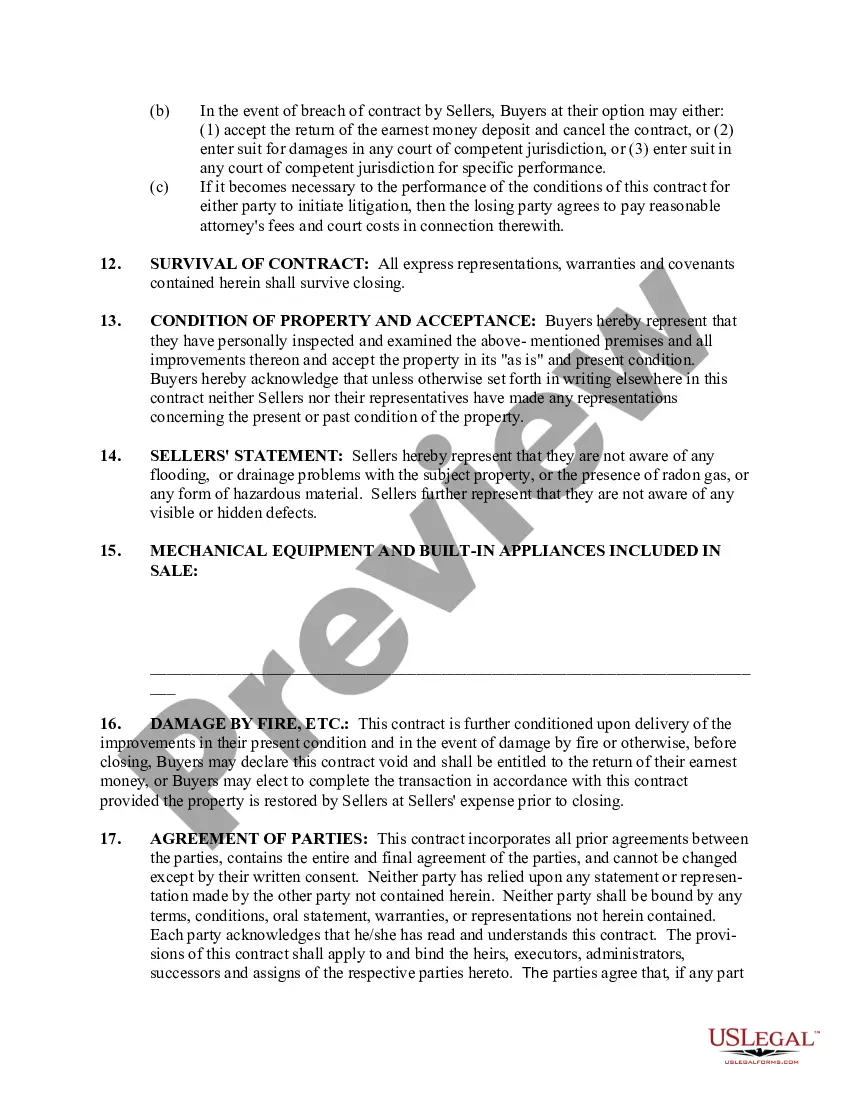
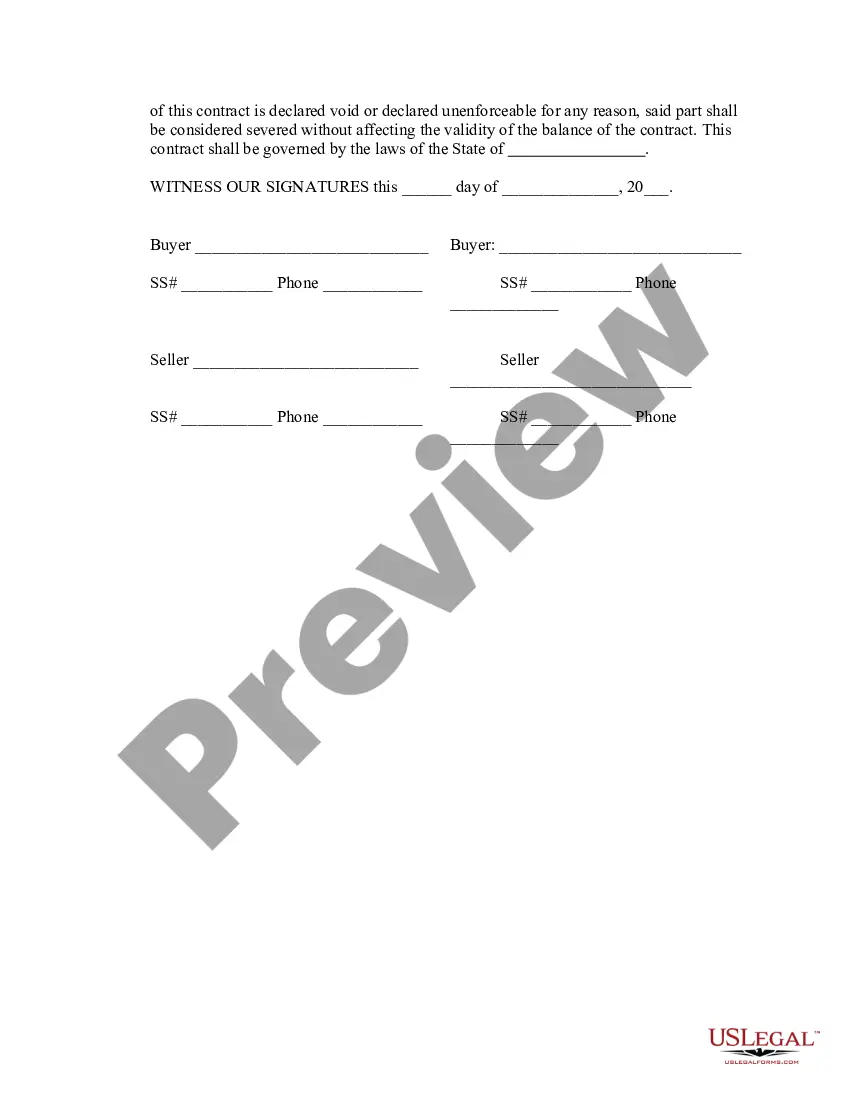
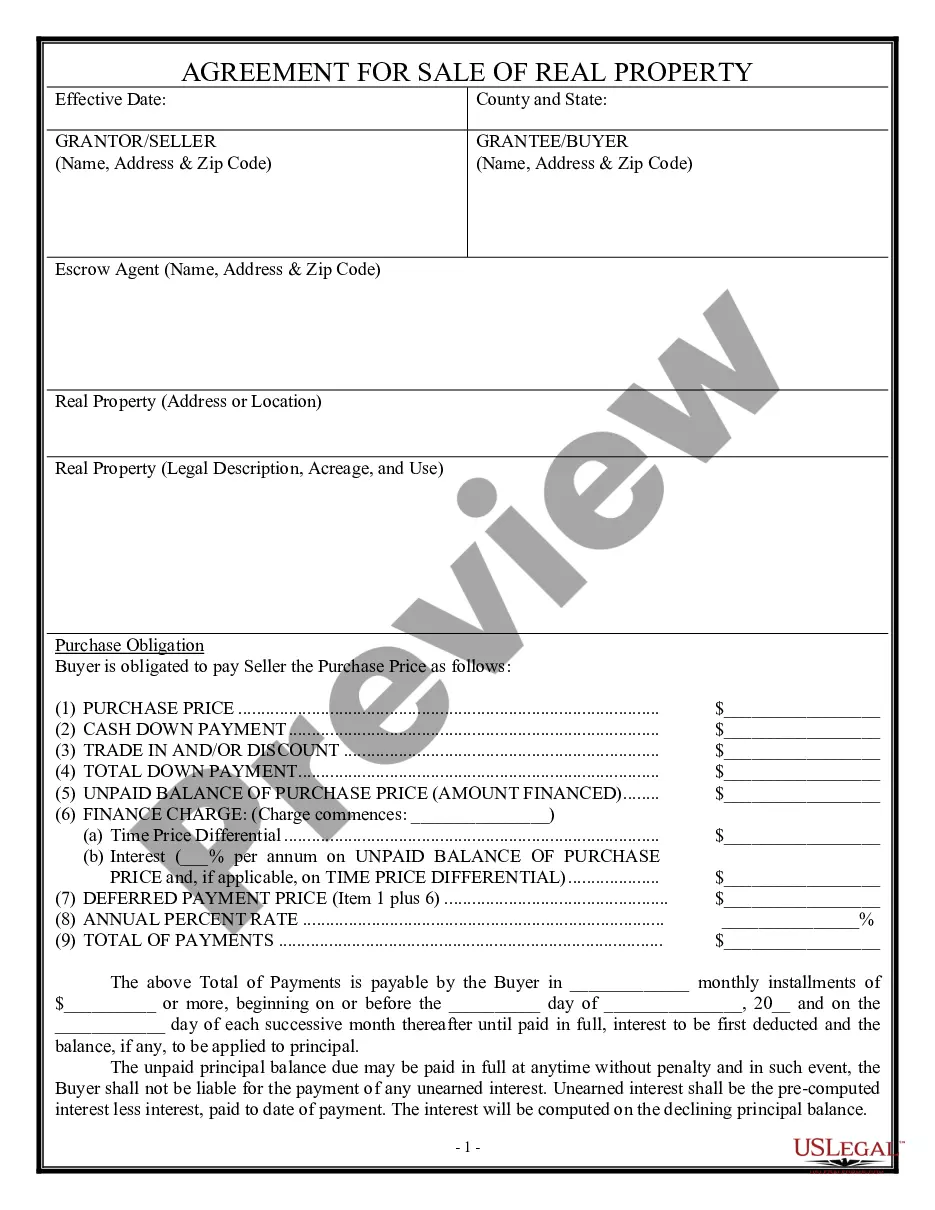
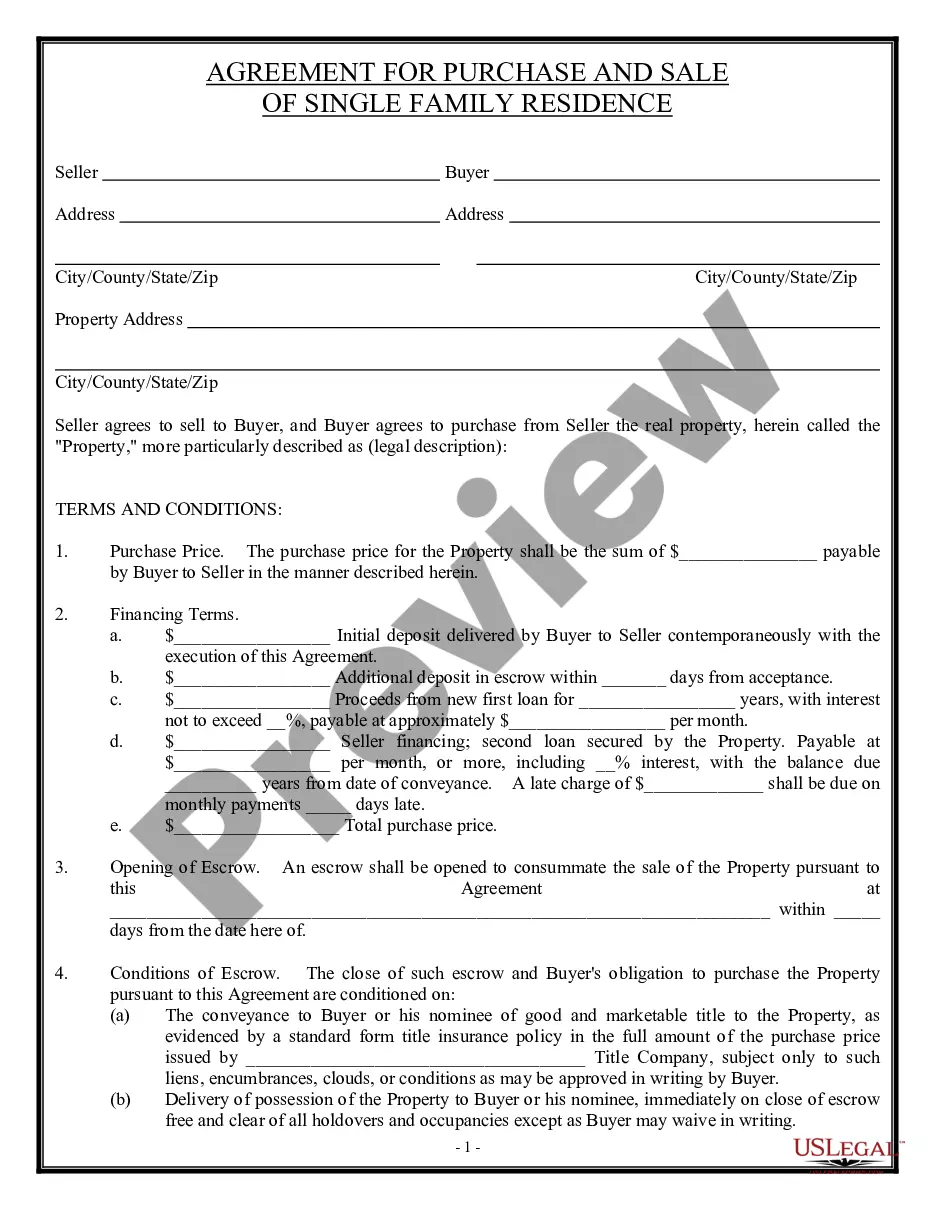
Get your form ready online
Our built-in tools help you complete, sign, share, and store your documents in one place.
Make edits, fill in missing information, and update formatting in US Legal Forms—just like you would in MS Word.
Download a copy, print it, send it by email, or mail it via USPS—whatever works best for your next step.
Sign and collect signatures with our SignNow integration. Send to multiple recipients, set reminders, and more. Go Premium to unlock E-Sign.
If this form requires notarization, complete it online through a secure video call—no need to meet a notary in person or wait for an appointment.
We protect your documents and personal data by following strict security and privacy standards.

Make edits, fill in missing information, and update formatting in US Legal Forms—just like you would in MS Word.

Download a copy, print it, send it by email, or mail it via USPS—whatever works best for your next step.

Sign and collect signatures with our SignNow integration. Send to multiple recipients, set reminders, and more. Go Premium to unlock E-Sign.

If this form requires notarization, complete it online through a secure video call—no need to meet a notary in person or wait for an appointment.

We protect your documents and personal data by following strict security and privacy standards.
Looking for another form?







Form popularity
FAQ
The Difference Between A House Title Vs. The biggest difference between a title and a deed is the physical component. A deed is an official written document declaring a person's legal ownership of a property, while a title is a legal concept that refers to ownership rights.
The key difference between a deed and title is that a deed is a legal document that transfers ownership of property, while a title is the concept of ownership itself. In other words, a deed is the written instrument used to convey title from one party to another.
In California: “An unrecorded instrument is valid as between the parties thereto and those who have notice thereof.” Code § 1217 However, the absence of a recorded deed can lead to several legal and practical complications.
Property ownership information can be requested from the County Registrar-Recorder/County Clerk. For more information, please visit their website to Request a Real Estate Record.
It should take between 14 and 90 days for you to receive a deed recorded properly. That might seem a long time to wait, especially if you're doing it for the first time.
To have copies of recorded documents such as deeds, liens, and others mailed to you, go to the Official Records Index.
Property Tax Statement: Tax statements are the best form of current proof of ownership, and in most cases, the easiest to obtain. If the tax statement does not list a physical street address, supporting documentation from the documentation types shown below can be utilized to obtain a physical address.
A property deed is a legal document that proves ownership of a property. In California, property deeds are typically filed with the county recorder's office where the property is located. If you need a copy of your property deed. You can obtain one by contacting the county recorder's office and requesting a copy.
A stamped grant deed filed with the county recorder (It shouldn't be handwritten) The grant Deed must show the instrument number and the unit's address. The assessor's property tax statement (the copy must indicate the property's address and name of its owner)
