Closure Any Property For Division In San Antonio
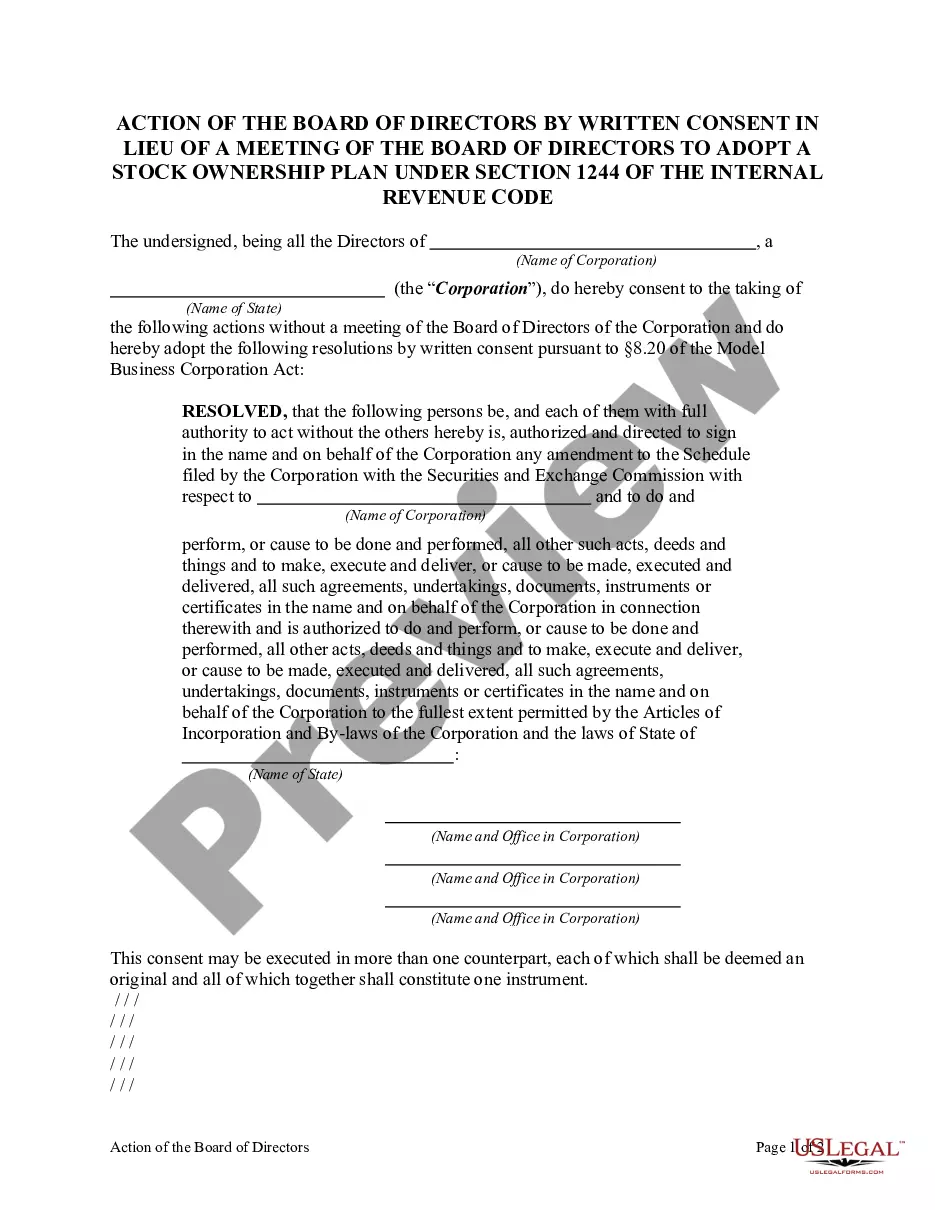
Description




Get your form ready online
Our built-in tools help you complete, sign, share, and store your documents in one place.
Make edits, fill in missing information, and update formatting in US Legal Forms—just like you would in MS Word.
Download a copy, print it, send it by email, or mail it via USPS—whatever works best for your next step.
Sign and collect signatures with our SignNow integration. Send to multiple recipients, set reminders, and more. Go Premium to unlock E-Sign.
If this form requires notarization, complete it online through a secure video call—no need to meet a notary in person or wait for an appointment.
We protect your documents and personal data by following strict security and privacy standards.

Make edits, fill in missing information, and update formatting in US Legal Forms—just like you would in MS Word.

Download a copy, print it, send it by email, or mail it via USPS—whatever works best for your next step.

Sign and collect signatures with our SignNow integration. Send to multiple recipients, set reminders, and more. Go Premium to unlock E-Sign.

If this form requires notarization, complete it online through a secure video call—no need to meet a notary in person or wait for an appointment.

We protect your documents and personal data by following strict security and privacy standards.
Looking for another form?







Form popularity
FAQ
If the division of two numbers from a set always produces a number in the set, we have closure under division. The set of whole numbers are not closed under division, and the set of integers are not closed under division because they both produce fractions.
To make a report for Code Enforcement, please contact the 311 Call Center 311 or (210) 207-6000. 311 is available seven days a week from 7am-7pm and 8am-5pm on holidays. You may also view a listing of online services here.
The division property of equality means when both sides of an equation are divided by the same number, the equation will remain true. The divisor cannot be zero, and must be the same on both sides of the equal sign in order for this property to hold true.
Closure property states that any operation conducted on elements within a set gives a result which is within the same set of elements. Integers are either positive, negative or zero. They are whole and not fractional. Integers are closed under addition.
The major Properties of Integers are: Closure Property. Associative Property. Commutative Property. Distributive Property. Additive Inverse Property. Multiplicative Inverse Property. Identity Property.
The closure property of the division tells that the result of the division of two whole numbers is not always a whole number. Whole numbers are not closed under division i.e., a ÷ b is not always a whole number. From the property, we have, 14 ÷ 7 = 2 (whole number) but 7 ÷ 14 = ½ (not a whole number).
