Closing Property Title For Married Couple In San Antonio
Description

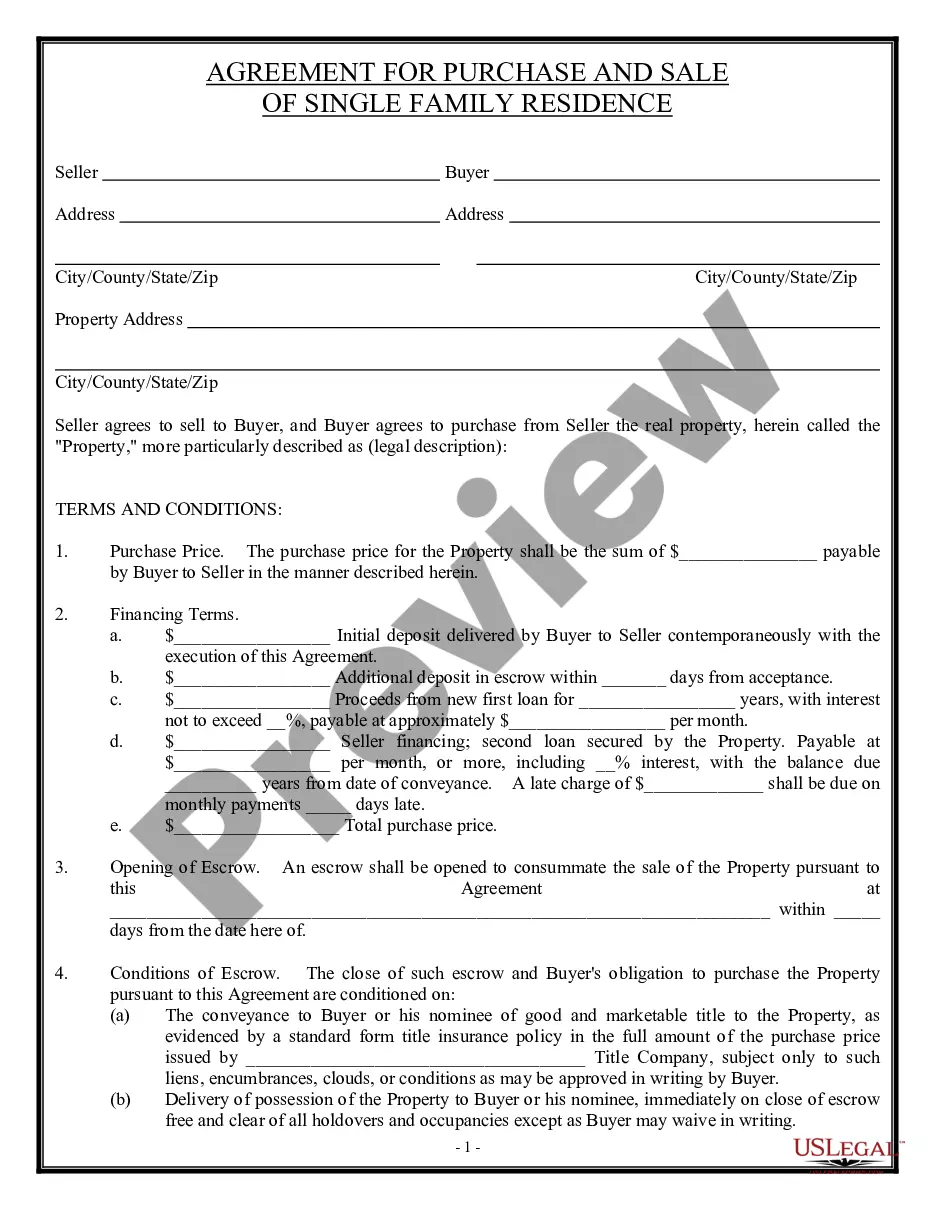
Get your form ready online
Our built-in tools help you complete, sign, share, and store your documents in one place.
Make edits, fill in missing information, and update formatting in US Legal Forms—just like you would in MS Word.
Download a copy, print it, send it by email, or mail it via USPS—whatever works best for your next step.
Sign and collect signatures with our SignNow integration. Send to multiple recipients, set reminders, and more. Go Premium to unlock E-Sign.
If this form requires notarization, complete it online through a secure video call—no need to meet a notary in person or wait for an appointment.
We protect your documents and personal data by following strict security and privacy standards.

Make edits, fill in missing information, and update formatting in US Legal Forms—just like you would in MS Word.

Download a copy, print it, send it by email, or mail it via USPS—whatever works best for your next step.

Sign and collect signatures with our SignNow integration. Send to multiple recipients, set reminders, and more. Go Premium to unlock E-Sign.

If this form requires notarization, complete it online through a secure video call—no need to meet a notary in person or wait for an appointment.

We protect your documents and personal data by following strict security and privacy standards.
Looking for another form?






Form popularity
FAQ
In Texas, both names should be on the deed. BUT even if one spouse is listed it does not mean that the other spouse could be legal co-owner of the property. It could be community property in Texas.
For instance, if you're married, the most common way to title your home is Tenancy by the Entirety (TBE). That endows survivorship rights, some creditor protection, and allows for transfers only with the consent of both spouses.
In a joint tenancy, when one owner dies, their share of the property passes to the decedent's heirs or the persons named in the decedent's will. In a joint tenancy with right of survivorship, when an owner dies, their share of the property goes to the other owners.
Each spouse owns a one-half undivided interest in the community property (in other words, they own it 50/50). Texas does not care how a married couple takes title to the property–whether they put a house, bank account, or car in one spouse's name, or both.
The process to add your spouse to your property title takes a few simple steps: New General Warranty Deed. Have a new General Warranty Deed prepared. Sign and notarize the deed. File the deed. Mail or take the original, signed and notarized, deed to the county clerk's office for recording.
Tenancy by the entirety refers to a form of shared property ownership that is usually reserved only for married couples. A tenancy by the entirety permits spouses to jointly own property as a single legal entity. This means that each spouse has an equal and undivided interest in the property.
The Consent Requirement for Selling Property With Texas being a community property state, both spouses' signatures are more than just a formality; they're a legal necessity. Attempting to sell property without consent can have serious legal implications.
A common misconception is that the spouse is required to sign because of the Texas community property rules. It is important to understand that it is not community property rules that require a spouse to consent at closing unless the property was acquired while the spouses were married.
