Sell Closing Property Without Consent In Sacramento
Description

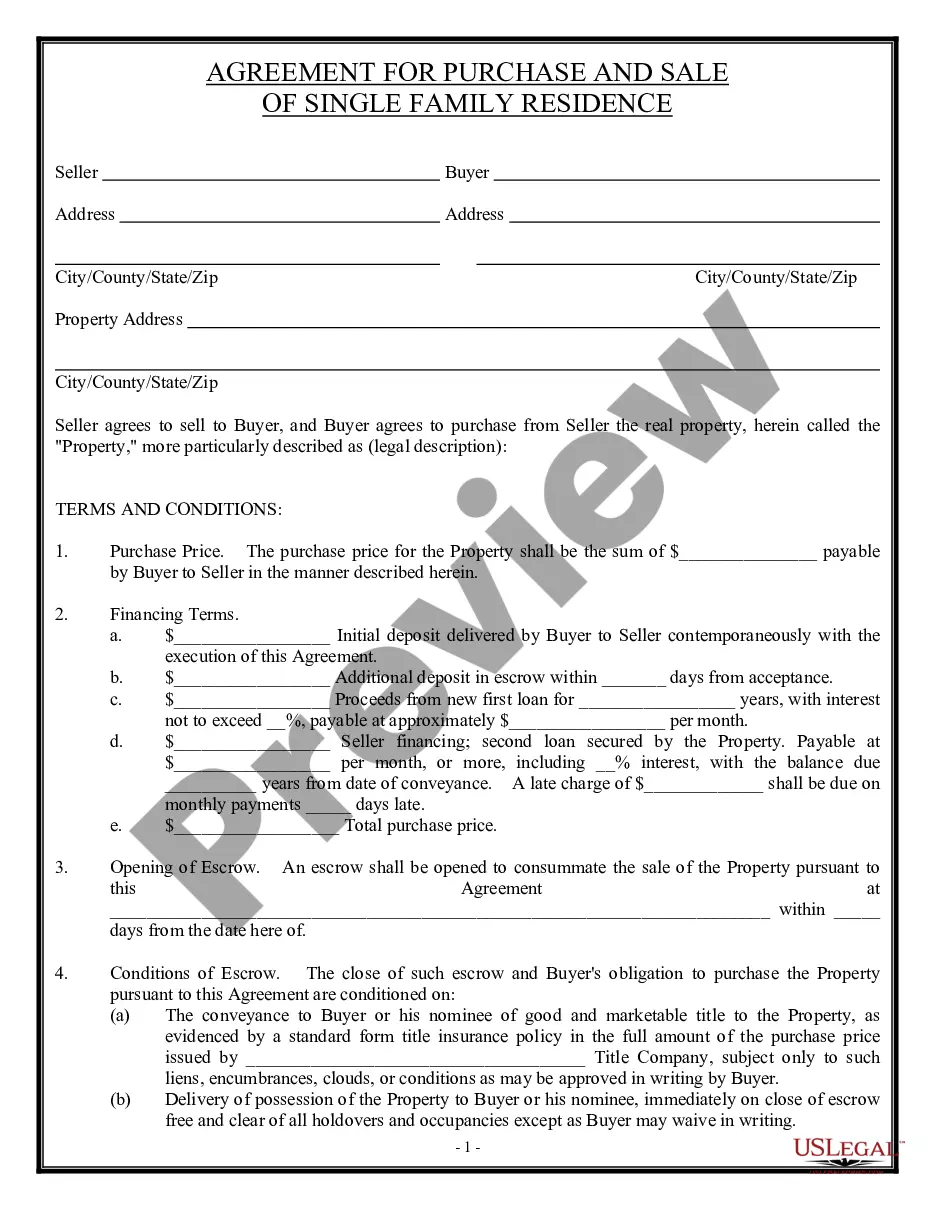
Get your form ready online
Our built-in tools help you complete, sign, share, and store your documents in one place.
Make edits, fill in missing information, and update formatting in US Legal Forms—just like you would in MS Word.
Download a copy, print it, send it by email, or mail it via USPS—whatever works best for your next step.
Sign and collect signatures with our SignNow integration. Send to multiple recipients, set reminders, and more. Go Premium to unlock E-Sign.
If this form requires notarization, complete it online through a secure video call—no need to meet a notary in person or wait for an appointment.
We protect your documents and personal data by following strict security and privacy standards.

Make edits, fill in missing information, and update formatting in US Legal Forms—just like you would in MS Word.

Download a copy, print it, send it by email, or mail it via USPS—whatever works best for your next step.

Sign and collect signatures with our SignNow integration. Send to multiple recipients, set reminders, and more. Go Premium to unlock E-Sign.

If this form requires notarization, complete it online through a secure video call—no need to meet a notary in person or wait for an appointment.

We protect your documents and personal data by following strict security and privacy standards.
Looking for another form?









Form popularity
FAQ
A grant deed is a document that transfers the title of real property from one individual to another. Because of the regulations and demands that the state of California poses, it's best to seek expert legal counsel to draft your grant deed.
California law doesn't require the buyer and seller to physically come together at the closing table or to ever deal with each other face to face. Buyers and sellers in California are often represented by their own real estate brokers and agents, who communicate with each other on their clients' behalf.
How to fill out the Grant Deed Form Instructions for California? Enter the names of the grantor(s) and grantee(s). Fill in the property details including APN and address. Complete the documentary transfer tax section carefully. Sign the document in front of a notary public.
The deed must include the legal description of the property, including street address, boundaries, natural landmarks, and tax parcel number. Any property restrictions should also be clearly mentioned. A granting clause. Must clearly state the grantor's interest to sell or transfer property to the grantee.
Examples of material facts that must be disclosed include structural problems with the house, soil problems, a leaking roof, unpermitted construction, neighborhood noise problems, and anything else that a buyer would deem to be important.
How to fill out the Grant Deed Form Instructions for California? Enter the names of the grantor(s) and grantee(s). Fill in the property details including APN and address. Complete the documentary transfer tax section carefully. Sign the document in front of a notary public.
You're not required to hire a real estate agent to sell your home in California. But selling without one involves a lot of work and a big time commitment. While selling by owner spares you from paying the commission of a seller's agent, you'll still be responsible for the buyer's agent's commission.
If you wish to remove someone from a deed, you will need their consent. This can be done by recording a new deed, which will require their signature. If the person in question is deceased, you will need their death certificate and a notarized affidavit along with the new deed.
One spouse should ask the court to issue an order allowing for the sale, and it would be highly unusual for the court to deny the request even if the other spouse objects to the sale. So when the home equity is in danger, then one spouse can probably force the sale of the house.
You're not required to work with an agent. There is no law that says California home buyers must be represented by a real estate professional. Many buyers choose to navigate the process on their own, and for a variety of reasons.
