Closing Property Title Without Paying Taxes In Sacramento
Description

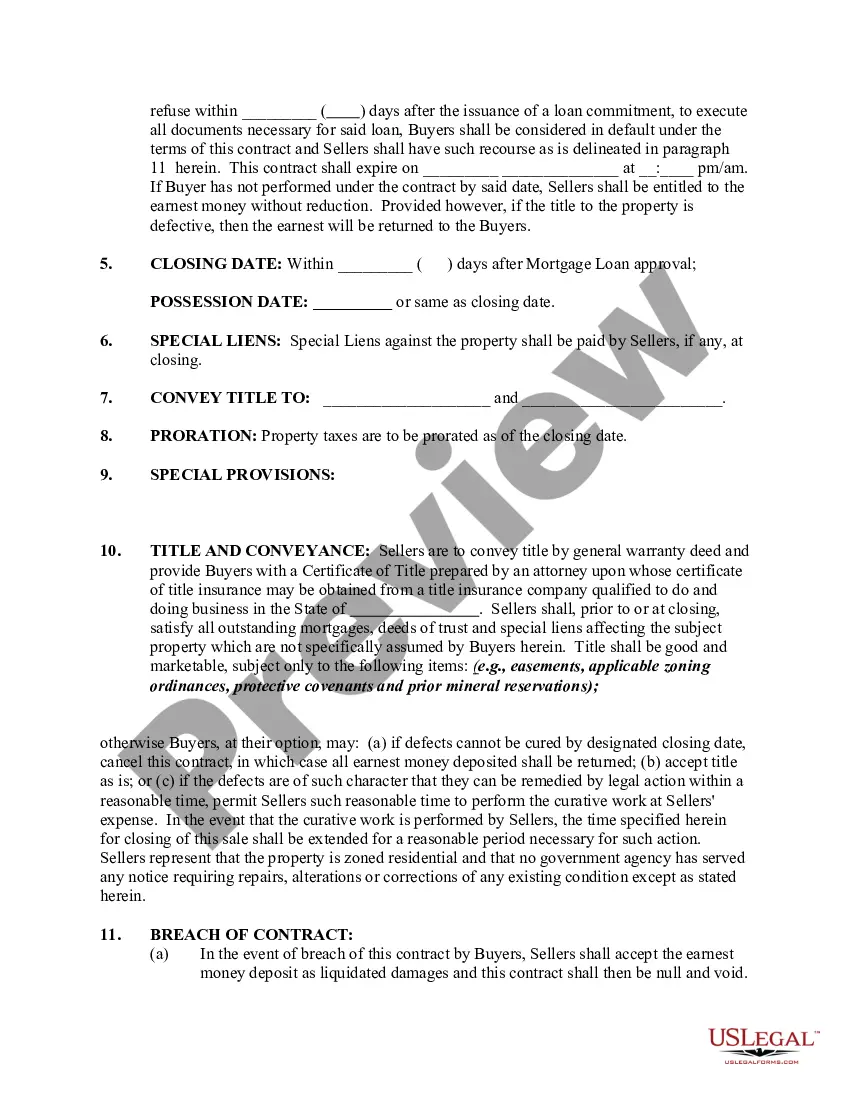
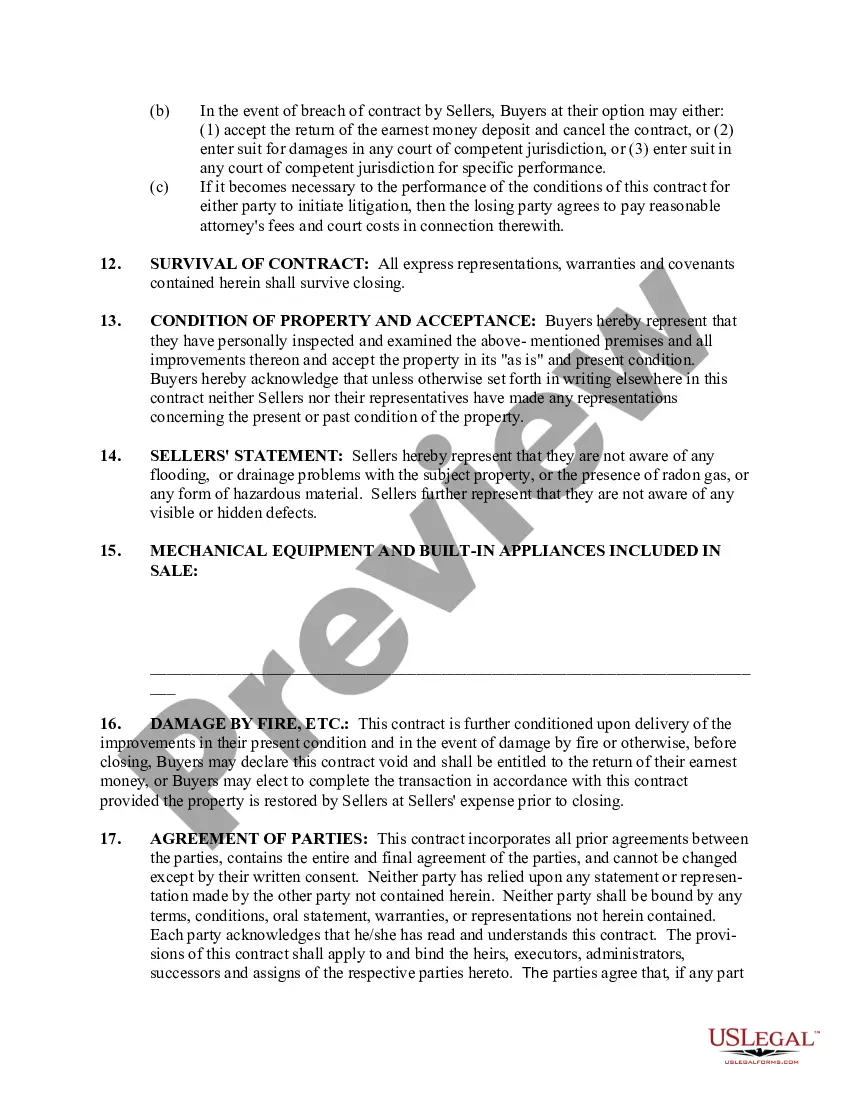
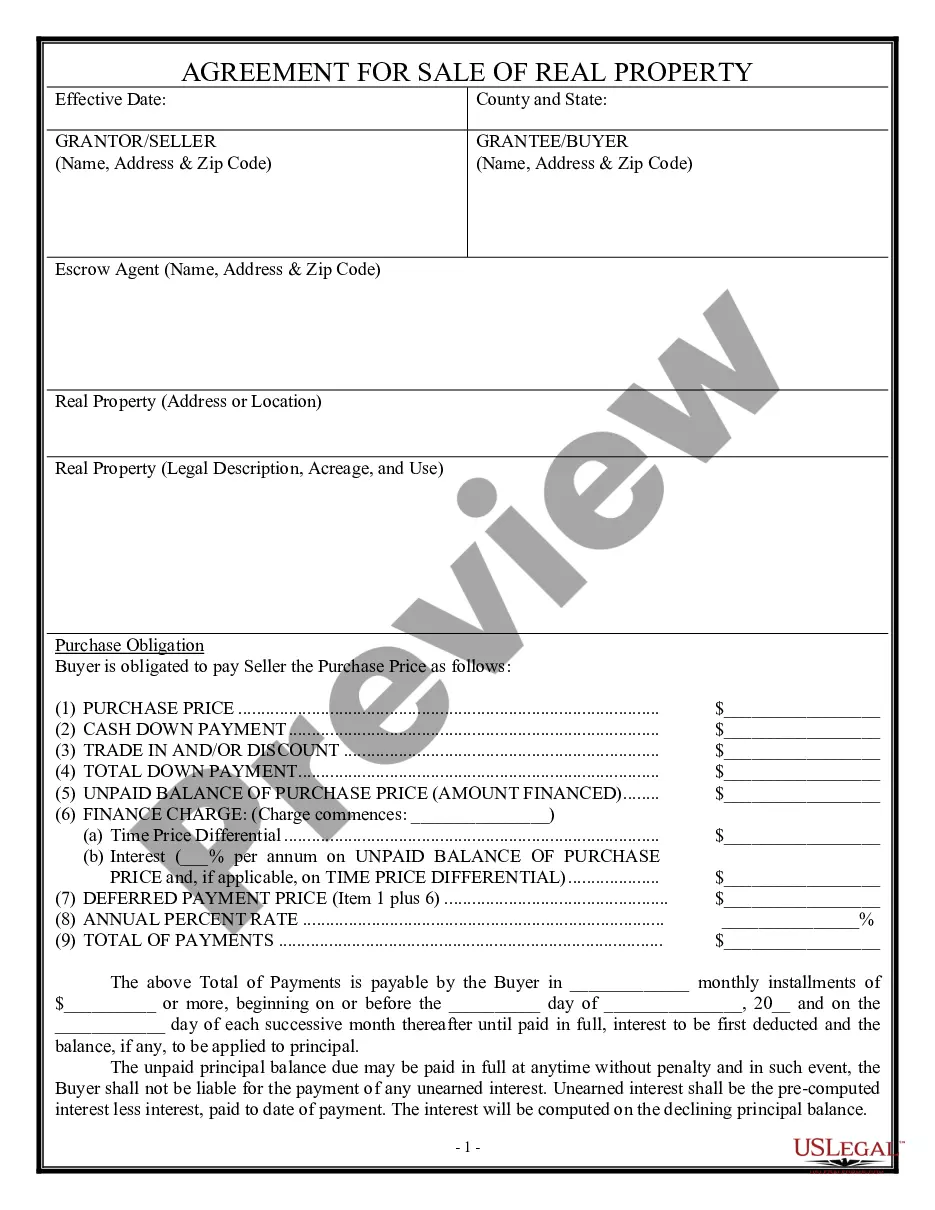
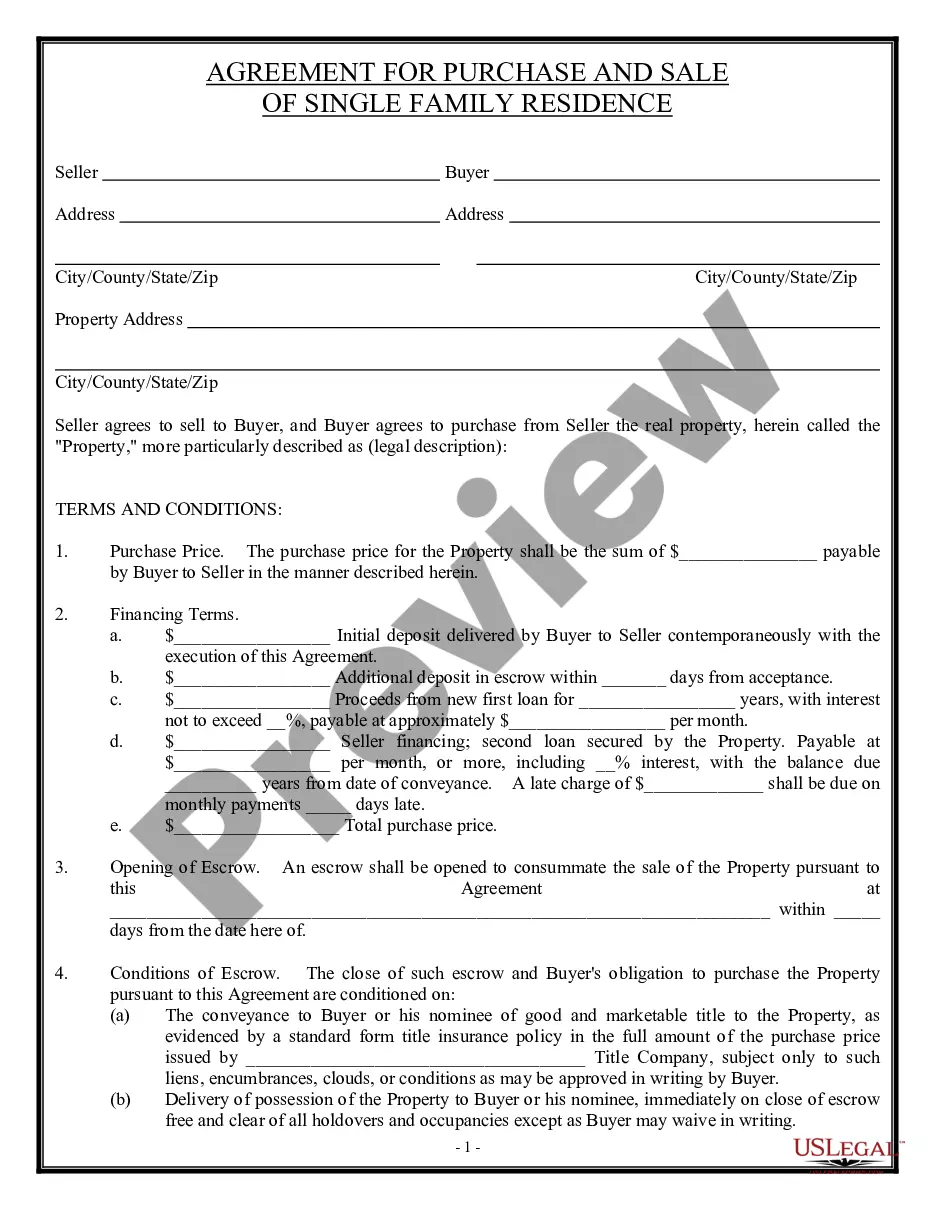
Get your form ready online
Our built-in tools help you complete, sign, share, and store your documents in one place.
Make edits, fill in missing information, and update formatting in US Legal Forms—just like you would in MS Word.
Download a copy, print it, send it by email, or mail it via USPS—whatever works best for your next step.
Sign and collect signatures with our SignNow integration. Send to multiple recipients, set reminders, and more. Go Premium to unlock E-Sign.
If this form requires notarization, complete it online through a secure video call—no need to meet a notary in person or wait for an appointment.
We protect your documents and personal data by following strict security and privacy standards.

Make edits, fill in missing information, and update formatting in US Legal Forms—just like you would in MS Word.

Download a copy, print it, send it by email, or mail it via USPS—whatever works best for your next step.

Sign and collect signatures with our SignNow integration. Send to multiple recipients, set reminders, and more. Go Premium to unlock E-Sign.

If this form requires notarization, complete it online through a secure video call—no need to meet a notary in person or wait for an appointment.

We protect your documents and personal data by following strict security and privacy standards.
Looking for another form?
Form popularity
FAQ
No. Legal title to a tax-defaulted property subject to the Tax Collector's power to sell can only be obtained by becoming the successful bidder at the county tax sale. Paying the outstanding property taxes on such property will only benefit the current owner.
The home must have been the principal place of residence of the owner on the lien date, January 1st. To claim the exemption, the homeowner must make a one-time filing with the county assessor where the property is located.
You do not have to report the sale of your home if all of the following apply: Your gain from the sale was less than $250,000. You have not used the exclusion in the last 2 years. You owned and occupied the home for at least 2 years.
So long as the individuals and the legal entity have the same proportional ownership interests, the real property will not be reassessed when transferred to or from the entity or the individual. A and B can transfer property owned by them 50/50 to an LLC owned by them 50/50 without reassessment.
Prop. 19 would eliminate a loophole that has allowed the children and grandchildren of original property owners to avoid paying market-value taxes on a property that is not their primary residence.
Under California law, repairs or basic remodeling work are generally not considered subject to reassessment (e.g. fixing a roof, carpeting, cabinets, windows, or countertops), assuming no new square footage or fixtures are added. However, new construction is assessable and can increase your property tax base.
Transfers that will trigger a reassessment: Change in Ownership: Purchases and non-primary residence transfers among friends or family.
The $1 million exclusion applies separately to each eligible transferor. Transfers may be result of a sale, gift, or inheritance. A transfer via a trust also qualifies for this exclusion. For property tax purposes, we look through the trust to the present beneficial owner.
Any remitter (individual, business entity, trust, estate, or REEP) who withheld on the sale/transfer of California real property must file Form 593 to report the amount withheld. If this is an installment sale payment after escrow closed, the buyer/transferee is the responsible person.
Prop. 19 would allow a property owner to transfer their low property tax up to three times. Second, Prop. 19 would limit the transfer of low property tax assessments from deceased owners to their children or grandchildren (if all of their children have already died), which current law allows.
