House For Sale By Owner Forms Without In Pennsylvania
Description
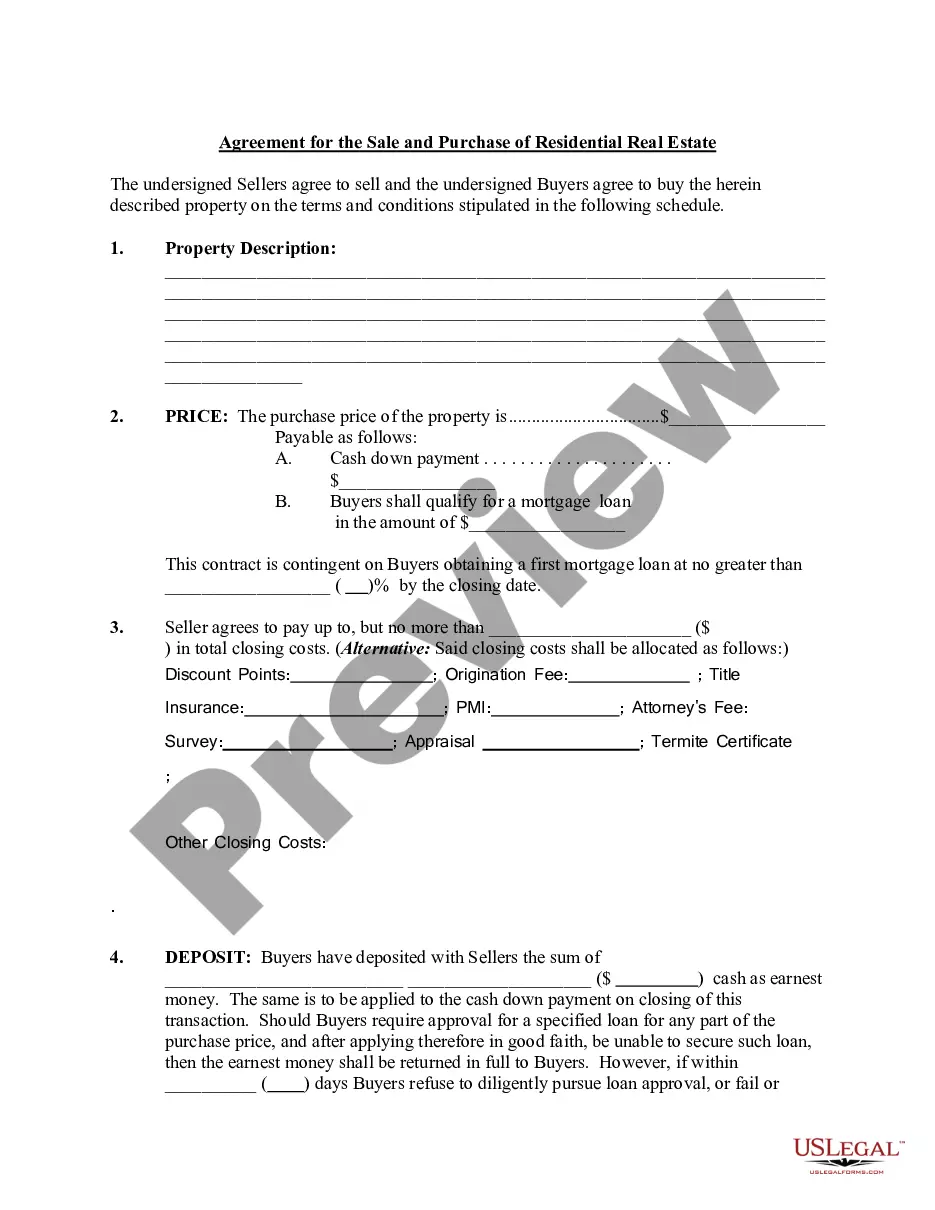
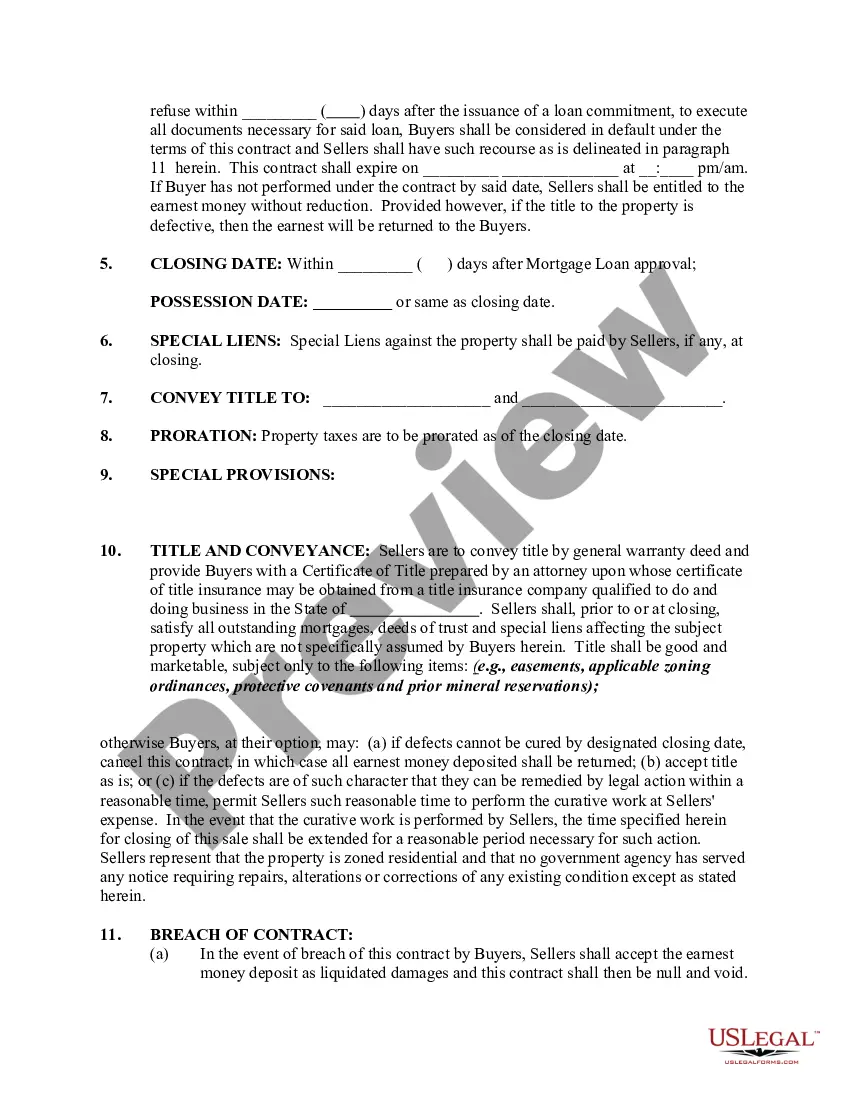
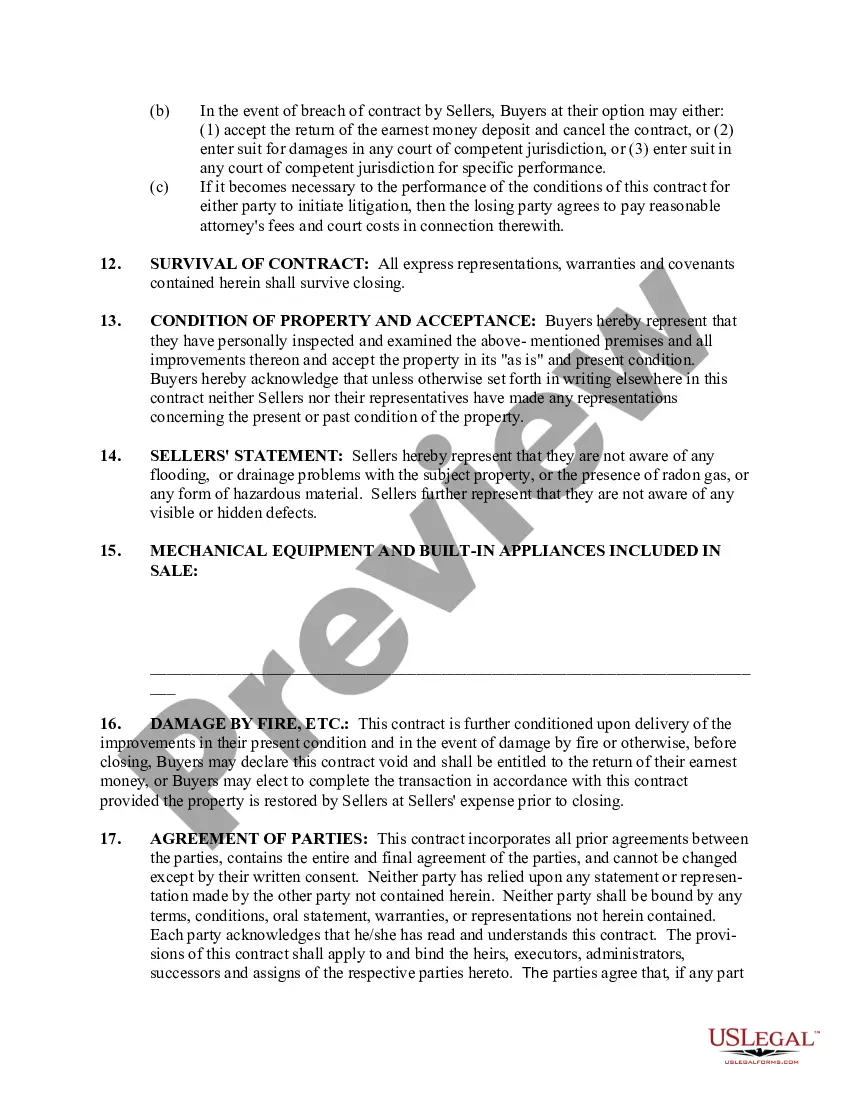
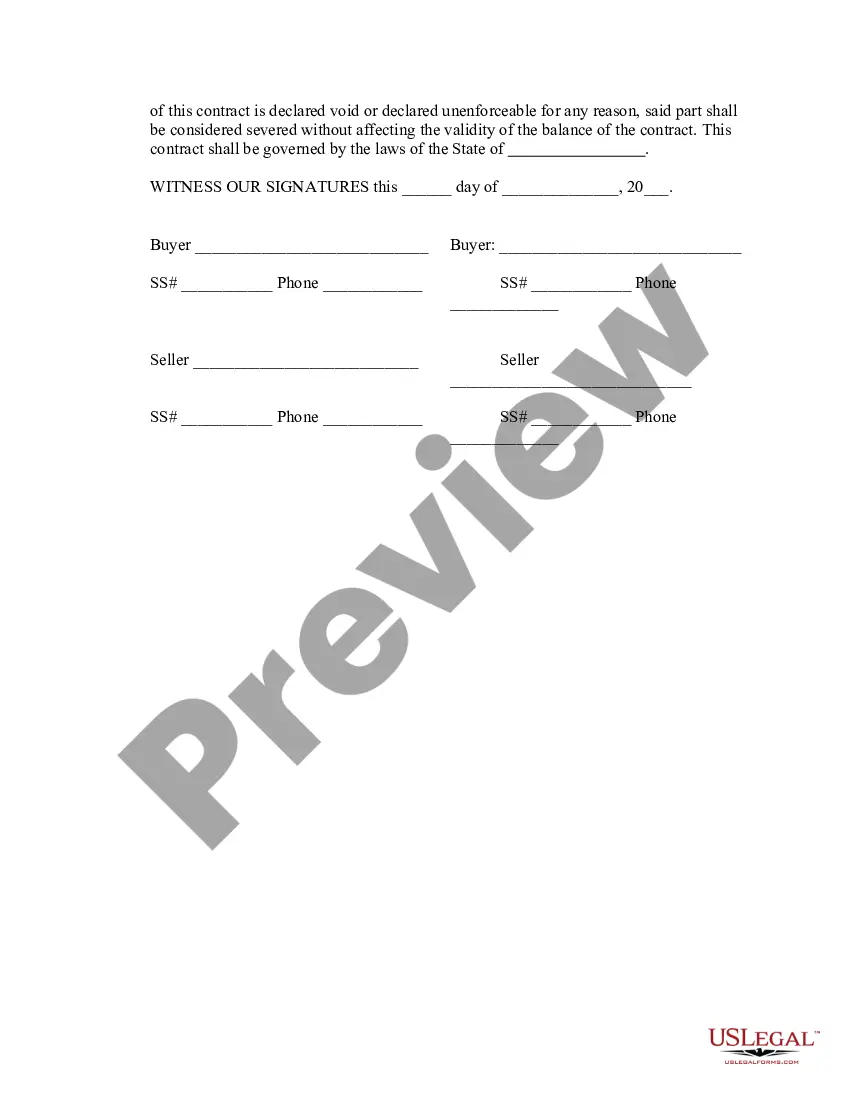
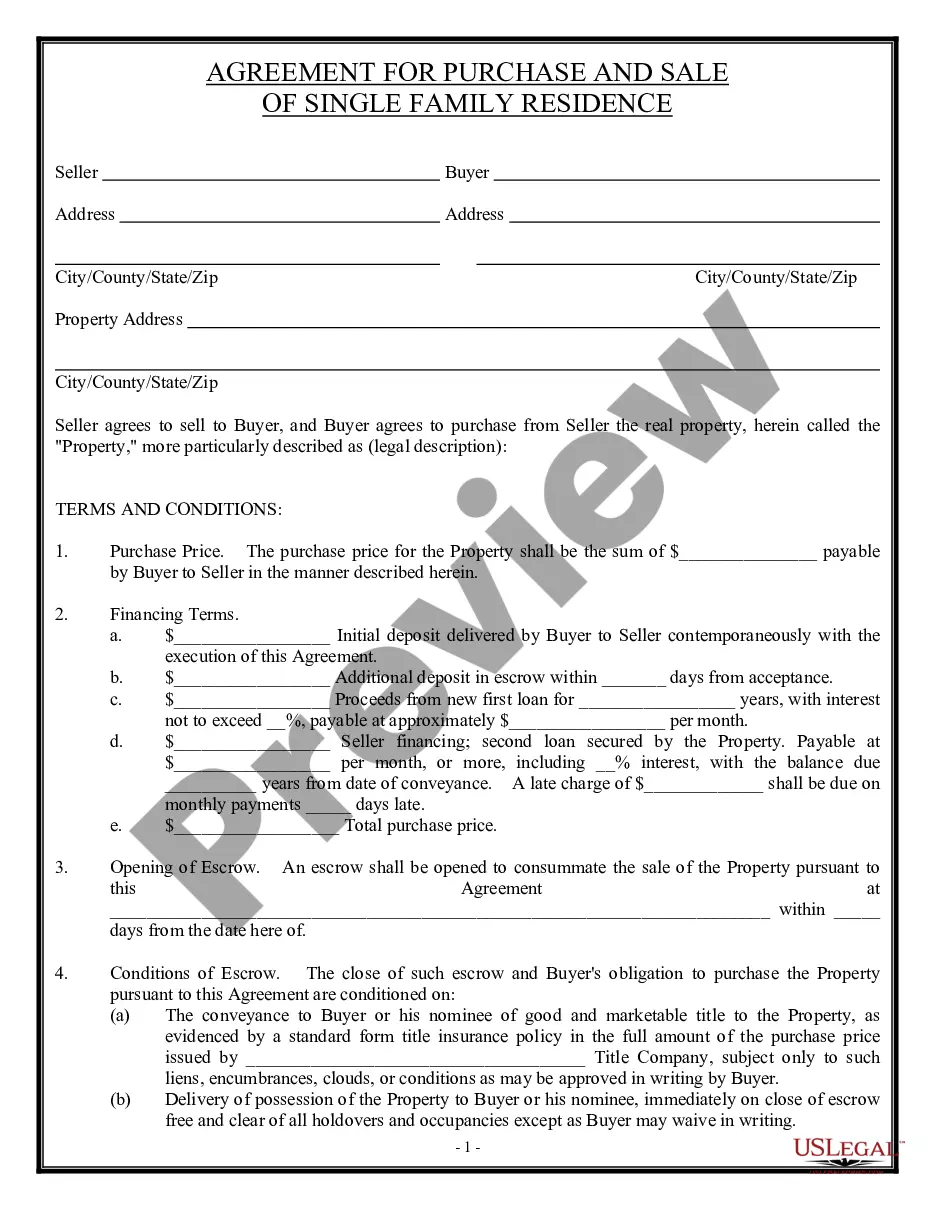
Get your form ready online
Our built-in tools help you complete, sign, share, and store your documents in one place.
Make edits, fill in missing information, and update formatting in US Legal Forms—just like you would in MS Word.
Download a copy, print it, send it by email, or mail it via USPS—whatever works best for your next step.
Sign and collect signatures with our SignNow integration. Send to multiple recipients, set reminders, and more. Go Premium to unlock E-Sign.
If this form requires notarization, complete it online through a secure video call—no need to meet a notary in person or wait for an appointment.
We protect your documents and personal data by following strict security and privacy standards.

Make edits, fill in missing information, and update formatting in US Legal Forms—just like you would in MS Word.

Download a copy, print it, send it by email, or mail it via USPS—whatever works best for your next step.

Sign and collect signatures with our SignNow integration. Send to multiple recipients, set reminders, and more. Go Premium to unlock E-Sign.

If this form requires notarization, complete it online through a secure video call—no need to meet a notary in person or wait for an appointment.

We protect your documents and personal data by following strict security and privacy standards.
Looking for another form?
Form popularity
FAQ
Unlike some states, Pennsylvania does not require that sellers involve a lawyer in the house-selling transaction. Even if it's not required, you might decide to engage a lawyer at some point in the process—for example, to review the final contract or to assist with closing details.
Let us start with the legal requirements for selling real estate in Pennsylvania and New Jersey. In both states, you must have a real estate license to represent a buyer or seller in a real estate transaction. However, you are allowed to sell your own home without a real estate license.
This means that anyone who wants to do a wholesale transaction for themselves or represents a wholesaler who is selling a property must have a real estate license. Act 52 of 2024 was signed into law in July 2024 and modifies RELRA to provide uniformity in real estate licensing and protect vulnerable consumers.
Selling your house without a real estate agent in Pennsylvania is possible, but it can be a challenging process. While the state does not require you to have a real estate attorney, it's smart to hire one for a for-sale-by-owner transaction anyway.
If you own the house you can sell it yourself. You cannot sell houses for others without a license. Just FYI, the National Association of Realtors publishes an annual study of home sellers and buyers and how their experiences were during the process.
If you find yourself in a situation where one owner wants to sell the property but the others don't, there are a few different options to consider. These may include negotiating a buyout agreement, seeking mediation or arbitration, or taking legal action to force a sale.
However, the most important documents in real estate are offers, agreements, and contracts between the buyer and seller.
The simple answer is - no - you do not need an attorney to buy or sell a home in Pennsylvania. There is no legal requirement that an attorney be involved in any stage of the transaction. However, the proper question to be asked is if it would be advisable for you to be represented by an attorney.