Sell Closing Property Without Consent In Palm Beach
Description

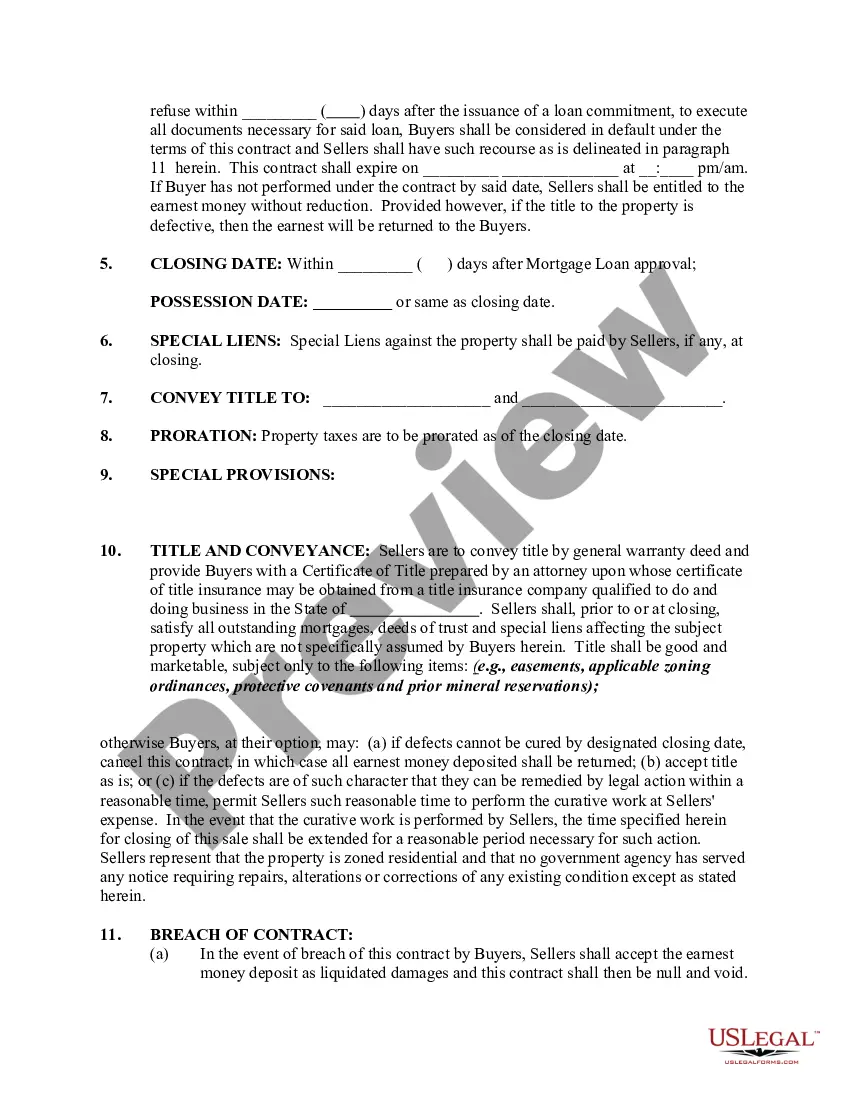
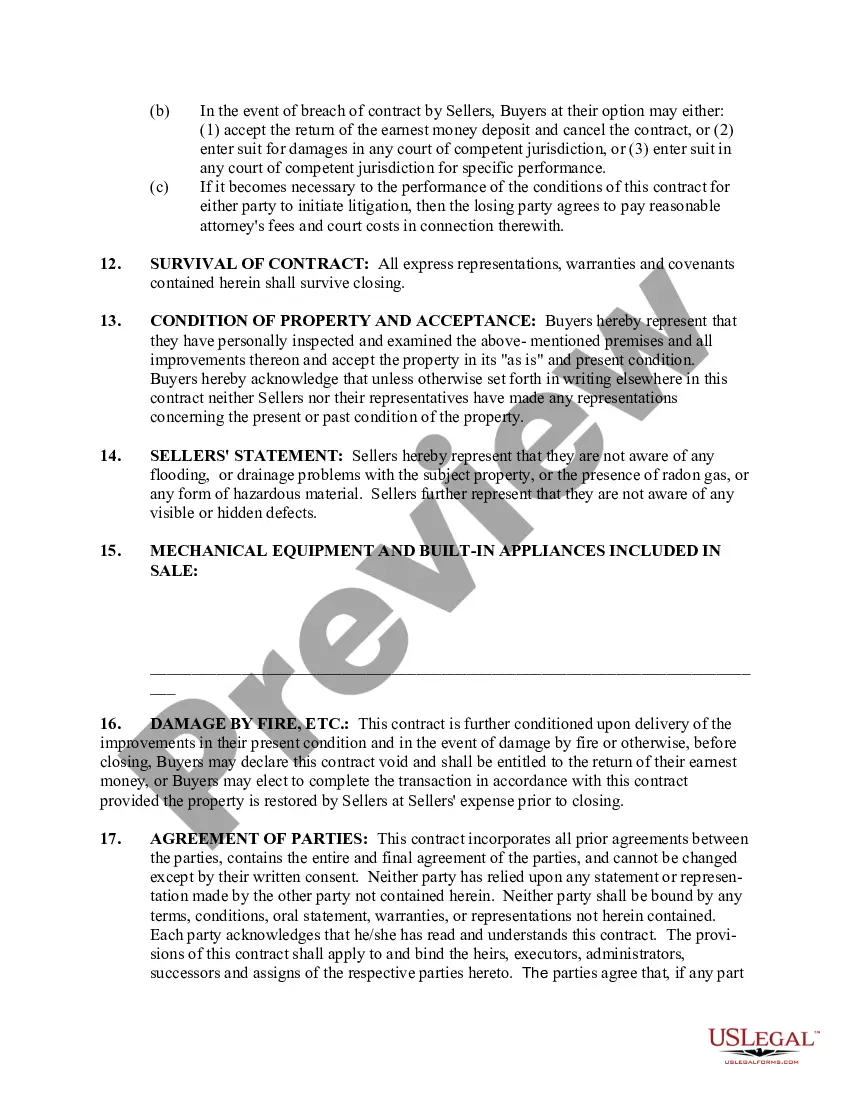
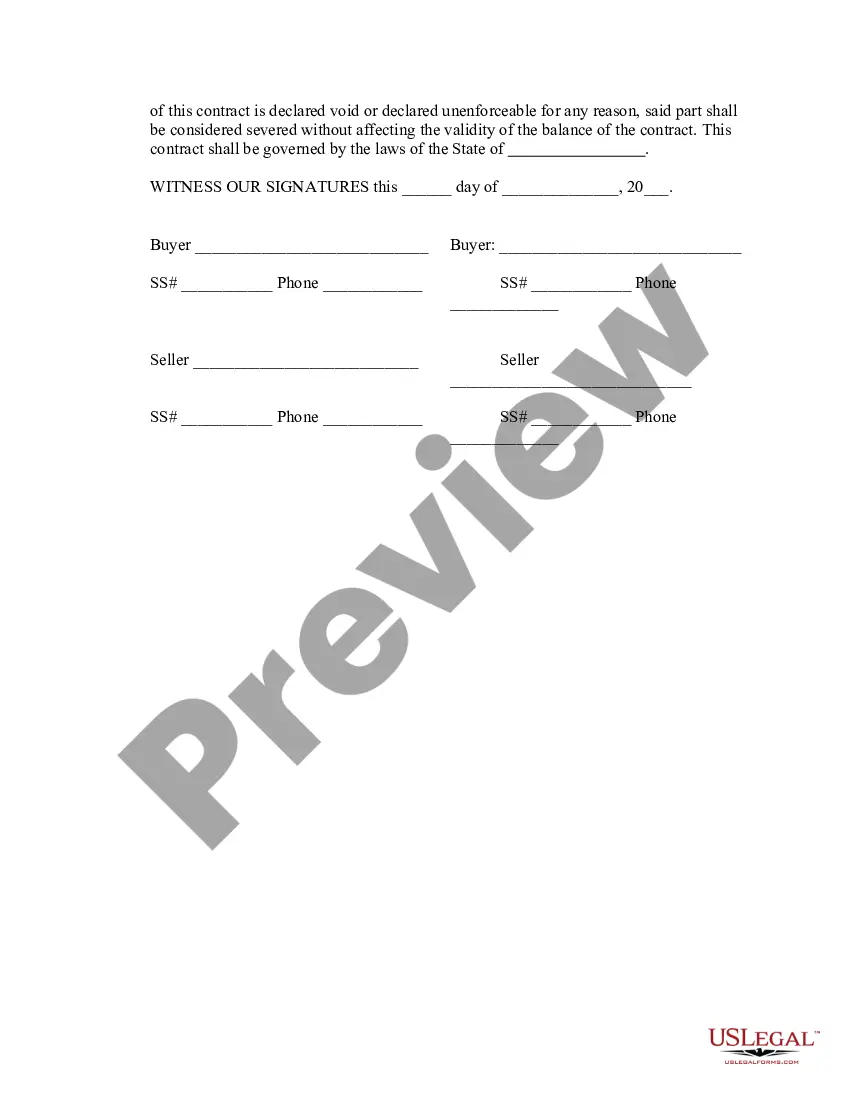
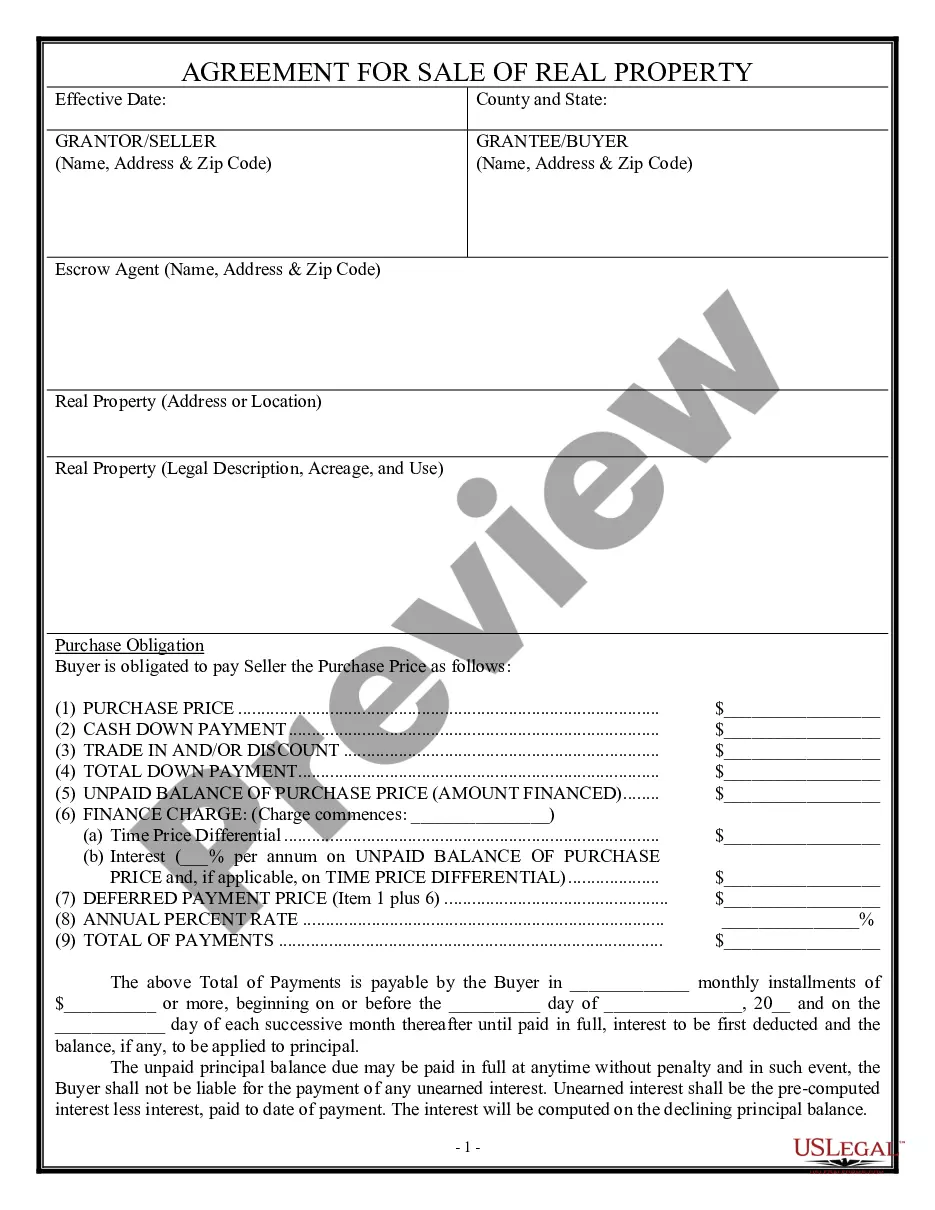
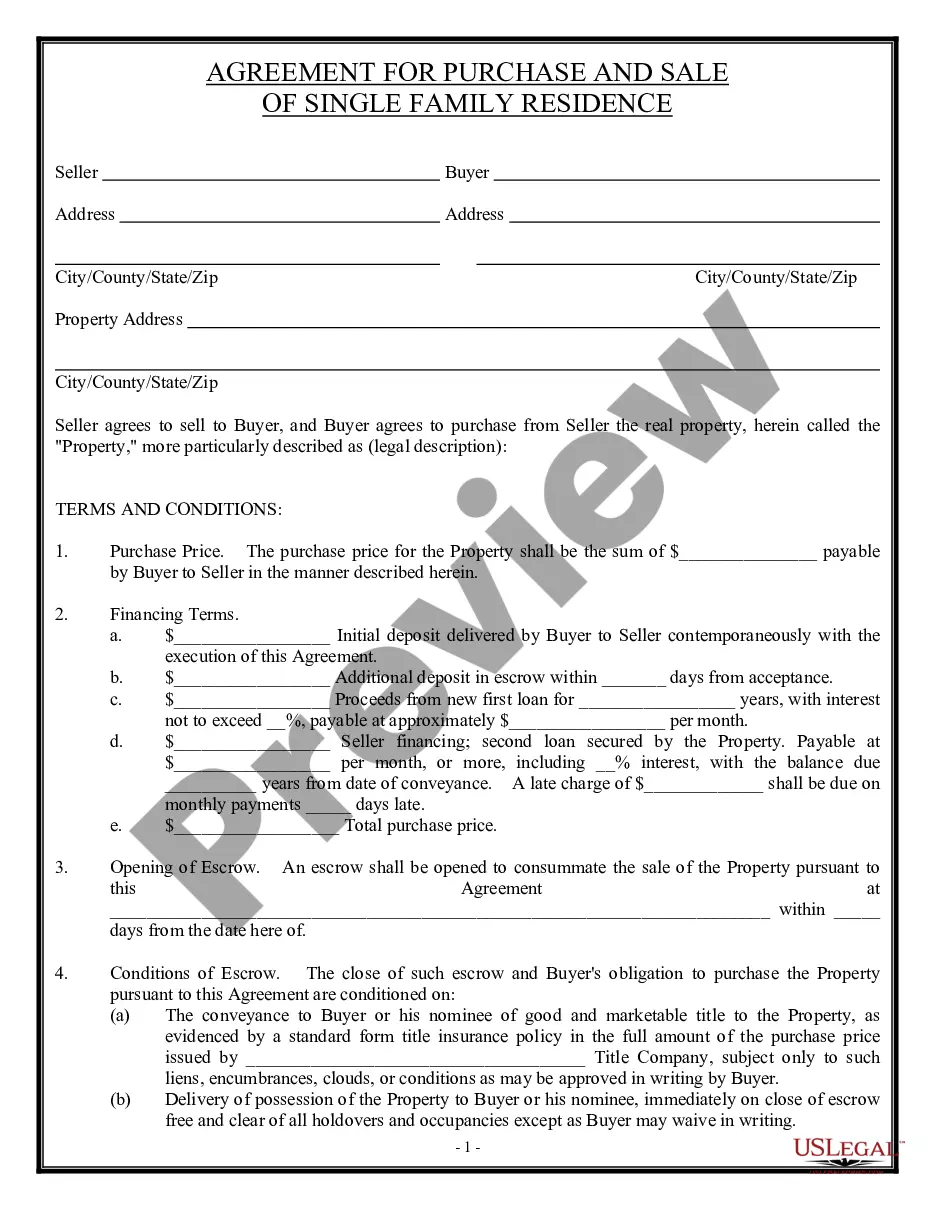
Get your form ready online
Our built-in tools help you complete, sign, share, and store your documents in one place.
Make edits, fill in missing information, and update formatting in US Legal Forms—just like you would in MS Word.
Download a copy, print it, send it by email, or mail it via USPS—whatever works best for your next step.
Sign and collect signatures with our SignNow integration. Send to multiple recipients, set reminders, and more. Go Premium to unlock E-Sign.
If this form requires notarization, complete it online through a secure video call—no need to meet a notary in person or wait for an appointment.
We protect your documents and personal data by following strict security and privacy standards.

Make edits, fill in missing information, and update formatting in US Legal Forms—just like you would in MS Word.

Download a copy, print it, send it by email, or mail it via USPS—whatever works best for your next step.

Sign and collect signatures with our SignNow integration. Send to multiple recipients, set reminders, and more. Go Premium to unlock E-Sign.

If this form requires notarization, complete it online through a secure video call—no need to meet a notary in person or wait for an appointment.

We protect your documents and personal data by following strict security and privacy standards.
Looking for another form?







Form popularity
FAQ
While Florida law does not mandate using an attorney to sell a residential dwelling, consulting a real estate attorney significantly impacts the outcome, so it is best not to go it alone. It can save you from the many pitfalls during the process and beyond.
I'm sorry to hear about your situation. No, you could not do that. ing to the Florida constitution, in order to sell or mortgage your home, you must get your spouse to sign the deed or mortgage. This applies even if you owned the property prior to the marriage and even if your spouse's name was never on the deed.
Unlike some states, Florida does not require that sellers involve a lawyer in the house-selling transaction. Nevertheless, you might decide to engage a lawyer at some point—for example, to review the final contract or to assist with closing details.
On August 17, 2024, Realtors that represent Sellers are no longer required to offer commission to the Buyer's Agents. As a result, Buyers will have to sign a separate agreement with a Realtor.
The personal representative of a Florida estate can sell real property during probate administration.
Unlicensed Practice of Real Estate is a Third Degree Felony in Florida. Under Florida Statute 475.42(1)(a), the crime of Unlicensed Practice of Real Estate is committed when a person engages in real estate activities listed under Florida Statute 475.01(1)(a) without a real estate license for compensation.
The concept of homestead protection in Florida provides additional safeguards for primary residences. Under this protection, a spouse cannot sell or refinance a homestead property without the other spouse's consent, even if the property is only in one spouse's name.
The length of time you're married to your spouse can impact your divorce in Florida, but it won't guarantee that you get half of everything. While a judge will consider the length of marriage when determining how to divide your assets and if you or your spouse should receive alimony, every case is different.
In Florida, a surviving spouse automatically inherits the deceased spouse's share of their joint property. If the deceased had separate property, the spouse typically inherits either all of it or a portion, depending on whether there are surviving children and if the deceased left a valid will.
