Closing Property Title For Liens In Oakland
Description

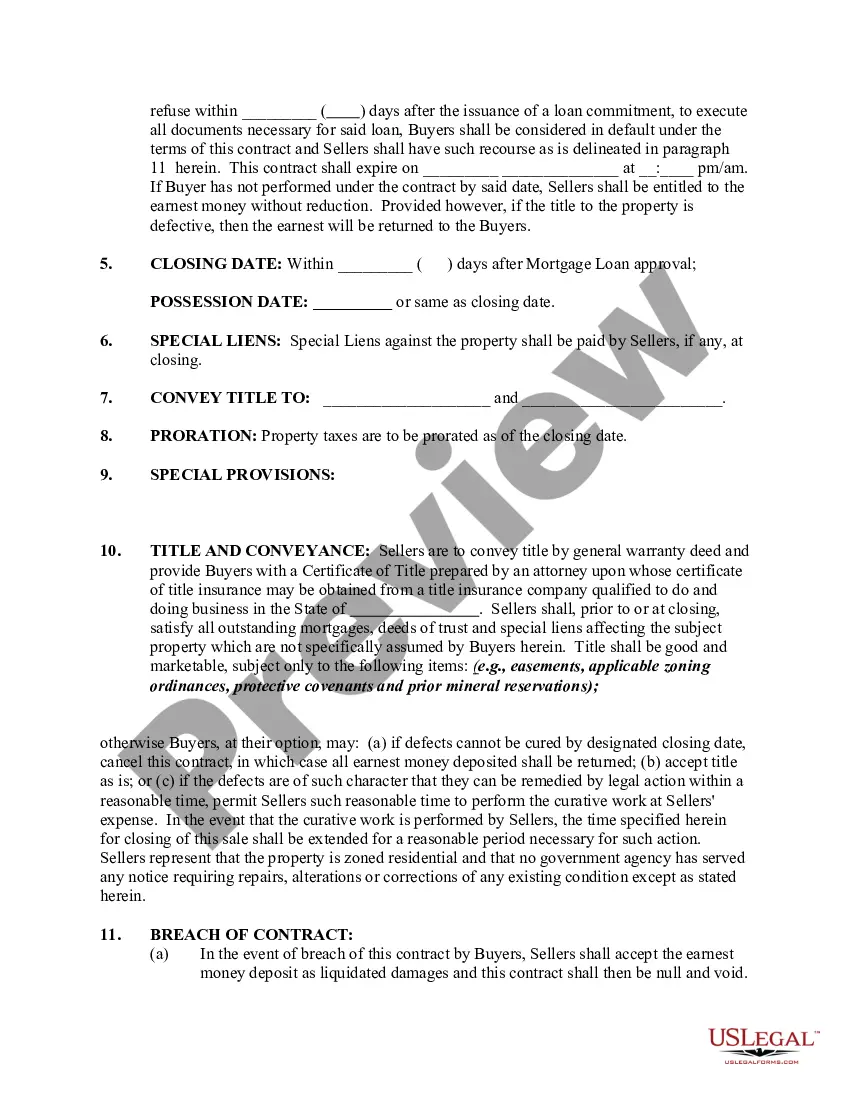
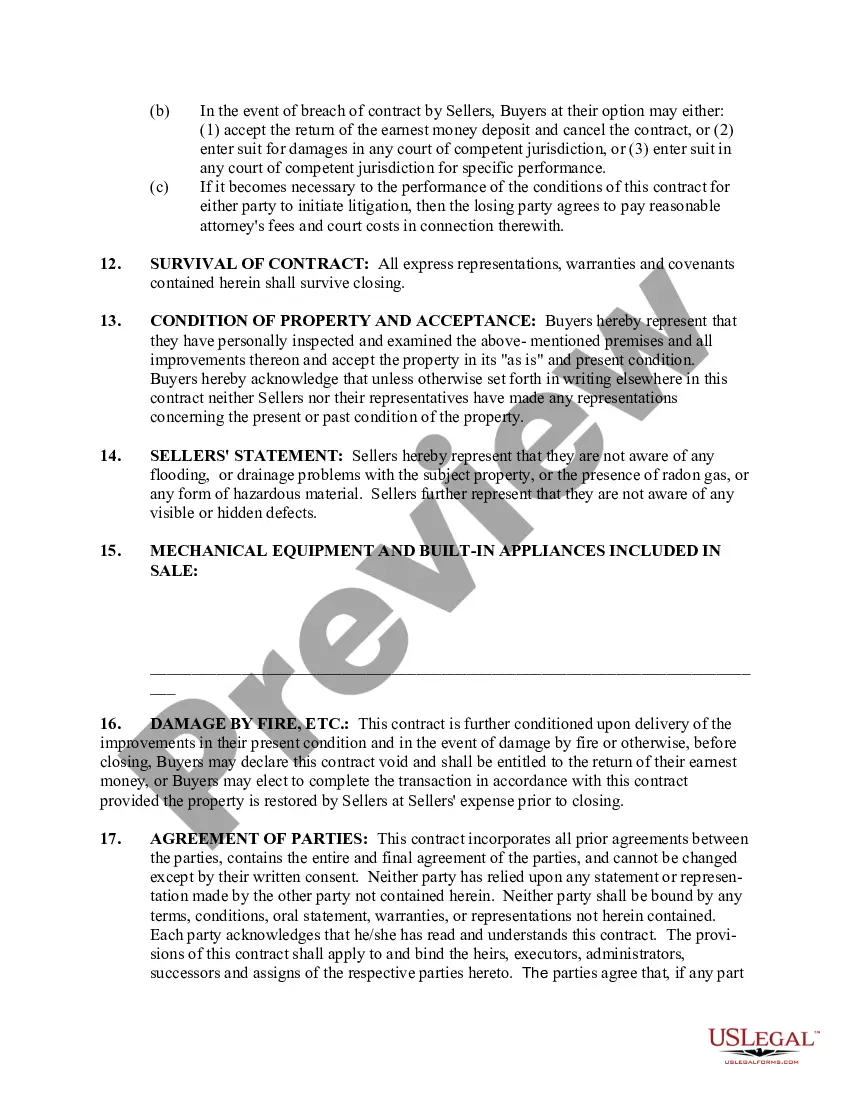
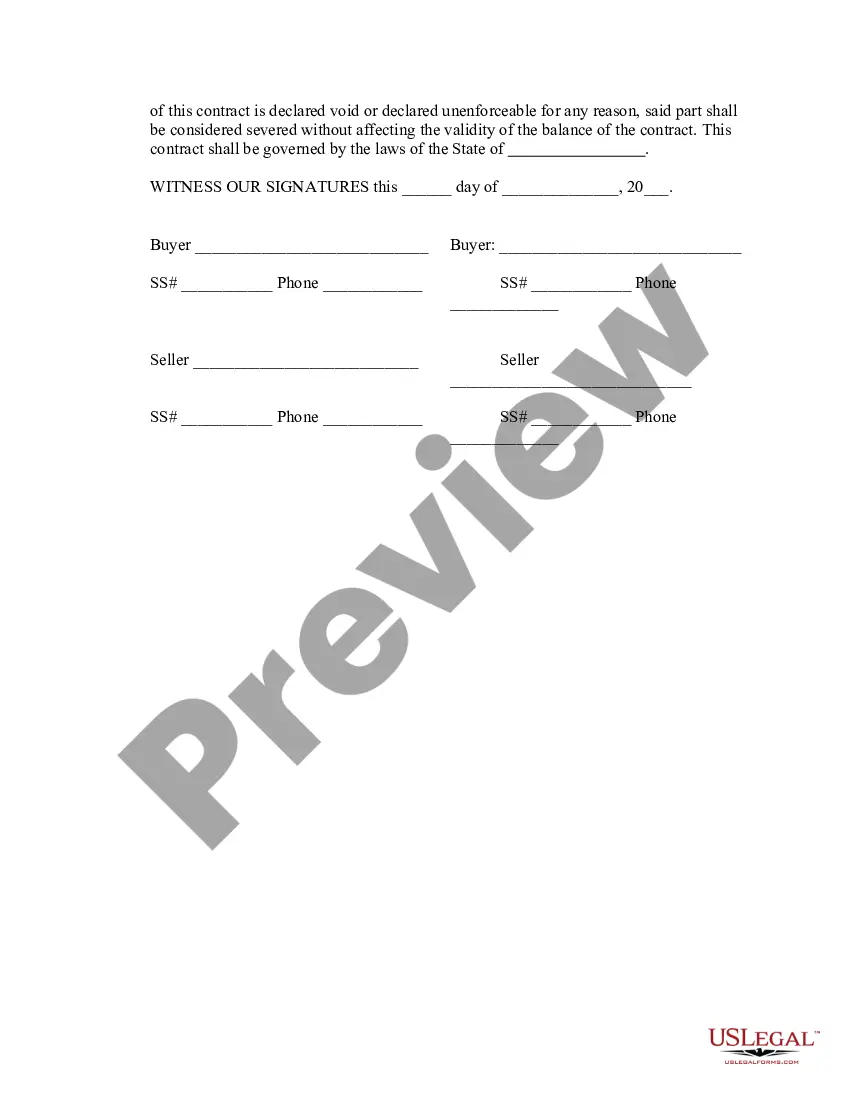
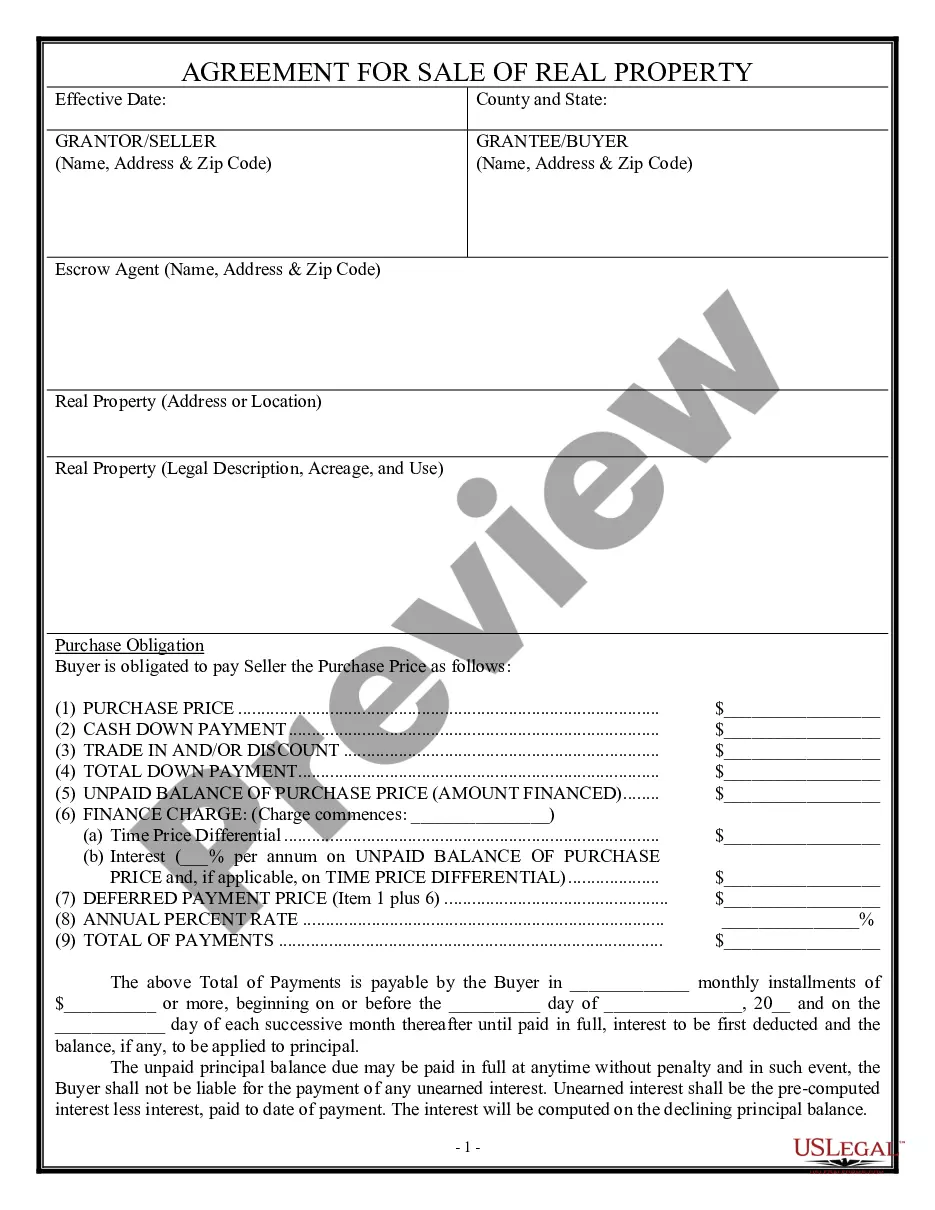
Get your form ready online
Our built-in tools help you complete, sign, share, and store your documents in one place.
Make edits, fill in missing information, and update formatting in US Legal Forms—just like you would in MS Word.
Download a copy, print it, send it by email, or mail it via USPS—whatever works best for your next step.
Sign and collect signatures with our SignNow integration. Send to multiple recipients, set reminders, and more. Go Premium to unlock E-Sign.
If this form requires notarization, complete it online through a secure video call—no need to meet a notary in person or wait for an appointment.
We protect your documents and personal data by following strict security and privacy standards.

Make edits, fill in missing information, and update formatting in US Legal Forms—just like you would in MS Word.

Download a copy, print it, send it by email, or mail it via USPS—whatever works best for your next step.

Sign and collect signatures with our SignNow integration. Send to multiple recipients, set reminders, and more. Go Premium to unlock E-Sign.

If this form requires notarization, complete it online through a secure video call—no need to meet a notary in person or wait for an appointment.

We protect your documents and personal data by following strict security and privacy standards.
Looking for another form?









Form popularity
FAQ
A property owner can choose to place a lien on their property. A voluntary lien is a claim over the property that a homeowner agrees to give to a creditor as security for the payment of a debt. A mortgage lien is the most common type of voluntary real estate lien, also called a deed of trust lien in some states.
An involuntary lien can occur without your knowledge, depending on the circumstances. A creditor often places a judgment lien after suing you and winning the case.
This is a breakdown of the steps involved in foreclosing on a lien. File a mechanics lien. Filing a mechanics lien is the actual first step in the lien foreclosure process. Send notices. Hire a lawyer. Prepare your case. File your case. Serve the owners. Wait for your day in court. Collect on your judgment.
A property owner can choose to place a lien on their property. A voluntary lien is a claim over the property that a homeowner agrees to give to a creditor as security for the payment of a debt. A mortgage lien is the most common type of voluntary real estate lien, also called a deed of trust lien in some states.
Anyone who works on your property can assert, in most jurisdictions, a Mechanic's Lien, against that property without your permission simply by recording a document at the County Recorder's office.
A lien expires 10 years from the date of recording or filing, unless we extend it. If we extend the lien, we will send a new Notice of State Tax Lien and record or file it with the county recorder or California Secretary of State. We will not release expired liens.
An involuntary lien can occur without your knowledge, depending on the circumstances. A creditor often places a judgment lien after suing you and winning the case.
Yes, a house can be sold with a lien on it, but the process involves additional steps to ensure a smooth transaction. The lien typically needs to be resolved before or during the sale to provide the buyer with a clear title. Buyers and lenders usually require assurance that the lien will not transfer with the property.
Ing to California State Law, documents can only be viewed in the Clerk Recorder office. You will be able to view the images of recorded documents involving your name to find out if a lien has been placed against you or if a recorded lien has been released.
Options Invalidate the lien. If the lien is invalid or was obtained in a manner that doesn't follow the procedural requirements under the law, an attorney may be able to strip the lien from the property. Satisfy the debt. This is the simplest way to have the lien cleared. Negotiate a lower payoff. File for bankruptcy.
