Closure Any Property With Example In North Carolina
Description

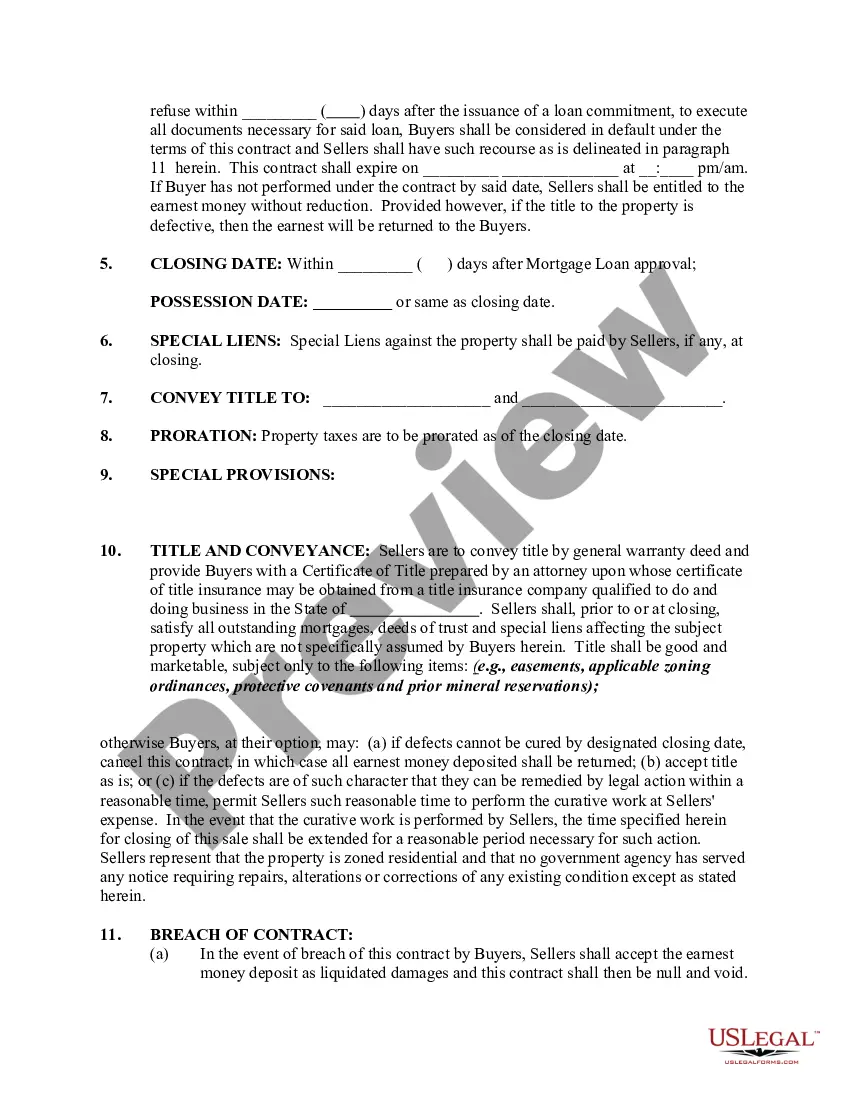
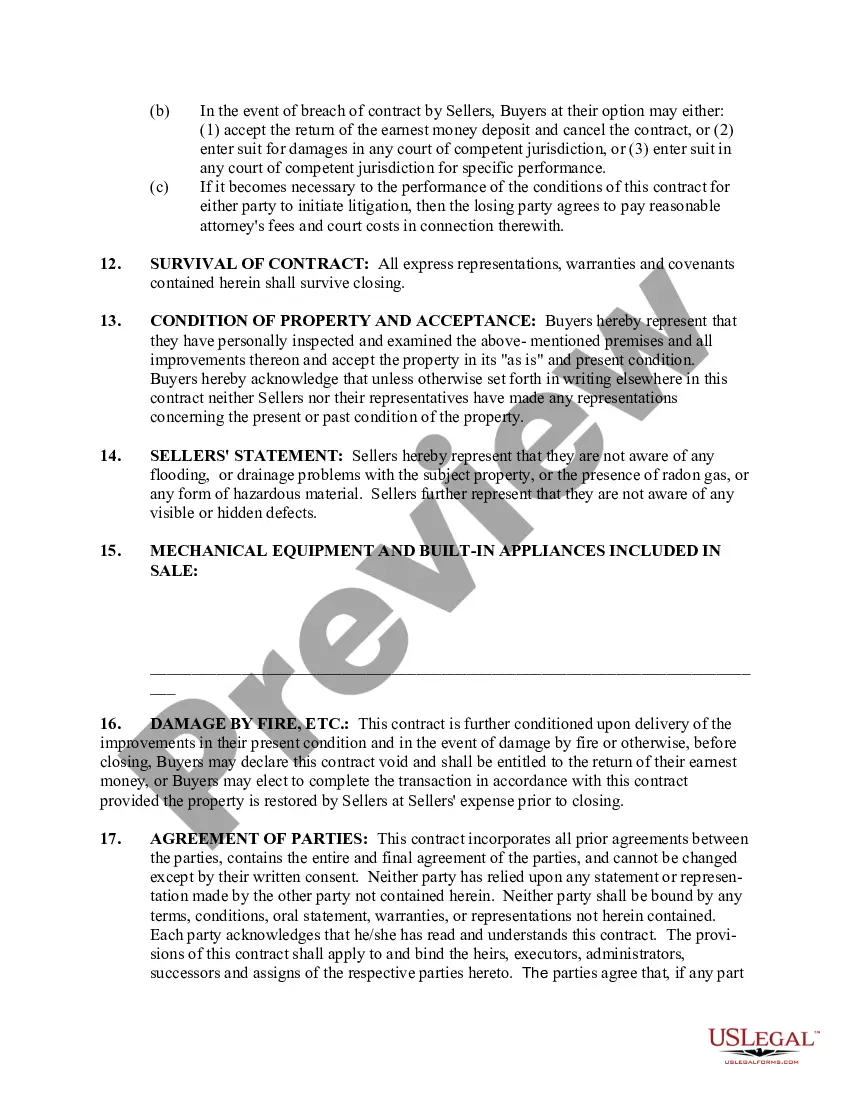
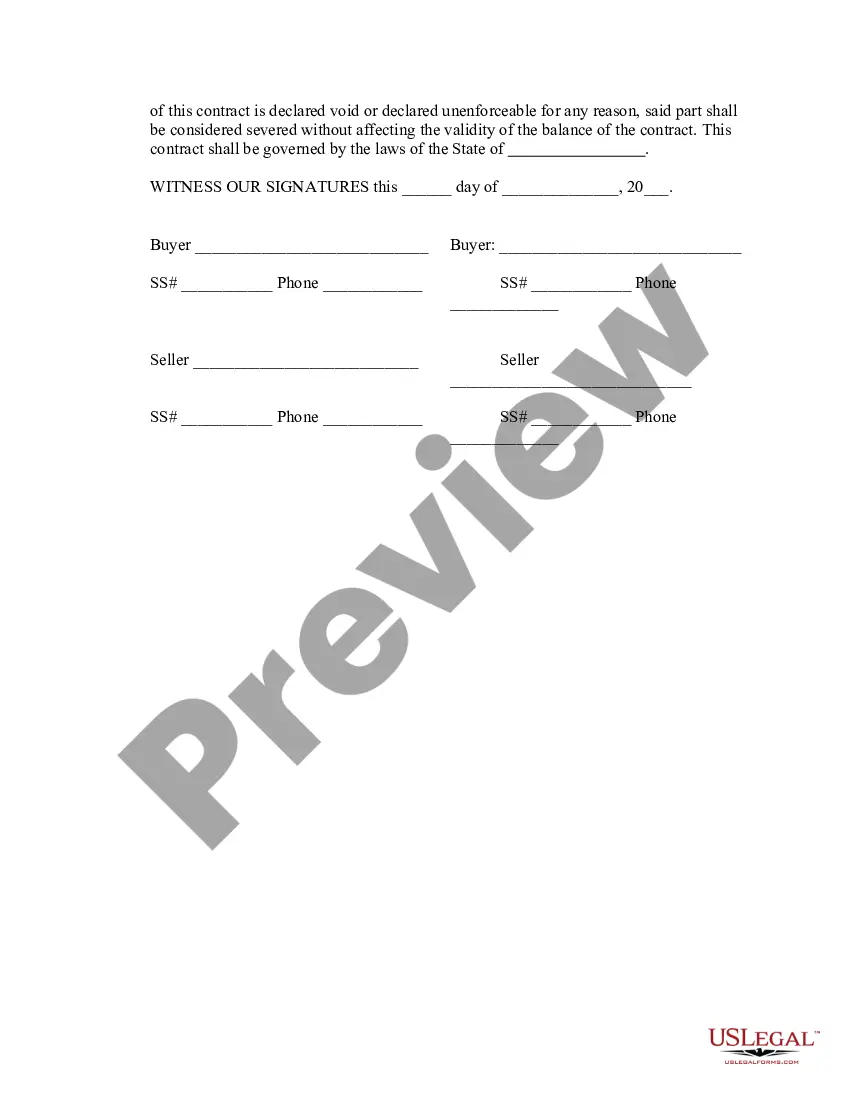
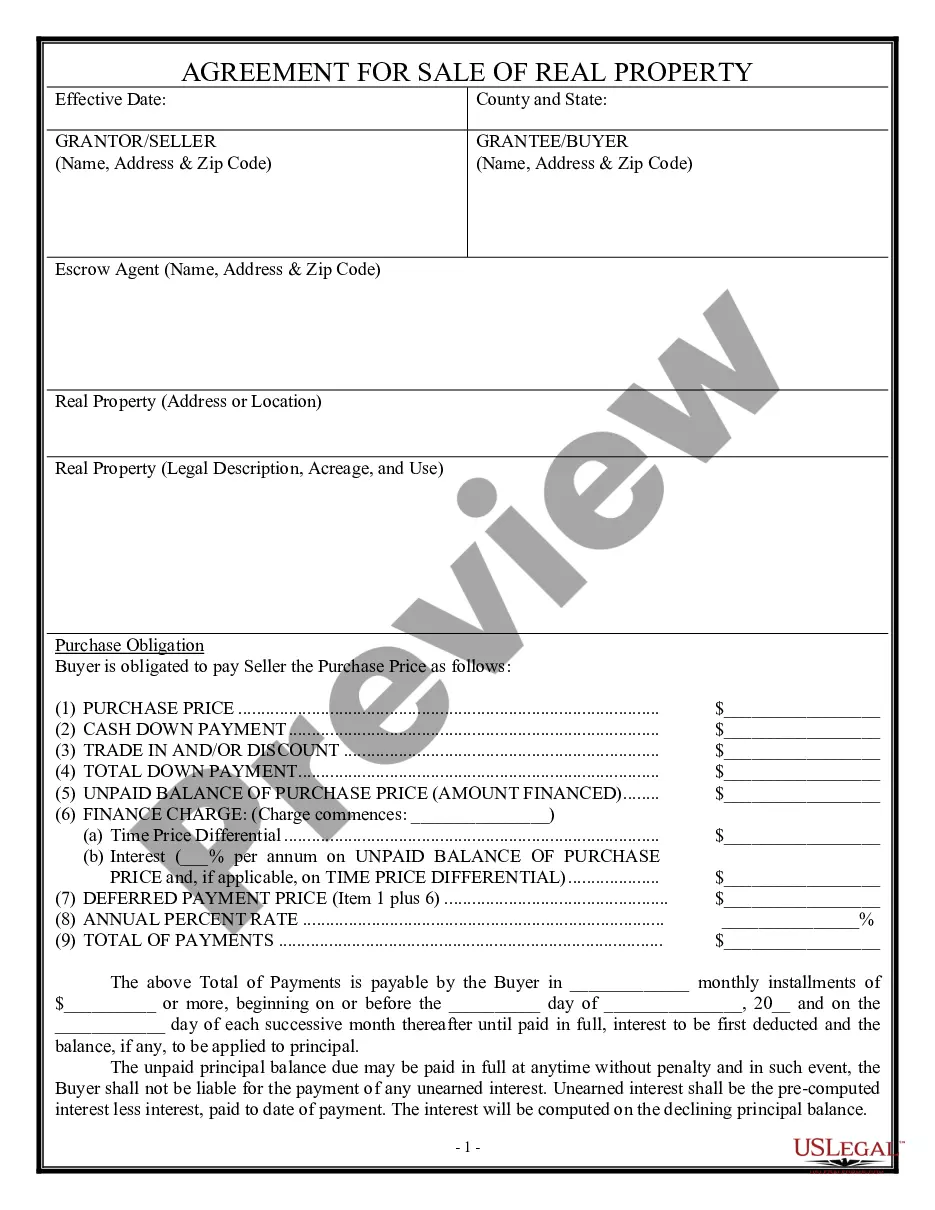
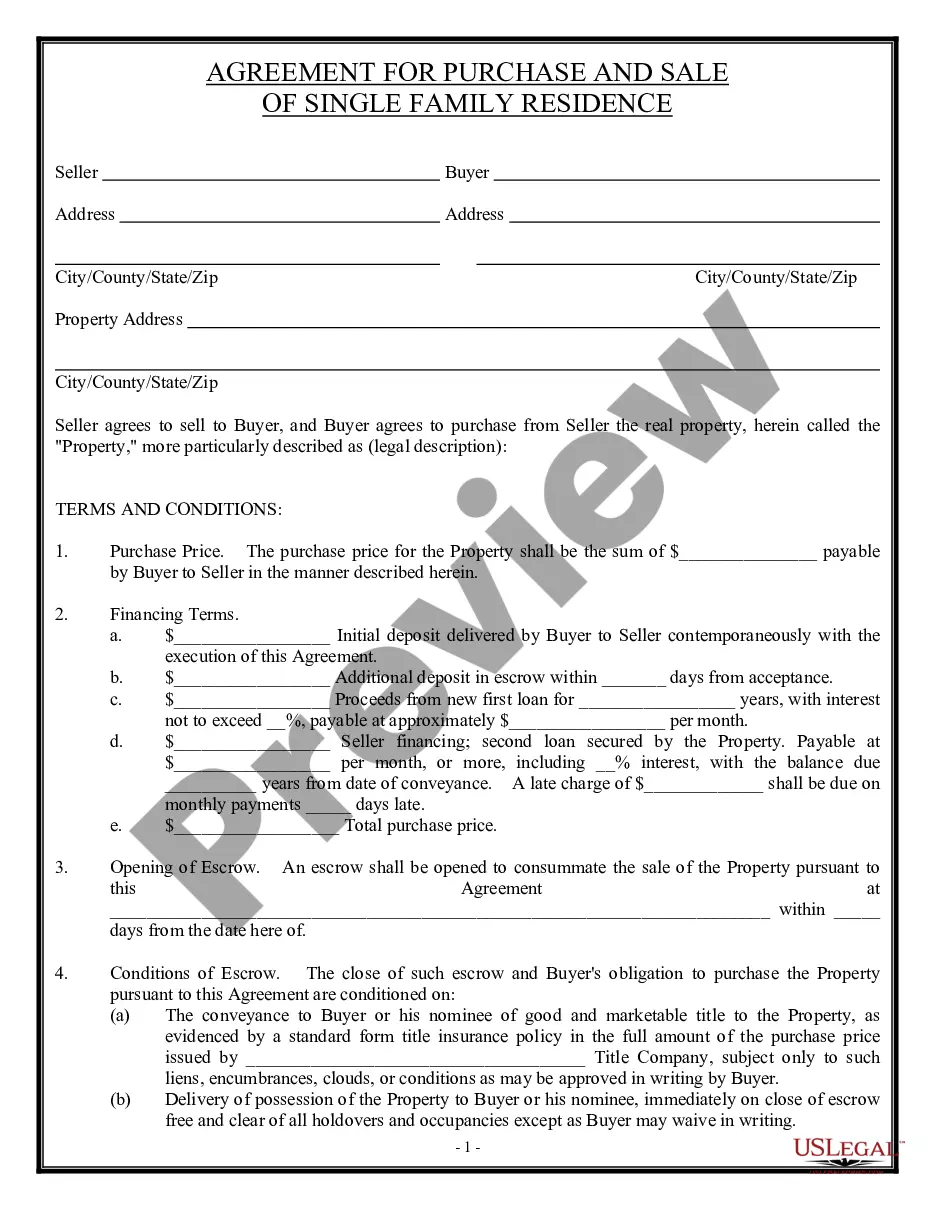
Get your form ready online
Our built-in tools help you complete, sign, share, and store your documents in one place.
Make edits, fill in missing information, and update formatting in US Legal Forms—just like you would in MS Word.
Download a copy, print it, send it by email, or mail it via USPS—whatever works best for your next step.
Sign and collect signatures with our SignNow integration. Send to multiple recipients, set reminders, and more. Go Premium to unlock E-Sign.
If this form requires notarization, complete it online through a secure video call—no need to meet a notary in person or wait for an appointment.
We protect your documents and personal data by following strict security and privacy standards.

Make edits, fill in missing information, and update formatting in US Legal Forms—just like you would in MS Word.

Download a copy, print it, send it by email, or mail it via USPS—whatever works best for your next step.

Sign and collect signatures with our SignNow integration. Send to multiple recipients, set reminders, and more. Go Premium to unlock E-Sign.

If this form requires notarization, complete it online through a secure video call—no need to meet a notary in person or wait for an appointment.

We protect your documents and personal data by following strict security and privacy standards.
Looking for another form?








Form popularity
FAQ
A: Generally, the buyer pays the attorney fees at closing in North Carolina. In many cases, the closing attorney may represent both the buyer and the seller during the transaction.
Unlike some states that allow title companies to facilitate home sales, residential property sales in North Carolina must be processed by a residential real estate attorney. In addition to the buyer, seller, and their attorneys, real estate agents and either an escrow or settlement agent may be involved in the closing.
In North Carolina, sellers are not required to be physically present at the closing. However, it is common for the seller to attend the closing to sign the necessary documents and complete the transfer of ownership. If you are unable to attend the closing in person, you can appoint a power of attorney to represent you.
In most cases, it is best to include your real estate attorney early in the transaction, especially in North Carolina, where a licensed attorney is required for several aspects of the transaction. Ideally, buyers and sellers will bring their real estate attorneys into the transaction prior to signing a contract.
Real estate pros say it typically takes 1-2 years from listing to closing the sale on bare land parcels in NC.
A foreclosure is a method of enforcing payment of a debt secured by a mortgage, deed of trust, or lien on real property by selling the real property and applying the proceeds of the sale to satisfy the debt. As a result of the foreclosure, the property owner loses all rights in the property.
And then and only then okay the proceeds be dispersed. I think that's an important thing to clarifyMoreAnd then and only then okay the proceeds be dispersed. I think that's an important thing to clarify settlement. And closing have have very different meaning settlement is part of closing.
How Long Does Closing Take? Closing on a home usually takes place 3-6 weeks after the offer is accepted. The actual closing appointment is allotted a 60 minute time slot. If both the buyer and seller are in full agreement and both understand all the documents they will be signing, then it should go quickly.
