Sell Closing Property Without Consent In New York
Description

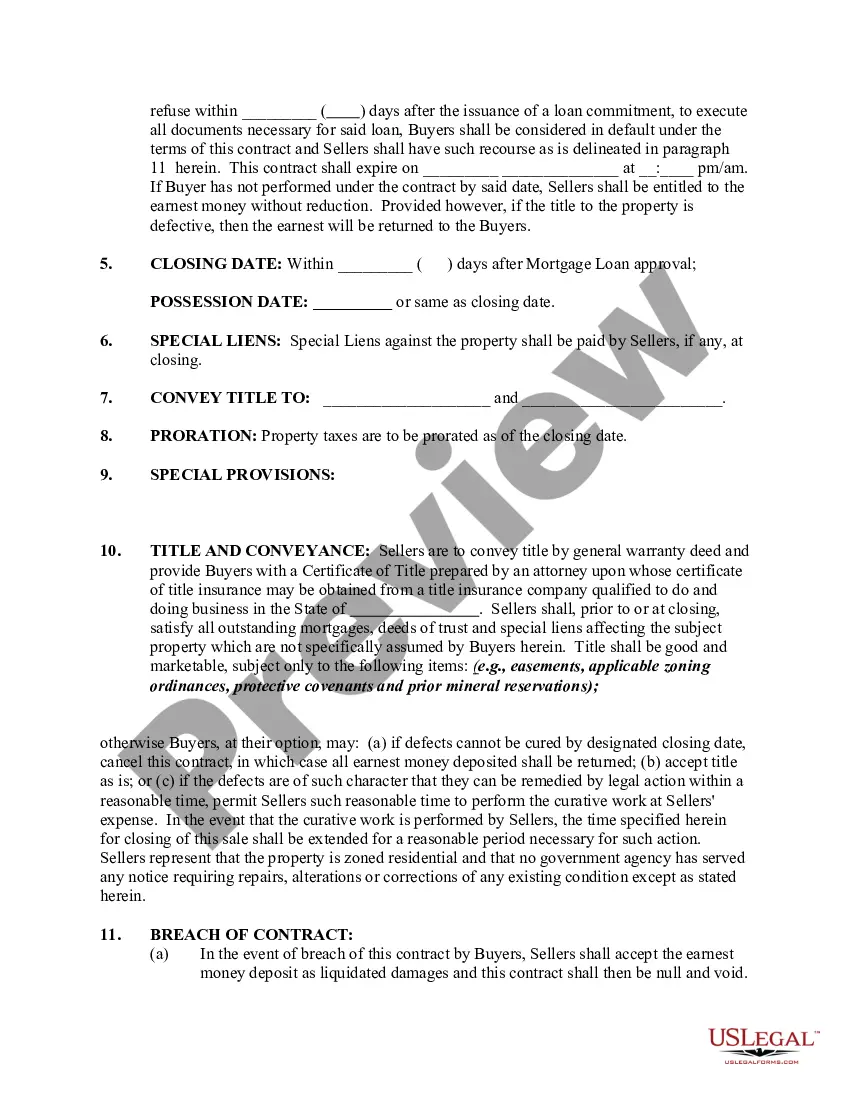
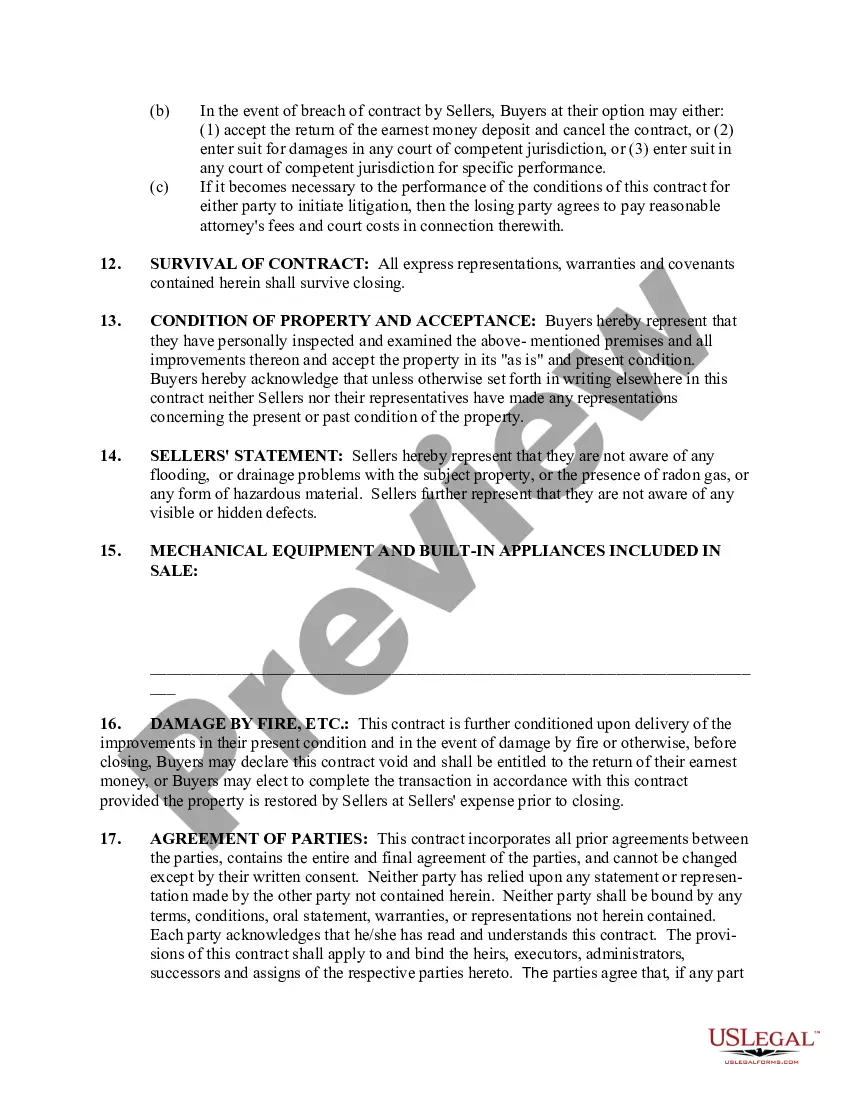
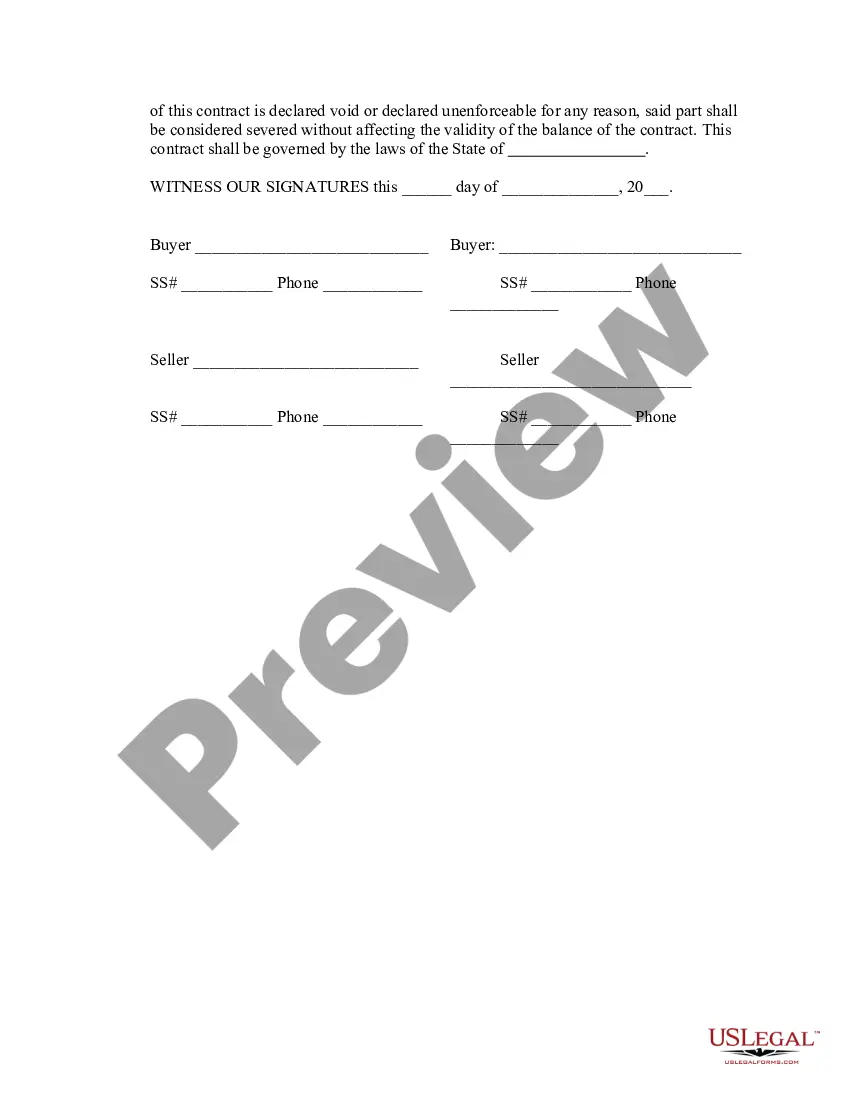
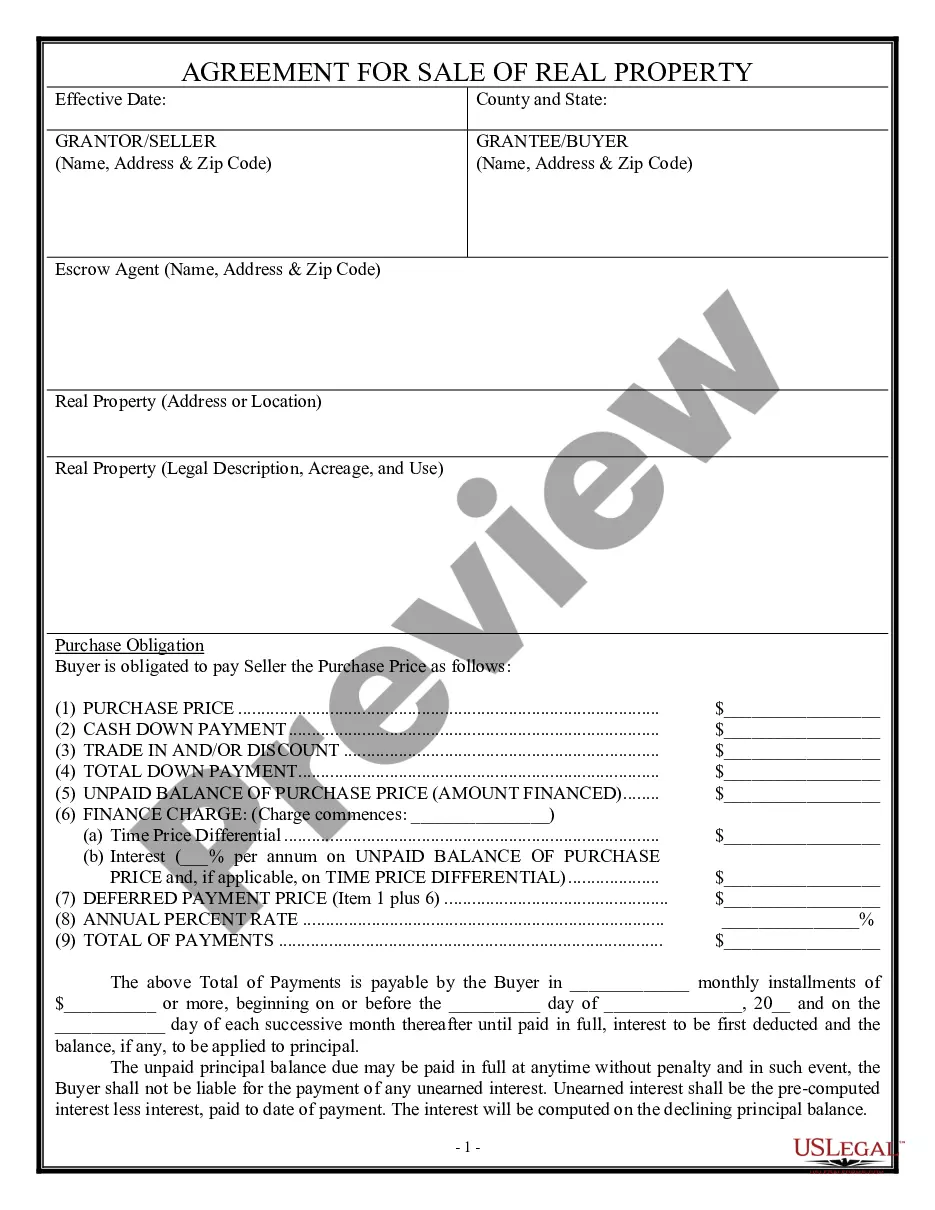
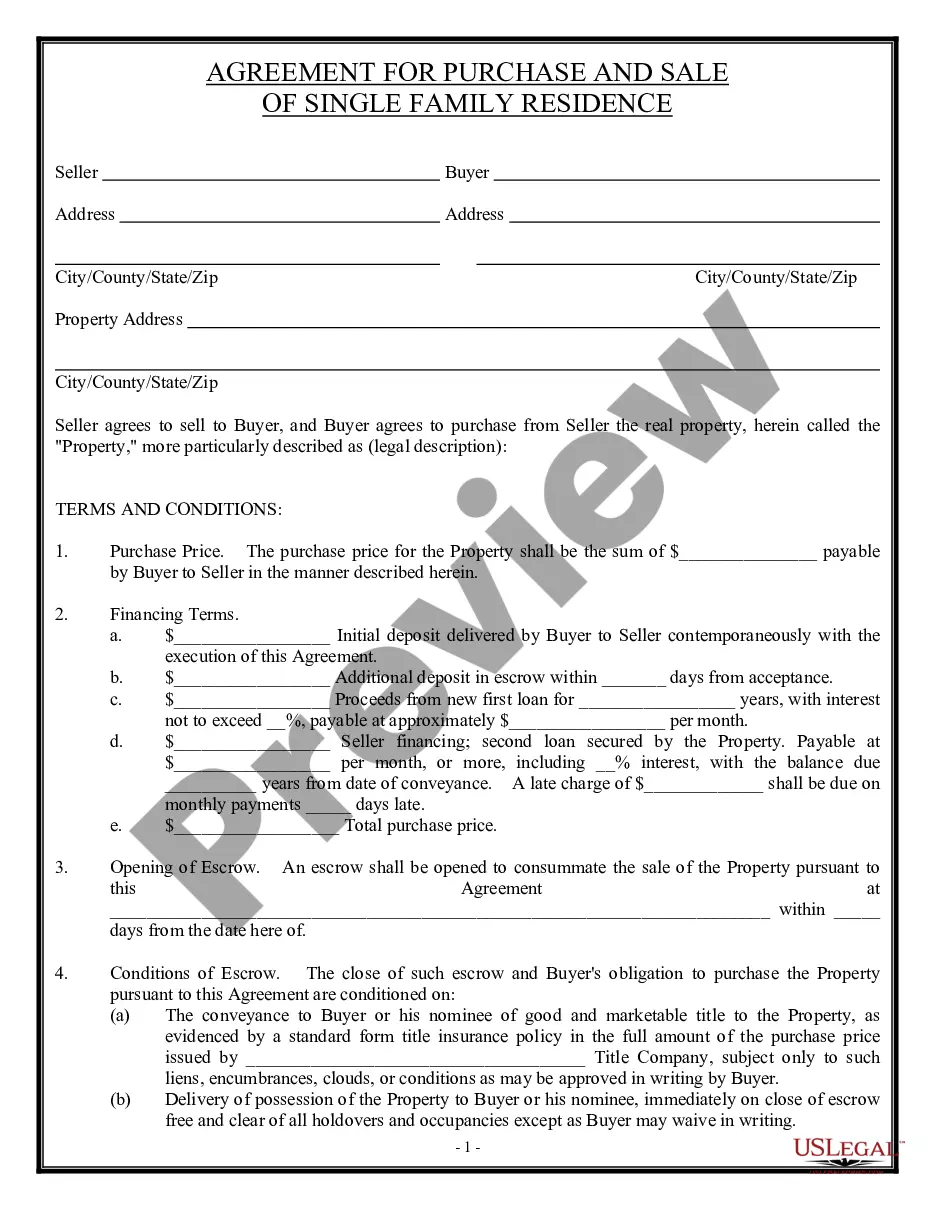
Get your form ready online
Our built-in tools help you complete, sign, share, and store your documents in one place.
Make edits, fill in missing information, and update formatting in US Legal Forms—just like you would in MS Word.
Download a copy, print it, send it by email, or mail it via USPS—whatever works best for your next step.
Sign and collect signatures with our SignNow integration. Send to multiple recipients, set reminders, and more. Go Premium to unlock E-Sign.
If this form requires notarization, complete it online through a secure video call—no need to meet a notary in person or wait for an appointment.
We protect your documents and personal data by following strict security and privacy standards.

Make edits, fill in missing information, and update formatting in US Legal Forms—just like you would in MS Word.

Download a copy, print it, send it by email, or mail it via USPS—whatever works best for your next step.

Sign and collect signatures with our SignNow integration. Send to multiple recipients, set reminders, and more. Go Premium to unlock E-Sign.

If this form requires notarization, complete it online through a secure video call—no need to meet a notary in person or wait for an appointment.

We protect your documents and personal data by following strict security and privacy standards.
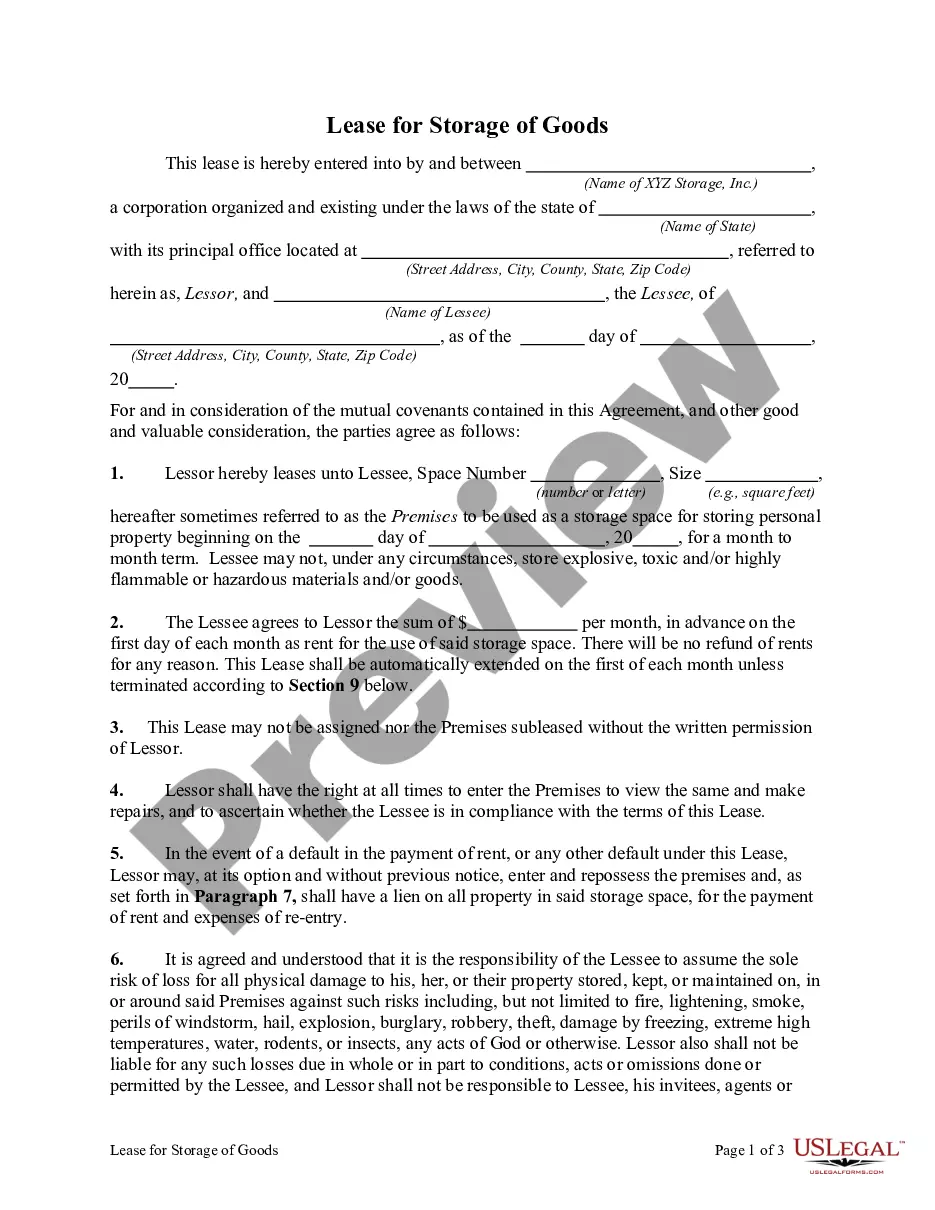
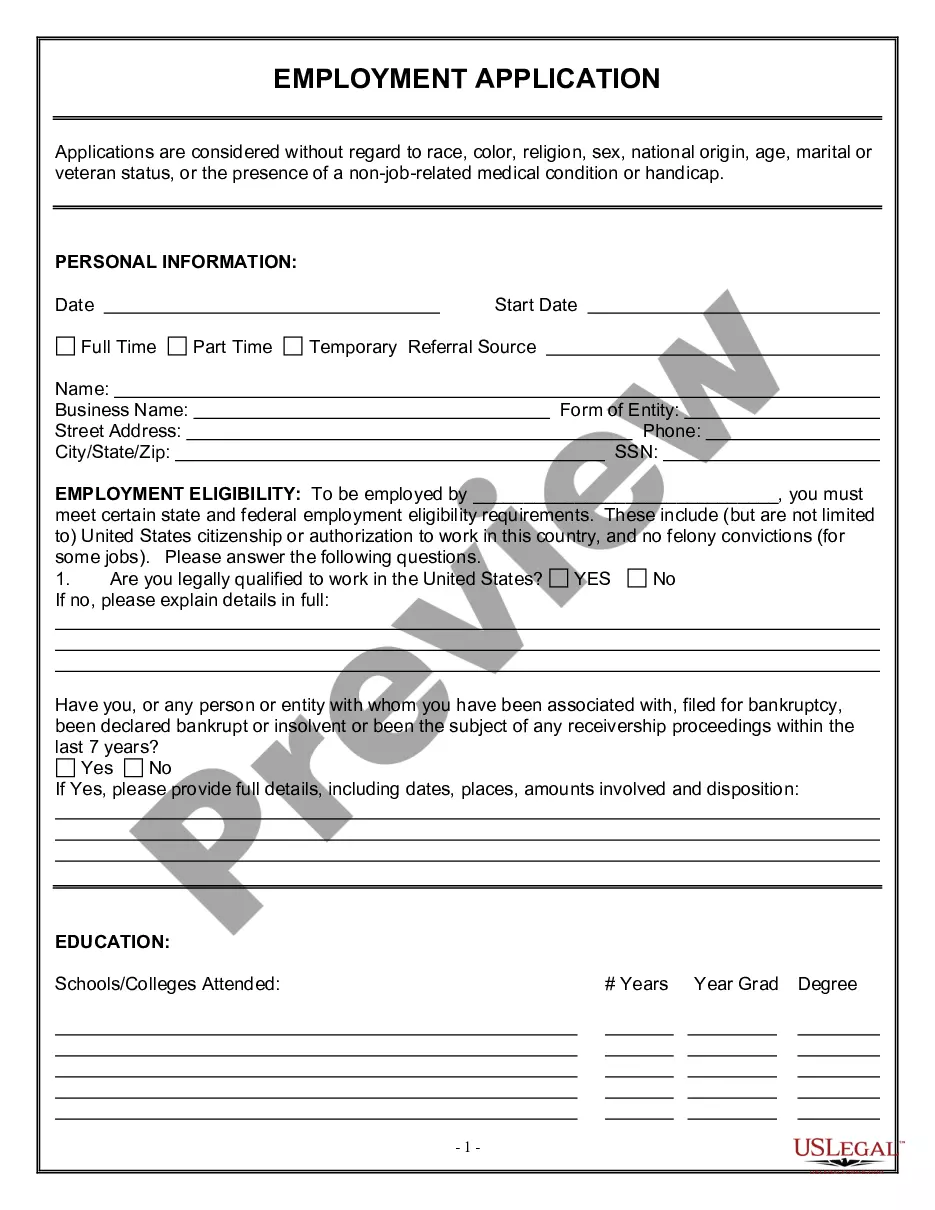
Looking for another form?








Form popularity
FAQ
If either the buyer or seller backs out without a legitimate reason and in violation of the contract terms, the consequences can be severe. The non-breaching party may be entitled to damages, such as lost profits, costs associated with finding a new buyer or property, or even attorney's fees.
If it is proved that you disclosed to the buyer all known defects or crucial information and did not do anything to prevent the buyer from finding any defects in the property, you are unlikely to be held accountable for any property issues after the closing.
As for the seller goes, they actually are not required to be present at the closing. They can sign what's called a 'power of attorney', and their attorney can actually sign documents on their behalf in their absence.
Sellers Will Be Exposed To Liability Even After Closing may subject the seller to claims by the buyer prior to or after the transfer of title. That means buyers can sue sellers after closing. And the statute of limitations on these claims may be as long as six years.
Sellers must also disclose if there have been any significant alterations or repairs made to the property. Information about utilities and services, such as water supply and sewage disposal systems, must also be shared with potential buyers. Buyers who discover issues that should have been disclosed have legal rights.
Generally, closing takes place between 60 to 90 days after a contract of sale has been signed. It includes many steps that take place at several locations and will include all the parties involved in the sale – buyers, sellers, lenders, attorneys and possibly, even real estate agents.
Can a house sale fall through after exchange of contracts? Yes, although it is not common for this to happen, a property sale can fall through even at this point of the sale.
Ninety-nine percent of the time, attorneys are present on both sides of a real estate transaction in New York state: the seller's side and the buyer's side. That's because in NYS, all real estate contracts of sale need to drawn up by the principle or their attorney.
Generally, closing takes place between 60 to 90 days after a contract of sale has been signed. It includes many steps that take place at several locations and will include all the parties involved in the sale – buyers, sellers, lenders, attorneys and possibly, even real estate agents.
