Closure Any Property Formula In New York
Description

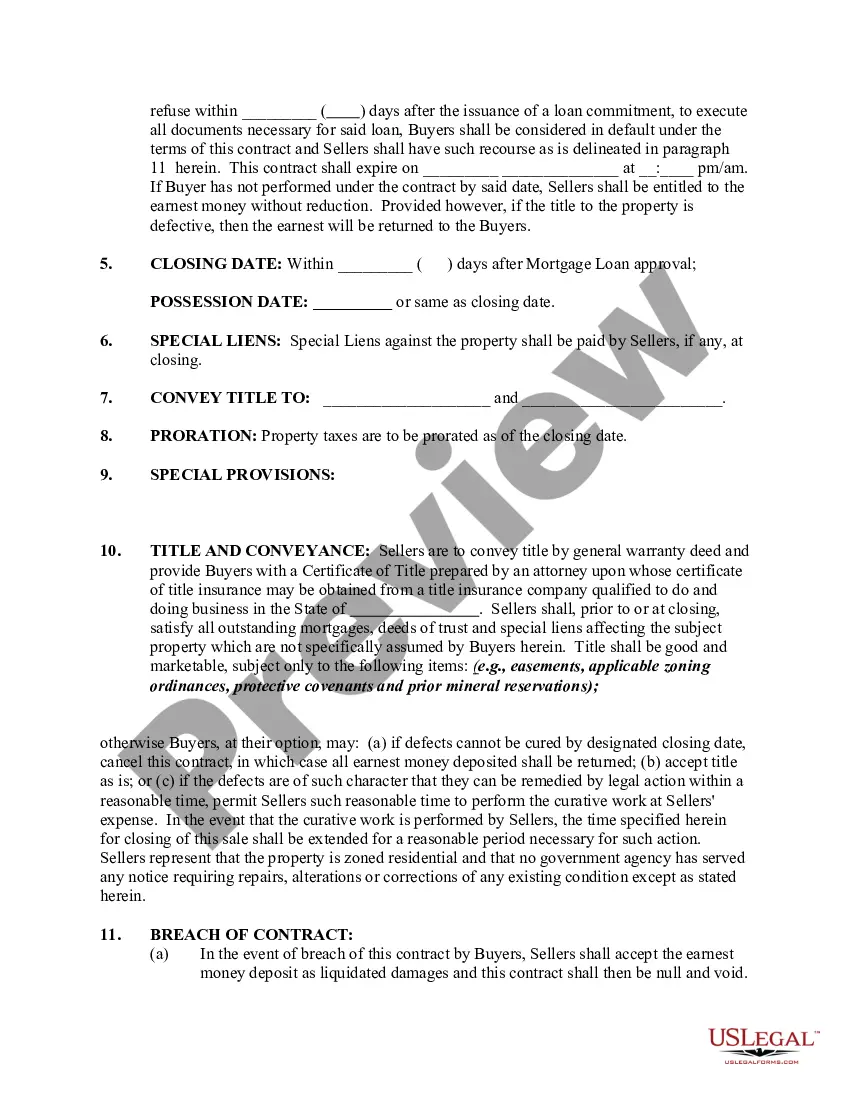
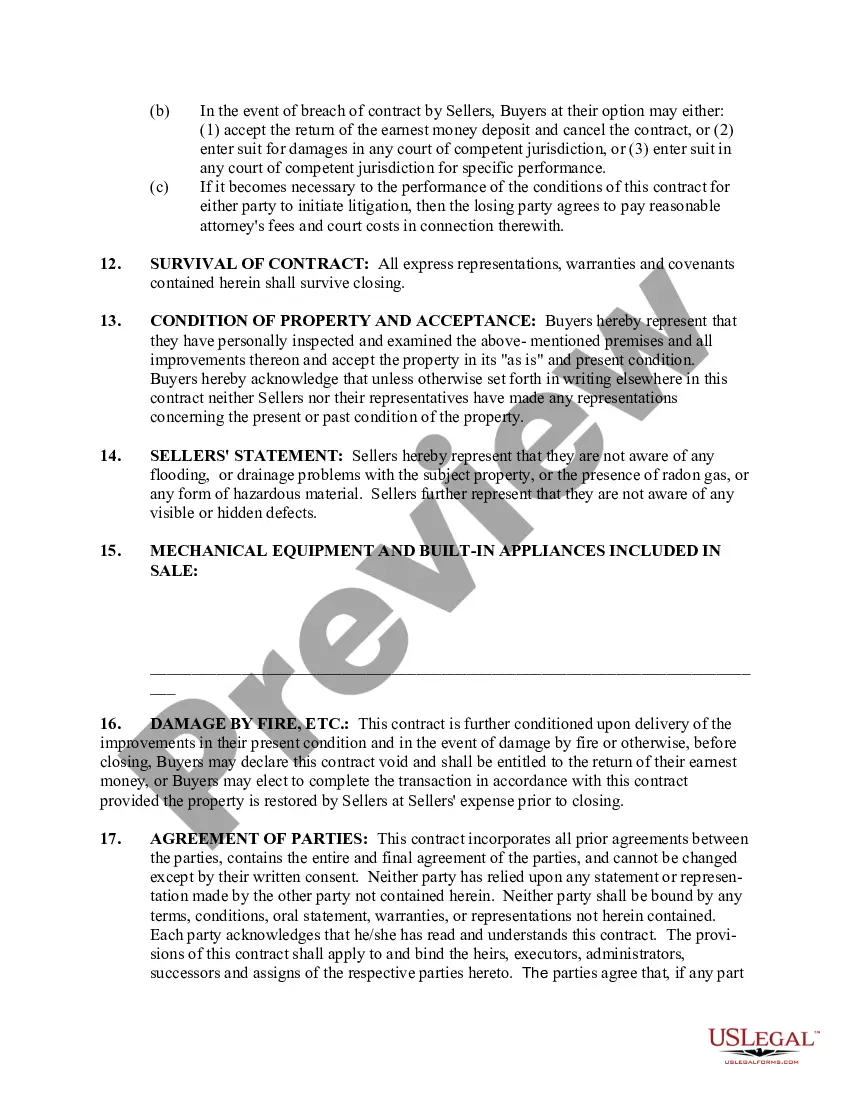
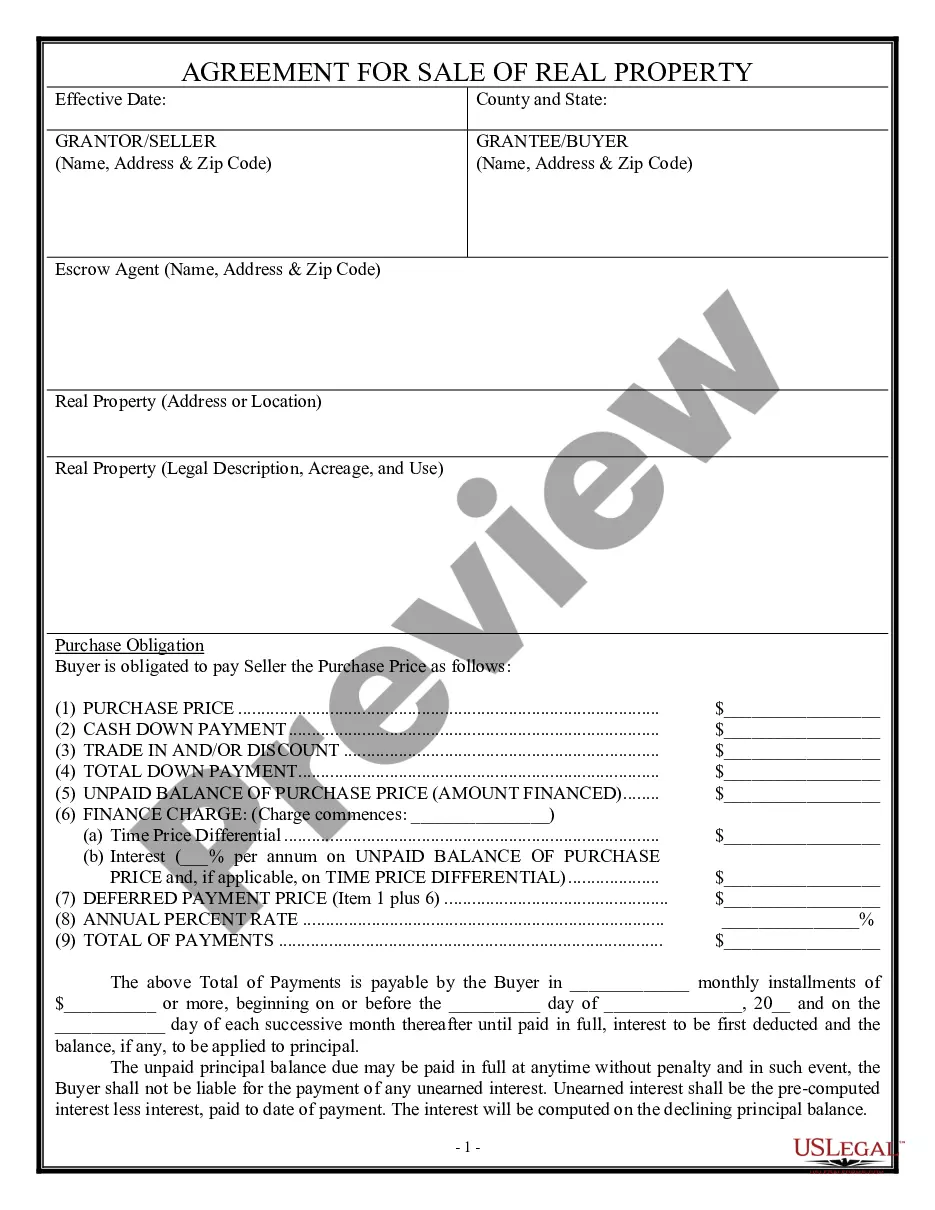
Get your form ready online
Our built-in tools help you complete, sign, share, and store your documents in one place.
Make edits, fill in missing information, and update formatting in US Legal Forms—just like you would in MS Word.
Download a copy, print it, send it by email, or mail it via USPS—whatever works best for your next step.
Sign and collect signatures with our SignNow integration. Send to multiple recipients, set reminders, and more. Go Premium to unlock E-Sign.
If this form requires notarization, complete it online through a secure video call—no need to meet a notary in person or wait for an appointment.
We protect your documents and personal data by following strict security and privacy standards.

Make edits, fill in missing information, and update formatting in US Legal Forms—just like you would in MS Word.

Download a copy, print it, send it by email, or mail it via USPS—whatever works best for your next step.

Sign and collect signatures with our SignNow integration. Send to multiple recipients, set reminders, and more. Go Premium to unlock E-Sign.

If this form requires notarization, complete it online through a secure video call—no need to meet a notary in person or wait for an appointment.

We protect your documents and personal data by following strict security and privacy standards.
Looking for another form?






Form popularity
FAQ
A New York style closing is a real estate transaction process in which all necessary documents and funds are exchanged in person at a closing meeting, usually held at the office of a title company or attorney.
Contract Agreements Some contracts also have stipulations and contingencies that can delay closing. For example, a seller might not officially want to sell their home until they've purchased a new domicile themselves. This “waiting period” could delay closing anywhere from a few weeks to a few months.
A real estate transaction closing in which the transaction parties, their counsel, a representative of the title insurance company, and any other necessary parties convene in person to execute and exchange the closing documents and transfer closing funds.
Closing agents, who aid in the selling of a property to a buyer, prepare closing statements. Real estate attorneys, title firms, and escrow officers often act as closing agents.
As for the seller goes, they actually are not required to be present at the closing. They can sign what's called a 'power of attorney', and their attorney can actually sign documents on their behalf in their absence.
Generally, closing takes place between 60 to 90 days after a contract of sale has been signed. It includes many steps that take place at several locations and will include all the parties involved in the sale – buyers, sellers, lenders, attorneys and possibly, even real estate agents.
Follow these steps to closing your business: Decide to close. File dissolution documents. Cancel registrations, permits, licenses, and business names. Comply with employment and labor laws. Resolve financial obligations. Maintain records.
If an amended federal or New York State return is filed reflecting a change in distributable income or in the partner's distributive shares, an amended Unincorporated Business Tax return must be filed within 90 days. Use Form NYC-204 to file an amended return and check the box on page 1.
The Request for Consent to Dissolution is primarily used to obtain approval from the NYC Department of Finance before a corporation can legally dissolve. This form ensures that any outstanding tax liabilities are settled and that the dissolution process adheres to local laws.
Out-of-state corporations doing business in New York may need a Certificate of Authority. This certificate comes from the New York State Department of State (NYSDOS). Businesses should consult an attorney to learn about legal structures.
