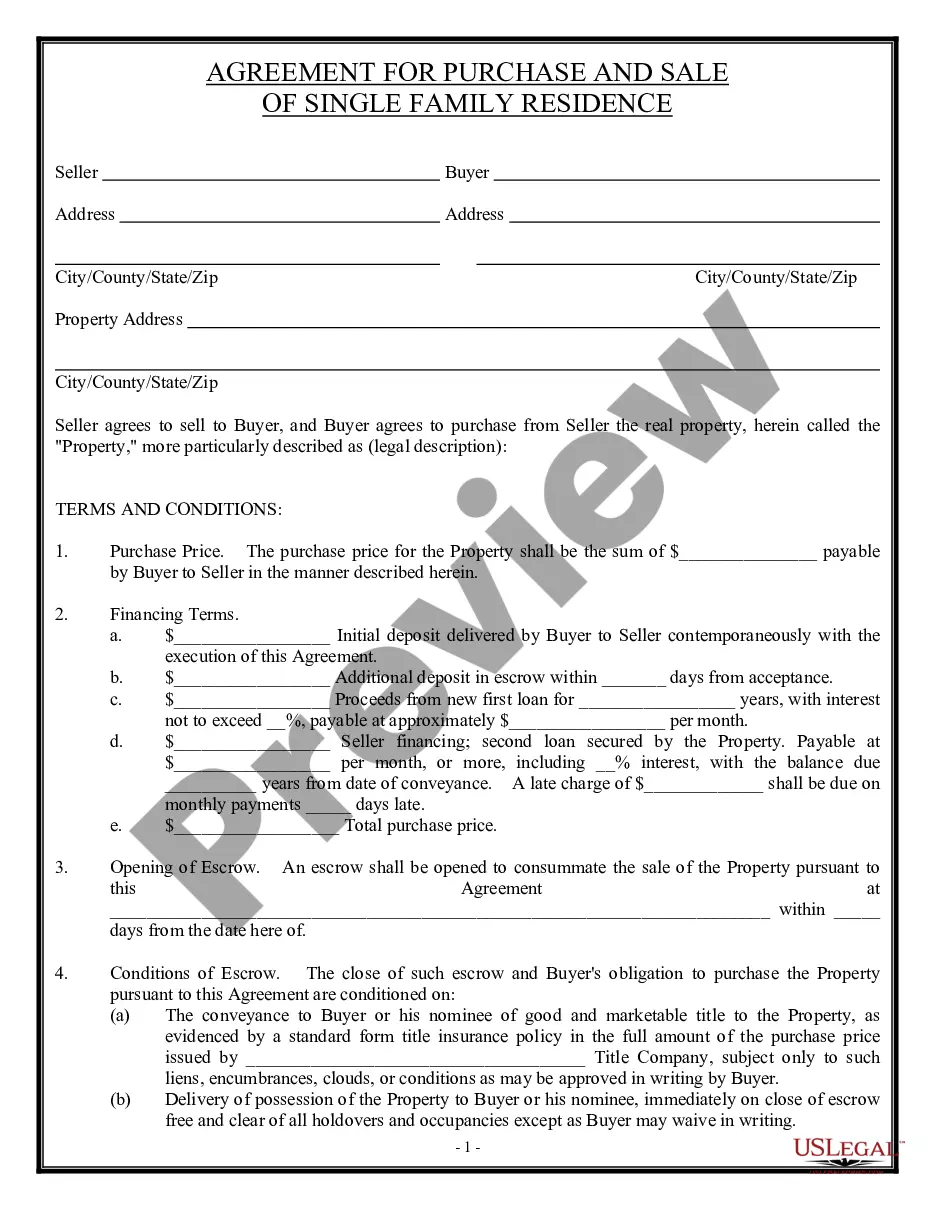
House For Sale By Owner Forms Without In Nevada
Description

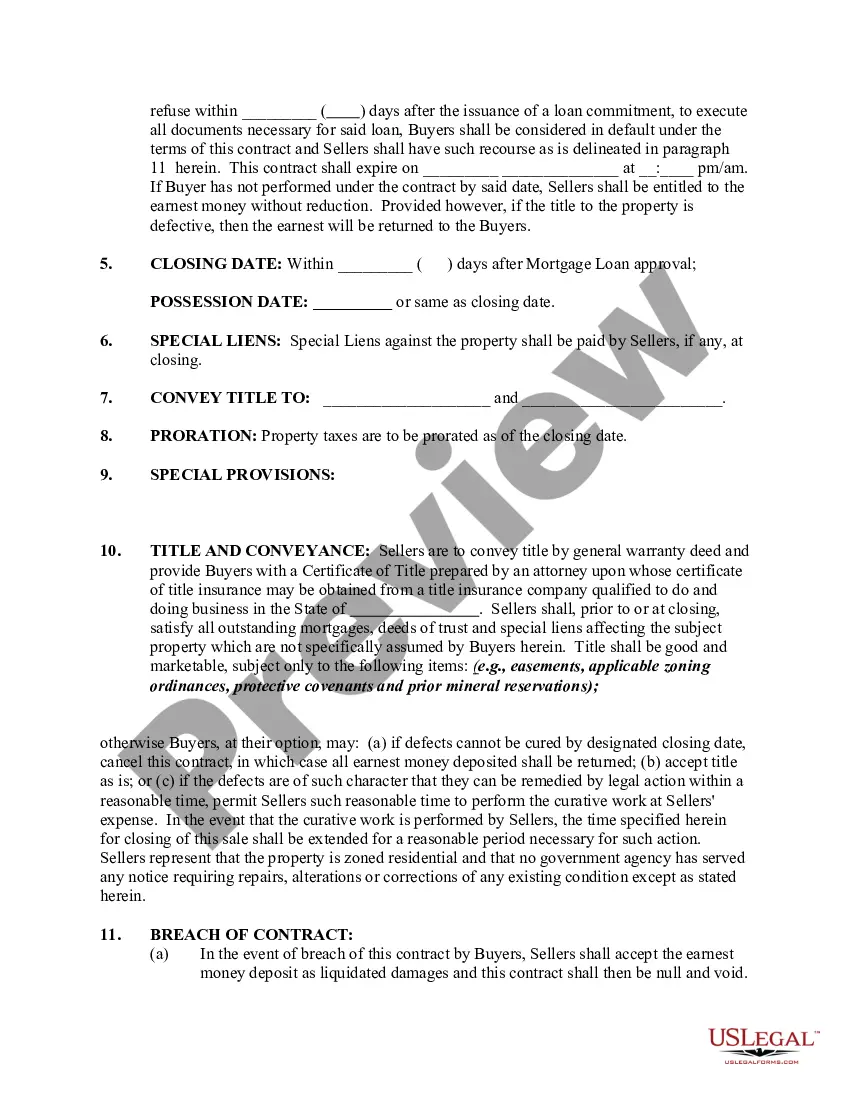
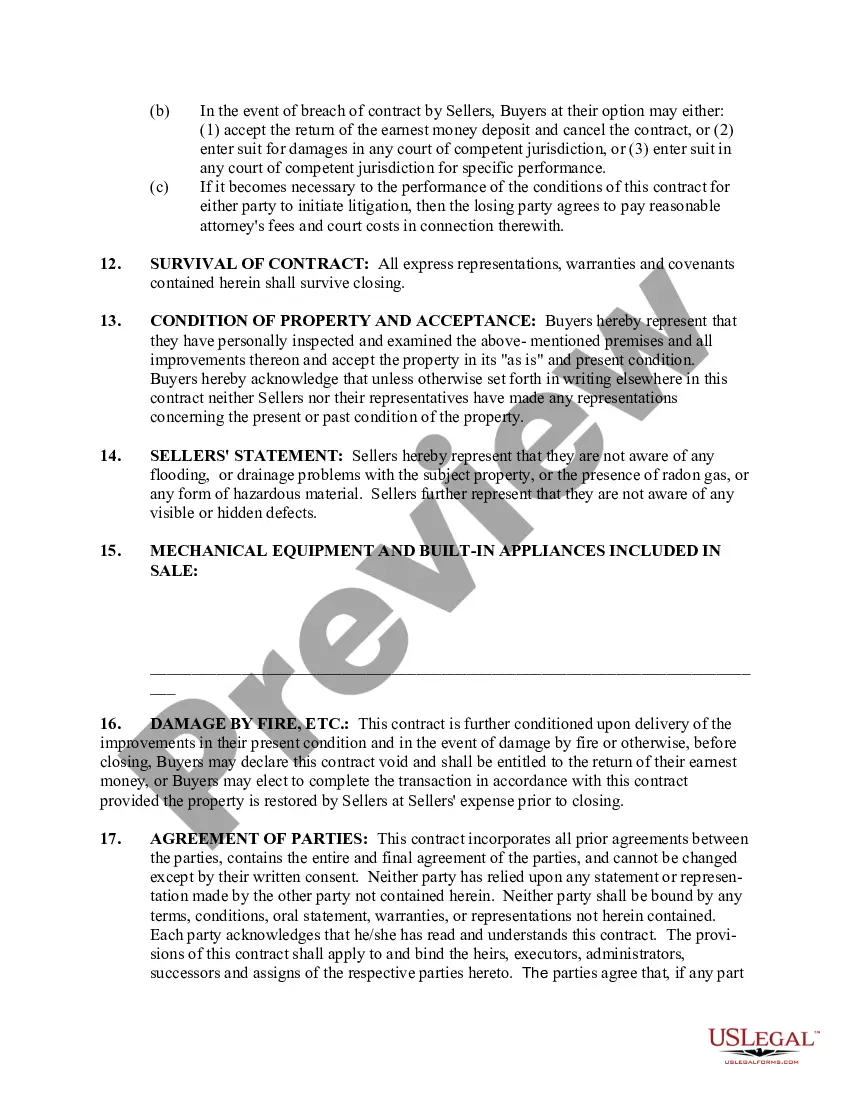
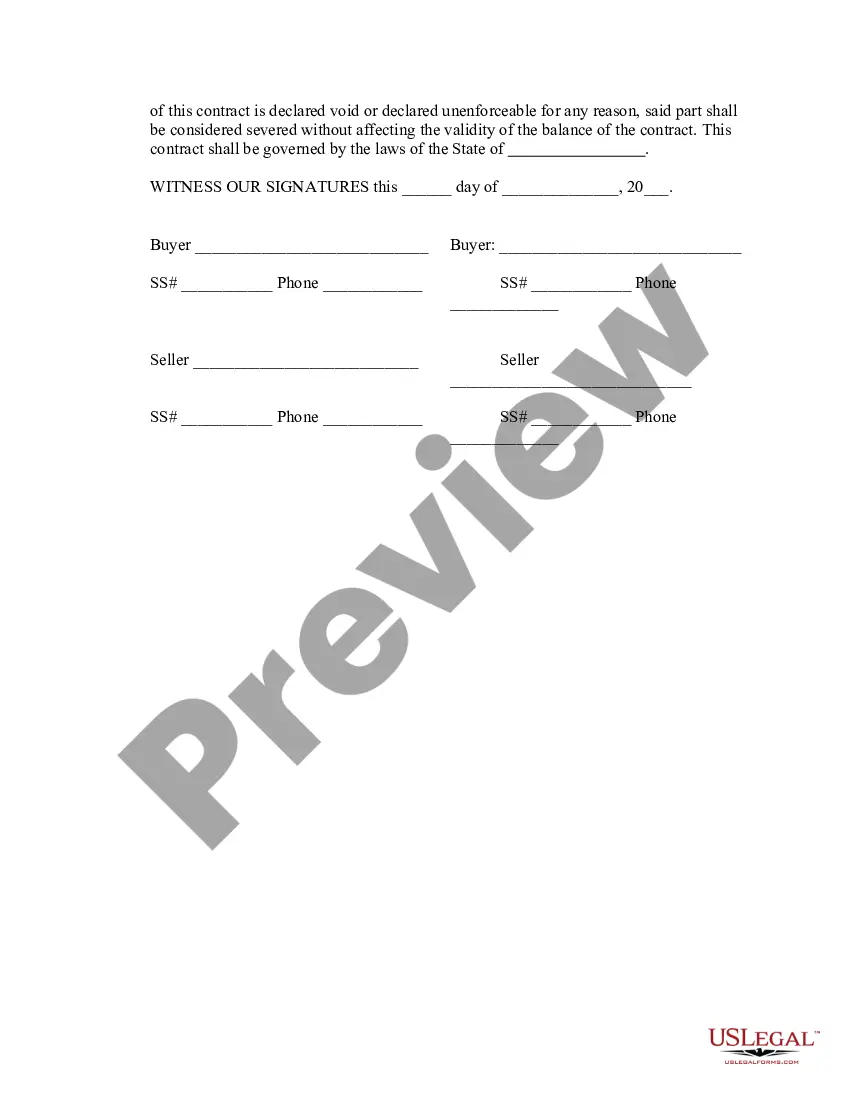
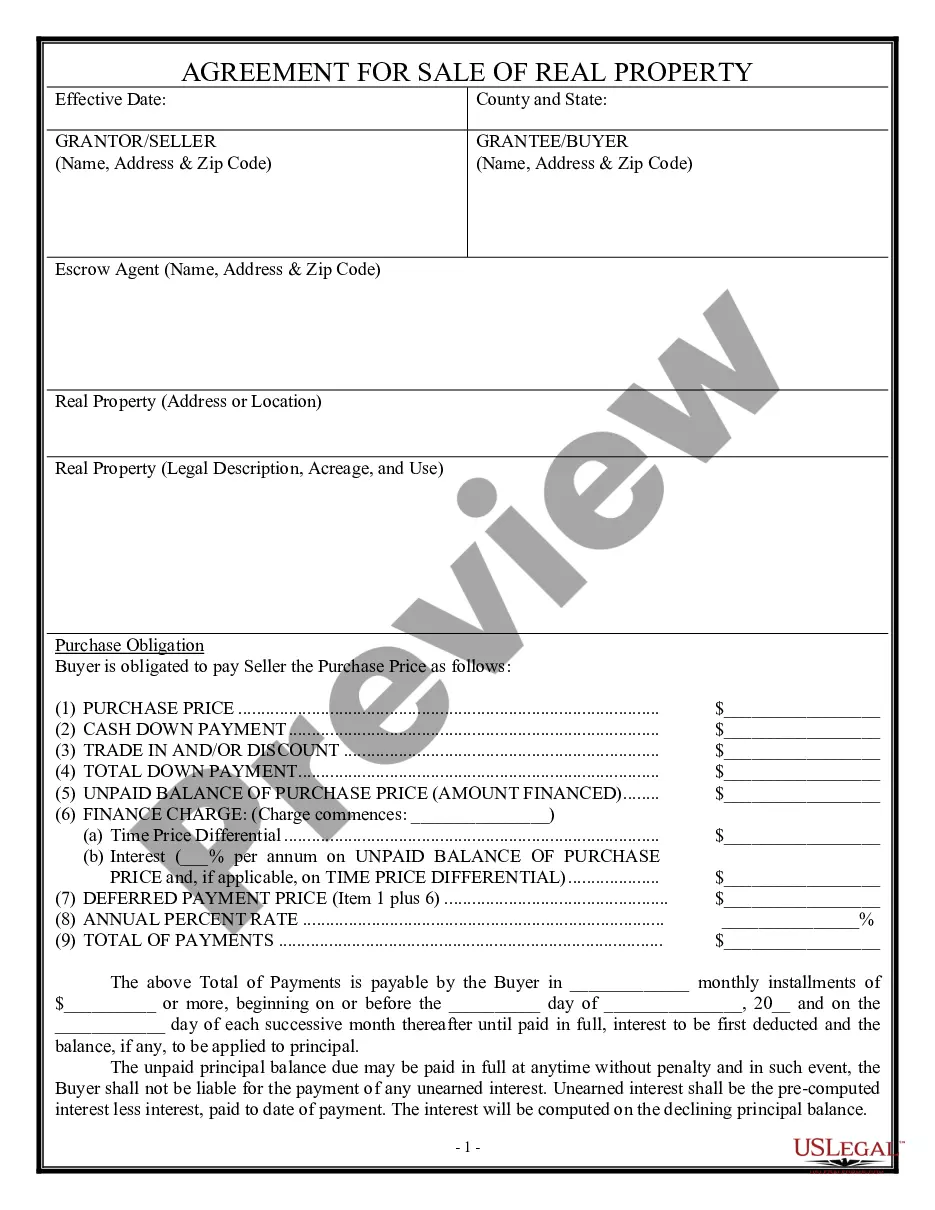
Get your form ready online
Our built-in tools help you complete, sign, share, and store your documents in one place.
Make edits, fill in missing information, and update formatting in US Legal Forms—just like you would in MS Word.
Download a copy, print it, send it by email, or mail it via USPS—whatever works best for your next step.
Sign and collect signatures with our SignNow integration. Send to multiple recipients, set reminders, and more. Go Premium to unlock E-Sign.
If this form requires notarization, complete it online through a secure video call—no need to meet a notary in person or wait for an appointment.
We protect your documents and personal data by following strict security and privacy standards.

Make edits, fill in missing information, and update formatting in US Legal Forms—just like you would in MS Word.

Download a copy, print it, send it by email, or mail it via USPS—whatever works best for your next step.

Sign and collect signatures with our SignNow integration. Send to multiple recipients, set reminders, and more. Go Premium to unlock E-Sign.

If this form requires notarization, complete it online through a secure video call—no need to meet a notary in person or wait for an appointment.

We protect your documents and personal data by following strict security and privacy standards.
Looking for another form?









Form popularity
FAQ
Although Nevada doesn't generally require a real estate attorney, certain circumstances may necessitate their involvement: Court-ordered sales: Legal proceedings such as probate sales often require attorney oversight.
Unlike some states where a real estate attorney must oversee all real estate transactions, Nevada does not legally require the presence of an attorney for most property dealings. Instead, many transactions can proceed with the assistance of a licensed real estate agent or broker.
Several states have laws on the books mandating the physical presence of an attorney or other types of involvement at real estate closings, including: Alabama, Connecticut, Delaware, District of Columbia, Florida, Georgia, Kansas, Kentucky, Maine, Maryland, Massachusetts, Mississippi, New Hampshire, New Jersey, New ...
Real estate attorneys are required in many states, but even if you aren't legally required to use an attorney while selling, it can be a good idea.
This is called the buyer's due diligence period and is typically ten days unless agreed upon otherwise in the contract. The seller is obligated to provide the Homeowner's Association Documents, and the buyer has five days to review those documents once delivered.
Disclosure Laws and Requirements for Florida Home Sellers Florida case law provides that, with some exceptions, a residential home seller must disclose any facts or conditions about the property that have a substantial impact on its value or desirability and that others cannot easily see for themselves.
Except as otherwise provided in subsection 2: (a) At least 10 days before residential property is conveyed to a purchaser: (1) The seller shall complete a disclosure form regarding the residential property; and (2) The seller or the seller's agent shall serve the purchaser or the purchaser's agent with the completed ...
Sellers are required to disclose property information to the realtor and potential buyers based on state and local laws. A disclosure document details a property's condition and what might negatively affect its value. Sellers who willfully conceal information can be sued and potentially convicted of a crime.
