Sell Closure Property With Example In Nassau
Description

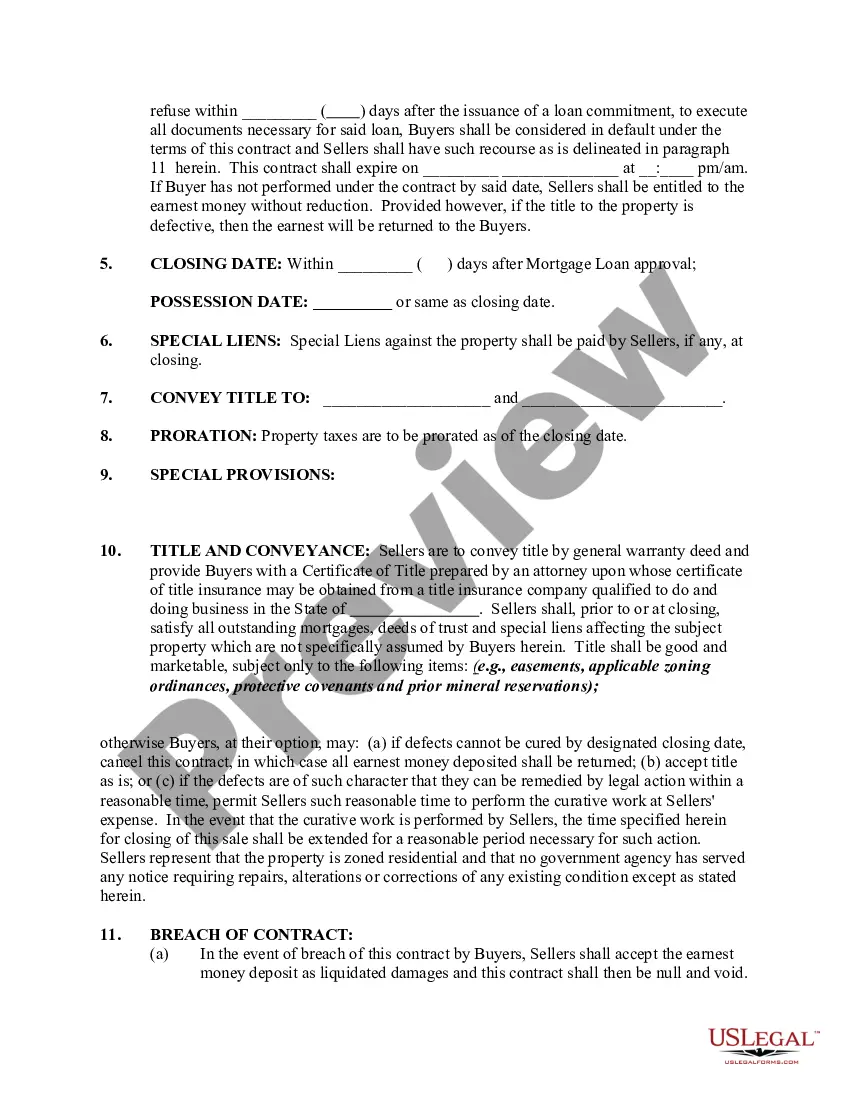
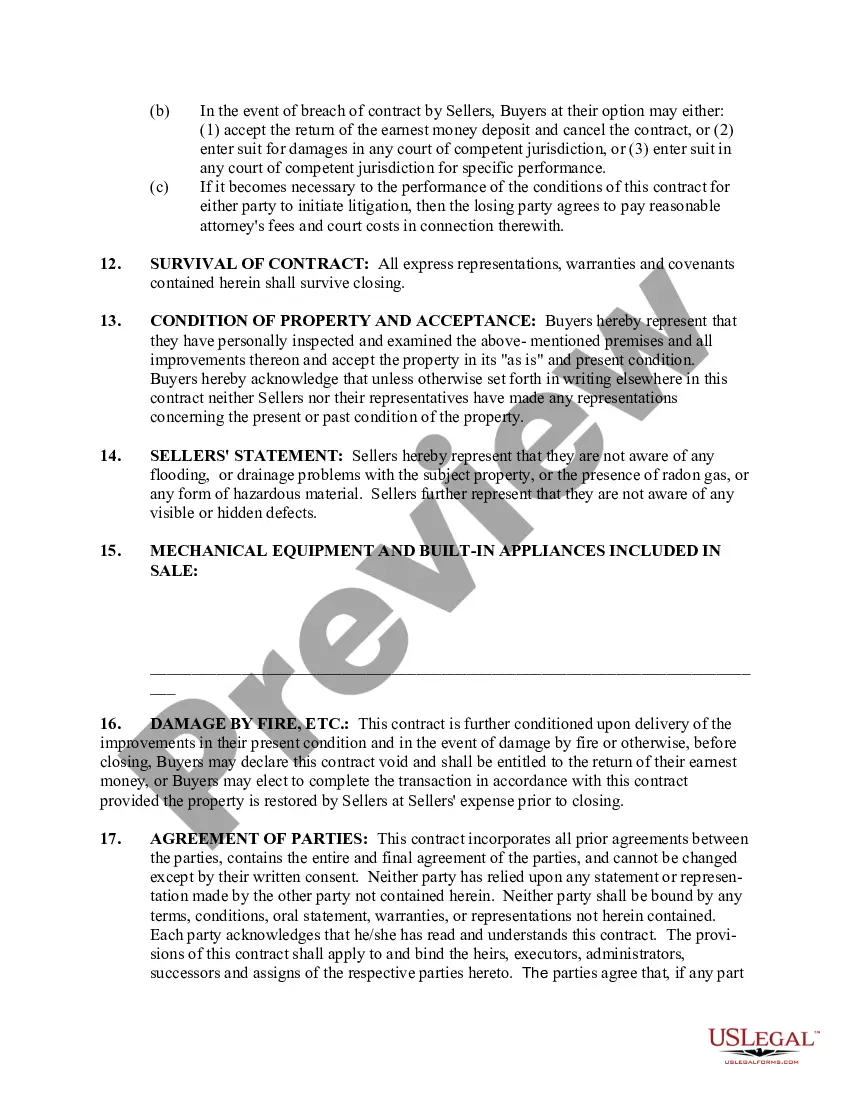
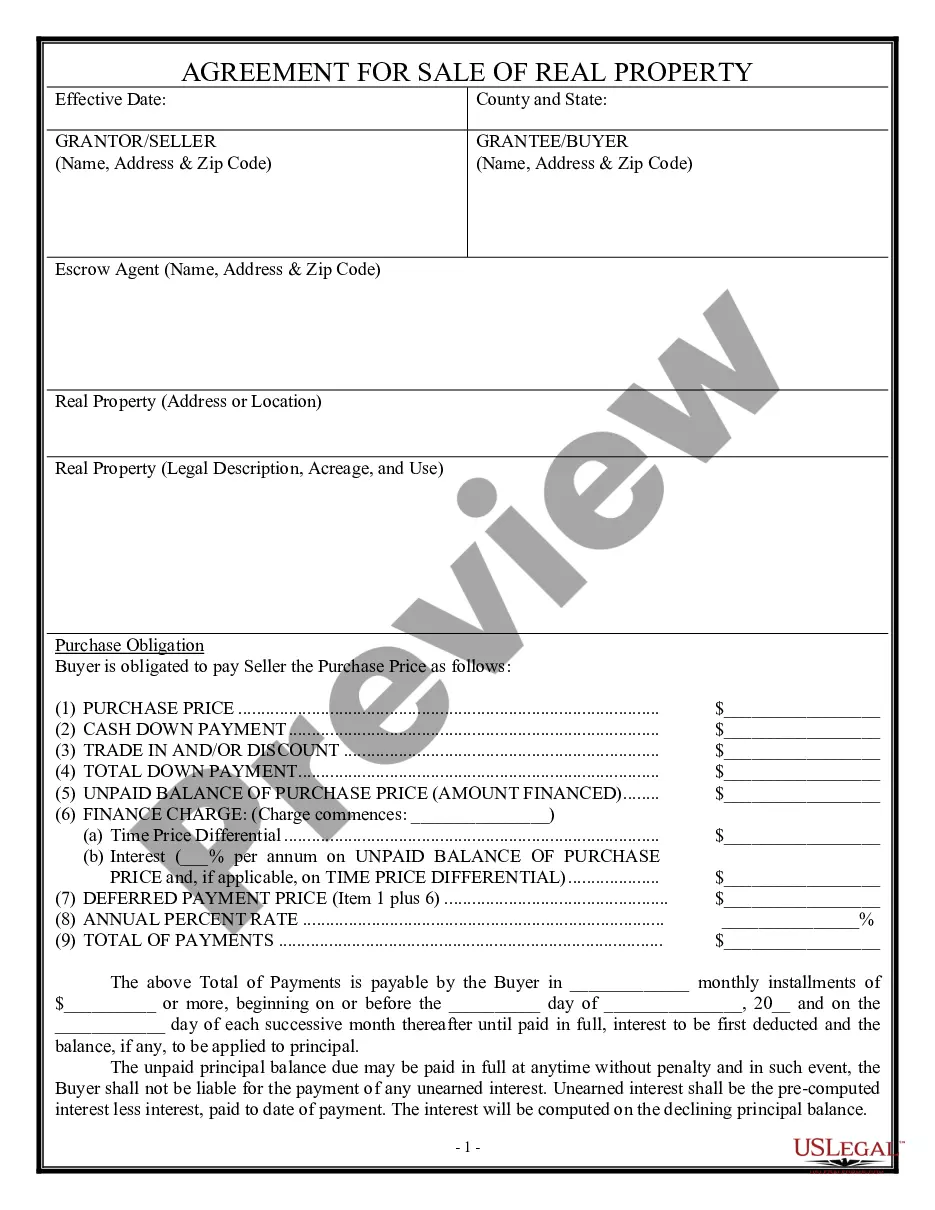
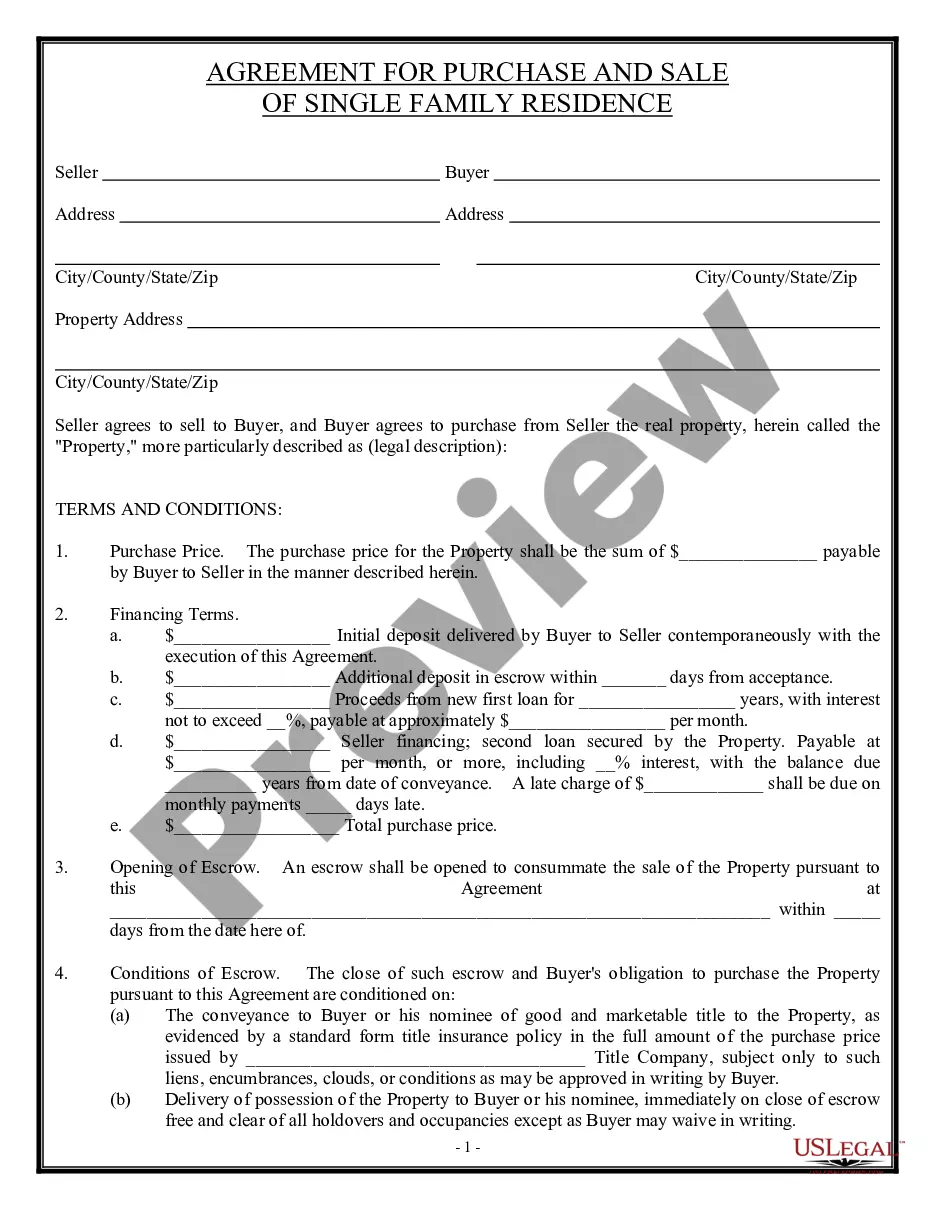
Get your form ready online
Our built-in tools help you complete, sign, share, and store your documents in one place.
Make edits, fill in missing information, and update formatting in US Legal Forms—just like you would in MS Word.
Download a copy, print it, send it by email, or mail it via USPS—whatever works best for your next step.
Sign and collect signatures with our SignNow integration. Send to multiple recipients, set reminders, and more. Go Premium to unlock E-Sign.
If this form requires notarization, complete it online through a secure video call—no need to meet a notary in person or wait for an appointment.
We protect your documents and personal data by following strict security and privacy standards.

Make edits, fill in missing information, and update formatting in US Legal Forms—just like you would in MS Word.

Download a copy, print it, send it by email, or mail it via USPS—whatever works best for your next step.

Sign and collect signatures with our SignNow integration. Send to multiple recipients, set reminders, and more. Go Premium to unlock E-Sign.

If this form requires notarization, complete it online through a secure video call—no need to meet a notary in person or wait for an appointment.

We protect your documents and personal data by following strict security and privacy standards.
Looking for another form?






Form popularity
FAQ
For savvy investors, the Bahamas can be a profitable venture. Investing in Bahamian real estate can yield promising returns thanks to its booming tourism industry, stable economy, and capital growth. From beachfront condos to luxury villas, a diverse range of properties suit your investment strategies.
There are no restrictions on foreigners buying property in the Bahamas. Property purchasers are eligible for an annual Home Owners Resident Card, and those buying a property valued at $500,000 and above are given priority in permanent residence applications.
There are no restrictions on foreigners buying property in the Bahamas. Property purchasers are eligible for an annual Home Owners Resident Card, and those buying a property valued at $500,000 and above are given priority in permanent residence applications.
Owning property in The Bahamas comes with several tax benefits, including no property tax, no capital gains tax, and no inheritance tax.
Closure property We can say that rational numbers are closed under addition, subtraction and multiplication. For example: (7/6)+(2/5) = 47/30. (5/6) – (1/3) = 1/2.
The closure property for addition of polynomials says that the addition of any polynomials will result in a polynomial. Examples: 1 and x are polynomials, as is their sum: 1+x. x^3 -5 and x+5 are polynomials, as is their sum: (x^3 -5) +(x+5) = x^3 -x.
Commutative property is applicable only for addition and multiplication processes. Thus, it means we can change the position or swap the numbers when adding or multiplying any two numbers. This is one of the major properties of integers. For example: 1+2 = 2+1 and 2 x 3 = 3 x 2.
Closure Property Examples Add-15 + 2 = -13Sum is an integer Subtract -15 - 2 = -17 Difference is an integer Multiply -15 x 2= -30 Product is an integer Divide -15 / 2 = -7.5 Quotient is not an integer
Closure property of addition states that in a defined set, for example, the set of all positive numbers is closed with respect to addition since the sum obtained adding any 2 positive numbers is also a positive number which is a part of the same set. Consider the set of all positive numbers: {1, 2, 3, 4, 5...}
