Sell Closure Property For Integers In Minnesota
Description

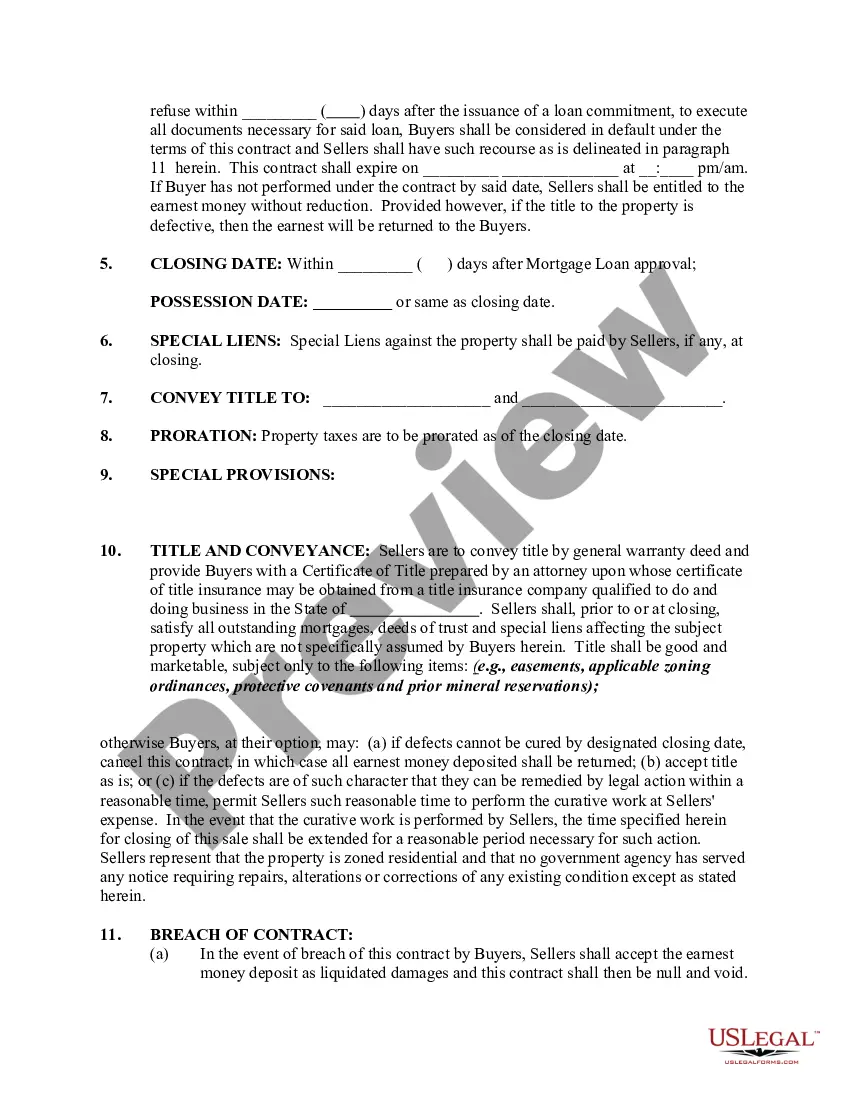
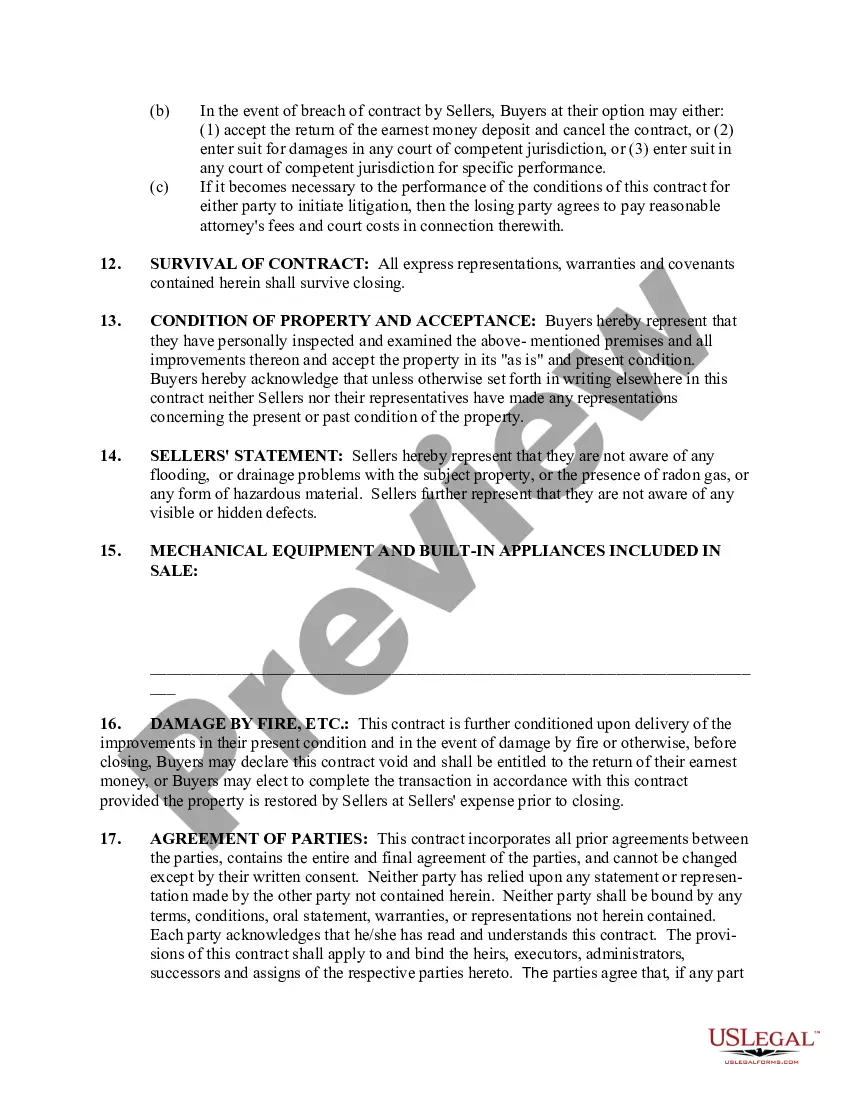
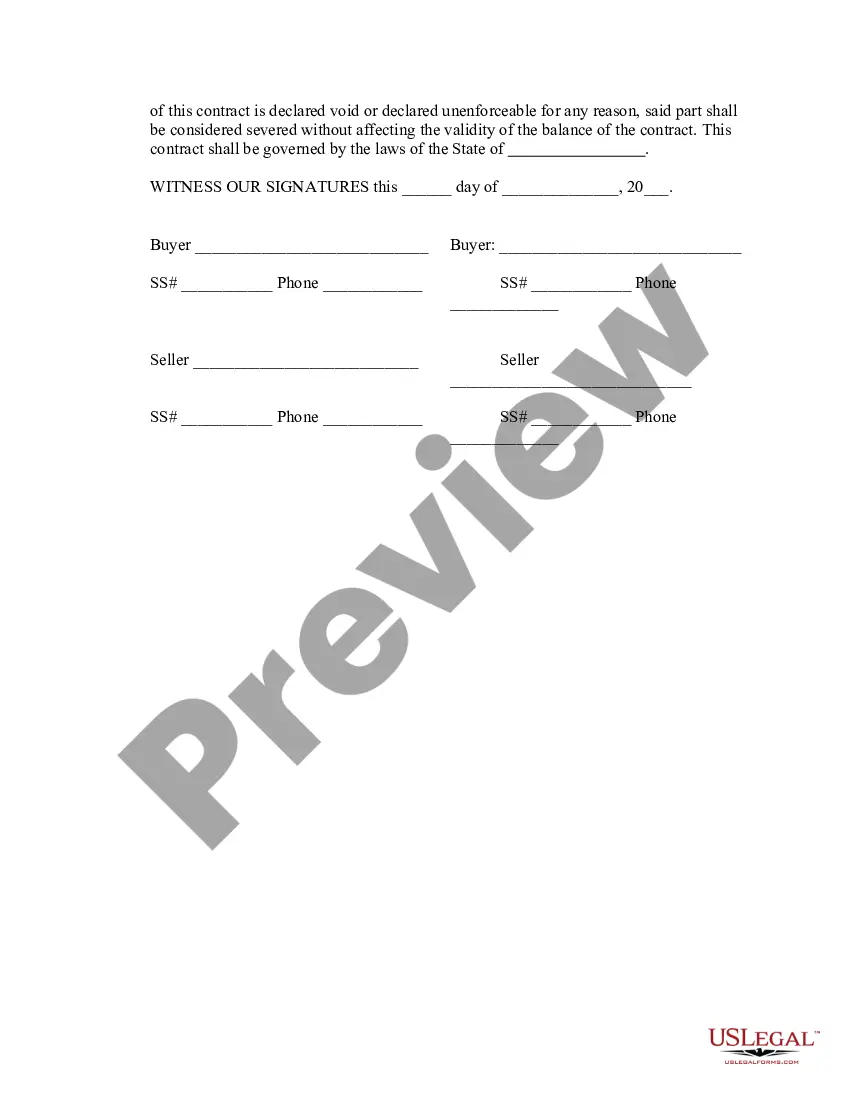
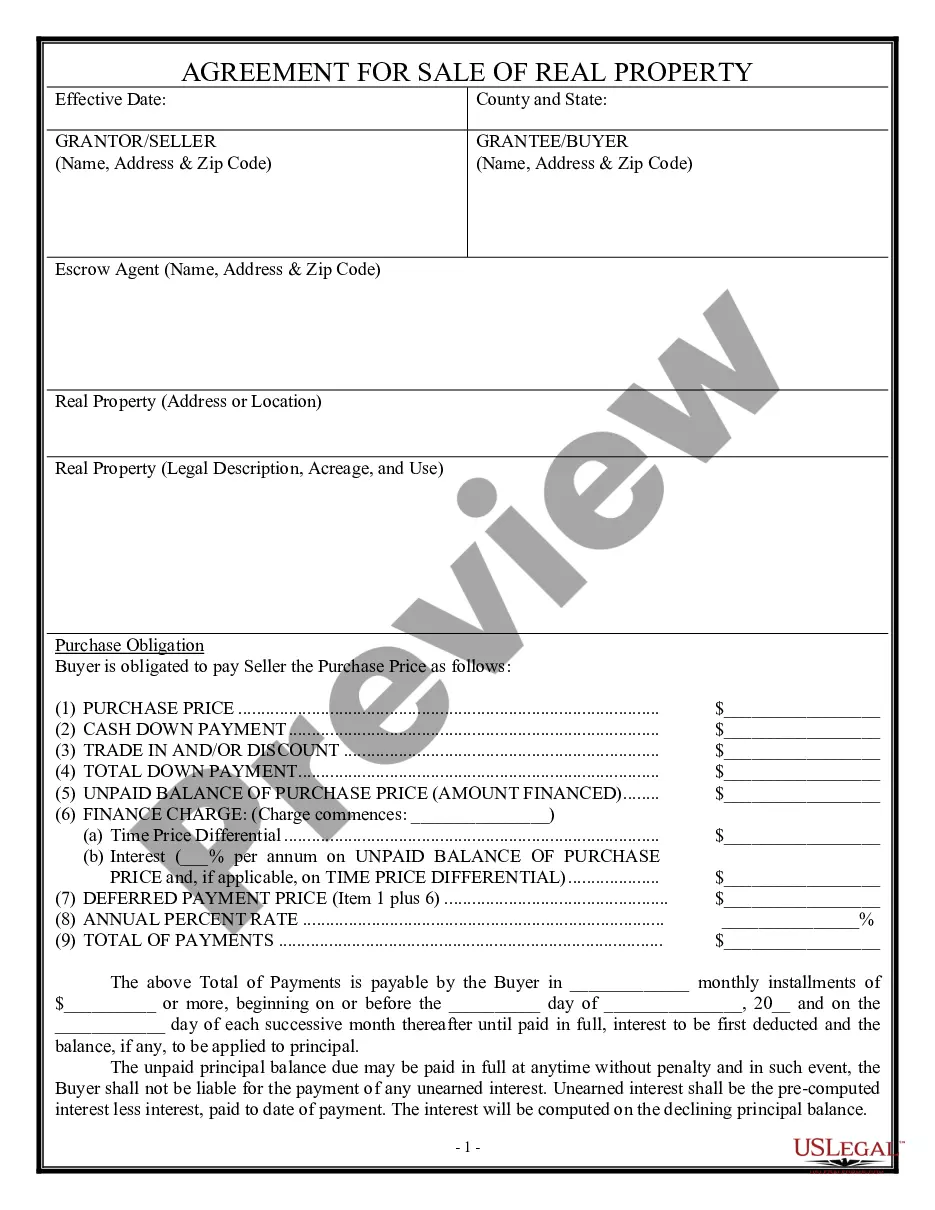
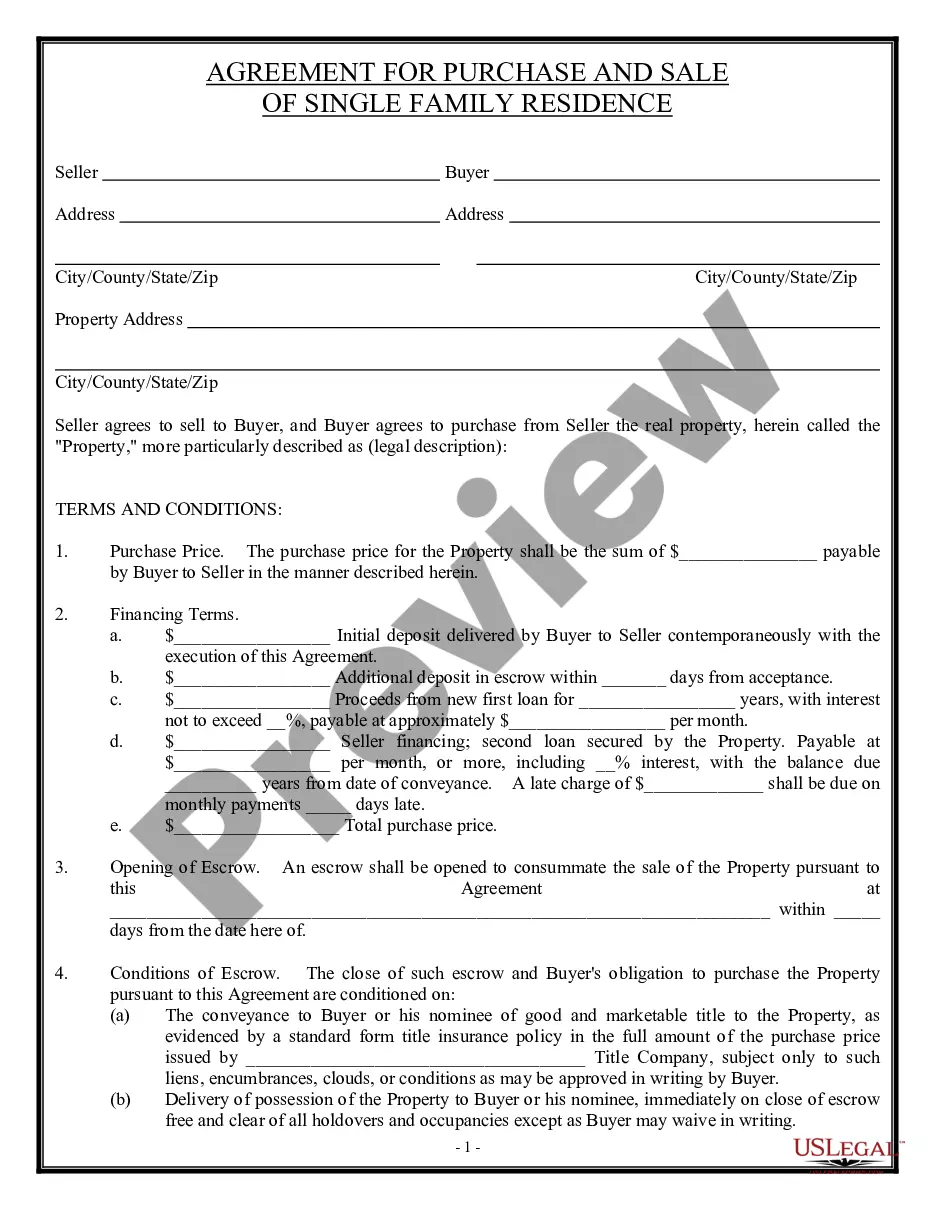
Get your form ready online
Our built-in tools help you complete, sign, share, and store your documents in one place.
Make edits, fill in missing information, and update formatting in US Legal Forms—just like you would in MS Word.
Download a copy, print it, send it by email, or mail it via USPS—whatever works best for your next step.
Sign and collect signatures with our SignNow integration. Send to multiple recipients, set reminders, and more. Go Premium to unlock E-Sign.
If this form requires notarization, complete it online through a secure video call—no need to meet a notary in person or wait for an appointment.
We protect your documents and personal data by following strict security and privacy standards.

Make edits, fill in missing information, and update formatting in US Legal Forms—just like you would in MS Word.

Download a copy, print it, send it by email, or mail it via USPS—whatever works best for your next step.

Sign and collect signatures with our SignNow integration. Send to multiple recipients, set reminders, and more. Go Premium to unlock E-Sign.

If this form requires notarization, complete it online through a secure video call—no need to meet a notary in person or wait for an appointment.

We protect your documents and personal data by following strict security and privacy standards.
Looking for another form?









Form popularity
FAQ
What Are the Steps to Financial Close? Identify transactions and record them in a journal. Post to the general ledger. Prepare an unadjusted trial balance. Reconcile debits and credits. Create adjusting journal entries. Run an adjusted trial balance and financial statements. Close the books and generate financial reports.
The closing process involves four specific steps: Step 1: Close revenue accounts to Income Summary. Income Summary is a temporary account used during the closing process. Step 2: Close expense accounts to Income Summary. Step 3: Close Income Summary to Retained Earnings. Step 4: Close dividends to Retained Earnings.
In Minnesota, property taxes are usually split between the buyer and seller at closing. The seller pays the property's taxes for the time they owned the home before the sale.
The closing process typically begins with reviewing and reconciling accounts to identify discrepancies and errors. Adjusting entries are then recorded to account for accruals, deferrals, depreciation, and other adjustments necessary to reflect the correct financial position.
Closure property holds for addition, subtraction and multiplication of integers. Closure property of integers under addition: The sum of any two integers will always be an integer, i.e. if a and b are any two integers, a + b will be an integer.
Typically, executors have the authority to sell property without needing unanimous consent from all heirs. However, if the decision to sell is contested, an executor might need to seek approval from the probate court.
(a) Before signing an agreement to sell or transfer real property, the seller must disclose in writing to the buyer information about the status and location of all known wells on the property, by delivering to the buyer either a statement by the seller that the seller does not know of any wells on the property, or a ...
Minnesota law specifies that the seller of a residential property must make a written disclosure to the prospective buyer that includes all “material facts of which the seller is aware that could adversely and significantly affect 1) an ordinary buyer's use and enjoyment of the property, or 2) any intended use of the ...
Minnesota Statute 160.232 applies to all areas outside city boundaries and places limitations on where and when road authorities can mow or permit mowing the highway right of way. The statute allows mowing the full right of way only during the month of August.
(a) Before signing an agreement to sell or transfer real property, the seller must disclose in writing to the buyer information about the status and location of all known wells on the property, by delivering to the buyer either a statement by the seller that the seller does not know of any wells on the property, or a ...