Closing Any Property Within The State In Miami-Dade
Description

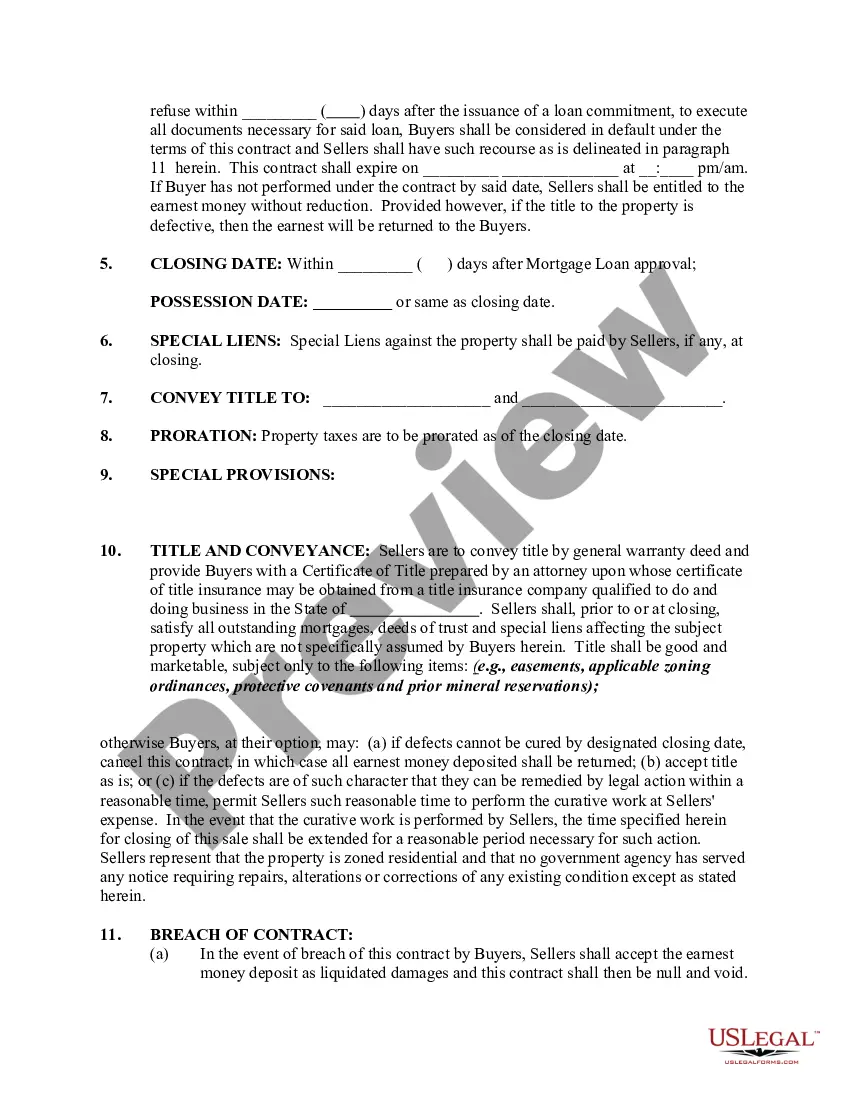
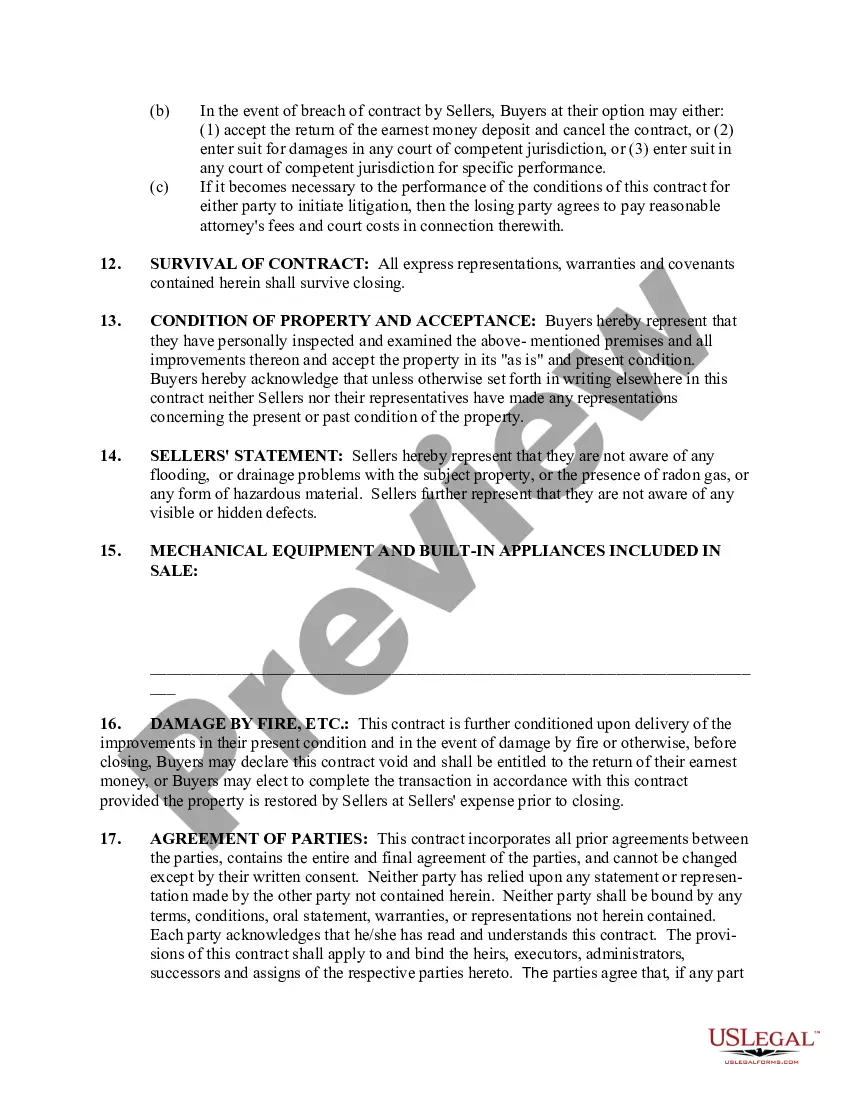
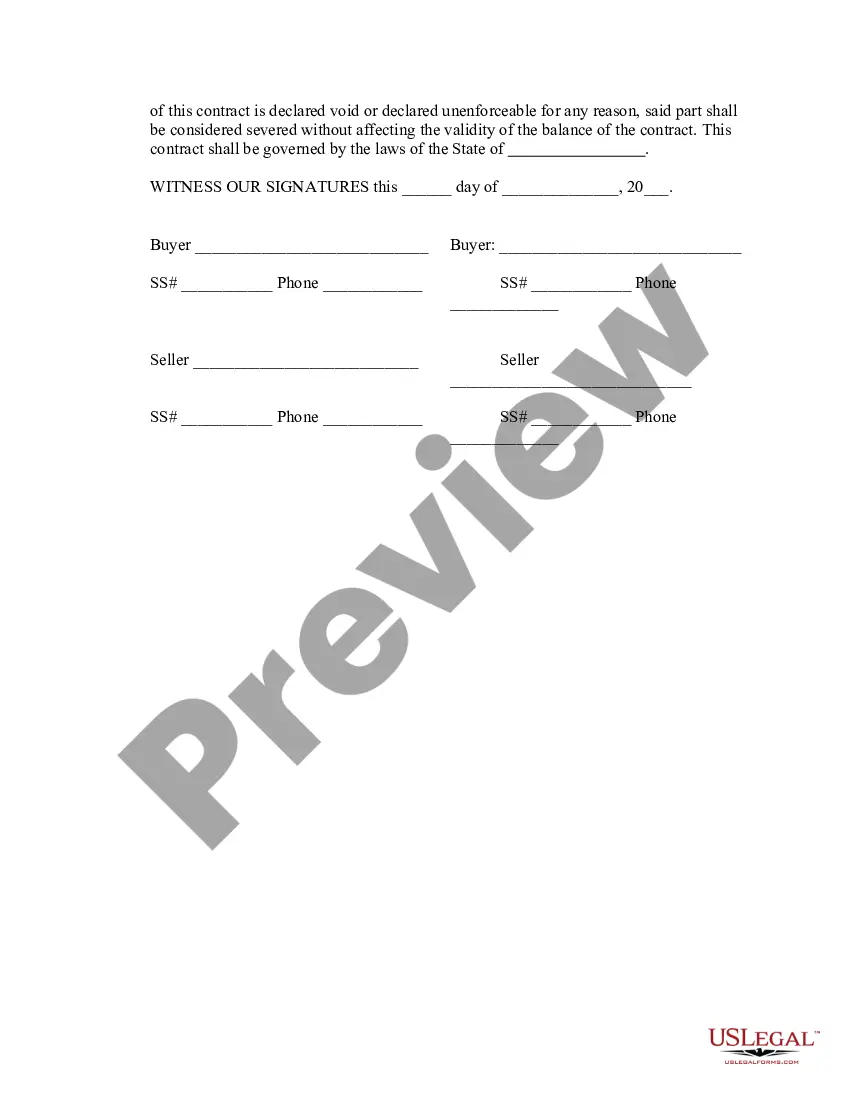
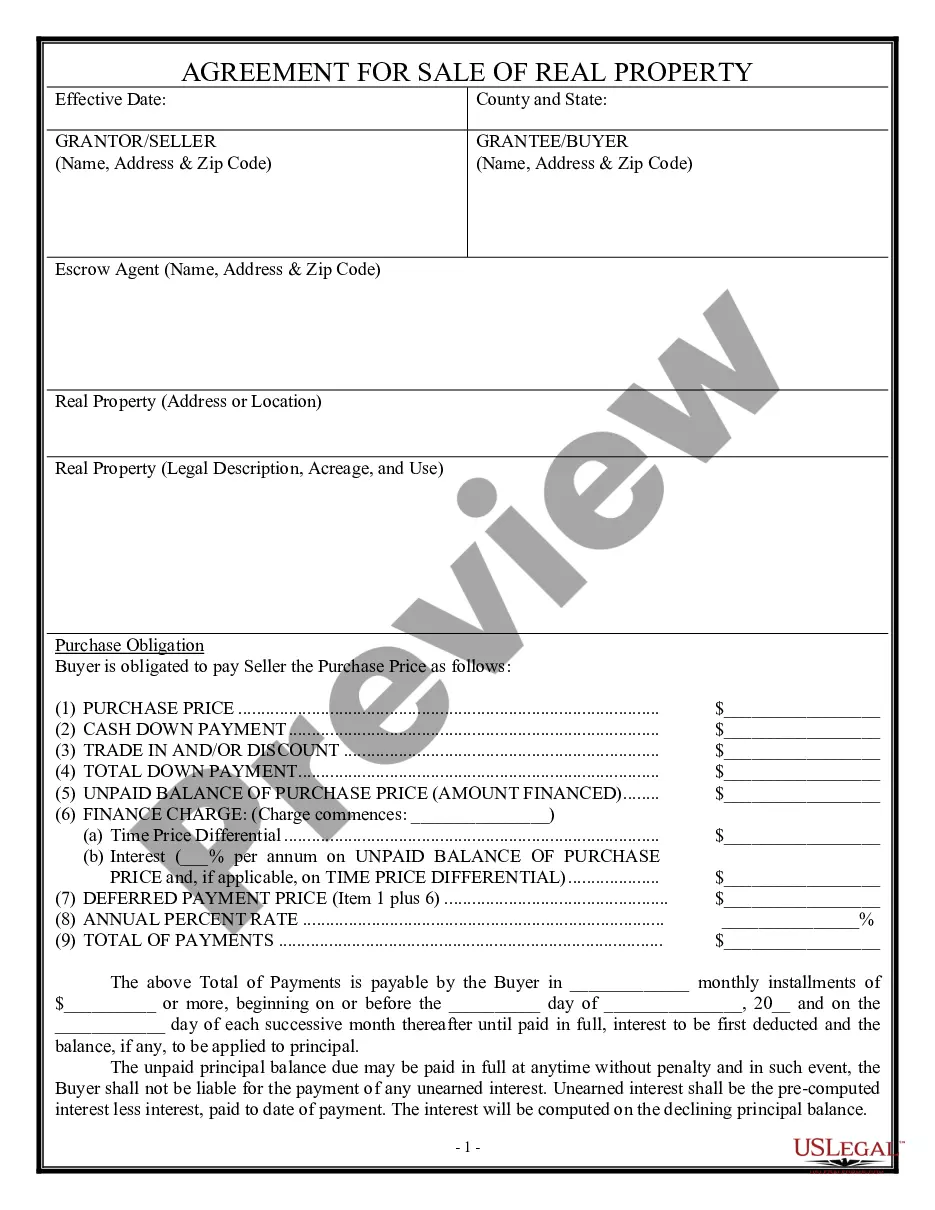
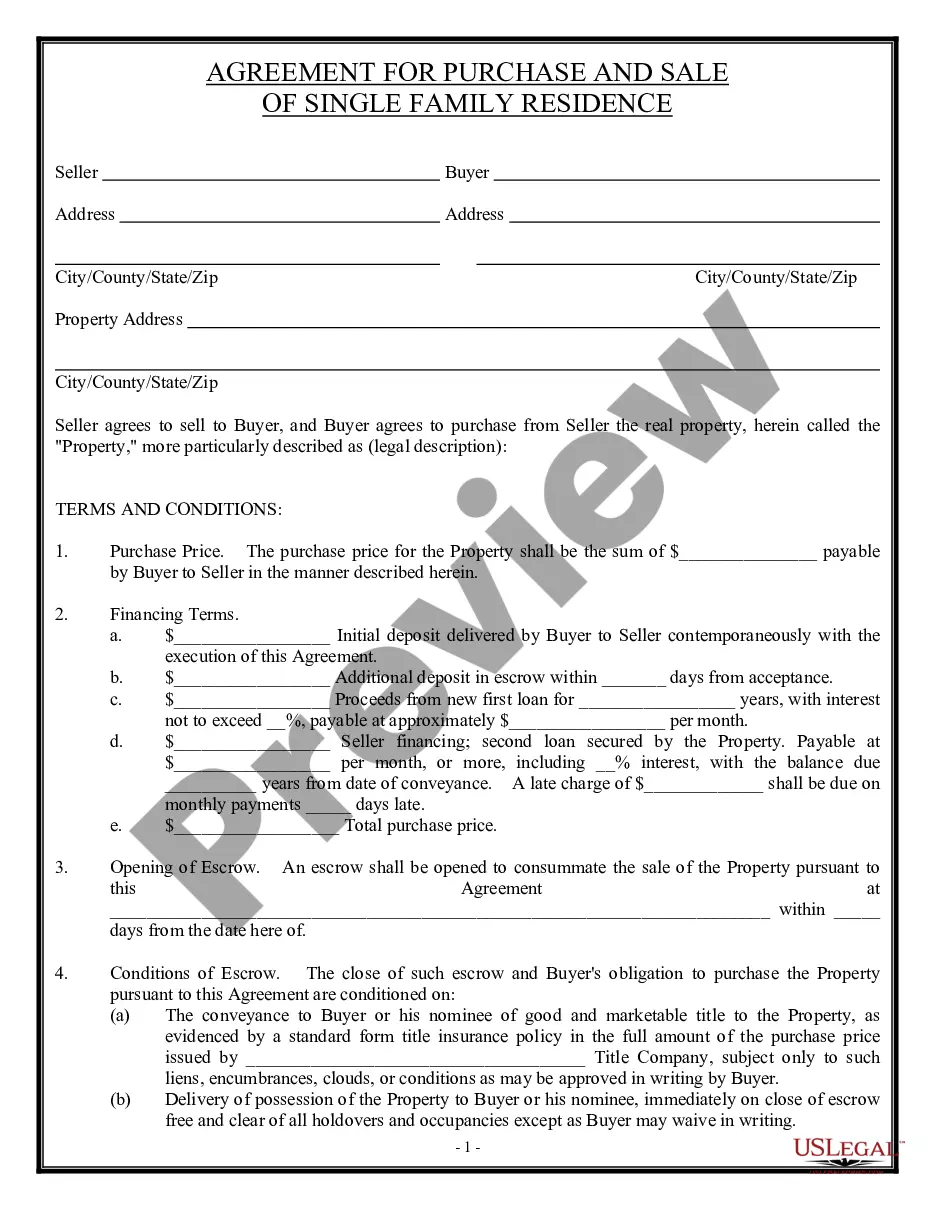
Get your form ready online
Our built-in tools help you complete, sign, share, and store your documents in one place.
Make edits, fill in missing information, and update formatting in US Legal Forms—just like you would in MS Word.
Download a copy, print it, send it by email, or mail it via USPS—whatever works best for your next step.
Sign and collect signatures with our SignNow integration. Send to multiple recipients, set reminders, and more. Go Premium to unlock E-Sign.
If this form requires notarization, complete it online through a secure video call—no need to meet a notary in person or wait for an appointment.
We protect your documents and personal data by following strict security and privacy standards.

Make edits, fill in missing information, and update formatting in US Legal Forms—just like you would in MS Word.

Download a copy, print it, send it by email, or mail it via USPS—whatever works best for your next step.

Sign and collect signatures with our SignNow integration. Send to multiple recipients, set reminders, and more. Go Premium to unlock E-Sign.

If this form requires notarization, complete it online through a secure video call—no need to meet a notary in person or wait for an appointment.

We protect your documents and personal data by following strict security and privacy standards.
Looking for another form?








Form popularity
FAQ
From front property line, seventy-five (75) feet. From rear property line, seven and one-half (7½) feet. Between buildings on same lot, parcel or tract of land, twenty (20) feet. From interior side property line, twenty (20) feet.
Reach out to real estate agents in the area who can help you locate listings. A real estate agent will typically be the first to know when something goes to market. Public auctions can be another great way to find foreclosed homes. Check local listings for auctions in your area.
Steps to file a mechanics lien in Miami-Dade County Step 1: Get The Right Form & Meet Margin Requirements. Step 2: Calculating Your Miami-Dade County Filing Fees. Step 3: Serve the Mechanics Lien. Step 4: File your lien with the Miami-Dade County Clerk.
Foreclosures are public record and most counties publish their records online today. When you're looking into foreclosures, head to the county assessor's first. All you need is the property address for this step. Once you have the address, enter it into the search bar and get the property's parcel number.
Your folio number can be found on the notice mailed to you. If you do not have your folio number, you can find it by searching for owner name or site address on hcpafl and clicking on property search.
Parcel Identification Number – A numeric or alphanumeric label that uniquely identities a parcel. Government property assessors use various systems, many with common features including geocoding. The government survey system is often used as a basis for parcel identification.
The folio number is a means by which properties are identified in Miami-Dade County. It is also referred to as the parcel identifier and represents a unique number that computer systems use to associate to a property. The folio number is formatted as a 13 digit number (99-9999-999-9999).
You can find your ID number on your property tax notices (usually on the top left of your tax notice). However, if you cannot see it, refer to our map search and either: (i) search your address or, (ii) enter the homeowner's name. The ID number will then be displayed for you!
$5000 DISABILITY EXEMPTION Florida residents with a total and permanent disability or armed service members with at least 10% disability caused by a service-connected disability are eligible. A letter from a Florida physician or a disability award letter from Social Security may be used to verify disability.
What is the difference between Miami Dade and Miami? Miami Dade is a county which is home to 34 cities, towns and villages. Miami is just 1 of the 34.
