Closing Property Title For Liens In Massachusetts
Description

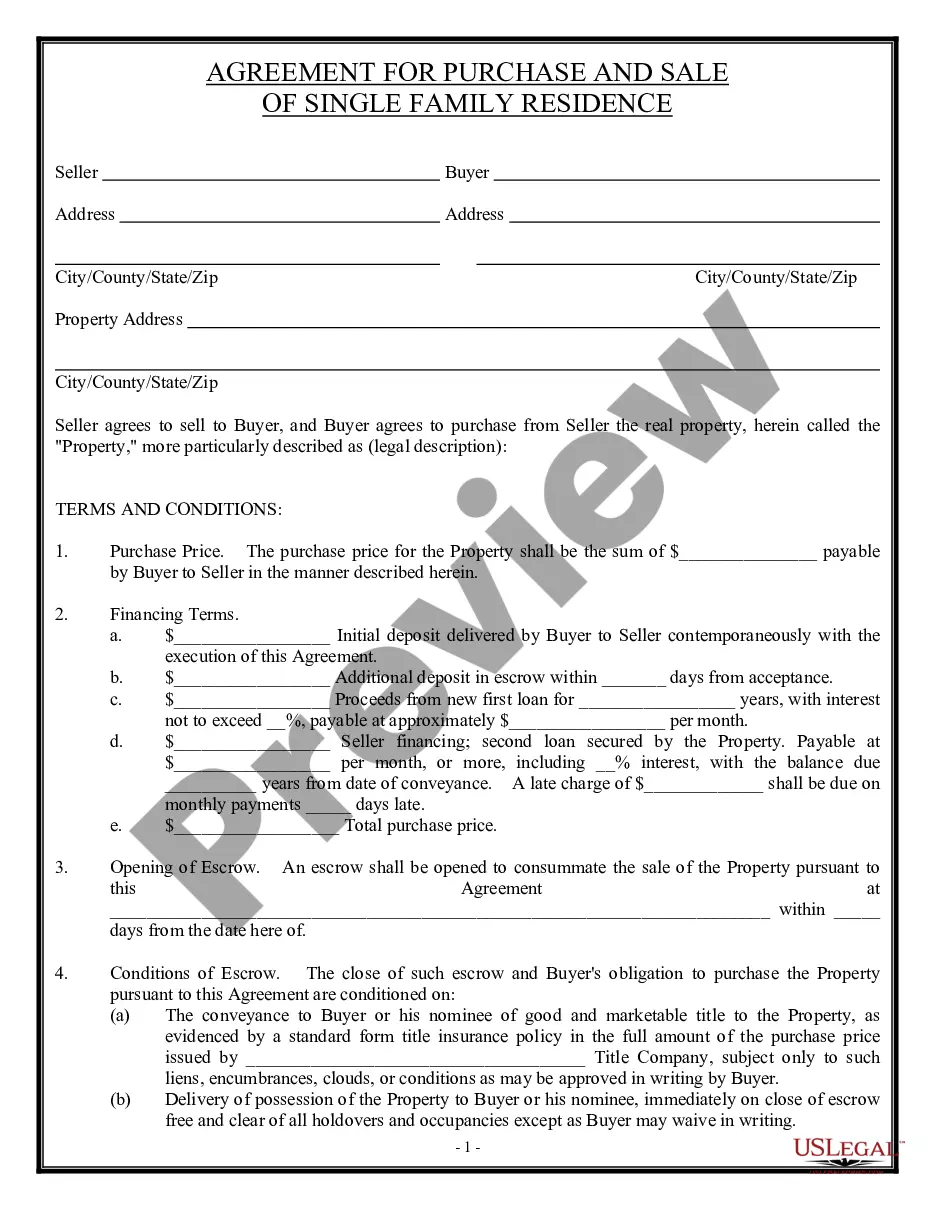
Get your form ready online
Our built-in tools help you complete, sign, share, and store your documents in one place.
Make edits, fill in missing information, and update formatting in US Legal Forms—just like you would in MS Word.
Download a copy, print it, send it by email, or mail it via USPS—whatever works best for your next step.
Sign and collect signatures with our SignNow integration. Send to multiple recipients, set reminders, and more. Go Premium to unlock E-Sign.
If this form requires notarization, complete it online through a secure video call—no need to meet a notary in person or wait for an appointment.
We protect your documents and personal data by following strict security and privacy standards.

Make edits, fill in missing information, and update formatting in US Legal Forms—just like you would in MS Word.

Download a copy, print it, send it by email, or mail it via USPS—whatever works best for your next step.

Sign and collect signatures with our SignNow integration. Send to multiple recipients, set reminders, and more. Go Premium to unlock E-Sign.

If this form requires notarization, complete it online through a secure video call—no need to meet a notary in person or wait for an appointment.

We protect your documents and personal data by following strict security and privacy standards.
Looking for another form?









Form popularity
FAQ
The Massachusetts mechanic's lien law establishes a system for owners, contractors, and subcontractors to notify each other about the existence of construction contracts. A lien becomes effective when a lien notice is filed on the land records. The law sets three optional deadlines for filing it.
Filing deadlines The two parts of the Massachusetts mechanics lien have different deadlines. The Notice of Contract (or Subcontract) must be recorded be the earlier of 3 dates: 60 days after filing of Notice of Completion. 90 days after filing notice of termination.
Once the lien has been satisfied, the lienholder sends the RMV an electronic message to release the title. The RMV then prints and mails the title to the vehicle owner, or a third party if one has been designated by the lienholder.
Yes, a house can be sold with a lien on it, but the process involves additional steps to ensure a smooth transaction. The lien typically needs to be resolved before or during the sale to provide the buyer with a clear title. Buyers and lenders usually require assurance that the lien will not transfer with the property.
A judgment lien on real or personal property expires after 20 years.
Once the lien has been satisfied, the lienholder sends the RMV an electronic message to release the title. The RMV then prints and mails the title to the vehicle owner, or a third party if one has been designated by the lienholder.