Closure Any Property With Respect To Addition In Maryland
Description

Get your form ready online
Our built-in tools help you complete, sign, share, and store your documents in one place.
Make edits, fill in missing information, and update formatting in US Legal Forms—just like you would in MS Word.
Download a copy, print it, send it by email, or mail it via USPS—whatever works best for your next step.
Sign and collect signatures with our SignNow integration. Send to multiple recipients, set reminders, and more. Go Premium to unlock E-Sign.
If this form requires notarization, complete it online through a secure video call—no need to meet a notary in person or wait for an appointment.
We protect your documents and personal data by following strict security and privacy standards.

Make edits, fill in missing information, and update formatting in US Legal Forms—just like you would in MS Word.

Download a copy, print it, send it by email, or mail it via USPS—whatever works best for your next step.

Sign and collect signatures with our SignNow integration. Send to multiple recipients, set reminders, and more. Go Premium to unlock E-Sign.

If this form requires notarization, complete it online through a secure video call—no need to meet a notary in person or wait for an appointment.

We protect your documents and personal data by following strict security and privacy standards.
Looking for another form?



Form popularity
FAQ
The Maryland estate tax return must be filed directly with the Comptroller of Maryland. The Comptroller will send the return to the Register of Wills for completion of Section III to certify the payment of inheritance taxes. Use the appropriate version of Form MET-1 for the date of the decedent's death.
Itemize motor vehicles with Interchangeable Registrations and vehicles that are unregistered (unlicensed). Vehicles registered in Maryland and classified A-P are exempt and should not be reported on the Personal Property Tax return. Vehicles registered outside Maryland may also be exempt.
To elect portability, a surviving spouse must file a timely federal estate tax return making the election to carry forward the unused credit. The tax rate for the federal estate tax is 40%. When combined with the Maryland estate tax, the combined rate approximates about 50% of the value of the taxable assets.
(f)(1) A holder of a debt secured by a mortgage or deed of trust, or a successor of a holder, may release part of the collateral securing the mortgage or deed of trust by executing and acknowledging a partial release on an instrument separate from the mortgage or deed of trust.
The International Building Code (IBC), the International Residential Code (IRC), and the International Energy Conservation Code (IECC), with modifications by the State, constitute the Maryland Building Performance Standards (MBPS).
(a) In this section, “individual” means a natural person. (b)(1) A mortgage or deed of trust may authorize the sale of the property or declare the borrower's assent to the passing of a decree for the sale of the property, on default in a condition on which the mortgage or deed of trust provides that a sale may be made.
Several states have laws on the books mandating the physical presence of an attorney or other types of involvement at real estate closings, including: Alabama, Connecticut, Delaware, District of Columbia, Florida, Georgia, Kansas, Kentucky, Maine, Maryland, Massachusetts, Mississippi, New Hampshire, New Jersey, New ...
§7–403. (a) (1) In cooperation with the State Board and the Maryland State Medical Society, the Maryland Department of Health shall adopt rules and regulations regarding blood tests for lead poisoning required of children entering schools.
Maryland Attorney Involvement Attorney involvement is not required for title searches, examinations, opinions of title, disbursements, document recording, preparation of standard closing documents, or policy-issuance.
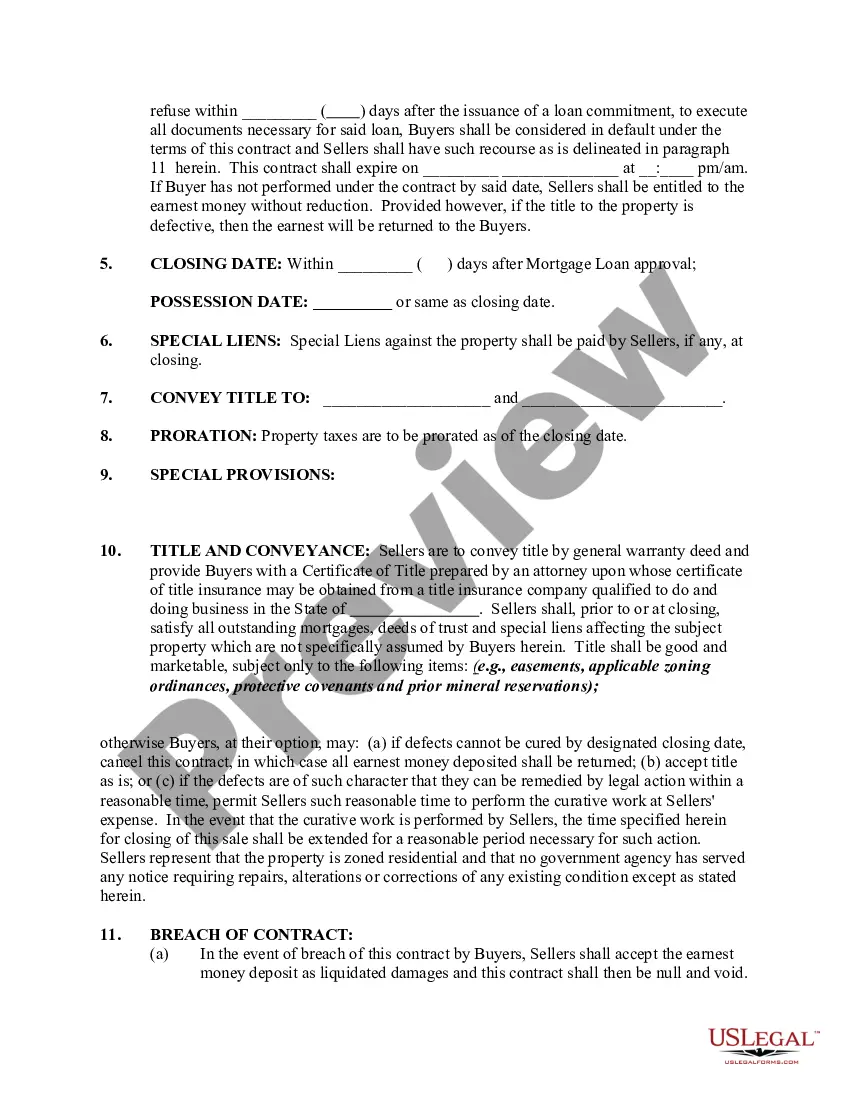
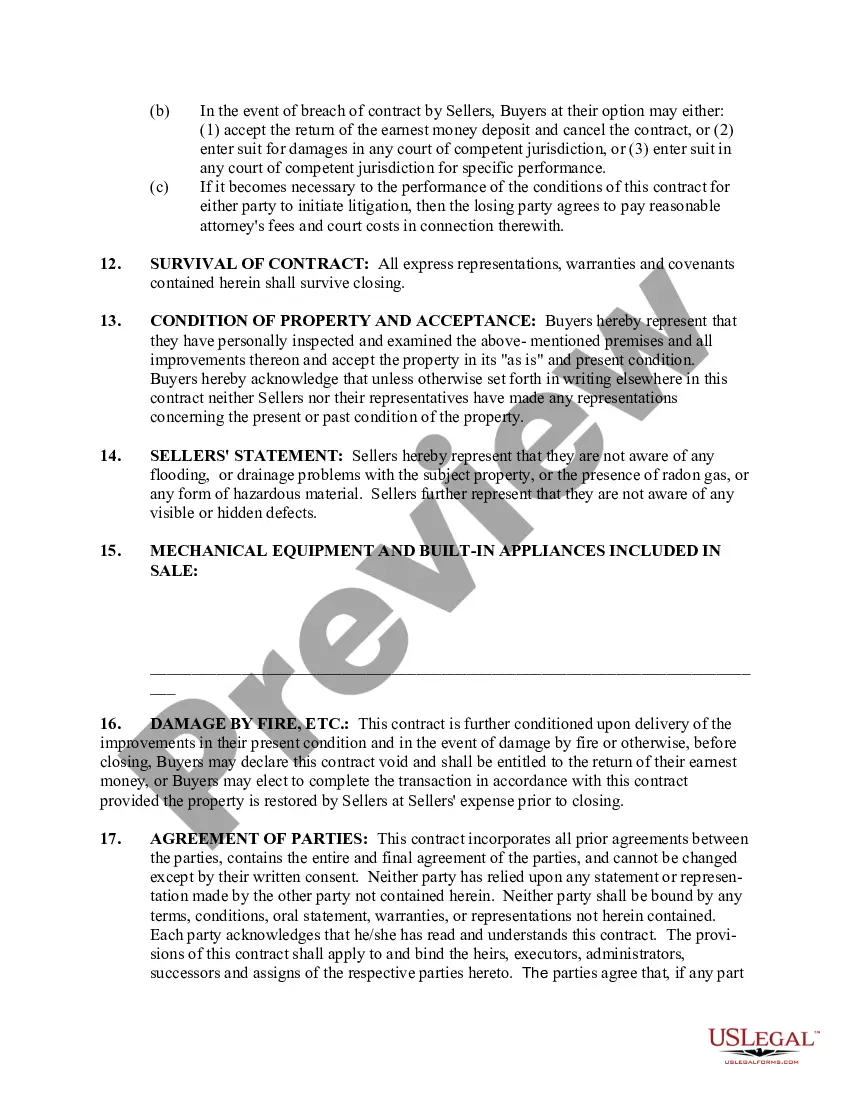
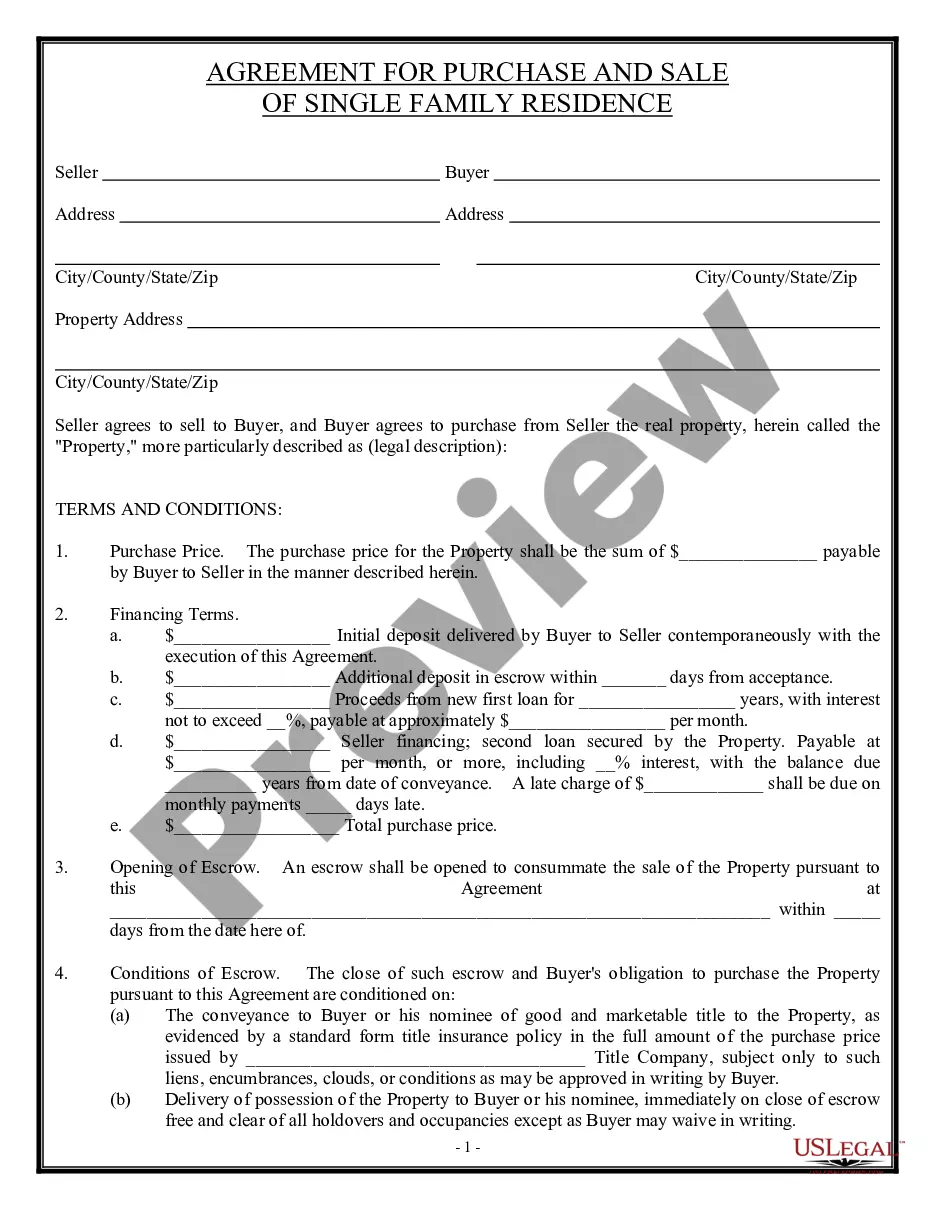
Also known as “closing”; closing is part of the process by which ownership of a property is transferred from one party to another. Completing all of the steps necessary for the final contracts to be signed takes about a month, but in some cases, closing can take from 30 to 90 days.
