Closing Property Title Without In King
Description

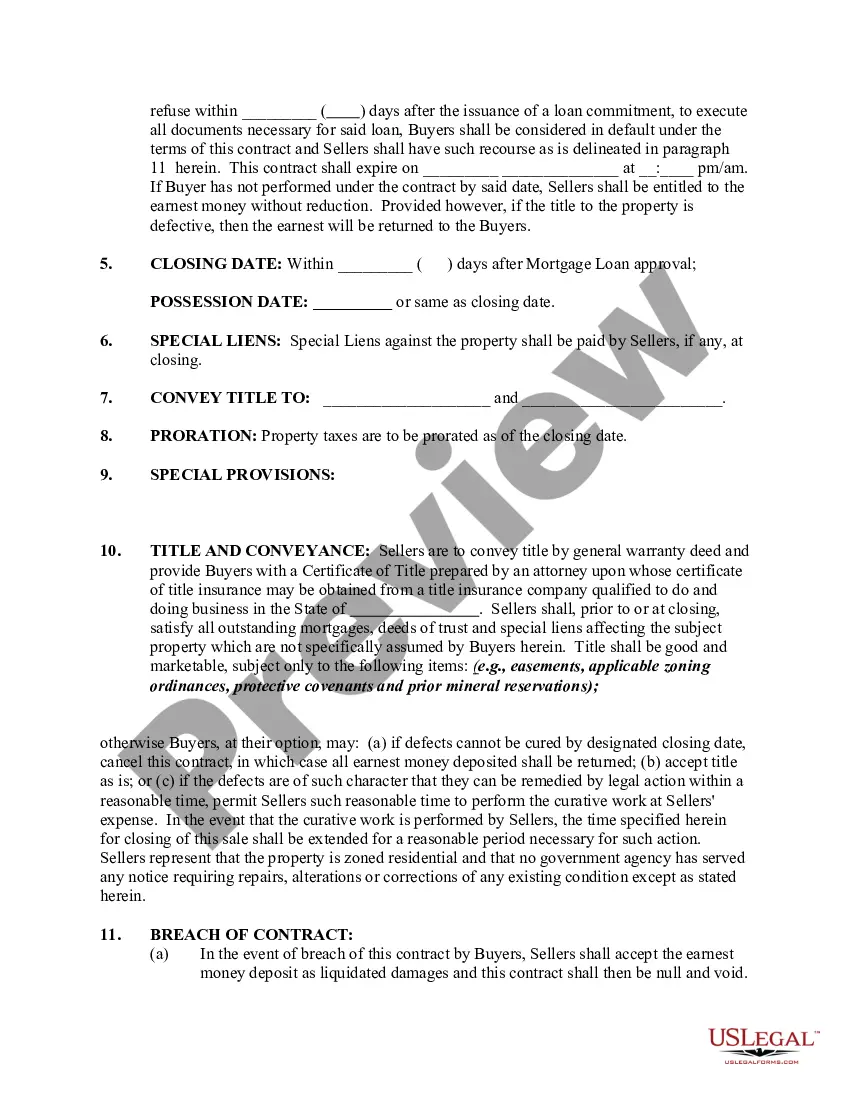
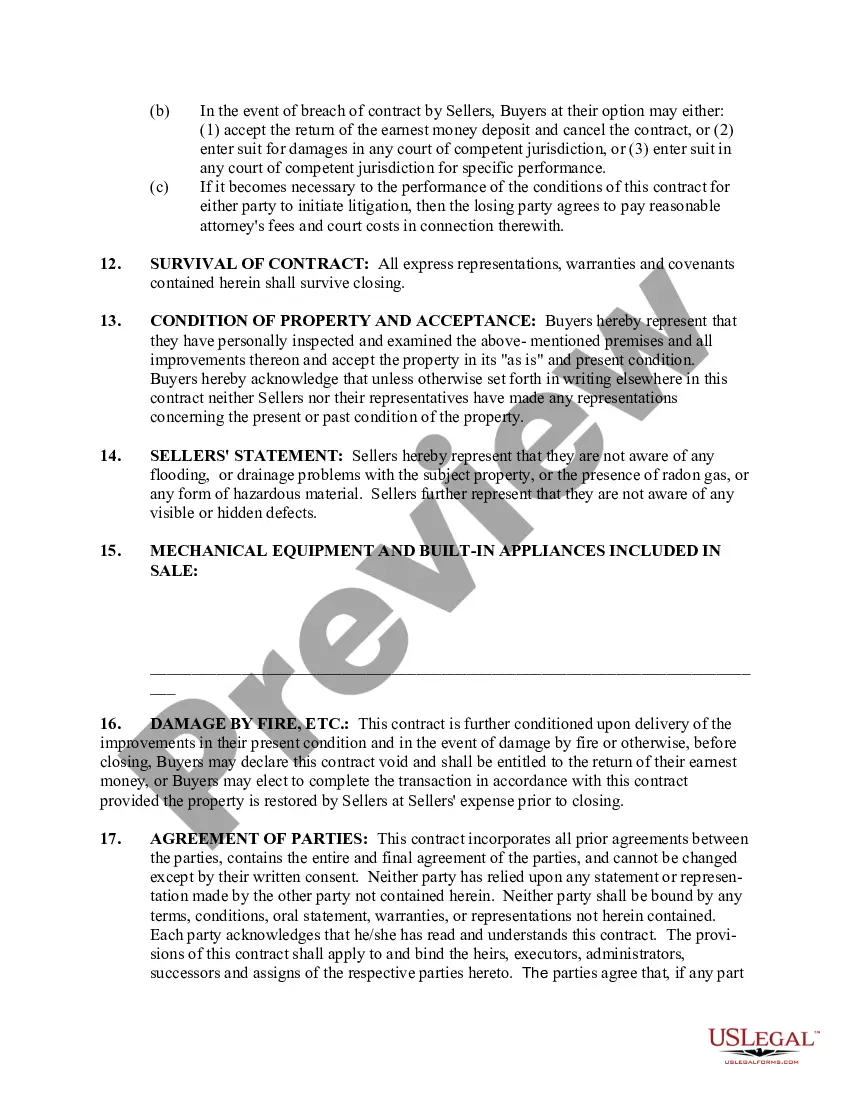
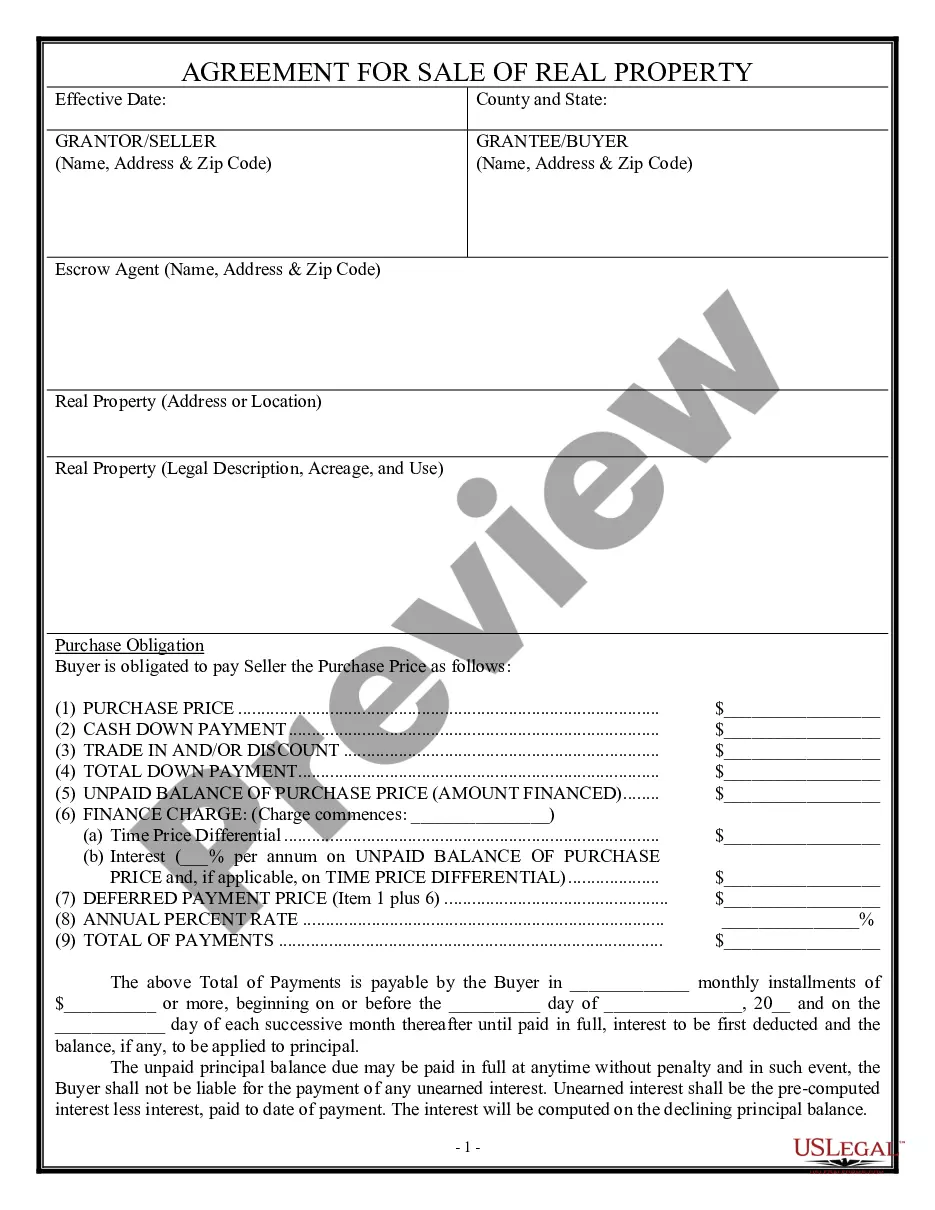
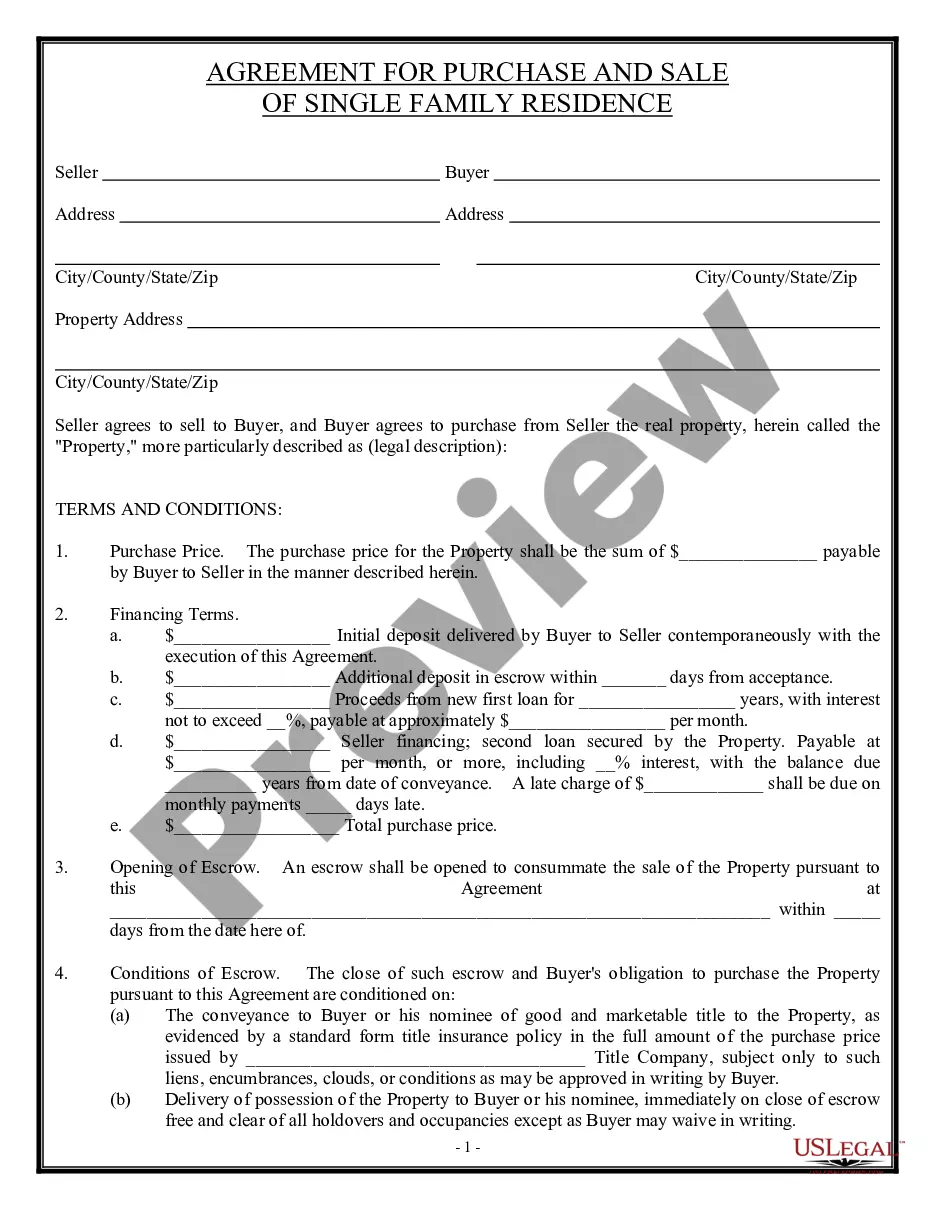
Get your form ready online
Our built-in tools help you complete, sign, share, and store your documents in one place.
Make edits, fill in missing information, and update formatting in US Legal Forms—just like you would in MS Word.
Download a copy, print it, send it by email, or mail it via USPS—whatever works best for your next step.
Sign and collect signatures with our SignNow integration. Send to multiple recipients, set reminders, and more. Go Premium to unlock E-Sign.
If this form requires notarization, complete it online through a secure video call—no need to meet a notary in person or wait for an appointment.
We protect your documents and personal data by following strict security and privacy standards.

Make edits, fill in missing information, and update formatting in US Legal Forms—just like you would in MS Word.

Download a copy, print it, send it by email, or mail it via USPS—whatever works best for your next step.

Sign and collect signatures with our SignNow integration. Send to multiple recipients, set reminders, and more. Go Premium to unlock E-Sign.

If this form requires notarization, complete it online through a secure video call—no need to meet a notary in person or wait for an appointment.

We protect your documents and personal data by following strict security and privacy standards.
Looking for another form?








Form popularity
FAQ
How it works Be open and honest with your family member. Discuss your reasons for transferring the property with your family member and to ensure that they are aware of the implications of the transfer. Seek professional advice. Get everything in writing. Complete Transfer.
Remain Anonymous and Buy a Home with a Mortgage Form a trust. Set up a trust where the buyer is a trustee. Establish the buyer's authority in the trust. Use a Nominee. Have the nominee or delegate sign the contract and deed.
The easiest and cheapest way would be for owner to transfer by using a ``quitclaim'' deed where they are the grantor and the children are the grantees. A real estate attorney or title company can prepare the deed for around $100.
Every state has unique laws regarding the remote closing process; some still require buyers and sellers to be physically present to complete a real estate transaction. However, about 88% of states have approved remote online notarization (RON), the most common method for conducting remote closings.
The most common way to transfer property is through a general warranty deed (sometimes called a "grant deed"). A general warranty deed guarantees good title from the beginning of time.
Generally, the most efficient way for the transfer to happen is at death via a trust. The deed is titled within your family trust or transfer on death deed. The trust transfers the assets to the children at passing. Skips probate.
Title – The legal right to ownership. Deed – The document transferring title from one party to another.
A general warranty deed is the strongest deed because it offers the most protection. A quitclaim deed is usually the weakest deed because it offers the least amount of protection.
A major drawback of a contract for deed for buyers is that the seller retains the legal title to the property until the payment plan is completed. On one hand, this means that they're responsible for things like property taxes. On the other hand, the buyer lacks security and rights to their home.
You can 100% remote close. Just ask title for a remote closing (where they send a notary to you), or a mail out closing (where you would get the docs, sign with a notary you find, then overnight back).
