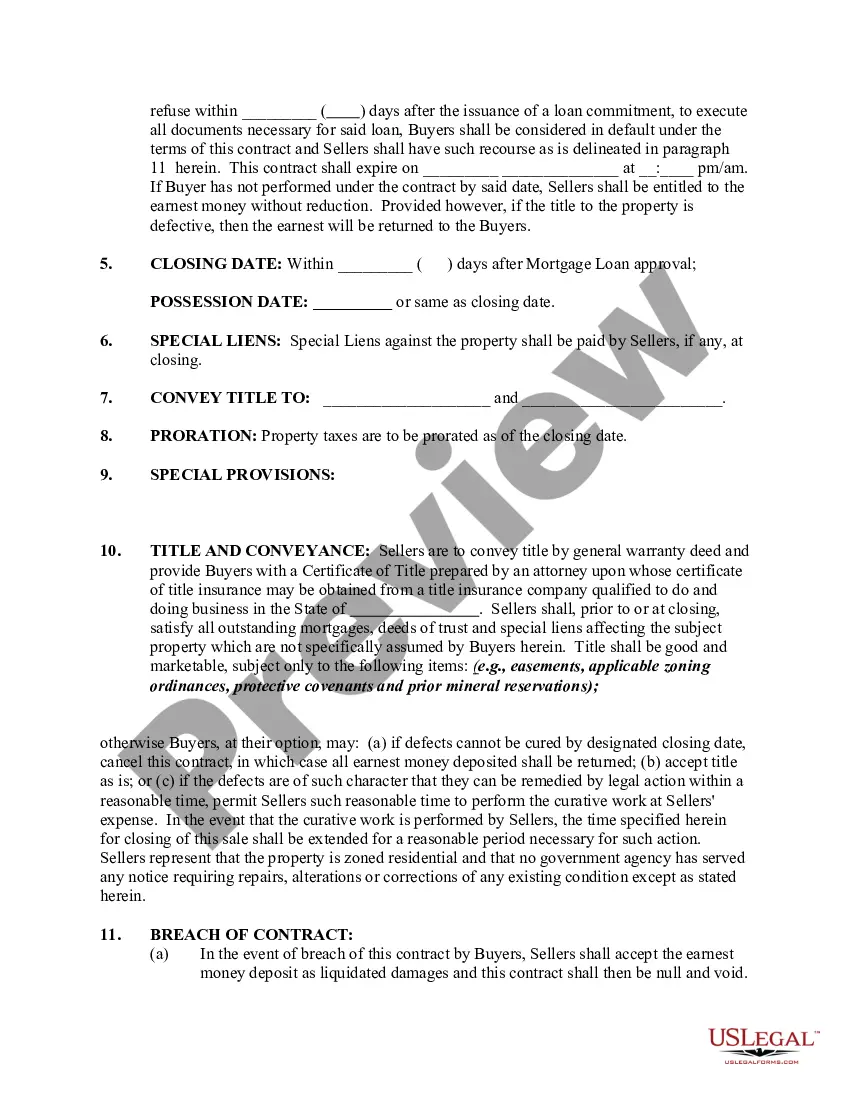
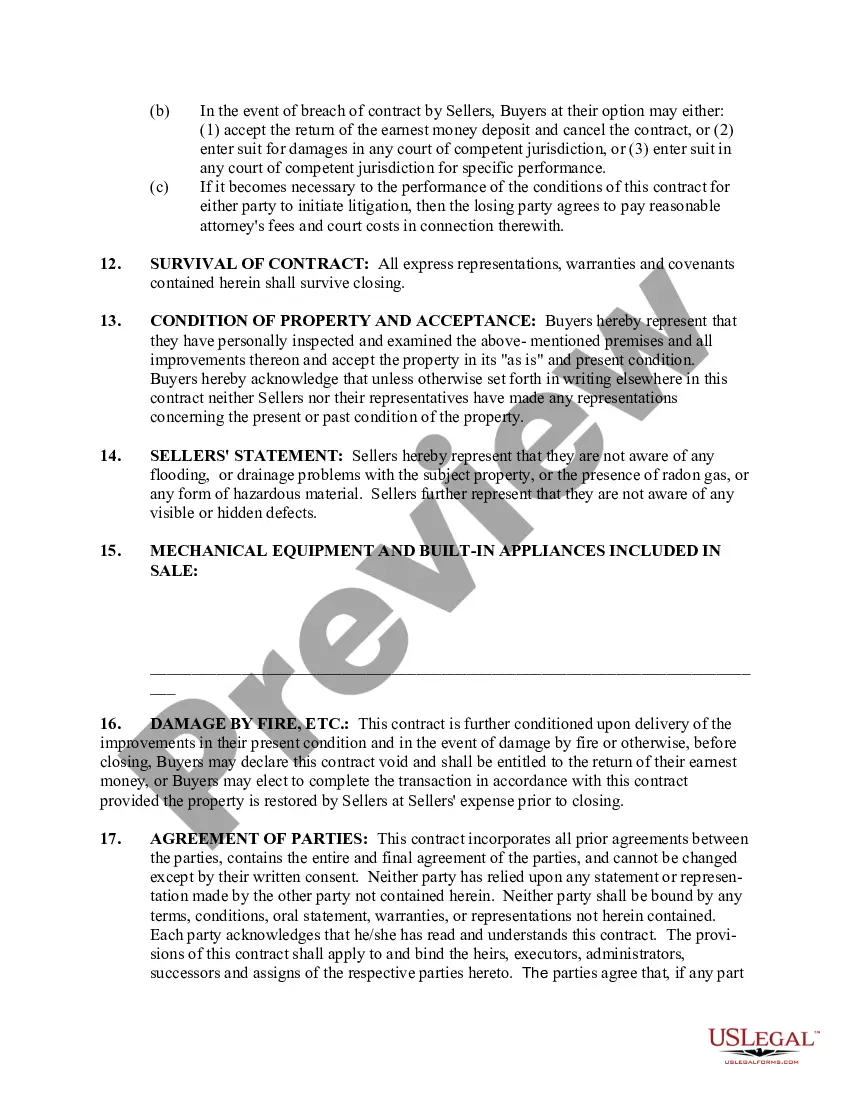
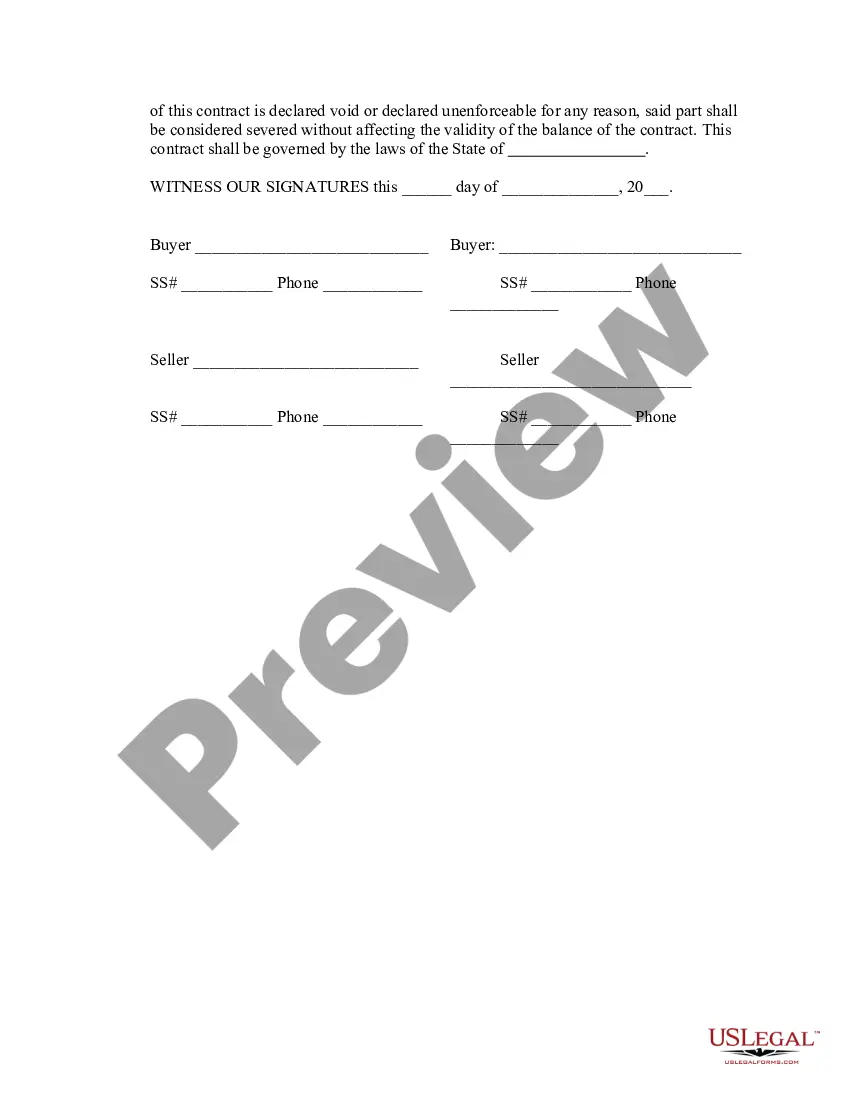
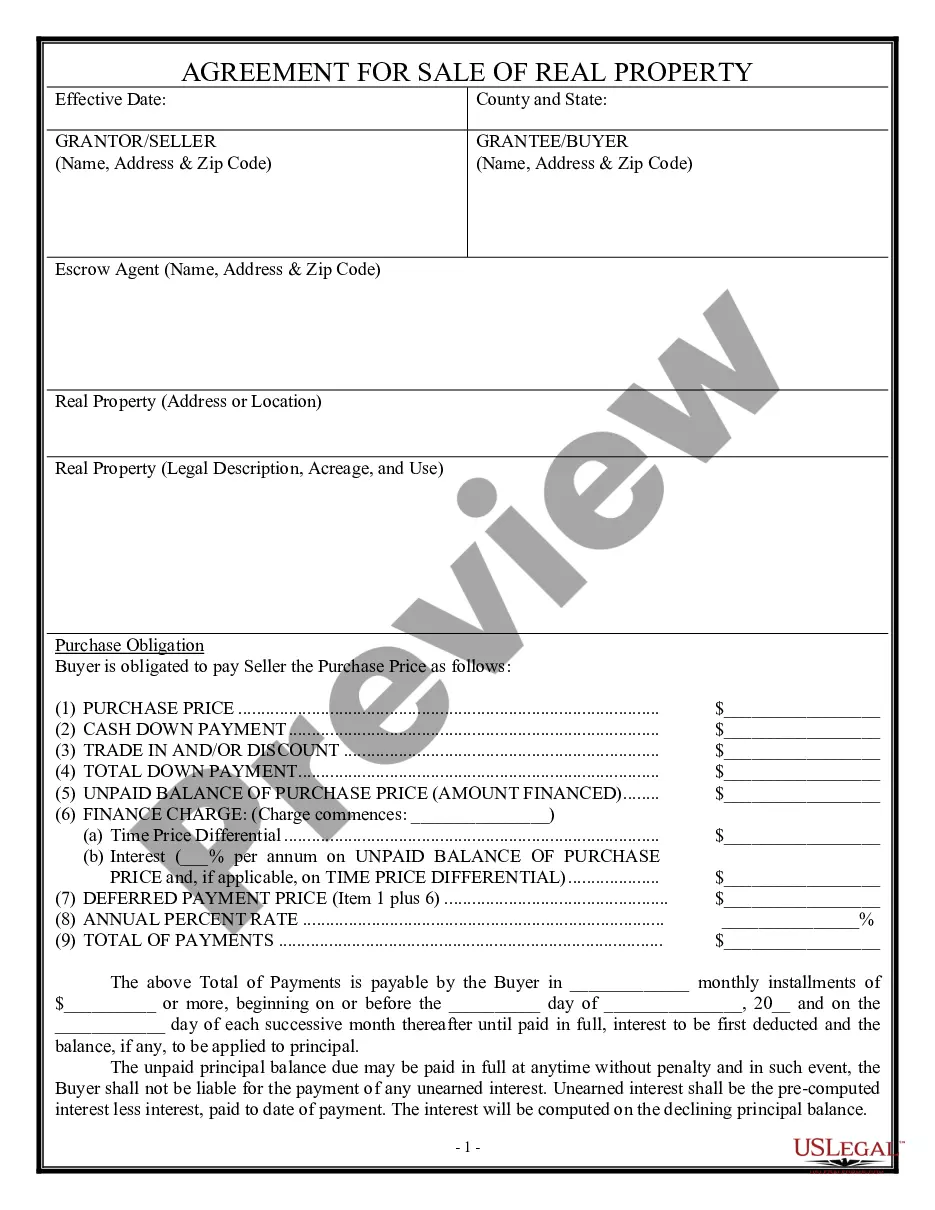
Closing Property Title For Married Couple In King
Description

Get your form ready online
Our built-in tools help you complete, sign, share, and store your documents in one place.
Make edits, fill in missing information, and update formatting in US Legal Forms—just like you would in MS Word.
Download a copy, print it, send it by email, or mail it via USPS—whatever works best for your next step.
Sign and collect signatures with our SignNow integration. Send to multiple recipients, set reminders, and more. Go Premium to unlock E-Sign.
If this form requires notarization, complete it online through a secure video call—no need to meet a notary in person or wait for an appointment.
We protect your documents and personal data by following strict security and privacy standards.

Make edits, fill in missing information, and update formatting in US Legal Forms—just like you would in MS Word.

Download a copy, print it, send it by email, or mail it via USPS—whatever works best for your next step.

Sign and collect signatures with our SignNow integration. Send to multiple recipients, set reminders, and more. Go Premium to unlock E-Sign.

If this form requires notarization, complete it online through a secure video call—no need to meet a notary in person or wait for an appointment.

We protect your documents and personal data by following strict security and privacy standards.
Looking for another form?







Form popularity
FAQ
Joint tenancy is most common among married couples because it helps property owners avoid probate. Without joint tenancy, a spouse would have to wait for their partner's Last Will to go through a legal review process—which can take months or even years.
When a married couple buys a house together, they can choose to hold the property as joint tenants. This means that both spouses have an undivided interest in the property, making them equally responsible for mortgage payments, property taxes, and maintenance costs.
Technically, the traditional way for a married couple with the same last name is ``Mr. and Mrs. John Doe,'' which also turns my inner feminist tomato red, but a lot of the other options (married, different last names, for example) use the ``Mr. John Doe and Mrs. Jane Day'' format. :)
Tenancy by the entirety refers to a form of shared property ownership that is usually reserved only for married couples. A tenancy by the entirety permits spouses to jointly own property as a single legal entity. This means that each spouse has an equal and undivided interest in the property.
Joint tenancy with right of survivorship (JTWROS) This is often a common vesting for married couples, but it also applies to family members planning to own a property together.
For instance, if you're married, the most common way to title your home is Tenancy by the Entirety (TBE). That endows survivorship rights, some creditor protection, and allows for transfers only with the consent of both spouses.
It's always (title) (first initial) (surname) for me, even when I write to my parents or kids in the family. If I'm writing to a married couple, I am even more archaic and address it to Mr and Mrs (man's first initial) (surname). I've never really thought about doing it any other way...
