Closing Any Property Within The State In Illinois
Description

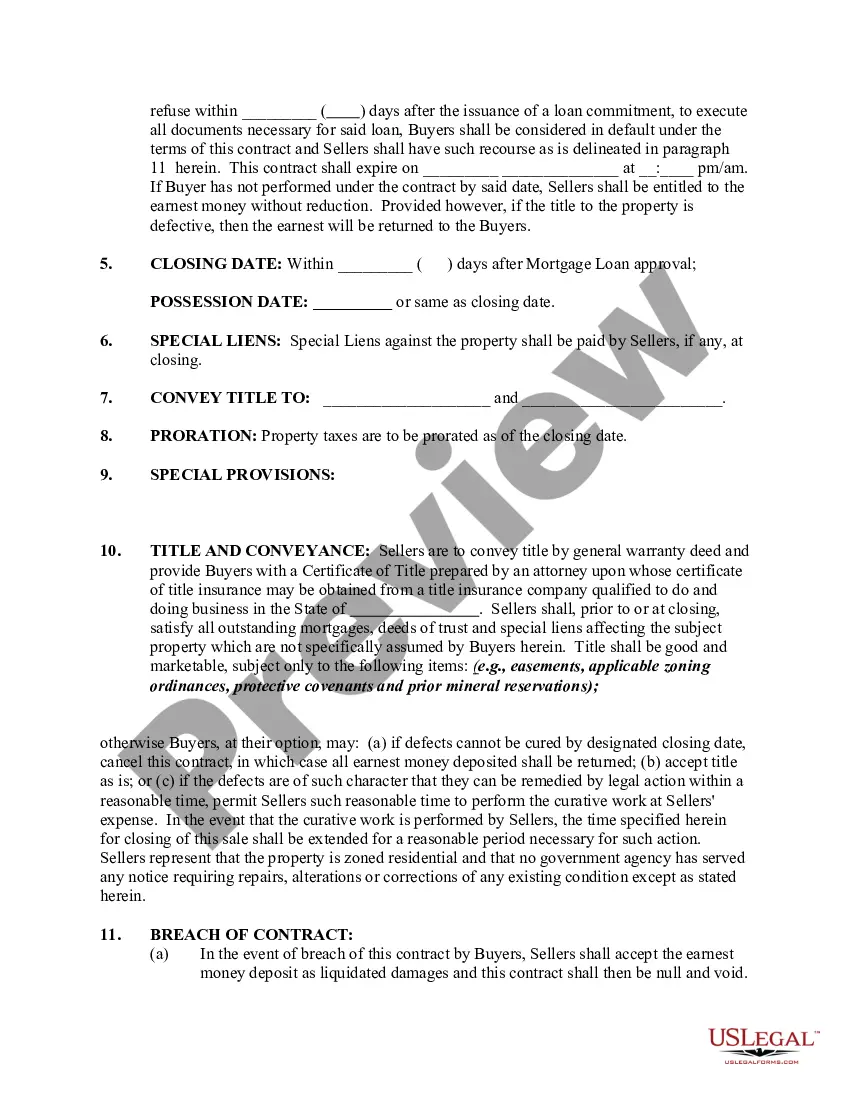
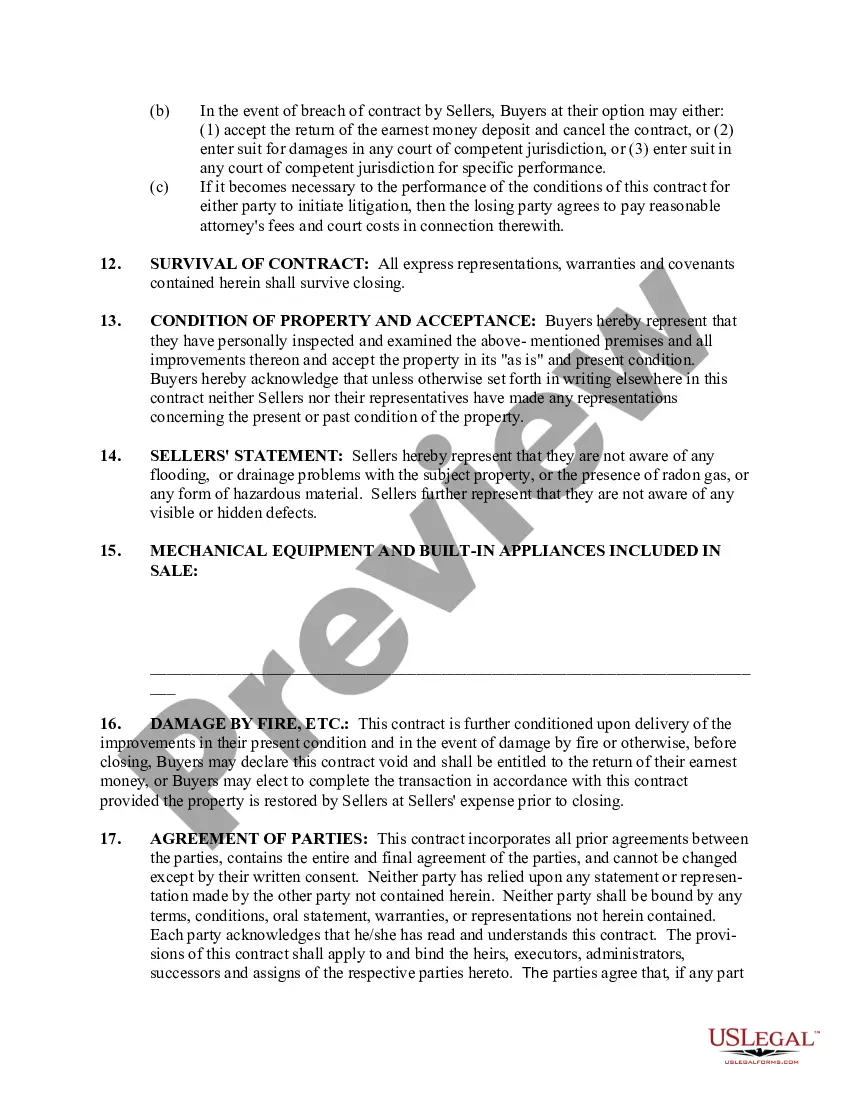
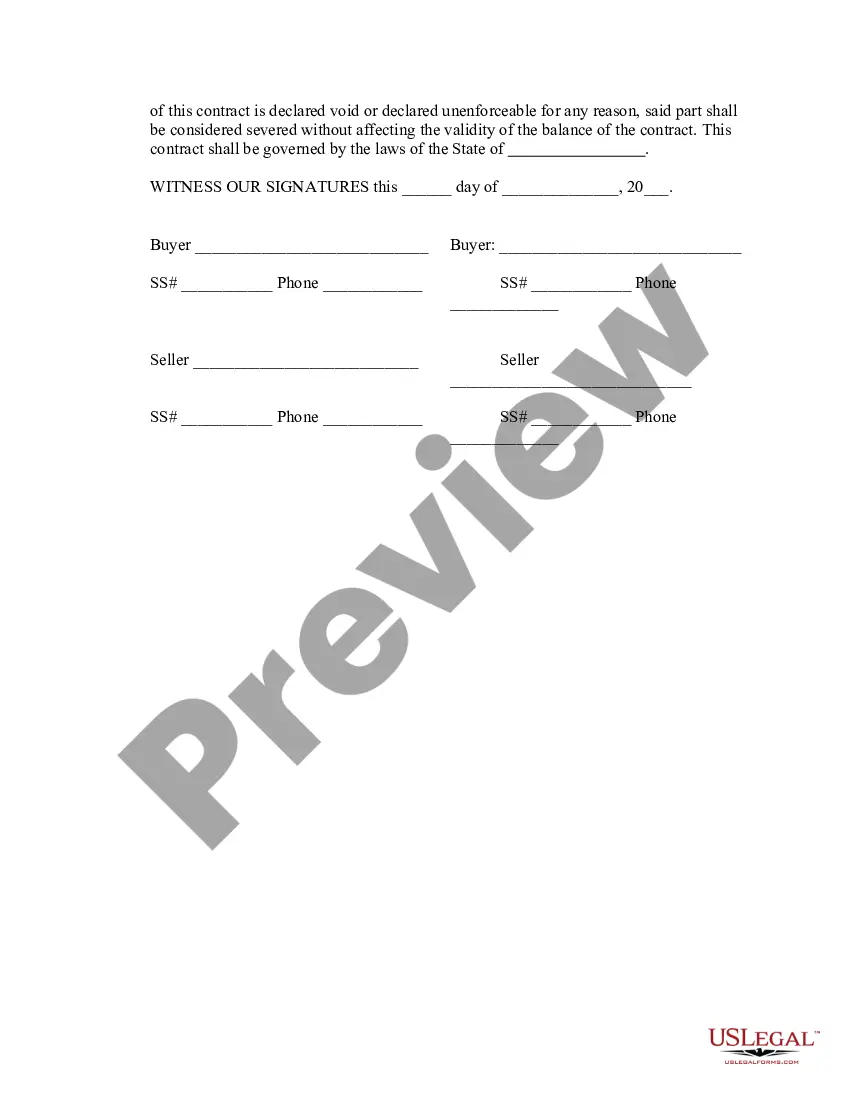
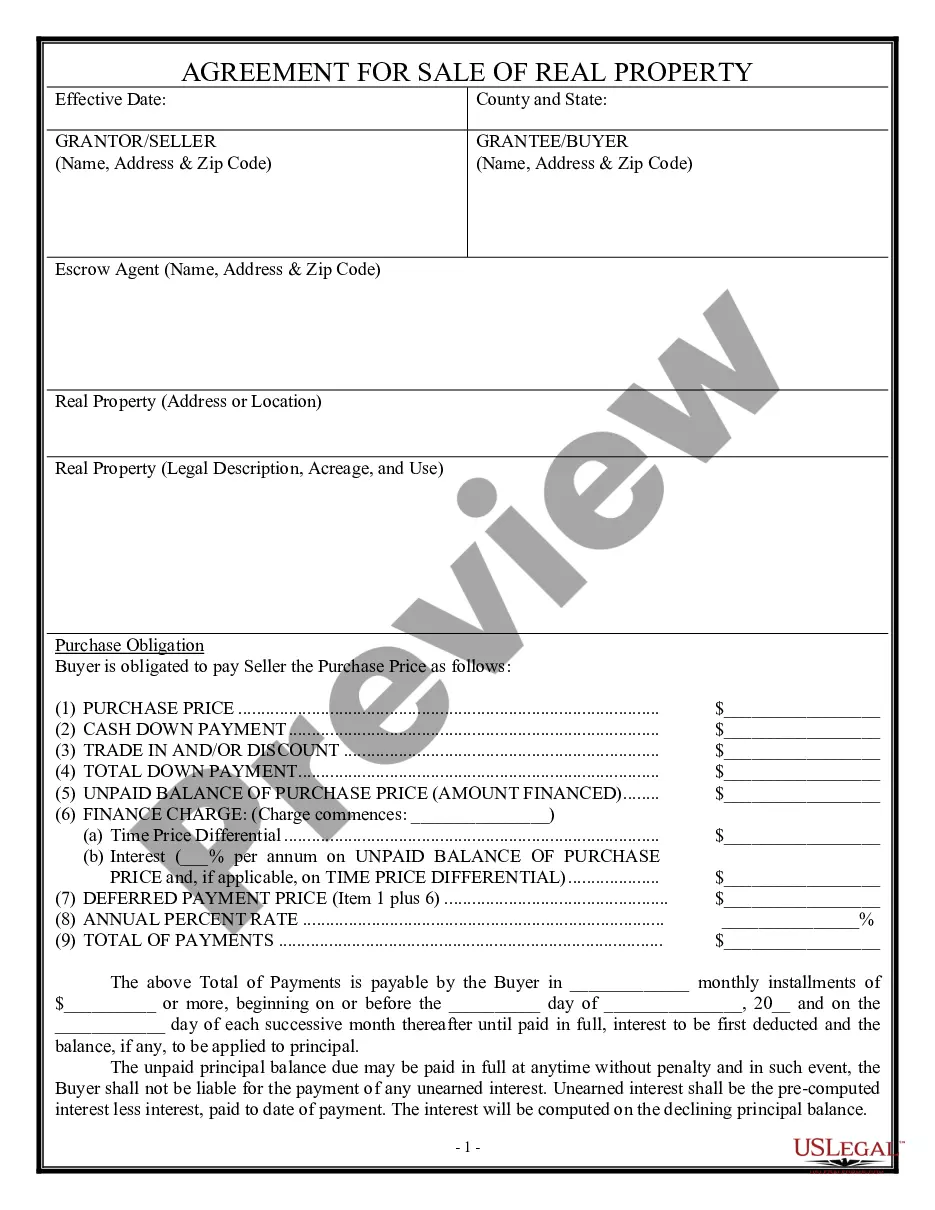
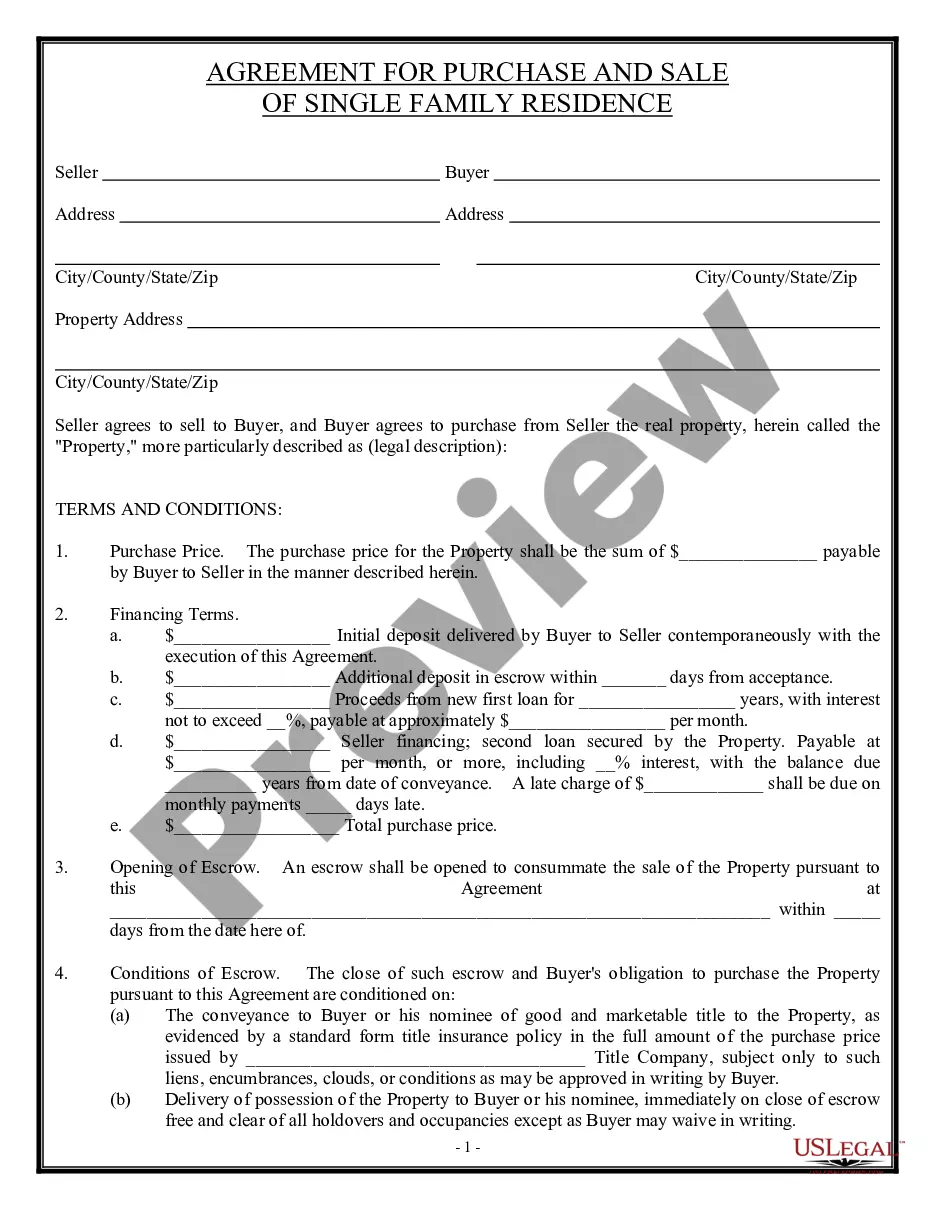
Get your form ready online
Our built-in tools help you complete, sign, share, and store your documents in one place.
Make edits, fill in missing information, and update formatting in US Legal Forms—just like you would in MS Word.
Download a copy, print it, send it by email, or mail it via USPS—whatever works best for your next step.
Sign and collect signatures with our SignNow integration. Send to multiple recipients, set reminders, and more. Go Premium to unlock E-Sign.
If this form requires notarization, complete it online through a secure video call—no need to meet a notary in person or wait for an appointment.
We protect your documents and personal data by following strict security and privacy standards.

Make edits, fill in missing information, and update formatting in US Legal Forms—just like you would in MS Word.

Download a copy, print it, send it by email, or mail it via USPS—whatever works best for your next step.

Sign and collect signatures with our SignNow integration. Send to multiple recipients, set reminders, and more. Go Premium to unlock E-Sign.

If this form requires notarization, complete it online through a secure video call—no need to meet a notary in person or wait for an appointment.

We protect your documents and personal data by following strict security and privacy standards.
Looking for another form?








Form popularity
FAQ
Legalization of Illinois remote online notarization In July 2021, Governor Pritzker signed Public Act 102-0160, amending the Illinois Notary Public Act. This act permanently allows electronic notarial acts.
When it comes to buying and selling property, Illinois is considered an "attorney state." Lawyers participate in the real estate sale process as a matter of custom and practice. But there are no laws or ordinances that require a buyer or seller to use one.
There are ways you can close on the house remotely; appointing your real estate agent as your legal stand-in, or signing your documents elsewhere, with a notary present. As you interview titling companies and real estate attorneys, always make sure they know your situation, and ask them about closing-day flexibility.
After the offer is accepted, it will take 30 – 45 days to close on a house. Although factors like home inspection, repair negotiations, financing timeline, etc can affect this precise timeline.
You can elect to close your real estate transaction from the comfort of your home or office using approved and secure technology providers approved by the state of Florida.
While Illinois does not require you to hire an attorney for a real estate transaction, it's in your best interest to work with one. There are certain tasks related to Illinois real estate deals that only you or your lawyer can perform, and a lawyer can safeguard your rights throughout the legal process.
Hiring legal counsel is technically optional for buyers and sellers in Illinois. However, just because the law doesn't require it does not mean an attorney shouldn't be strongly considered. Their expertise can help optimize the closing process, prevent any surprises, and safeguard your financial interests.
On closing day itself, the homebuyer must sign a lot of paperwork that finalizes the deal. Often, many other parties are present for closing day, including the seller, the lender, real estate agents, the closing agent and an attorney who will review the paperwork being signed.
