Closing Any Property For Sale In Illinois
Description

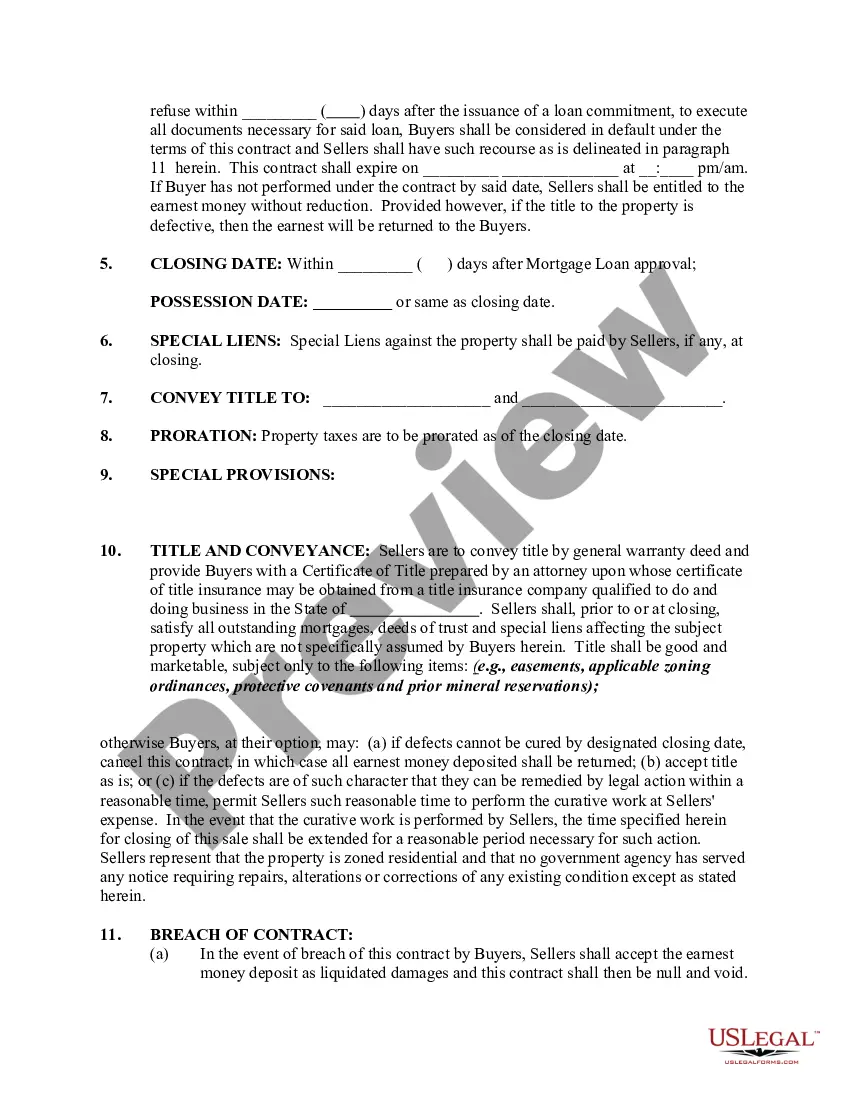
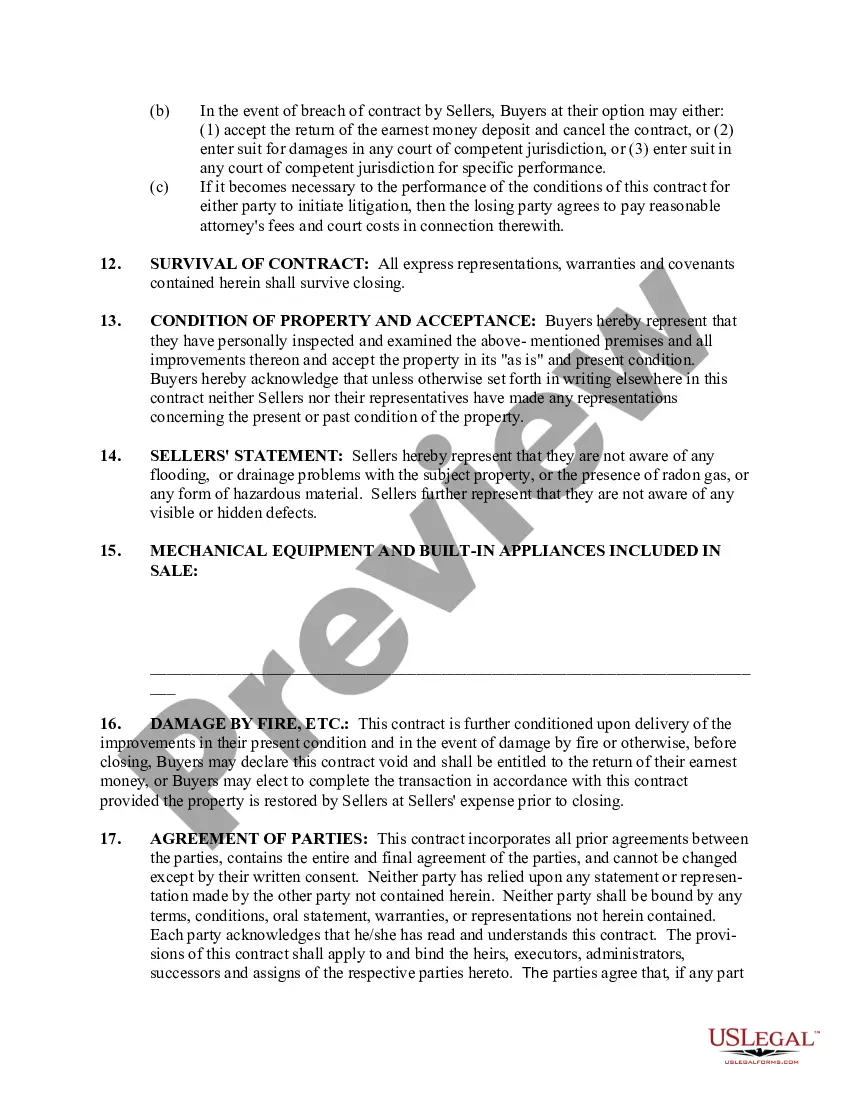

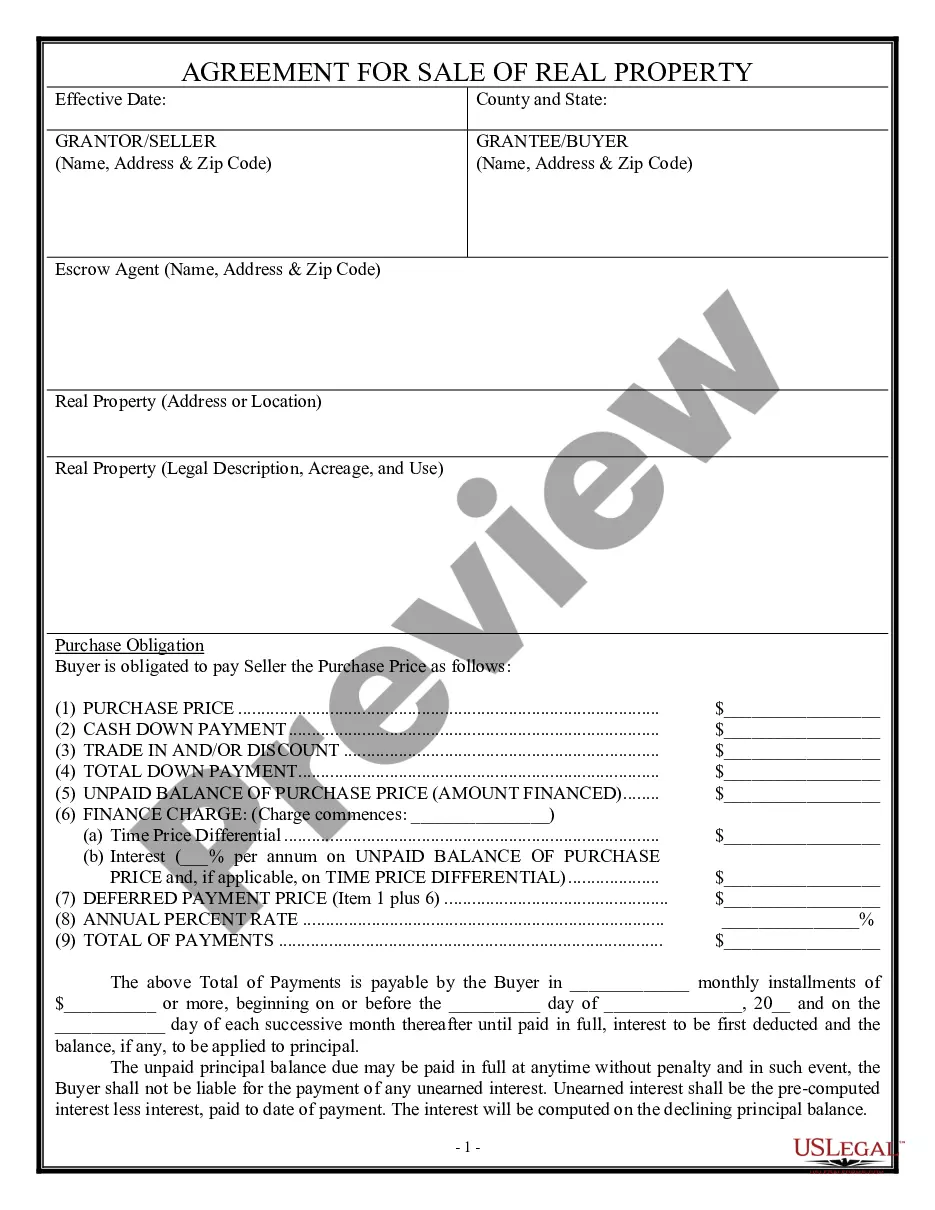
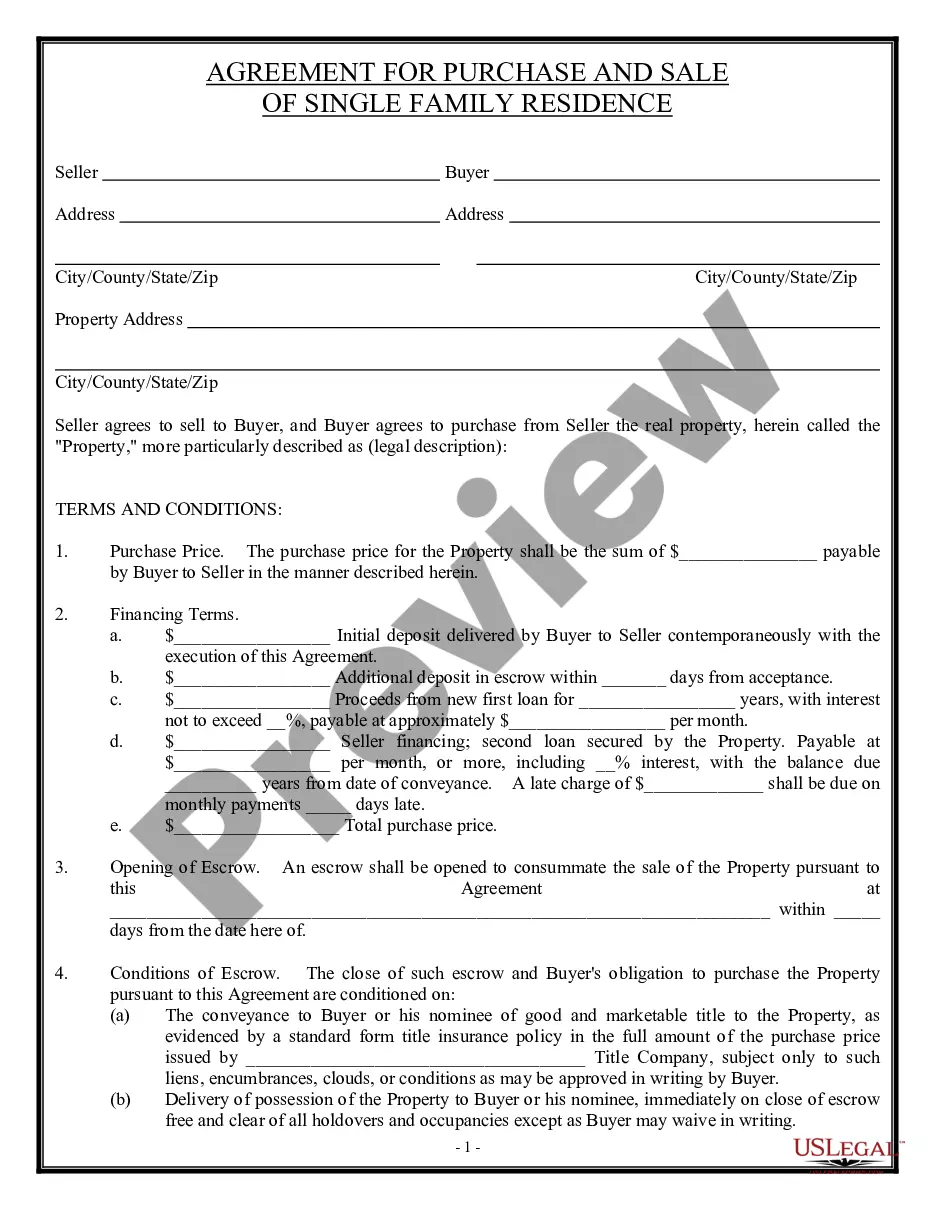
Get your form ready online
Our built-in tools help you complete, sign, share, and store your documents in one place.
Make edits, fill in missing information, and update formatting in US Legal Forms—just like you would in MS Word.
Download a copy, print it, send it by email, or mail it via USPS—whatever works best for your next step.
Sign and collect signatures with our SignNow integration. Send to multiple recipients, set reminders, and more. Go Premium to unlock E-Sign.
If this form requires notarization, complete it online through a secure video call—no need to meet a notary in person or wait for an appointment.
We protect your documents and personal data by following strict security and privacy standards.

Make edits, fill in missing information, and update formatting in US Legal Forms—just like you would in MS Word.

Download a copy, print it, send it by email, or mail it via USPS—whatever works best for your next step.

Sign and collect signatures with our SignNow integration. Send to multiple recipients, set reminders, and more. Go Premium to unlock E-Sign.

If this form requires notarization, complete it online through a secure video call—no need to meet a notary in person or wait for an appointment.

We protect your documents and personal data by following strict security and privacy standards.
Looking for another form?




Form popularity
FAQ
While Illinois does not require you to hire an attorney for a real estate transaction, it's in your best interest to work with one. There are certain tasks related to Illinois real estate deals that only you or your lawyer can perform, and a lawyer can safeguard your rights throughout the legal process.
After the offer is accepted, it will take 30 – 45 days to close on a house. Although factors like home inspection, repair negotiations, financing timeline, etc can affect this precise timeline.
California: Real estate attorneys are not essential for closing but may be advised by your real estate agent.
What is a title state in real estate closings? StateAttorney State or Title State? Illinois Title state Indiana Title state Iowa Attorney state Kansas Title state47 more rows •
Unlike in some states, Illinois law does not require that sellers involve a lawyer in the house-selling transaction. Even if it's not required, you might decide to engage a lawyer at some point—for example, to review the final contract or to assist with closing details.
The closing process typically begins with reviewing and reconciling accounts to identify discrepancies and errors. Adjusting entries are then recorded to account for accruals, deferrals, depreciation, and other adjustments necessary to reflect the correct financial position.
What Are the Steps to Financial Close? Identify transactions and record them in a journal. Post to the general ledger. Prepare an unadjusted trial balance. Reconcile debits and credits. Create adjusting journal entries. Run an adjusted trial balance and financial statements. Close the books and generate financial reports.
The closing process involves four specific steps: Step 1: Close revenue accounts to Income Summary. Income Summary is a temporary account used during the closing process. Step 2: Close expense accounts to Income Summary. Step 3: Close Income Summary to Retained Earnings. Step 4: Close dividends to Retained Earnings.
Bottom Line. In summary, Illinois state law does not require you to have a real estate attorney handle your side of the closing costs and fees as a home buyer or seller. However, for maximum protection, legal expertise optimizing your closing costs is highly recommended.
