Closing Any Property Without Permission In Houston
Description

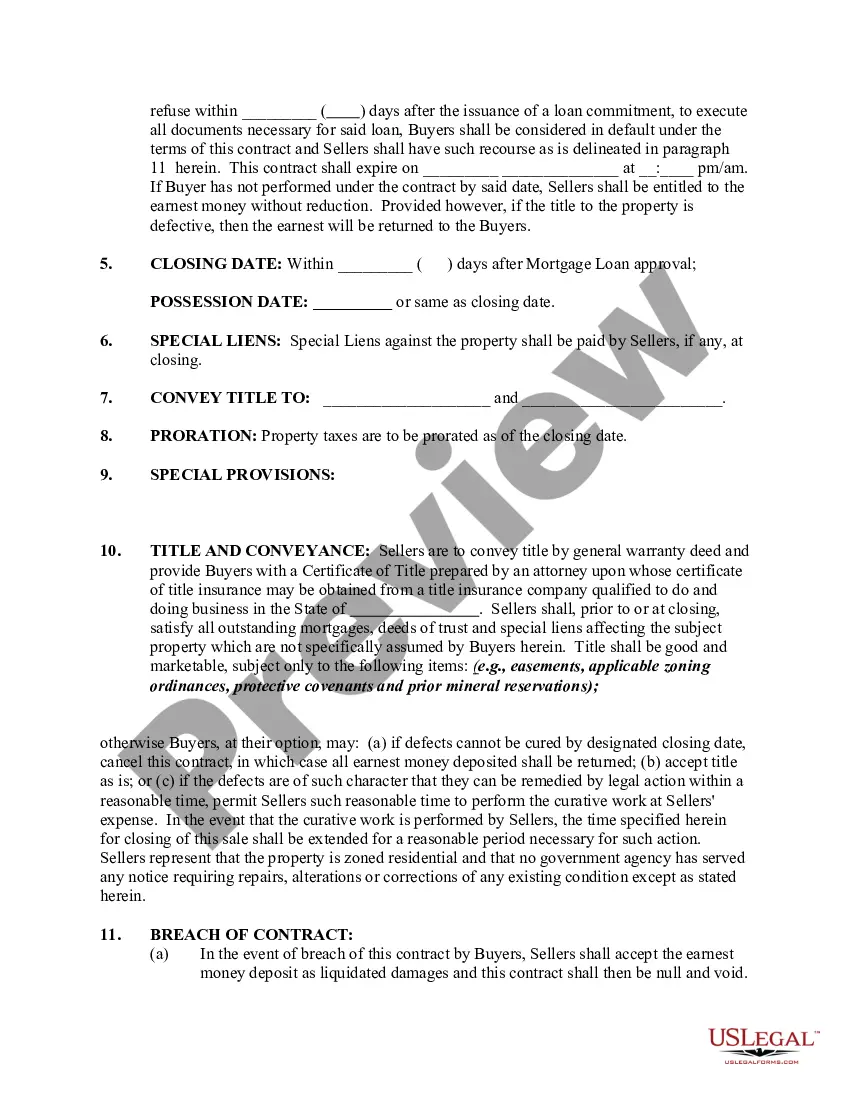
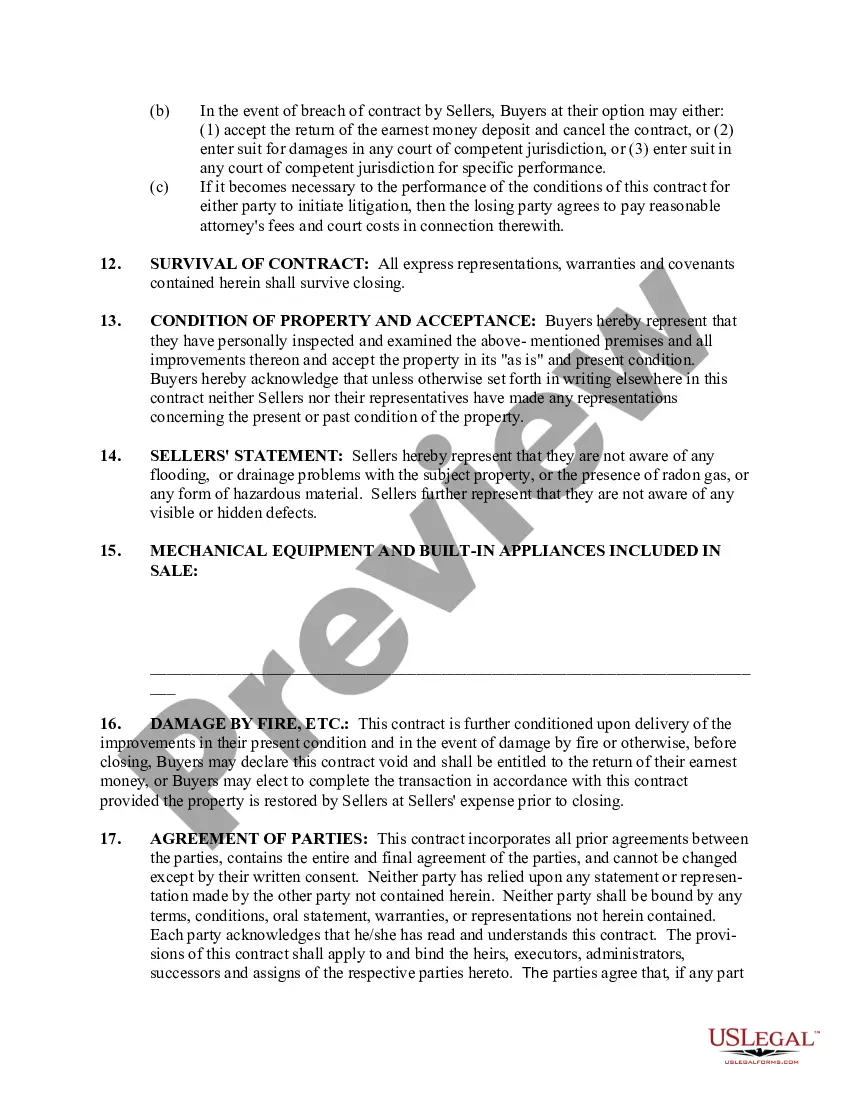
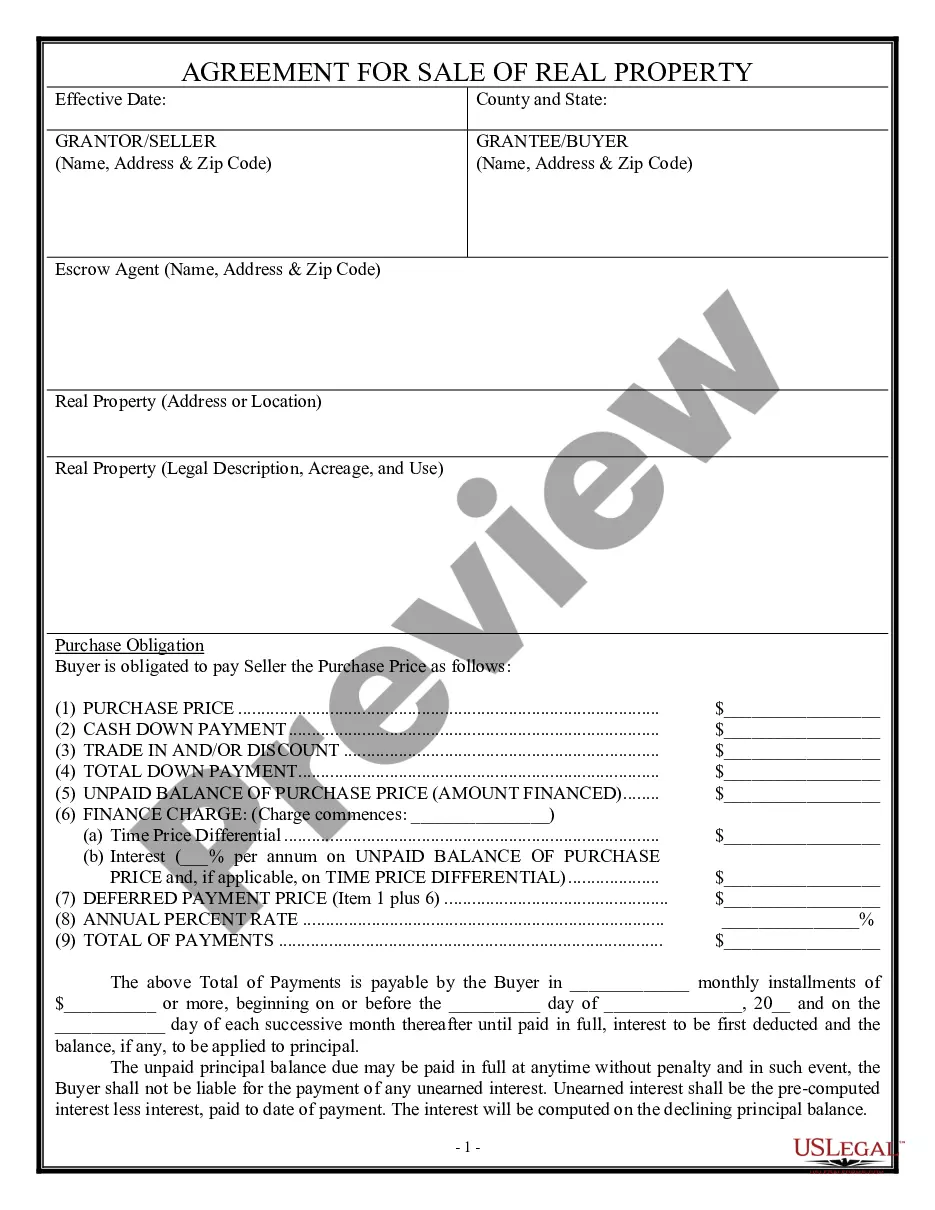
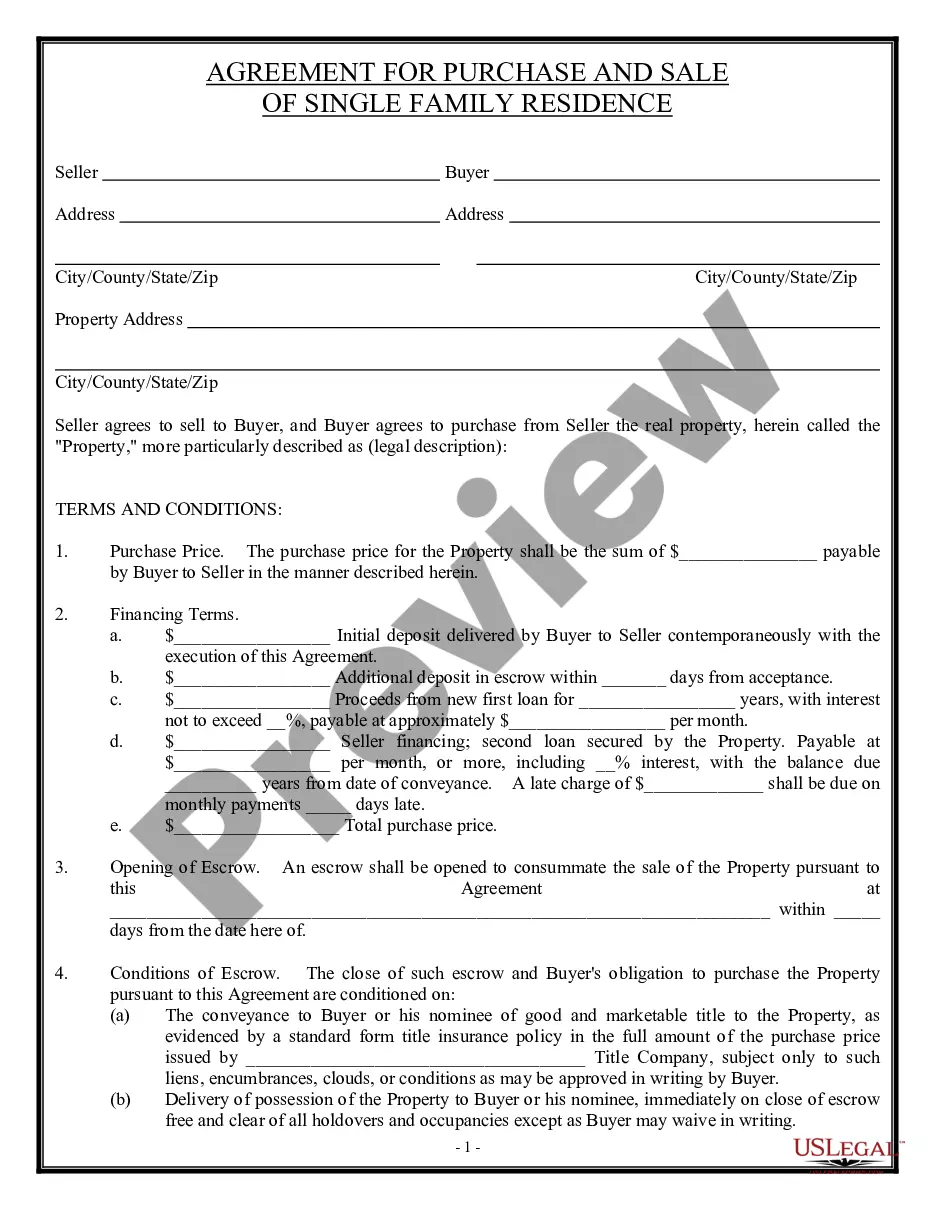
Get your form ready online
Our built-in tools help you complete, sign, share, and store your documents in one place.
Make edits, fill in missing information, and update formatting in US Legal Forms—just like you would in MS Word.
Download a copy, print it, send it by email, or mail it via USPS—whatever works best for your next step.
Sign and collect signatures with our SignNow integration. Send to multiple recipients, set reminders, and more. Go Premium to unlock E-Sign.
If this form requires notarization, complete it online through a secure video call—no need to meet a notary in person or wait for an appointment.
We protect your documents and personal data by following strict security and privacy standards.

Make edits, fill in missing information, and update formatting in US Legal Forms—just like you would in MS Word.

Download a copy, print it, send it by email, or mail it via USPS—whatever works best for your next step.

Sign and collect signatures with our SignNow integration. Send to multiple recipients, set reminders, and more. Go Premium to unlock E-Sign.

If this form requires notarization, complete it online through a secure video call—no need to meet a notary in person or wait for an appointment.

We protect your documents and personal data by following strict security and privacy standards.
Looking for another form?


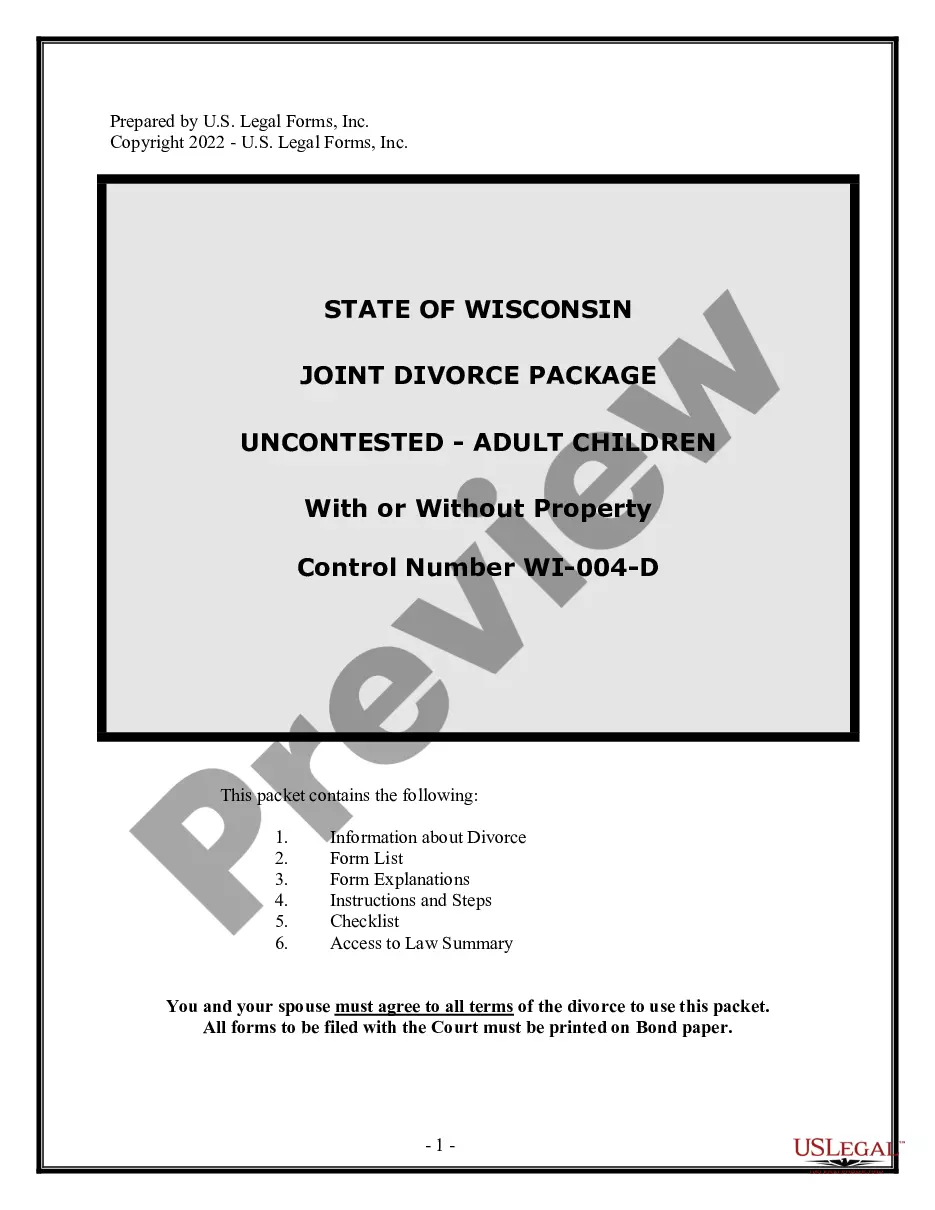



Form popularity
FAQ
One of the most challenging aspects of this process can be selling estate property to meet these financial obligations. Texas law allows executors to sell property without the beneficiaries' approval, which can be necessary to keep the estate solvent.
Home » Do I Need Both A Real Estate Agent And A Real Estate Attorney To Buy Or Sell Property In Texas? In Texas, it is not legally required to hire a real estate attorney in order to buy or sell property.
When can a lender start foreclosure? Most loans from a bank must be 120 days delinquent before any foreclosure activity starts. However, smaller lenders can sometimes start foreclosure even if you are only one day late. The lender is only required to send you two notices before a foreclosure sale.
In order to qualify for a non-judicial foreclosure, the lienholder must have a deed of trust with a "power of sale" clause, giving them the authority to sell the property. These foreclosures are governed by Section 51.002 of the Texas Property Code as well as the contractual documents.
Texas is a power of sale jurisdiction, meaning that a lender can go through with the sale of your property without having to go to court. As a result, foreclosures in Texas can be very quick, sometimes being completed about two or three months after the process begins, though this is quicker than average.
When there is a will, the executor is responsible for selling the house, with the approval of the heirs. The executor may recruit a real estate agent or broker experienced in probate law to help with the sale. A formal appraisal may also be necessary. The selling process isn't quite like a traditional house sale.
Executor's Role and Timeline for Asset Distribution. In Texas, an executor is given up to three years from their court appointment to distribute assets, excluding those allocated to creditors.
In Texas, there are three ways in which a lienholder can foreclose on a property: Judicial Foreclosure. A judicial foreclosure requires the lienholder to file a civil lawsuit against the homeowner. Non-Judicial Foreclosure. Expedited Foreclosure. Court Rules.
What does an executor do? applying to admit the will to probate. applying for letters testamentary or letters of administration. helping with burial arrangements. notifying the heirs and beneficiaries. filing legal paperwork. collecting, securing, and appraising property. managing bank accounts, insurance, etc.
101.002. LIABILITY OF TRUST PROPERTY. Although trust property is held by the trustee without identifying the trust or its beneficiaries, the trust property is not liable to satisfy the personal obligations of the trustee.
