House For Sale By Owner Forms For The Health Record In Florida
Description

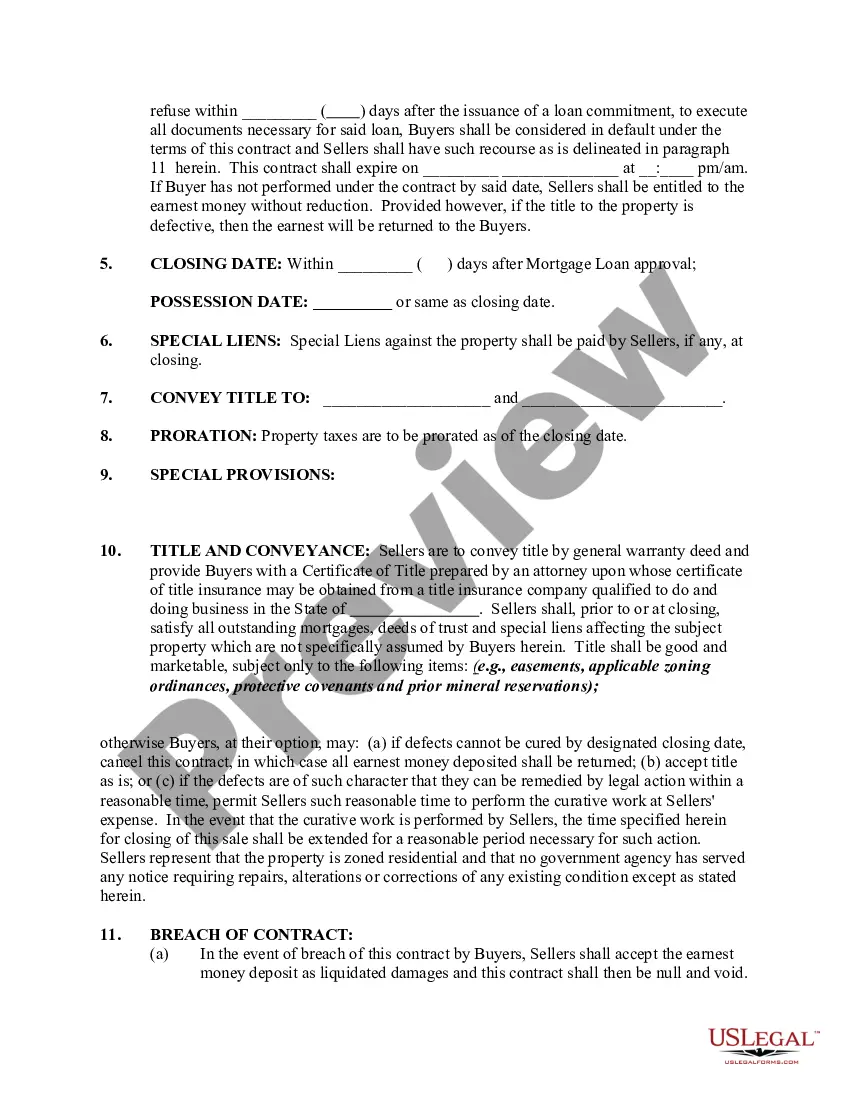
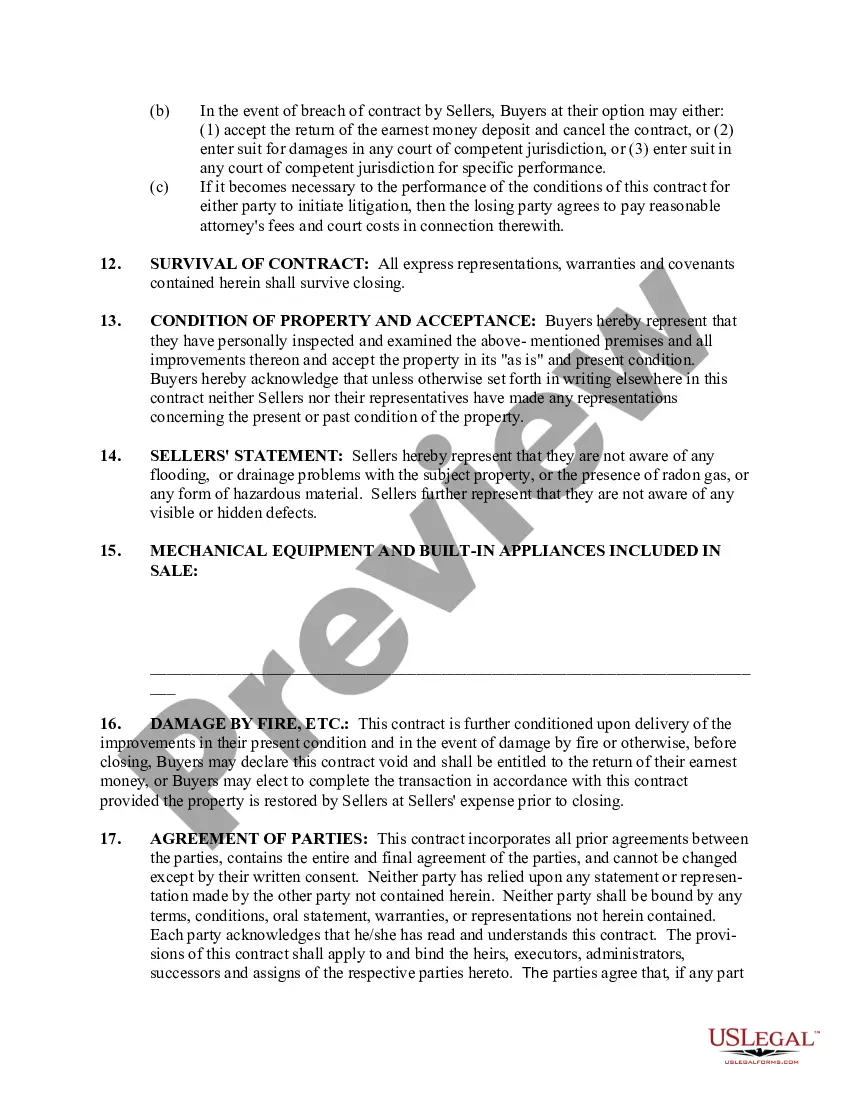
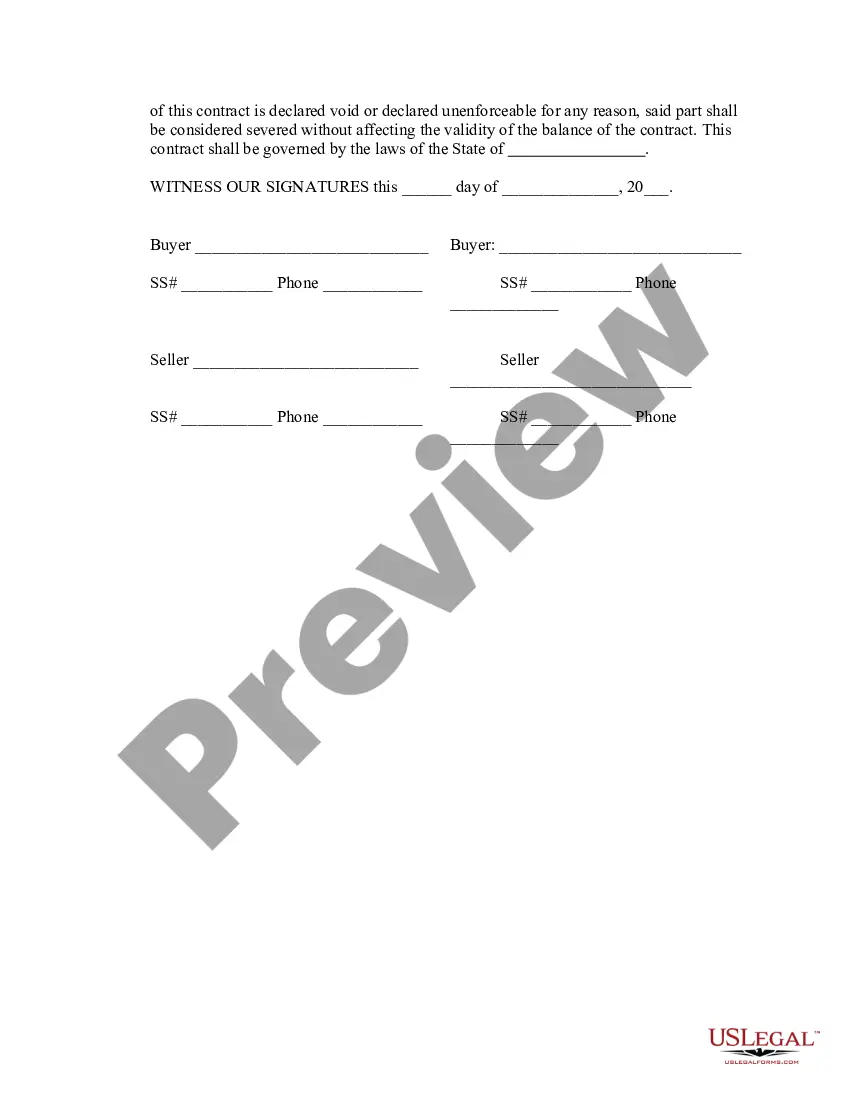
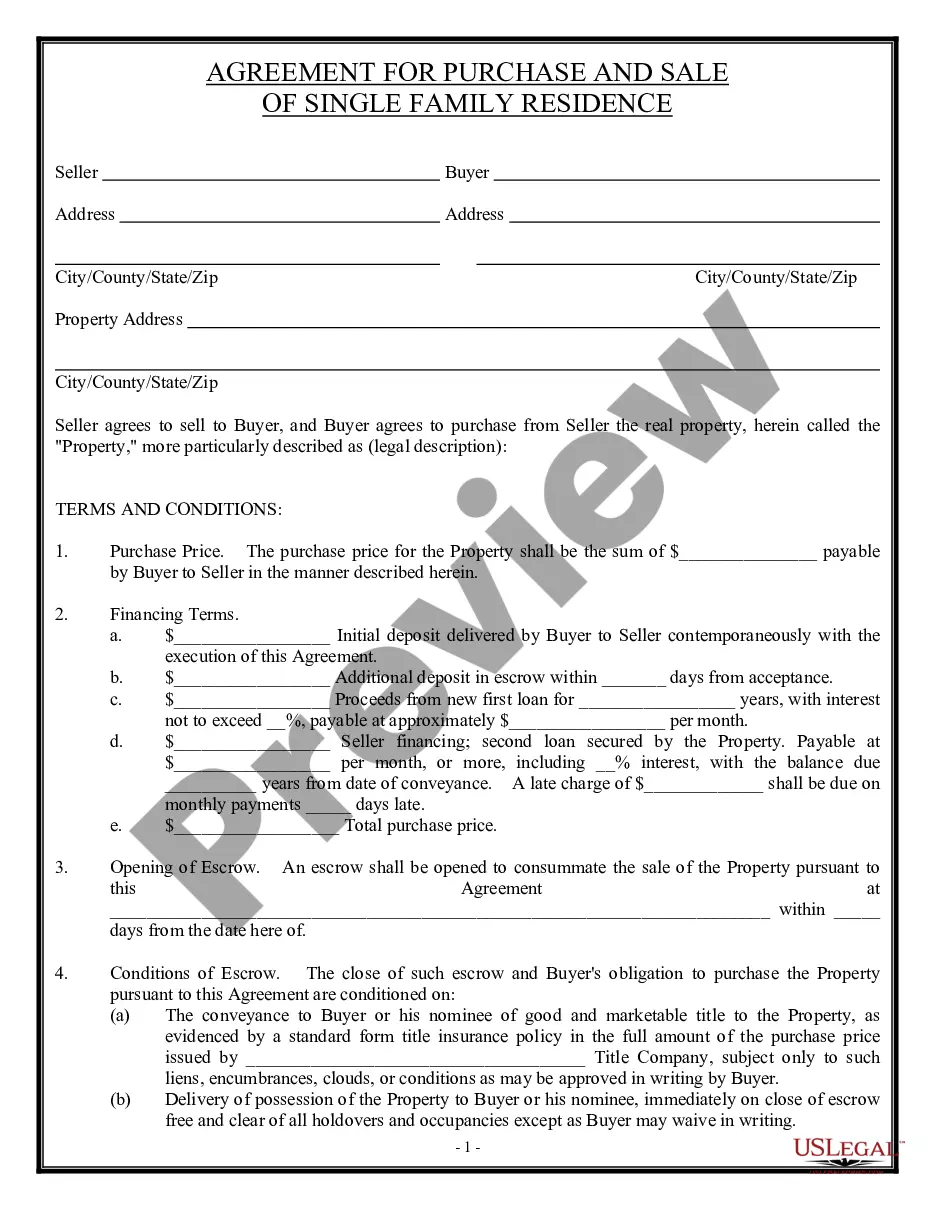
Get your form ready online
Our built-in tools help you complete, sign, share, and store your documents in one place.
Make edits, fill in missing information, and update formatting in US Legal Forms—just like you would in MS Word.
Download a copy, print it, send it by email, or mail it via USPS—whatever works best for your next step.
Sign and collect signatures with our SignNow integration. Send to multiple recipients, set reminders, and more. Go Premium to unlock E-Sign.
If this form requires notarization, complete it online through a secure video call—no need to meet a notary in person or wait for an appointment.
We protect your documents and personal data by following strict security and privacy standards.

Make edits, fill in missing information, and update formatting in US Legal Forms—just like you would in MS Word.

Download a copy, print it, send it by email, or mail it via USPS—whatever works best for your next step.

Sign and collect signatures with our SignNow integration. Send to multiple recipients, set reminders, and more. Go Premium to unlock E-Sign.

If this form requires notarization, complete it online through a secure video call—no need to meet a notary in person or wait for an appointment.

We protect your documents and personal data by following strict security and privacy standards.
Looking for another form?
Form popularity
FAQ
However, the most important documents in real estate are offers, agreements, and contracts between the buyer and seller.
3) Issuing an invoice detailing the goods sold and prices to support the transaction. Relevant documents include inquiry letters, quotations, orders, advice notes, invoices, credit notes, debit notes, and statements. Proper documentation and organization is needed to track the process.
There are three main sections to every real estate contract: Finding a property and making an offer. Negotiating, accepting, or rejecting the offer. Closing the transaction.
A seller must disclose any facts or conditions they know about that materially affect the value of the property. This means that they have to tell a buyer about any issue that would reduce the value of the property or make the property less desirable. Problems with the title to the home or property.
Most seller property disclosures are required for residential properties and vacant land. This means that when selling a residential property, the seller is legally obligated to disclose any known defects or issues with the property to potential buyers.
The mandatory disclosure rule applies to all original and supplemental dissolution of marriage cases, except simplified dissolution of marriage cases and cases where the respondent is served by constructive service and does not answer.
Florida case law provides that, with some exceptions, a residential home seller must disclose any facts or conditions about the property that have a substantial impact on its value or desirability and that others cannot easily see for themselves. This originally came from the court case of Johnson v. Davis, 480 So.
Florida Statute §689.25 states that if the property was ever presumed to have been the location of a homicide, suicide, or death, it is not considered a material fact and therefore is not required to be disclosed.
Unlike some states, Florida does not require that sellers involve a lawyer in the house-selling transaction. Nevertheless, you might decide to engage a lawyer at some point—for example, to review the final contract or to assist with closing details.
