Closing Any Property For Sale In Florida
Description

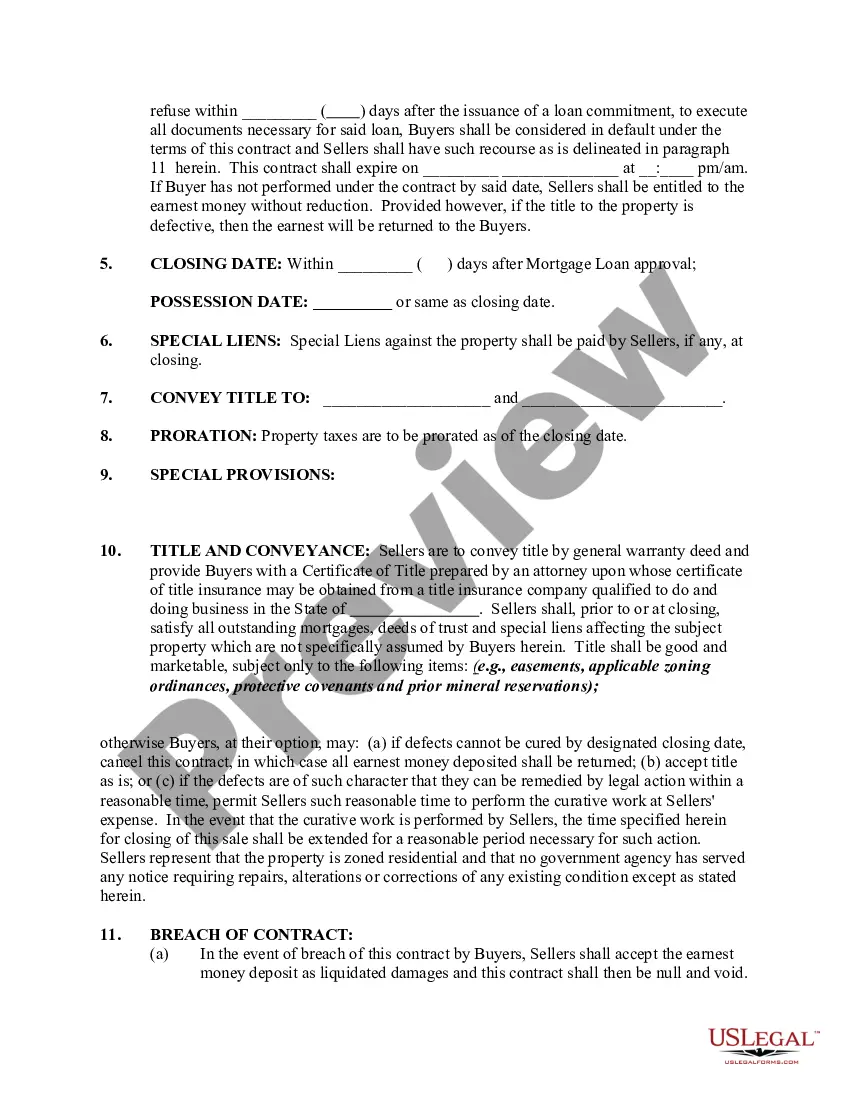
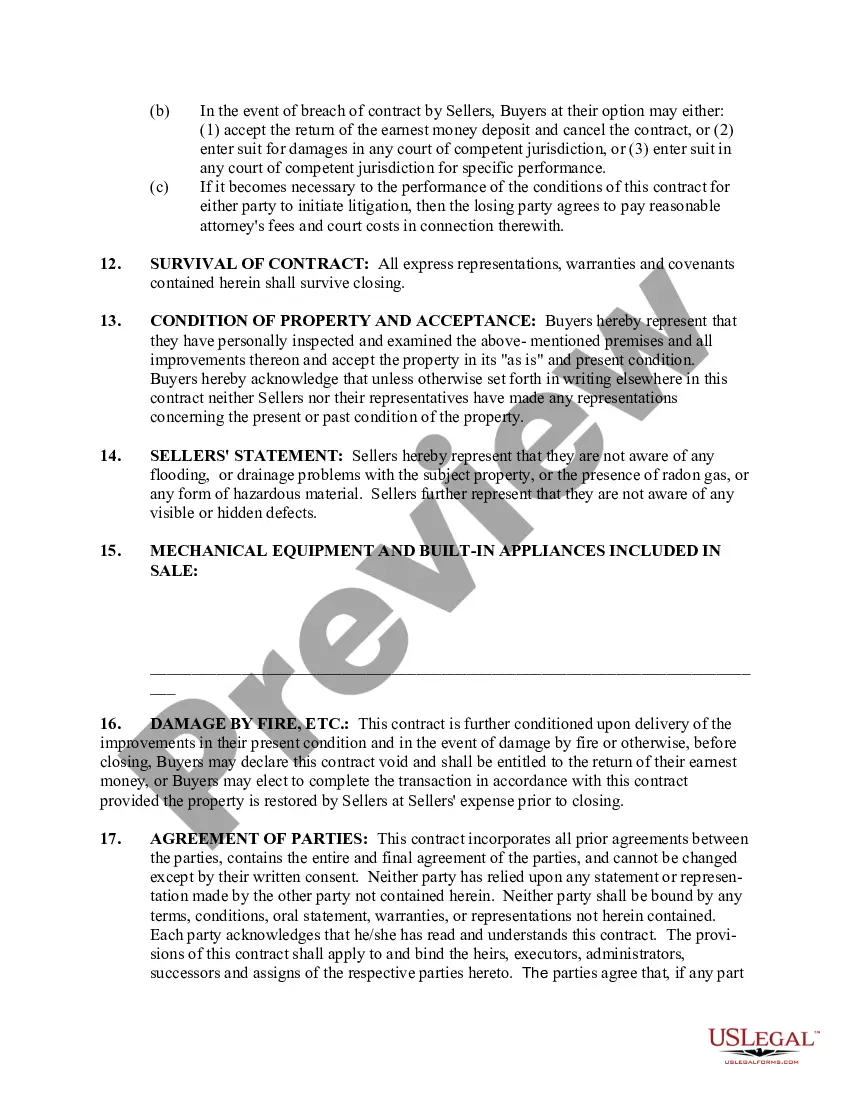
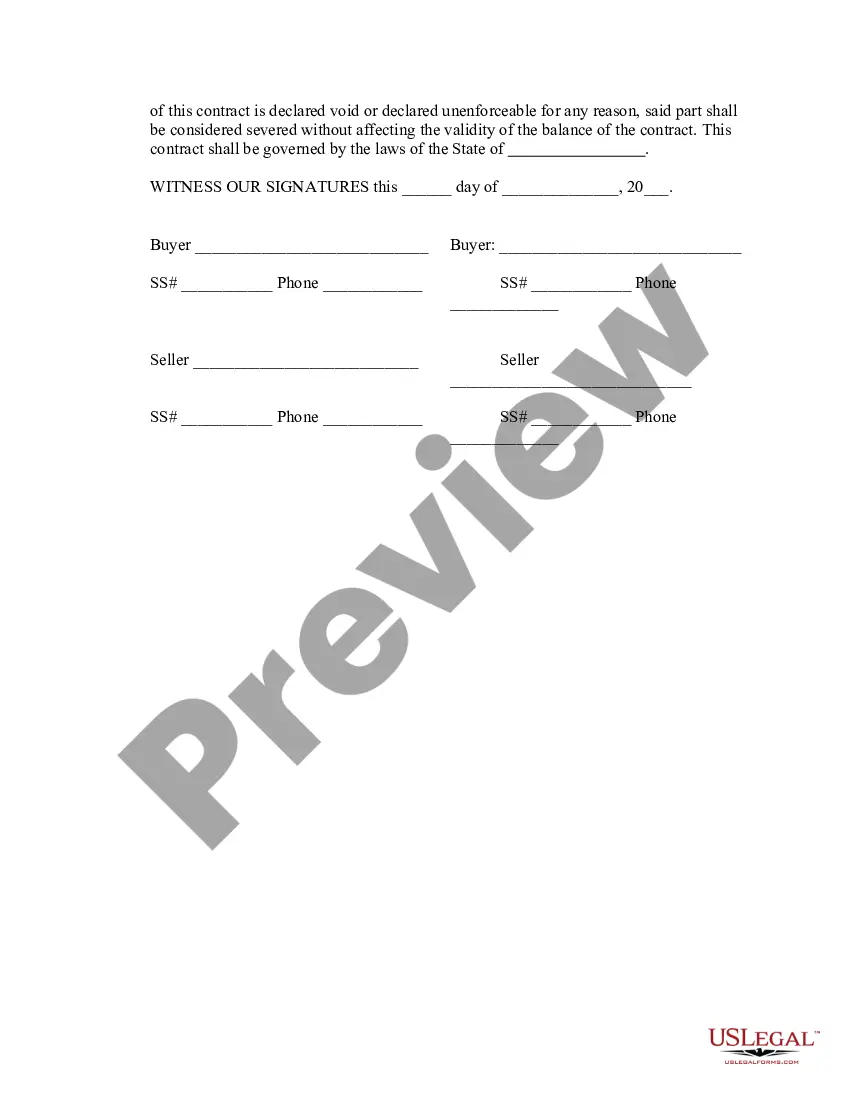
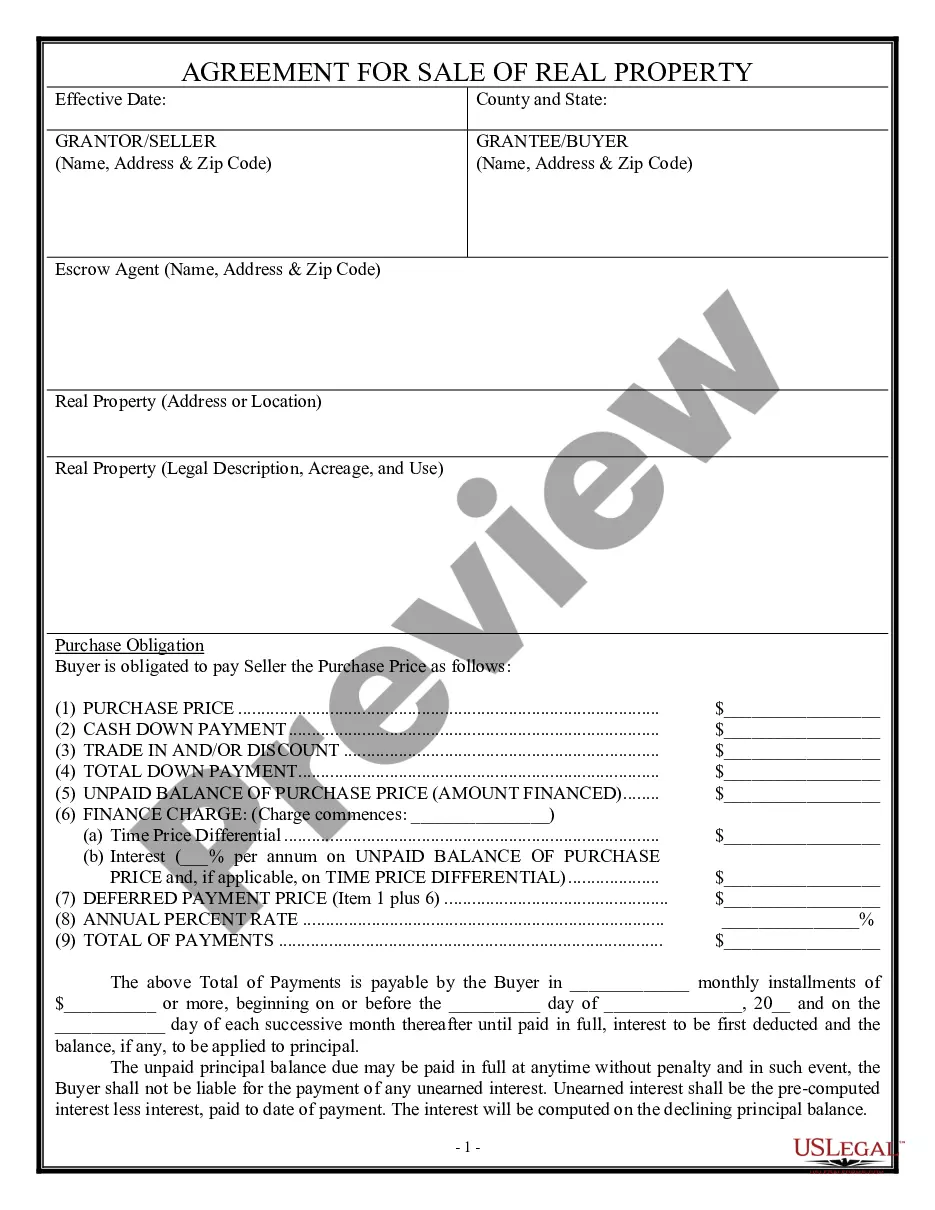
Get your form ready online
Our built-in tools help you complete, sign, share, and store your documents in one place.
Make edits, fill in missing information, and update formatting in US Legal Forms—just like you would in MS Word.
Download a copy, print it, send it by email, or mail it via USPS—whatever works best for your next step.
Sign and collect signatures with our SignNow integration. Send to multiple recipients, set reminders, and more. Go Premium to unlock E-Sign.
If this form requires notarization, complete it online through a secure video call—no need to meet a notary in person or wait for an appointment.
We protect your documents and personal data by following strict security and privacy standards.

Make edits, fill in missing information, and update formatting in US Legal Forms—just like you would in MS Word.

Download a copy, print it, send it by email, or mail it via USPS—whatever works best for your next step.

Sign and collect signatures with our SignNow integration. Send to multiple recipients, set reminders, and more. Go Premium to unlock E-Sign.

If this form requires notarization, complete it online through a secure video call—no need to meet a notary in person or wait for an appointment.

We protect your documents and personal data by following strict security and privacy standards.
Looking for another form?






Form popularity
FAQ
A closing is the finalization of a real estate transaction, during which ownership of the property transfers from the seller to the buyer. At this stage, all documents are signed, and funds are exchanged. The buyer typically receives the keys to their new property on the closing date.
In most cases, it takes between 30 and 60 days to close on a house once you've started the process.
If the seller intentionally leaves personal property behind, it could be considered “abandoned.” That means you now own all that stuff, and you're on the hook for cleaning it out.
A real estate attorney can facilitate the process for buyers and sellers and ensure a satisfactory closing of your home in Florida.
Florida may not require you to use a real estate attorney to close the sale of a home but having one can prove a wise decision. It's important to protect your bottom line during a real estate transaction and ensure you have every advantage you might need.
An attorney who represents the purchaser should make sure that the contract states that the property will be conveyed without violations and that a valid certificate of occupancy is a condition to closing. Occupying premises without at least a temporary certificate of occupancy is unlawful.
Florida law does not require buyers or sellers to hire an attorney for real estate closings, but doing so provides peace of mind. An experienced attorney can: Review contracts and closing documents. Address title defects or other legal issues.
