Closing Property Title Form Texas In Cook
Description

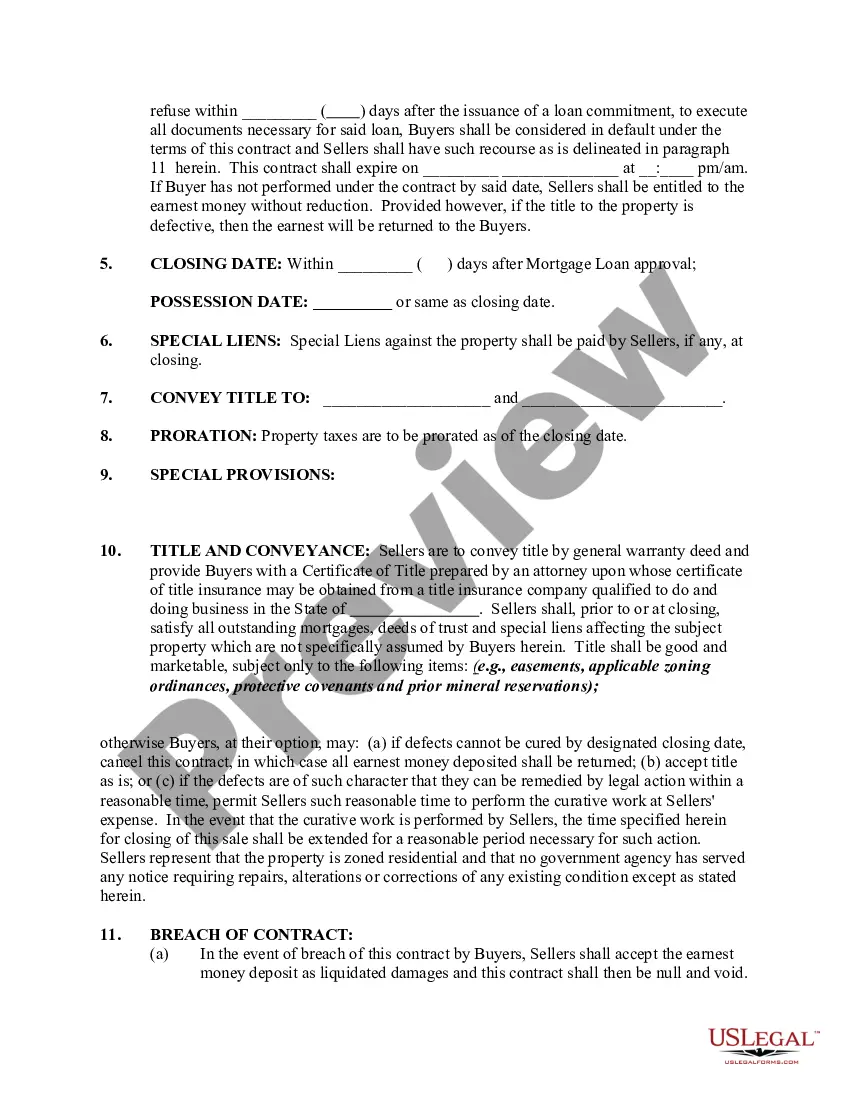
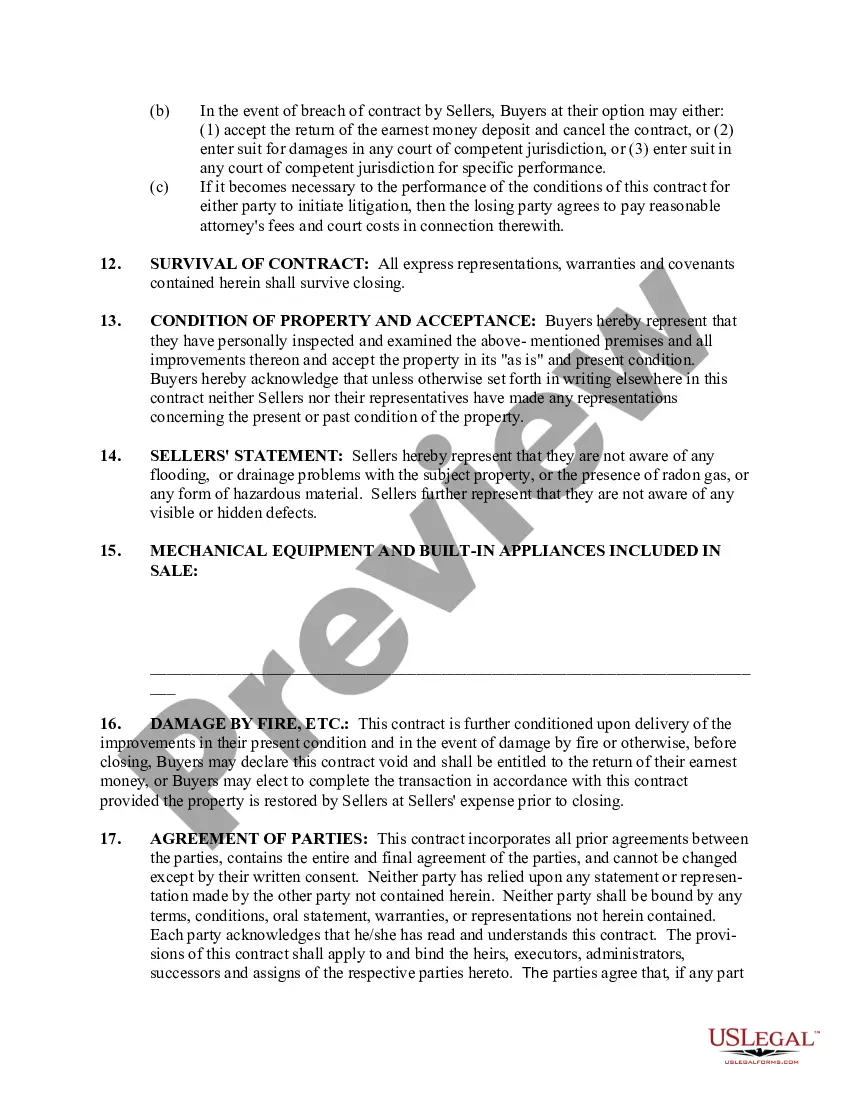
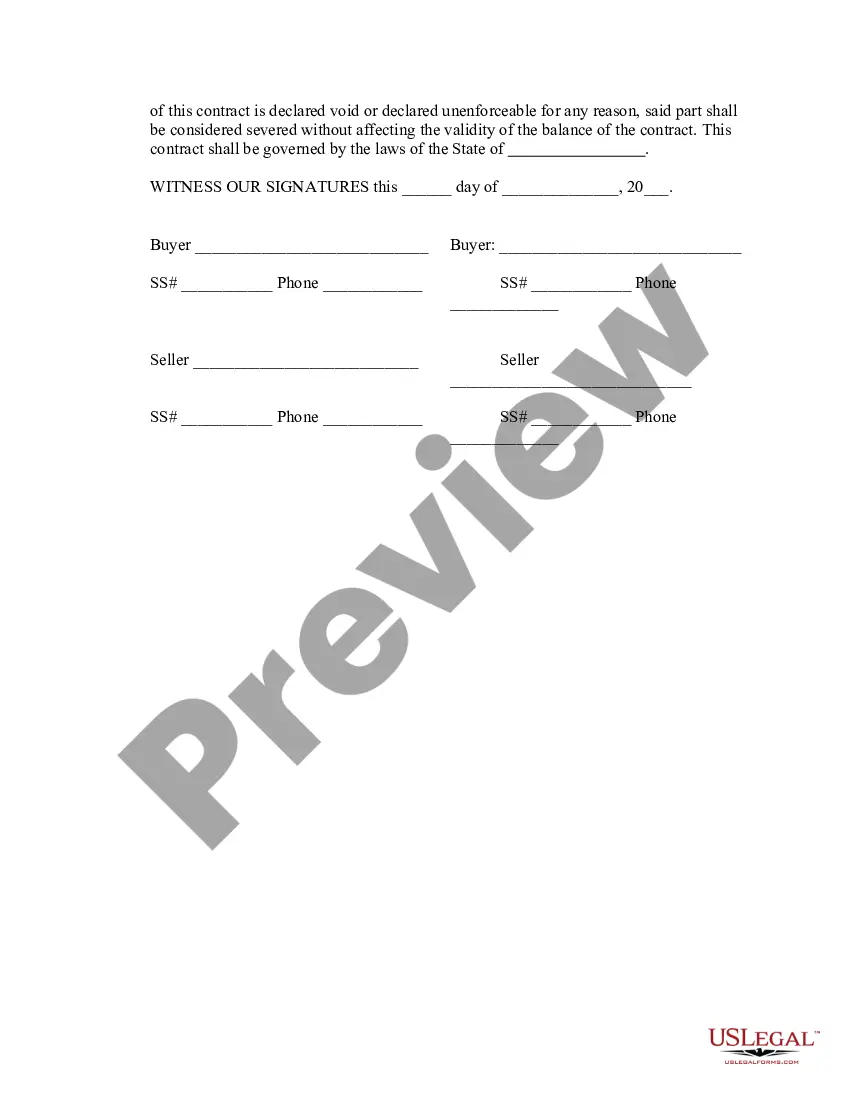
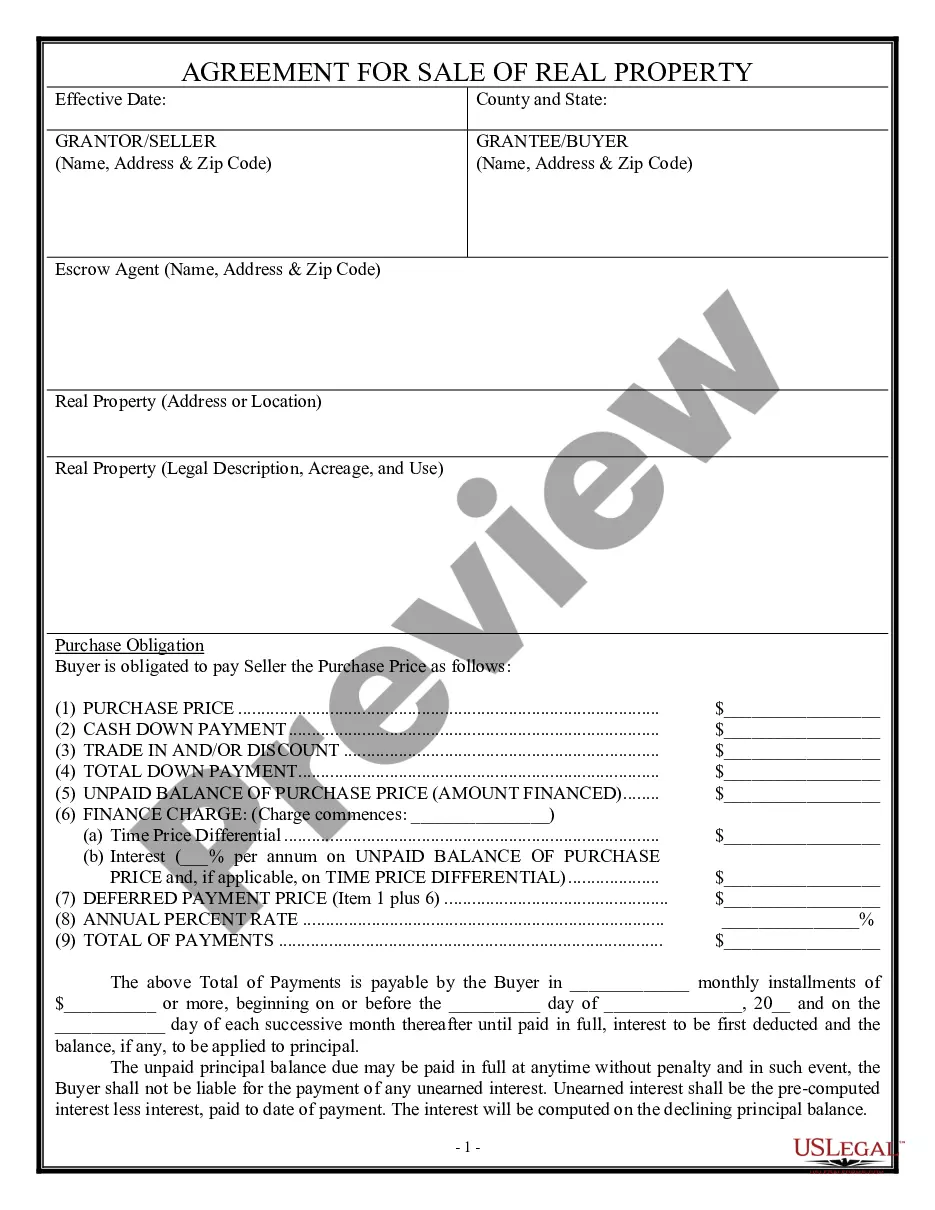
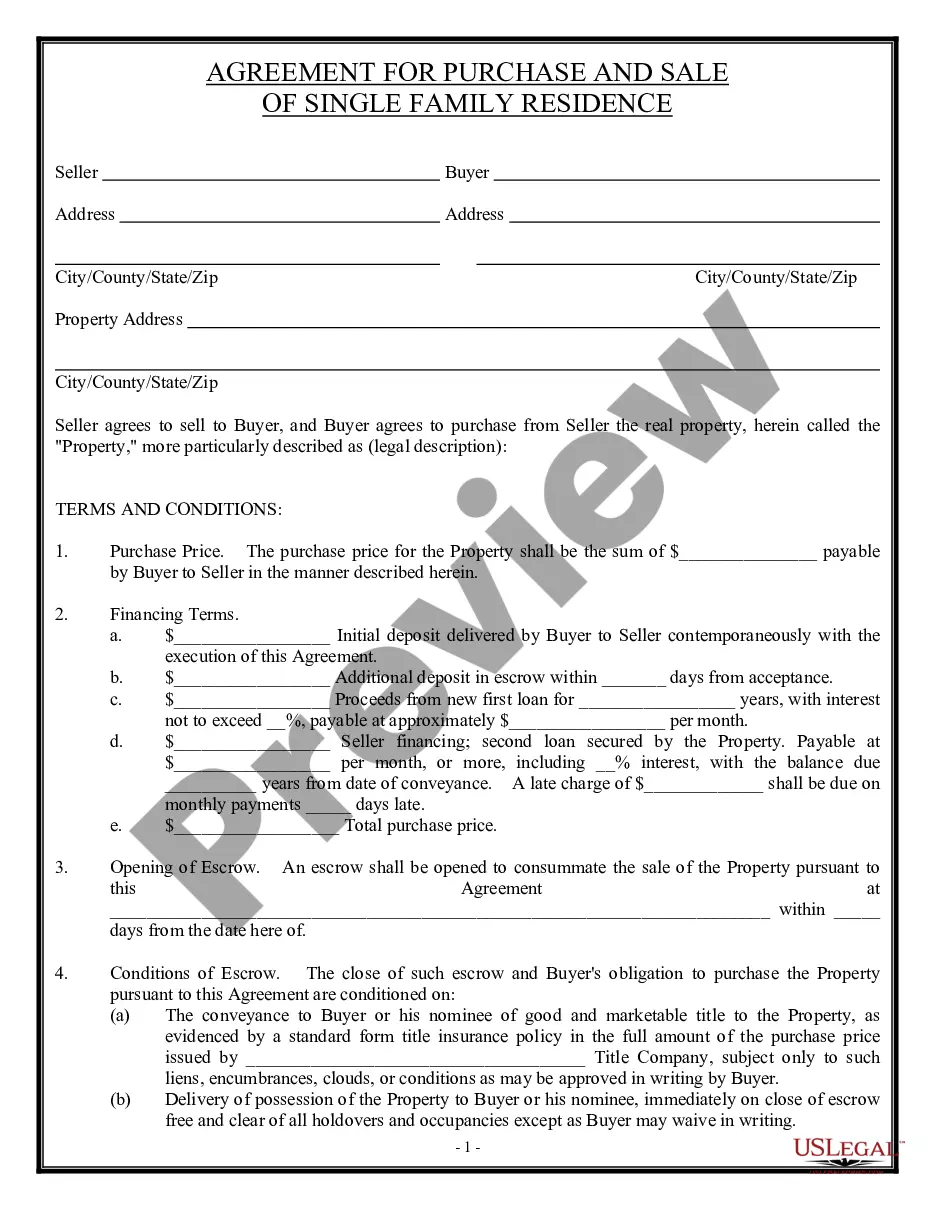
Get your form ready online
Our built-in tools help you complete, sign, share, and store your documents in one place.
Make edits, fill in missing information, and update formatting in US Legal Forms—just like you would in MS Word.
Download a copy, print it, send it by email, or mail it via USPS—whatever works best for your next step.
Sign and collect signatures with our SignNow integration. Send to multiple recipients, set reminders, and more. Go Premium to unlock E-Sign.
If this form requires notarization, complete it online through a secure video call—no need to meet a notary in person or wait for an appointment.
We protect your documents and personal data by following strict security and privacy standards.

Make edits, fill in missing information, and update formatting in US Legal Forms—just like you would in MS Word.

Download a copy, print it, send it by email, or mail it via USPS—whatever works best for your next step.

Sign and collect signatures with our SignNow integration. Send to multiple recipients, set reminders, and more. Go Premium to unlock E-Sign.

If this form requires notarization, complete it online through a secure video call—no need to meet a notary in person or wait for an appointment.

We protect your documents and personal data by following strict security and privacy standards.
Looking for another form?









Form popularity
FAQ
You may choose any title company you want; you don't have to use a company selected by a real estate agent, builder, or lender. Section 9 of the Real Estate Settlement Procedures Act (RESPA) prohibits sellers from conditioning the home sale on the use of a specific title insurance company.
Here are the steps to follow when transferring property ownership in Texas legally: Step 1: Prepare the Deed. The first step is to prepare the deed, but what's the difference between a title vs. Step 2: Sign the Deed. Step 3: Record the Deed. Step 4: Update Property Records.
Transfers of real property must be in writing and notarized. Deeds should be recorded in the county where the property is located. To ensure a legal change to the property title, you'll want the services of an attorney. A qualified attorney will prepare and file the real estate transfer deed.
To transfer a Texas titled vehicle, bring in or mail the following to our offices: Texas title, signed and dated by the seller(s) and buyer(s). VTR-130U (Application for Texas title), signed and dated by the seller(s) and buyer(s). Proof of insurance in the buyer's name. Acceptable form of ID. Proof of inspection. Fees.
Removing someone's name from your property in Texas typically involves legal documentation and, in some cases, the consent of the person whose name is being removed. The most common method is through a deed transfer, where a new deed is created to reflect the current ownership status.
Apply for a license Exam. You do not need to take an exam for a title insurance license. Fingerprint background check. You do not need to get a fingerprint background check for a title insurance license. Application: agent or direct operation. Temporary license. Emergency license. Provisional permit. Laws and rules.
How To Become a Title Closer in Real Estate Step 1: Research a Title Closer's Career Duties and Education Requirements. Step 2: Complete Coursework and Certification Training. Step 3: Get Relevant Work Experience. Step 4: Familiarize With Real Estate Documents. Step 5: Apply for a Job.
To act either as a title insurance agent or escrow officer, you must have a license from the Texas Department of Insurance, or TDI. Becoming qualified to apply for a license requires knowing Texas title insurance law and regulations, which you can do through education and work experience.
