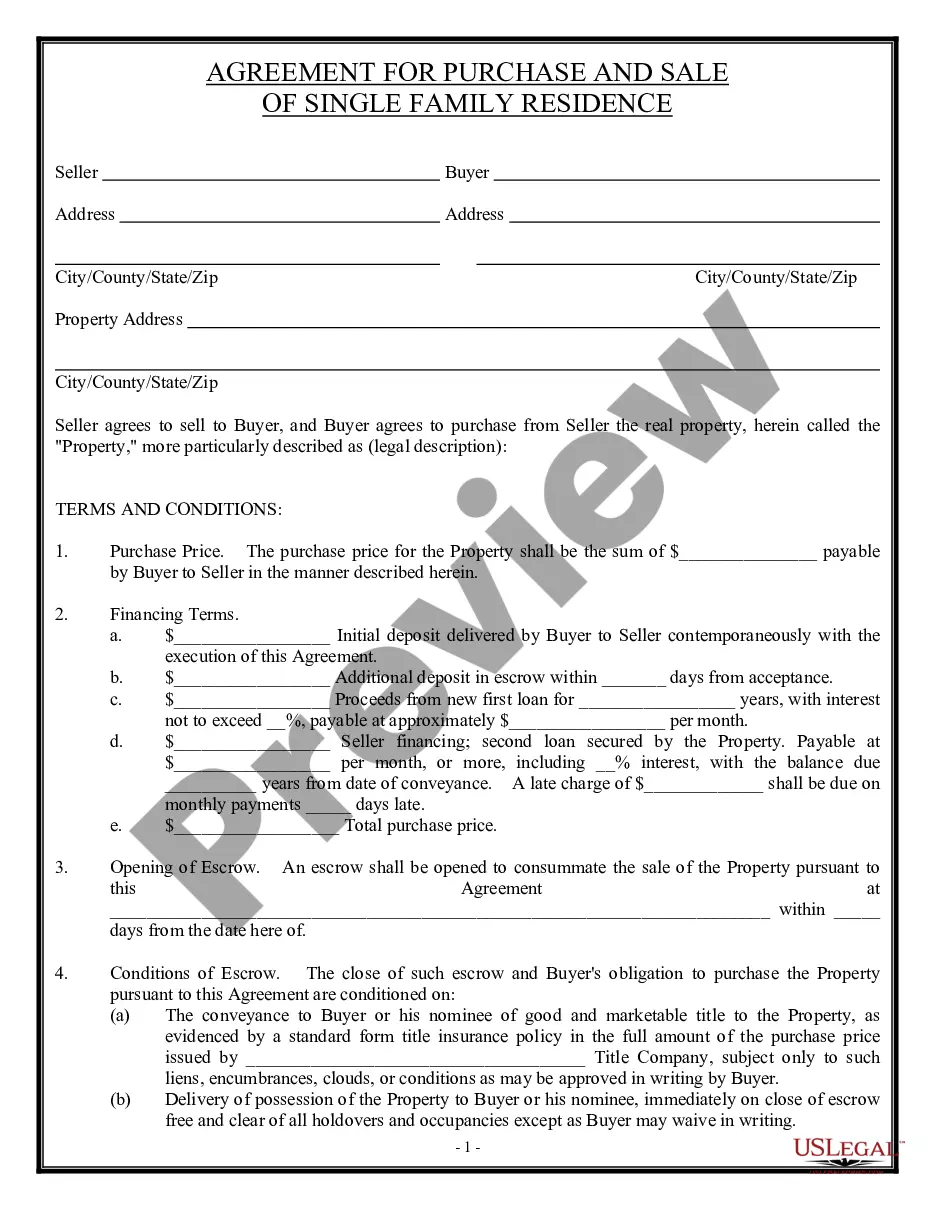
Closure Any Property For Division In Contra Costa
Description

Get your form ready online
Our built-in tools help you complete, sign, share, and store your documents in one place.
Make edits, fill in missing information, and update formatting in US Legal Forms—just like you would in MS Word.
Download a copy, print it, send it by email, or mail it via USPS—whatever works best for your next step.
Sign and collect signatures with our SignNow integration. Send to multiple recipients, set reminders, and more. Go Premium to unlock E-Sign.
If this form requires notarization, complete it online through a secure video call—no need to meet a notary in person or wait for an appointment.
We protect your documents and personal data by following strict security and privacy standards.

Make edits, fill in missing information, and update formatting in US Legal Forms—just like you would in MS Word.

Download a copy, print it, send it by email, or mail it via USPS—whatever works best for your next step.

Sign and collect signatures with our SignNow integration. Send to multiple recipients, set reminders, and more. Go Premium to unlock E-Sign.

If this form requires notarization, complete it online through a secure video call—no need to meet a notary in person or wait for an appointment.

We protect your documents and personal data by following strict security and privacy standards.
Looking for another form?










Form popularity
FAQ
2 Noise Thresholds 2.1 New residential development / conversions Indoors 35 dB LAeq,16hrs daytime (07.00 to 23.00hrs); Inside bedrooms 30 dB LAeq,8hrs night-time (23.00 to 07.00hrs); and Inside bedrooms 45 dB LAFmax to be exceeded no more than 15 times per night-time from sources other than emergency sirens.
Homeowner's Exemption If you own and occupy the property as your principal place of residence, you are eligible for a Homeowners' Exemption of $7,000 in assessed value for that property. The exemption will reduce the annual property tax bill by at least $70 each year.
For residential environments, the accepted decibel level is lower. Any noise exceeding 70 dB is considered disturbing. Residential limits usually start at 60 or 55 dB (the equivalent noise of a regular vacuum cleaner). Time limits usually apply after 10 pm and until 7 am.
Most local ordinances include "quiet times." A typical ordinance prohibits loud noises between 11 p.m. and 7 or 8 a.m. on weekdays and 11 p.m. or midnight until 8 to 10 a.m. on Sundays and holidays. It is worthwhile to check your local ordinance before making formal complaint so that you can cite the law.
