Closure Any Property For Division In Collin
Description

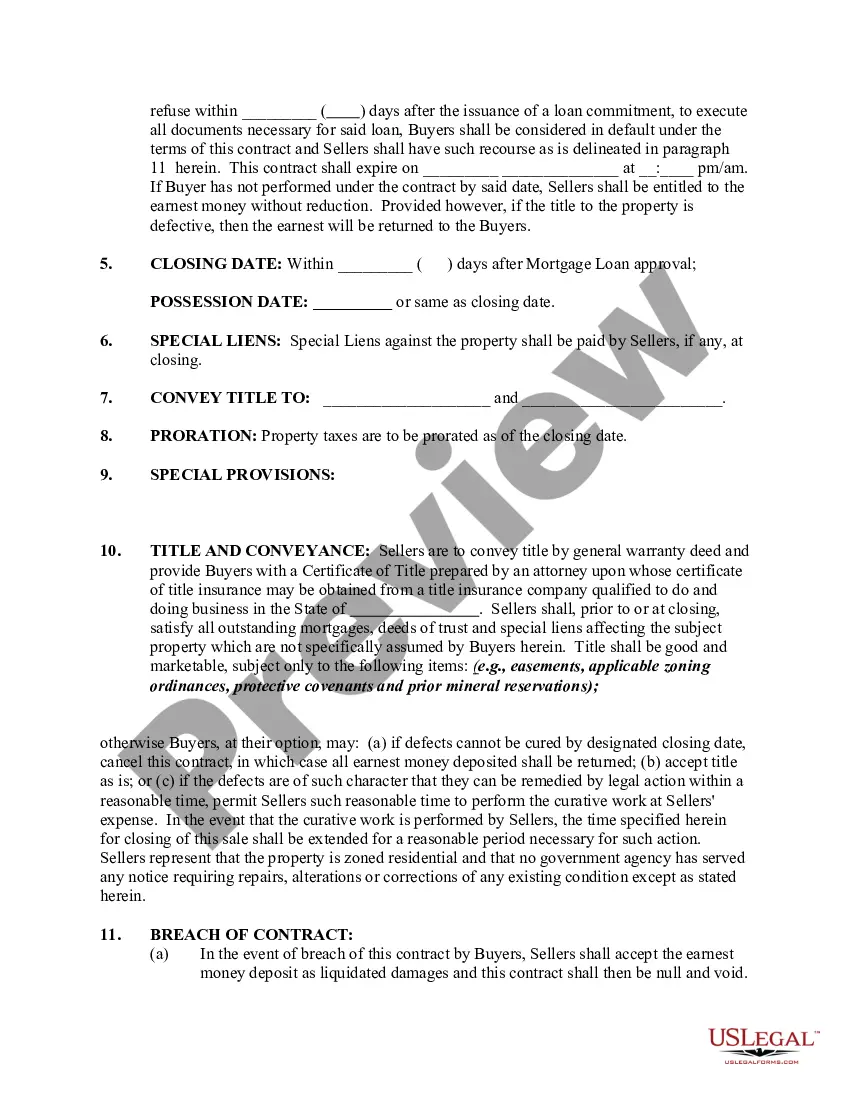
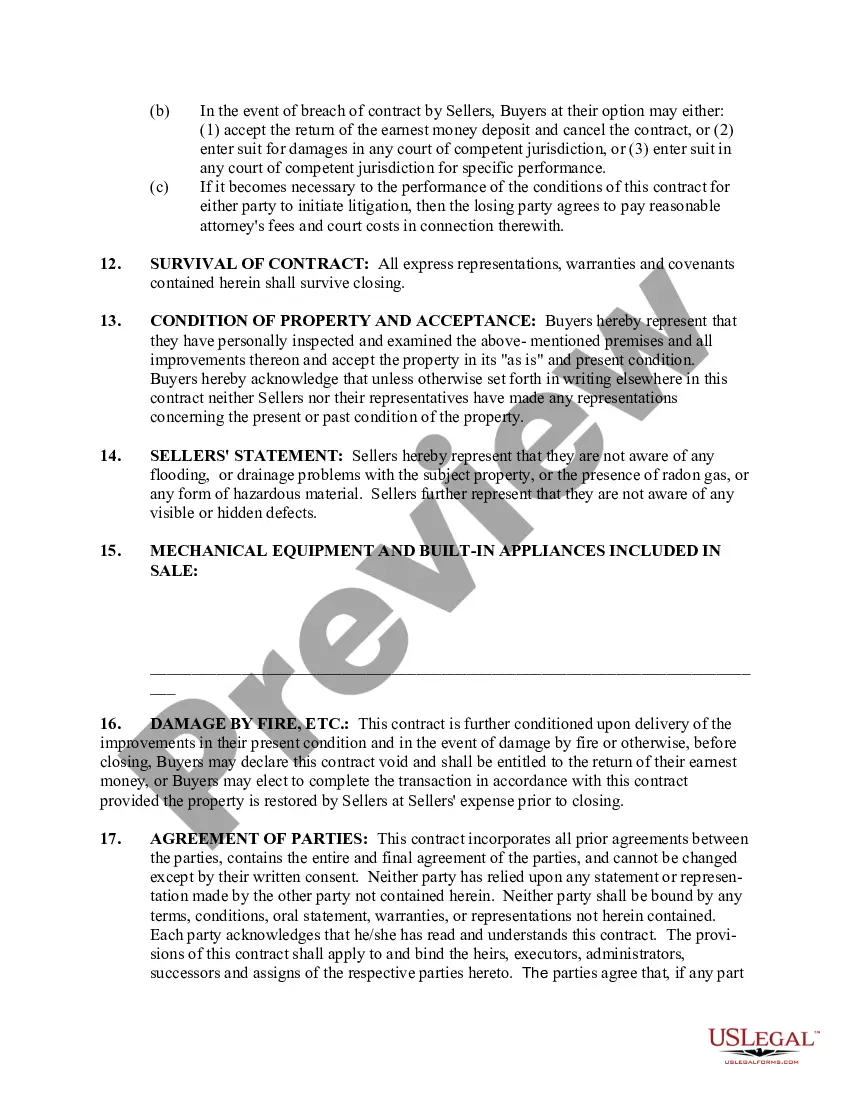
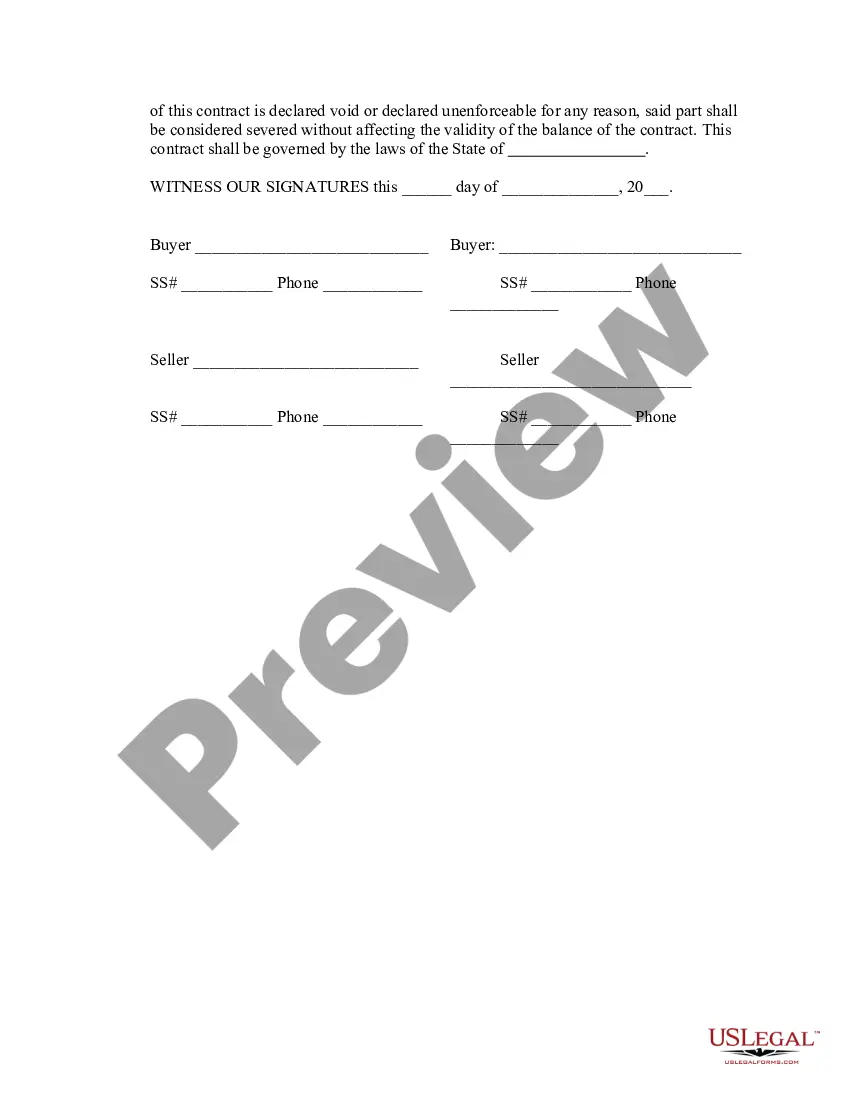
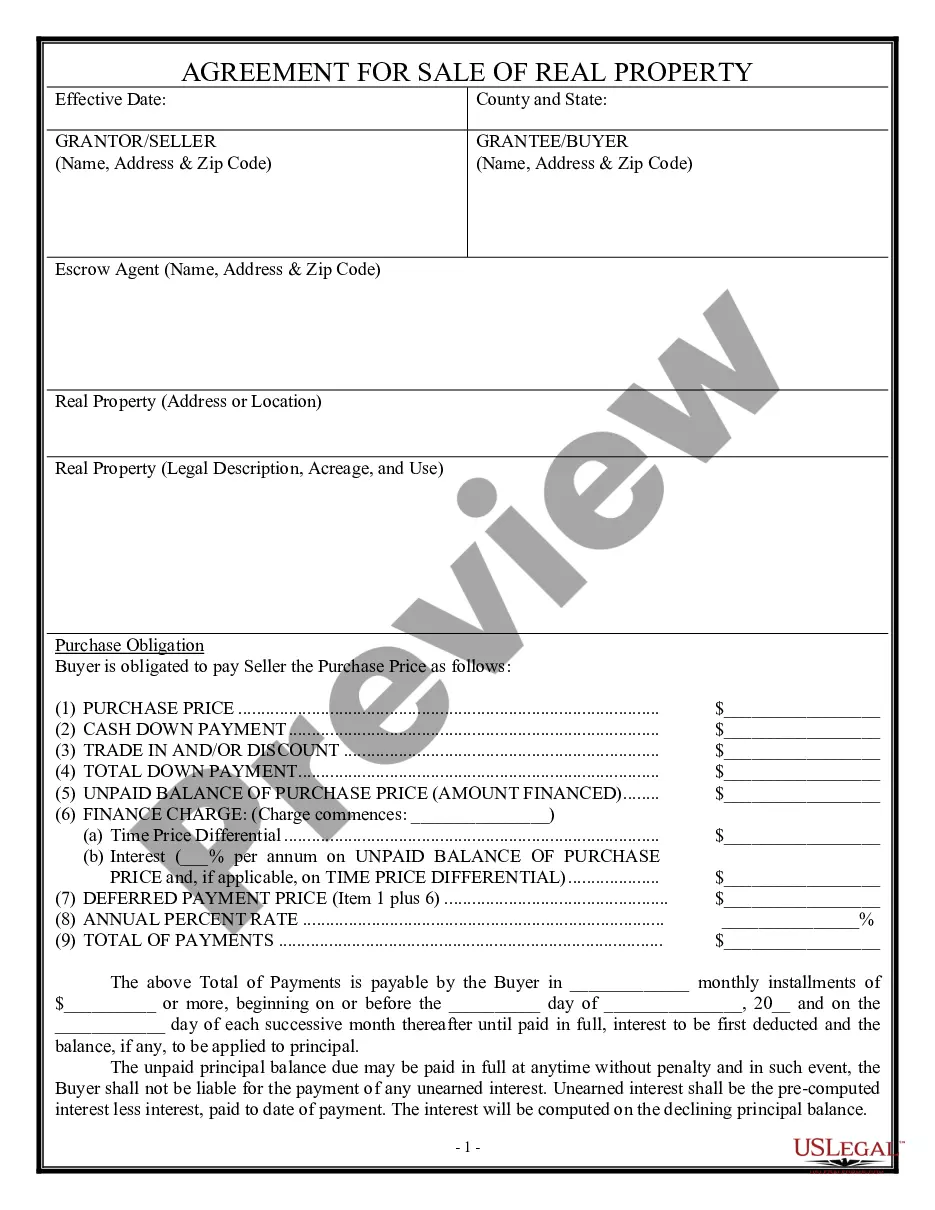

Get your form ready online
Our built-in tools help you complete, sign, share, and store your documents in one place.
Make edits, fill in missing information, and update formatting in US Legal Forms—just like you would in MS Word.
Download a copy, print it, send it by email, or mail it via USPS—whatever works best for your next step.
Sign and collect signatures with our SignNow integration. Send to multiple recipients, set reminders, and more. Go Premium to unlock E-Sign.
If this form requires notarization, complete it online through a secure video call—no need to meet a notary in person or wait for an appointment.
We protect your documents and personal data by following strict security and privacy standards.

Make edits, fill in missing information, and update formatting in US Legal Forms—just like you would in MS Word.

Download a copy, print it, send it by email, or mail it via USPS—whatever works best for your next step.

Sign and collect signatures with our SignNow integration. Send to multiple recipients, set reminders, and more. Go Premium to unlock E-Sign.

If this form requires notarization, complete it online through a secure video call—no need to meet a notary in person or wait for an appointment.

We protect your documents and personal data by following strict security and privacy standards.
Looking for another form?







Form popularity
FAQ
The closure property of the division tells that the result of the division of two whole numbers is not always a whole number. Whole numbers are not closed under division i.e., a ÷ b is not always a whole number. From the property, we have, 14 ÷ 7 = 2 (whole number) but 7 ÷ 14 = ½ (not a whole number).
Texas is one of nine states that is a community property jurisdiction. In general, this means that any property acquired by a couple during their marriage (with a few exceptions) is equally owned by both spouses. This can have a profound effect on the dissolution of property during divorce proceedings.
For Division: For any two numbers (A, B) commutative property for division is given as A ÷ B ≠ B ÷ A. For example, (6 ÷ 3) ≠ (3 ÷ 6) = 2 ≠ 1/2. You will find that expressions on both sides are not equal. So division is not commutative for the given numbers.
Closure Property Whole numbers are not closed under division i.e., a ÷ b is not always a whole number. From the property, we have, 14 ÷ 7 = 2 (whole number) but 7 ÷ 14 = ½ (not a whole number).
Closure property is one of the basic properties used in math. By definition, closure property means the set is closed. This means any operation conducted on elements within a set gives a result which is within the same set of elements. Closure property helps us understand the characteristics or nature of a set.
If the division of two numbers from a set always produces a number in the set, we have closure under division. The set of whole numbers are not closed under division, and the set of integers are not closed under division because they both produce fractions.
Ing to the Comptroller, there is no provision for the cessation of property taxes at any stage. However, there is a Texas property tax exemption for people over the age of 65, which offers temporary tax relief for seniors. At the age of 65, seniors can apply for an exemption from Texas property taxes.
Visit Texas/PropertyTaxes to find a link to your local property tax database on which you can easily access information regarding your property taxes, including information regarding the amount of taxes that each entity that taxes your property will impose if the entity adopts its proposed tax rate.
Abstract of Judgment: If the defendant owns real property (land), you can get an abstract of judgment from the court that issued the judgment and file it with the county clerk in the county or counties where the defendant owns the property.
Once the motion for contempt is filed, the court will schedule a hearing. Attend the hearing and present evidence to support your claims of non-compliance. The court will assess the situation and determine appropriate remedies, which may include: Fines, sanctions, or other enforcement measures.
