Closing Property Title With Mortgage In Collin
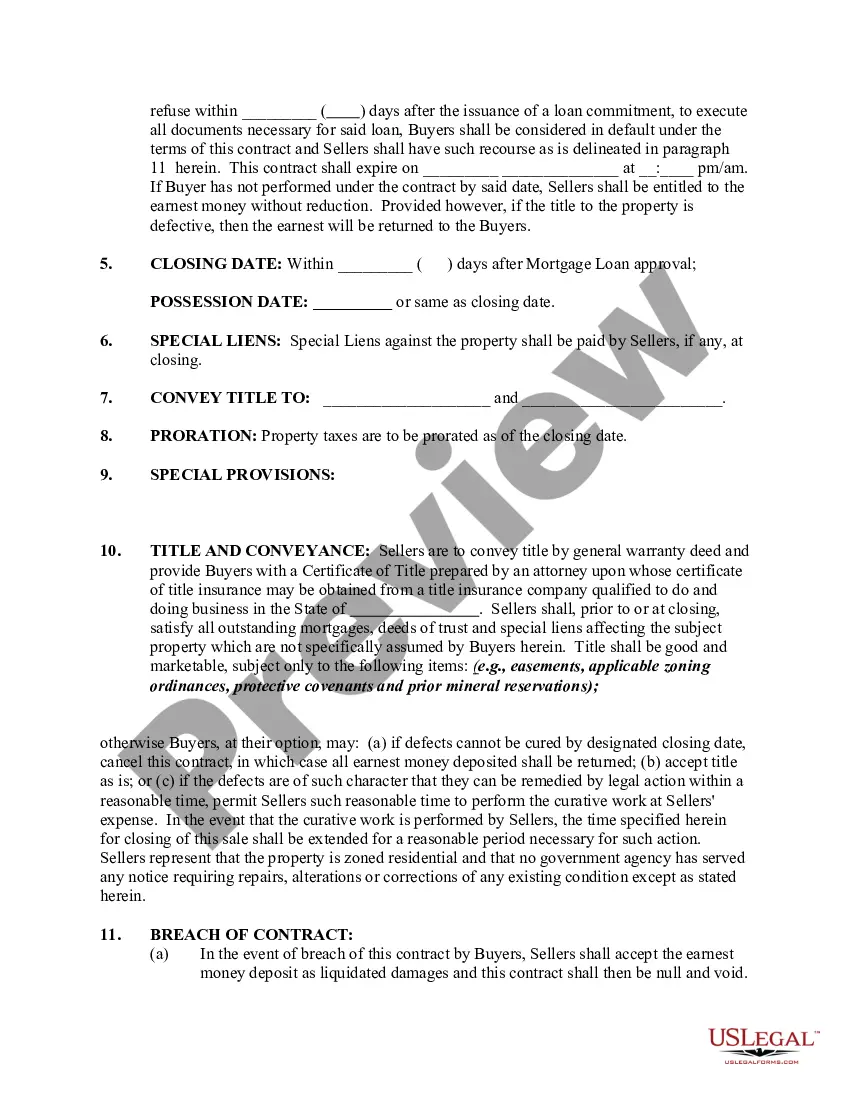
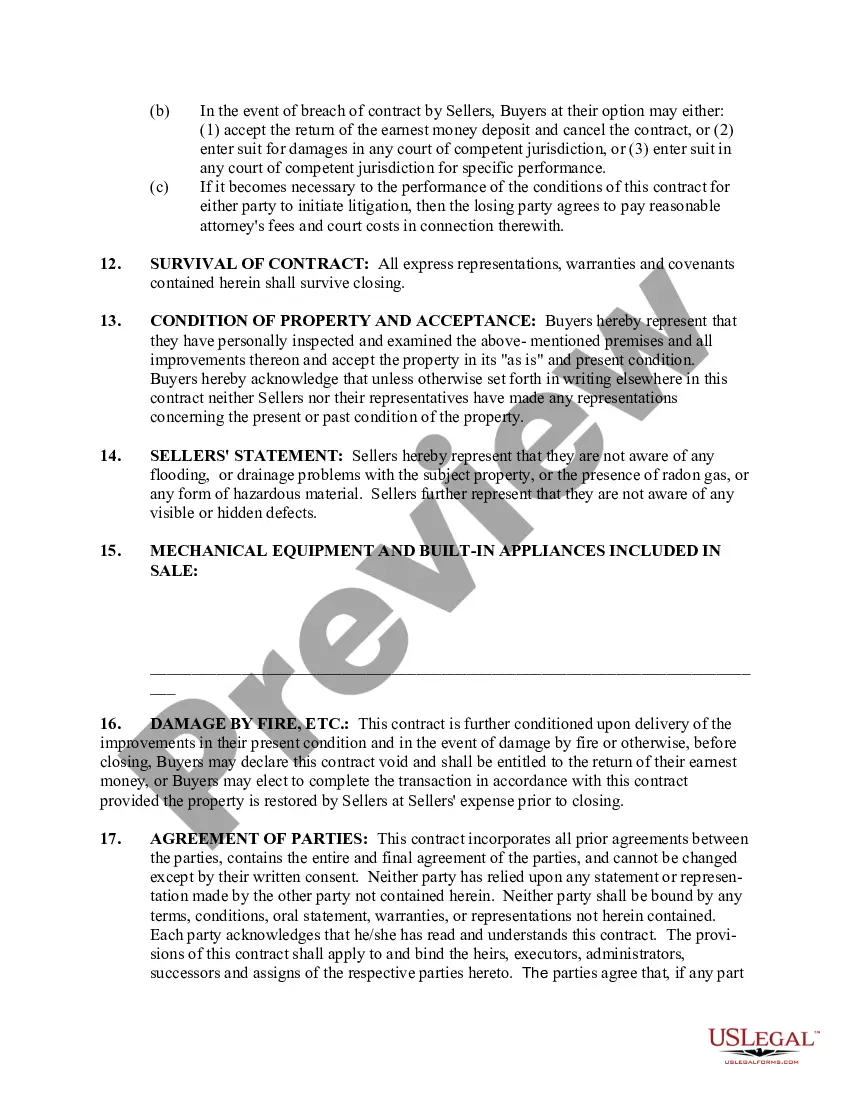
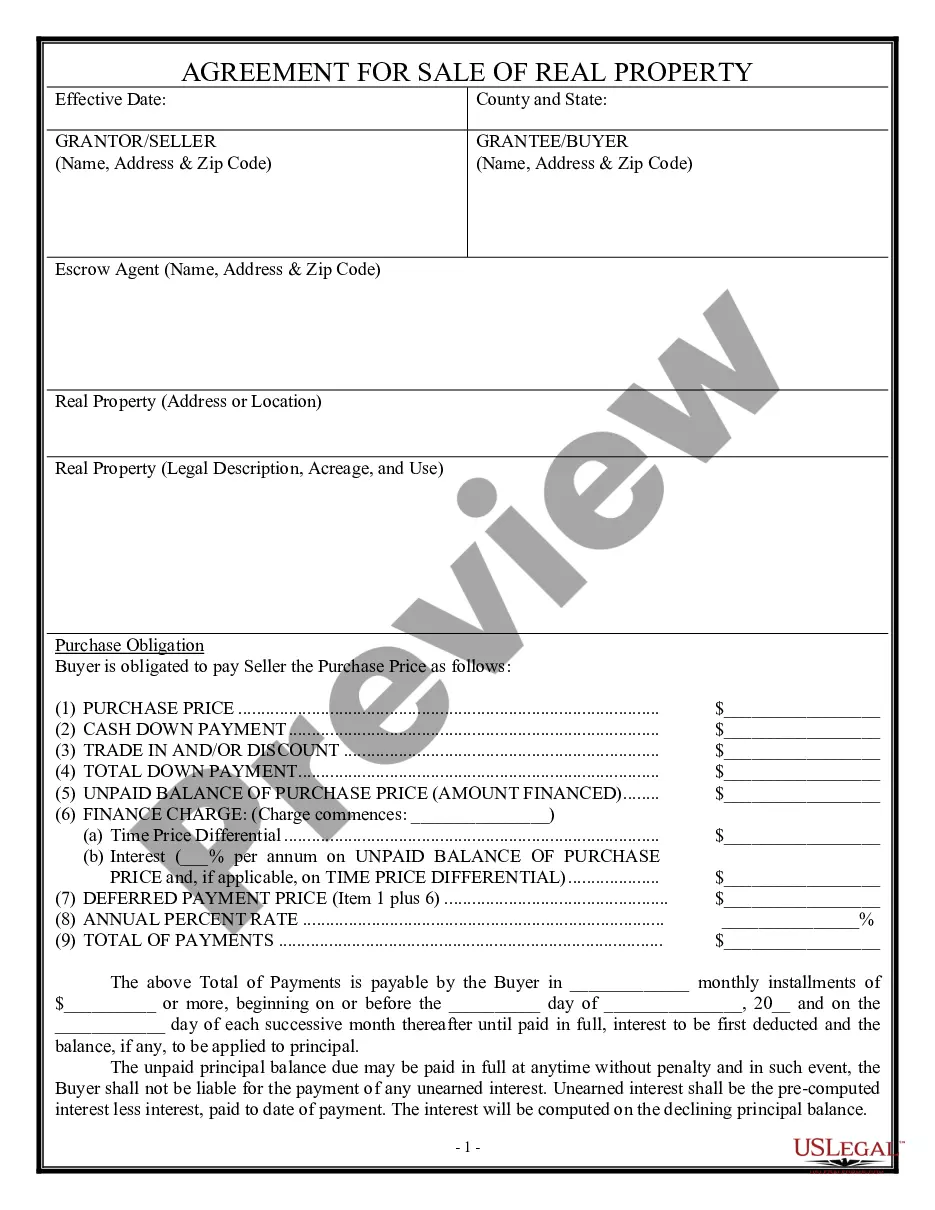
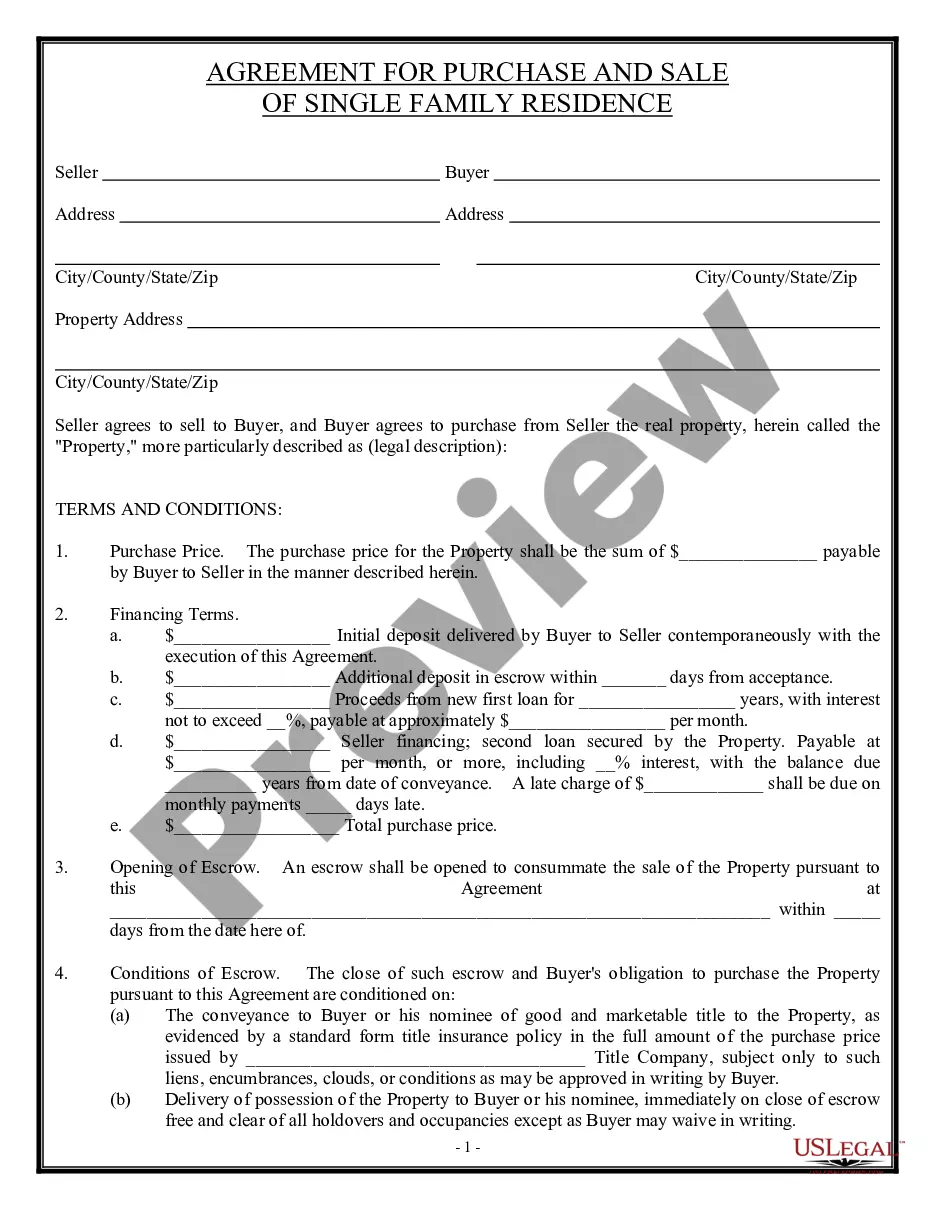
Description


Get your form ready online
Our built-in tools help you complete, sign, share, and store your documents in one place.
Make edits, fill in missing information, and update formatting in US Legal Forms—just like you would in MS Word.
Download a copy, print it, send it by email, or mail it via USPS—whatever works best for your next step.
Sign and collect signatures with our SignNow integration. Send to multiple recipients, set reminders, and more. Go Premium to unlock E-Sign.
If this form requires notarization, complete it online through a secure video call—no need to meet a notary in person or wait for an appointment.
We protect your documents and personal data by following strict security and privacy standards.

Make edits, fill in missing information, and update formatting in US Legal Forms—just like you would in MS Word.

Download a copy, print it, send it by email, or mail it via USPS—whatever works best for your next step.

Sign and collect signatures with our SignNow integration. Send to multiple recipients, set reminders, and more. Go Premium to unlock E-Sign.

If this form requires notarization, complete it online through a secure video call—no need to meet a notary in person or wait for an appointment.

We protect your documents and personal data by following strict security and privacy standards.
Looking for another form?










Form popularity
FAQ
The closing process involves four specific steps: Step 1: Close revenue accounts to Income Summary. Income Summary is a temporary account used during the closing process. Step 2: Close expense accounts to Income Summary. Step 3: Close Income Summary to Retained Earnings. Step 4: Close dividends to Retained Earnings.
The closing process typically begins with reviewing and reconciling accounts to identify discrepancies and errors. Adjusting entries are then recorded to account for accruals, deferrals, depreciation, and other adjustments necessary to reflect the correct financial position.
What Are the Steps to Financial Close? Identify transactions and record them in a journal. Post to the general ledger. Prepare an unadjusted trial balance. Reconcile debits and credits. Create adjusting journal entries. Run an adjusted trial balance and financial statements. Close the books and generate financial reports.
Four Steps to Filing a Lien in Texas Be Prepared on Every Job: Record Essential Information. Unfortunately, subcontractor nonpayment is common in the private commercial construction industry. Send a Pre-lien Notice. File a Mechanic's Lien Affidavit. 4. Mail a Notice to the Property Owner and General Contractor.
The title transfer process in Collin County involves changing the ownership of a property. It requires gathering necessary documents, such as the current title and proof of identity, completing specific forms, and filing them with the County Clerk's office, along with any applicable fees.
Here are the steps to follow when transferring property ownership in Texas legally: Step 1: Prepare the Deed. The first step is to prepare the deed, but what's the difference between a title vs. Step 2: Sign the Deed. Step 3: Record the Deed. Step 4: Update Property Records.
With Texas Easy Lien, you can prepare your own construction lien and bond claim documents online. No expensive attorney, finding a notary or waiting. Within minutes, you can do it yourself and save thousands of dollars.
This document is the heart of your lien. It must detail the work done or materials provided. ItMoreThis document is the heart of your lien. It must detail the work done or materials provided. It should also State the outstanding amount remember Precision is your friend here.
If the project is located in Collin county, then yes, you will want to record your lien with the Collin County, Texas Clerk's office.
