Closing Property Title For Liens In Chicago
Description

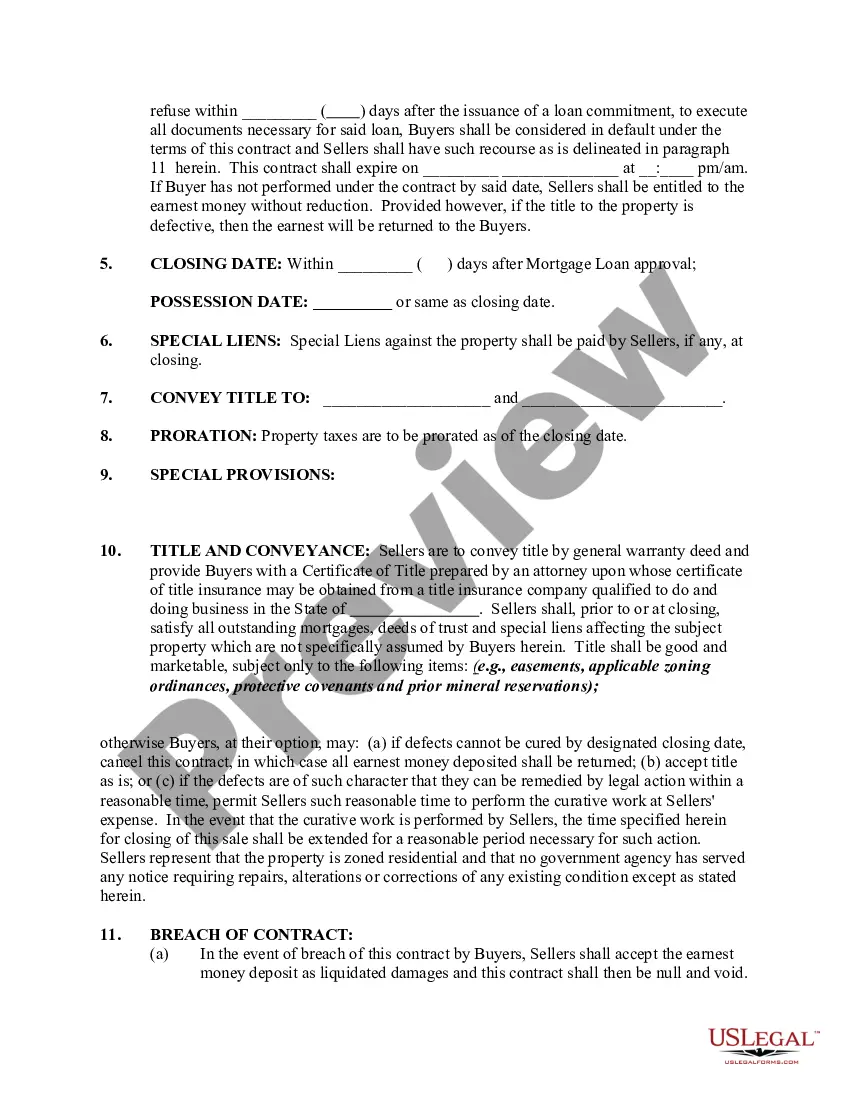
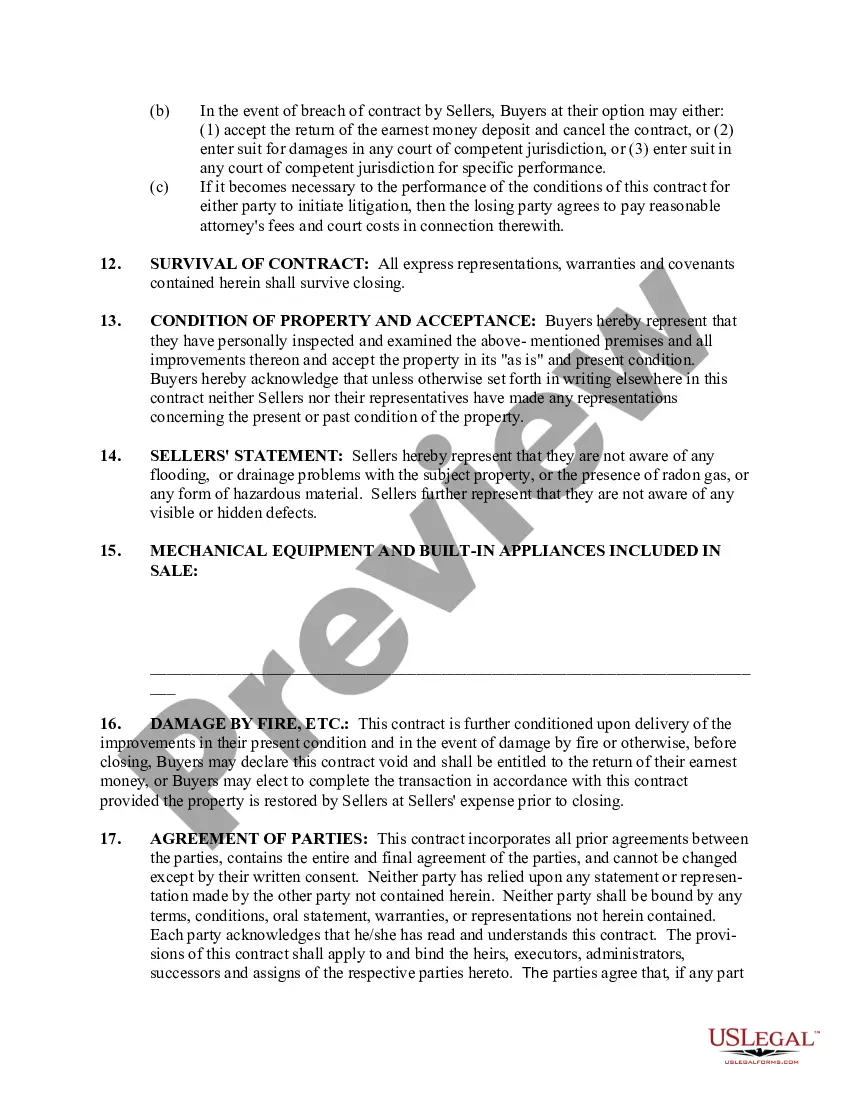
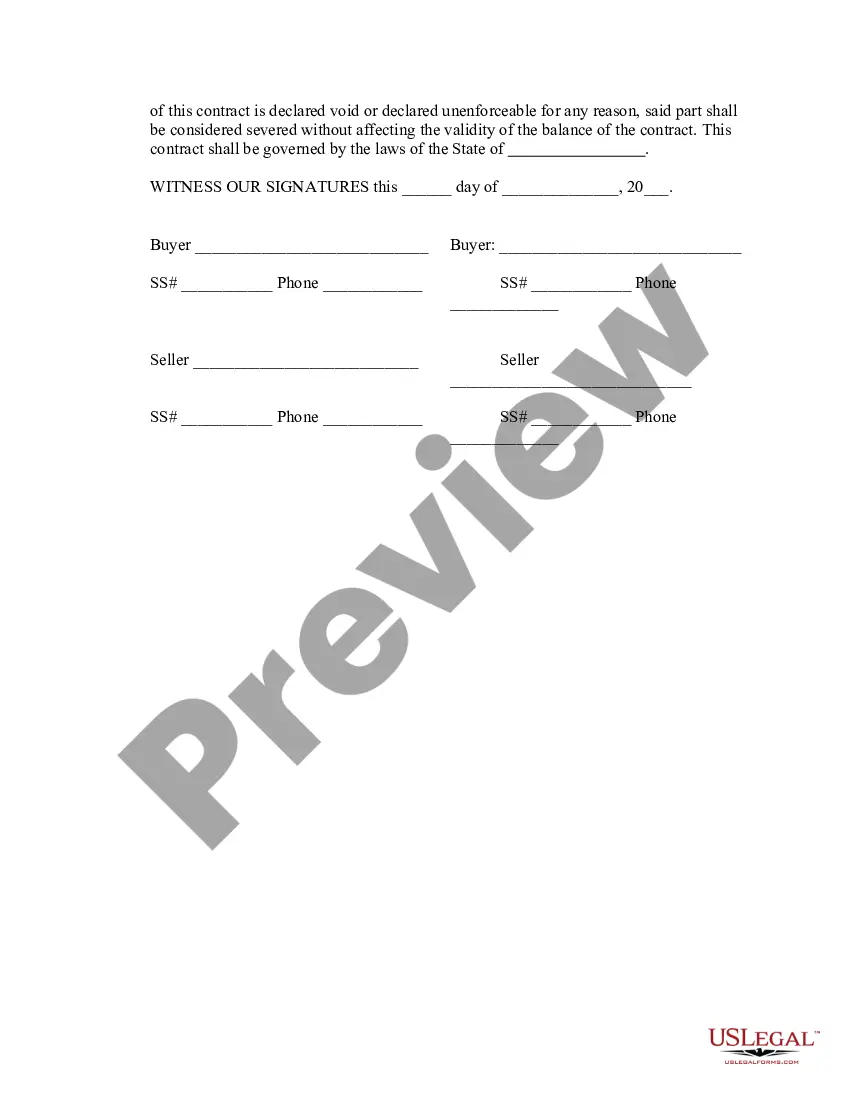
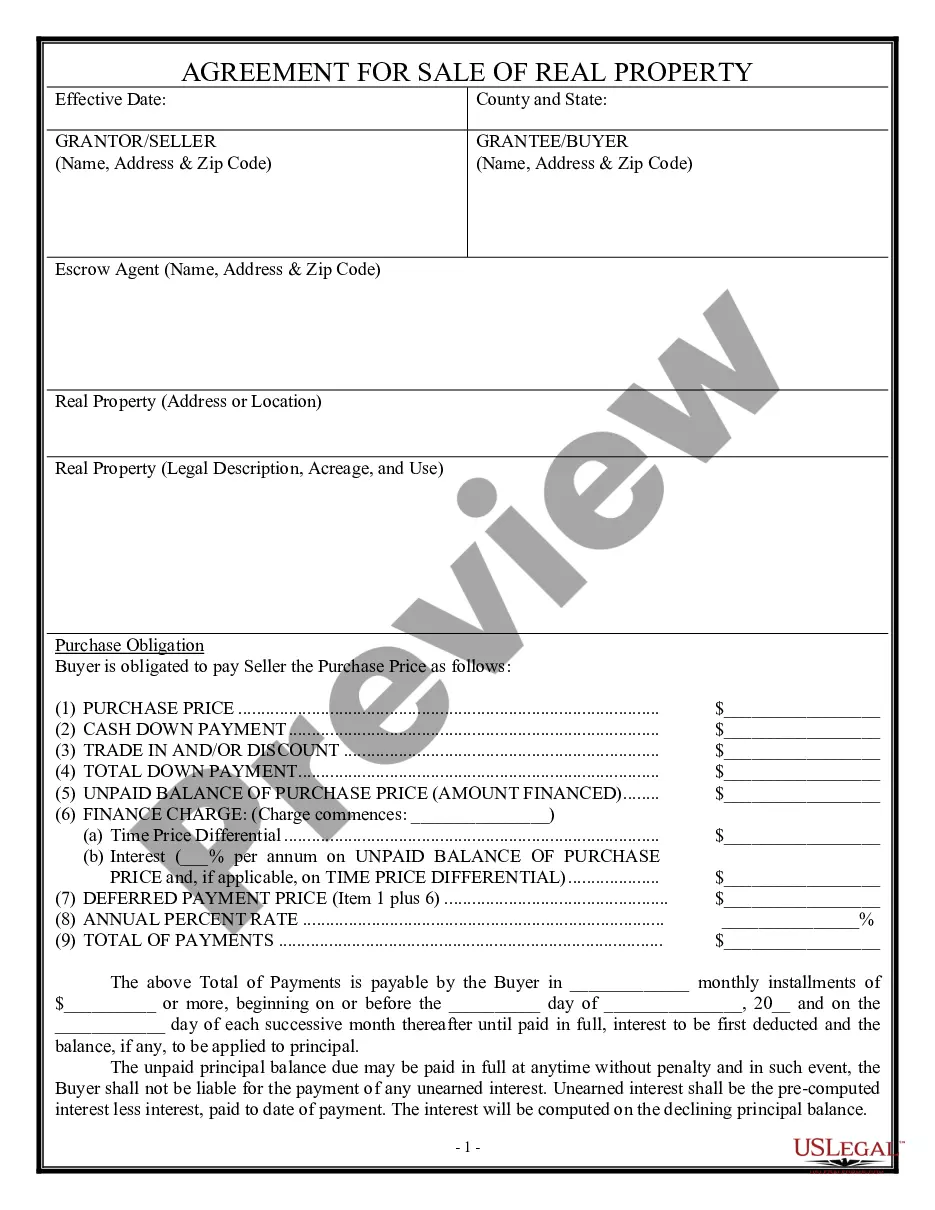
Get your form ready online
Our built-in tools help you complete, sign, share, and store your documents in one place.
Make edits, fill in missing information, and update formatting in US Legal Forms—just like you would in MS Word.
Download a copy, print it, send it by email, or mail it via USPS—whatever works best for your next step.
Sign and collect signatures with our SignNow integration. Send to multiple recipients, set reminders, and more. Go Premium to unlock E-Sign.
If this form requires notarization, complete it online through a secure video call—no need to meet a notary in person or wait for an appointment.
We protect your documents and personal data by following strict security and privacy standards.

Make edits, fill in missing information, and update formatting in US Legal Forms—just like you would in MS Word.

Download a copy, print it, send it by email, or mail it via USPS—whatever works best for your next step.

Sign and collect signatures with our SignNow integration. Send to multiple recipients, set reminders, and more. Go Premium to unlock E-Sign.

If this form requires notarization, complete it online through a secure video call—no need to meet a notary in person or wait for an appointment.

We protect your documents and personal data by following strict security and privacy standards.
Looking for another form?
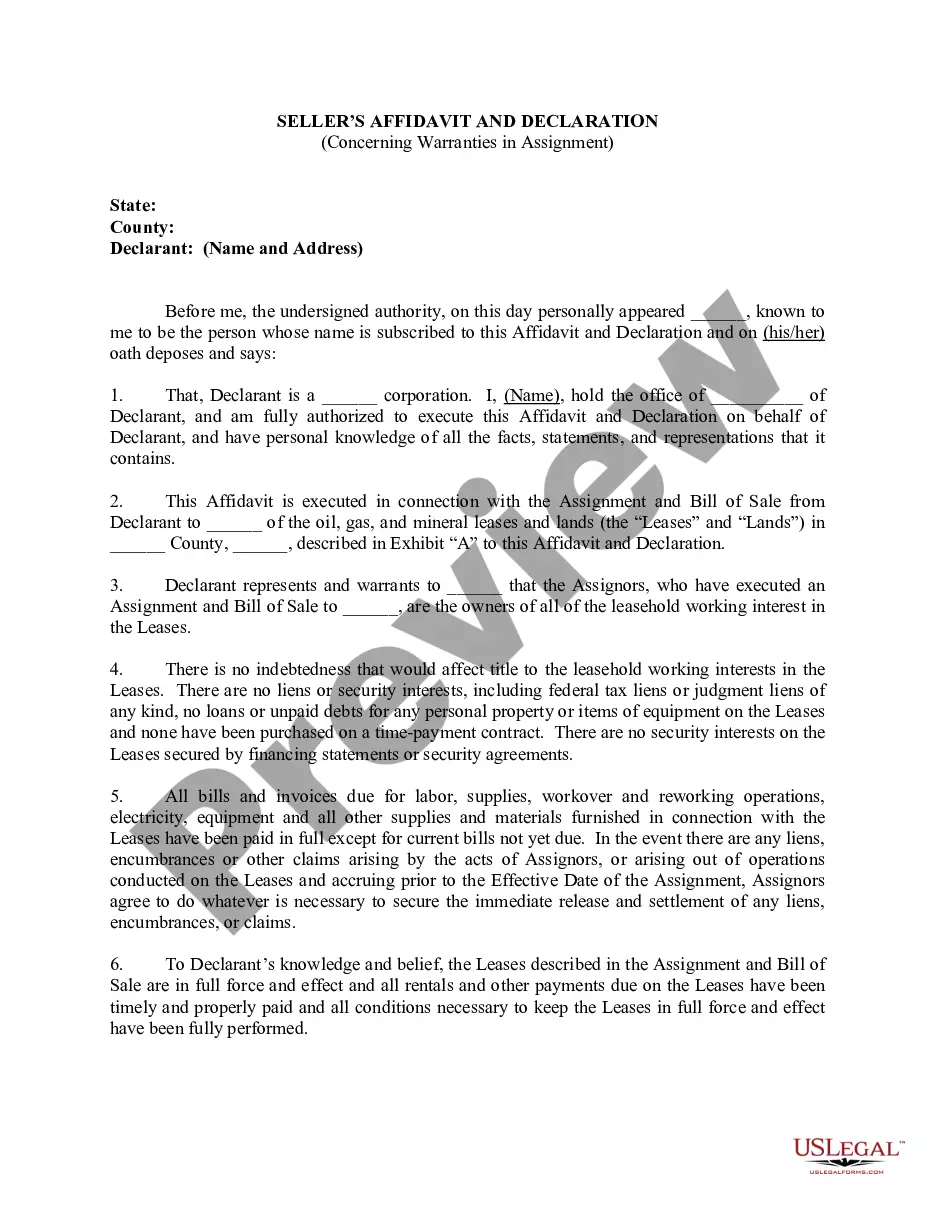

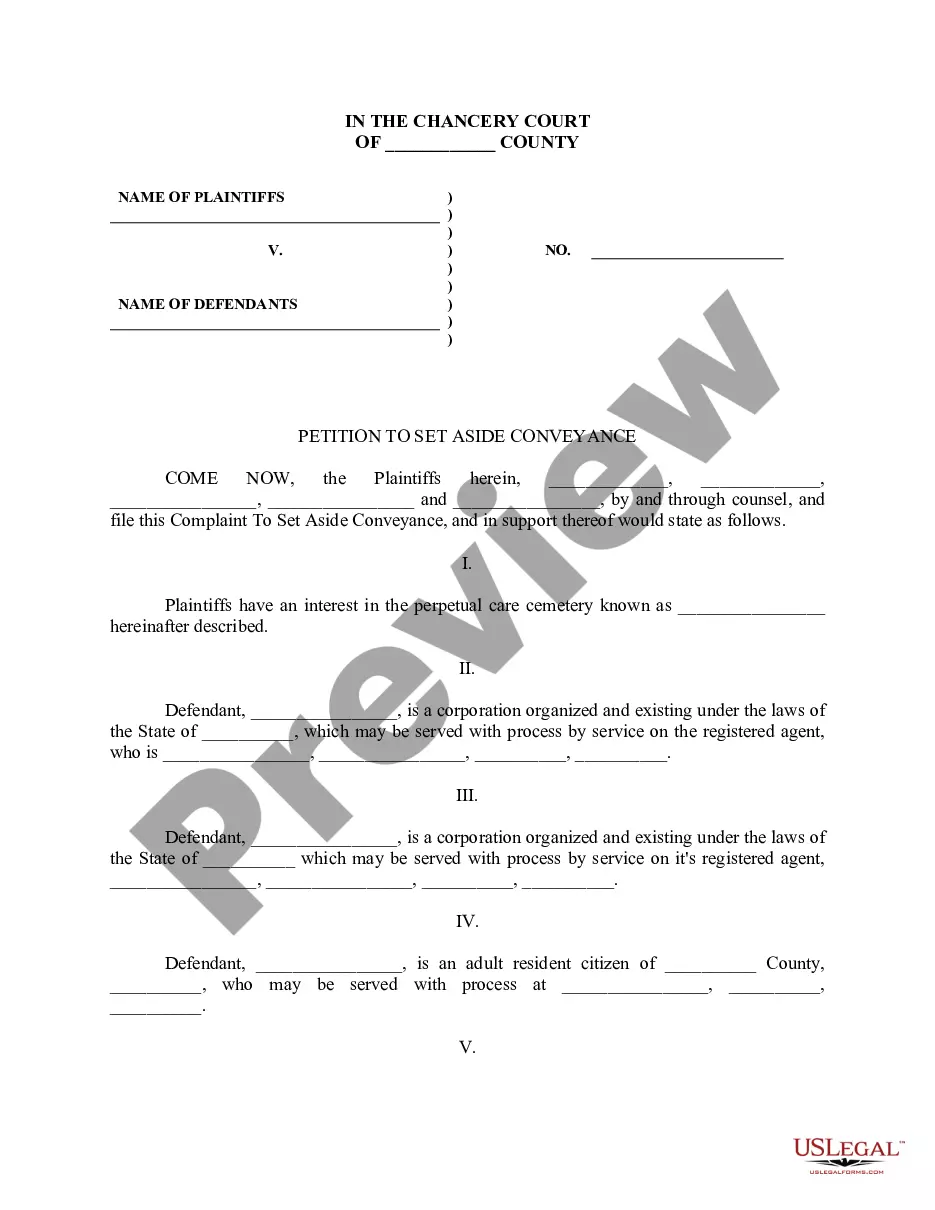




Form popularity
FAQ
Yes, a house can be sold with a lien on it, but the process involves additional steps to ensure a smooth transaction. The lien typically needs to be resolved before or during the sale to provide the buyer with a clear title. Buyers and lenders usually require assurance that the lien will not transfer with the property.
Title insurance protects against past events connected to real property or previous owners that compromise the title held by the current owner. For example, liens placed against a property, due to a debt owed by a previous owner, can negatively impact a current owner's title to the property in question.
And the amount owed. If you are placing a judgment lean. You first need to obtain a judgement </S>MoreAnd the amount owed. If you are placing a judgment lean. You first need to obtain a judgement </S> in court. Once you have a judgment you can file it with the county recorder's.
Under Illinois law, a mechanics lien should be filed in the County Recorder of Deeds where the property is located. This is crucial as the lien must be filed not only in the correct county but the correct office as well. The fees and specific document formatting vary depending on your county.
How does a creditor go about getting a judgment lien in Illinois? To attach a lien, if the debtor's property is located in the same county where the judgment was entered, the creditor files the judgment with the county recorder.
On closing day, the ownership of the property is transferred to you, the buyer. This day consists of transferring funds from escrow, providing mortgage and title fees, and updating the deed of the house to your name.
A judgment is not a lien on real estate for longer than 7 years from the time it is entered or revived, unless the judgment is revived within 7 years after its entry or last revival and a new memorandum of judgment is recorded prior to the judgment and its recorded memorandum of judgment becoming dormant.
On closing day itself, the homebuyer must sign a lot of paperwork that finalizes the deal. Often, many other parties are present for closing day, including the seller, the lender, real estate agents, the closing agent and an attorney who will review the paperwork being signed.
