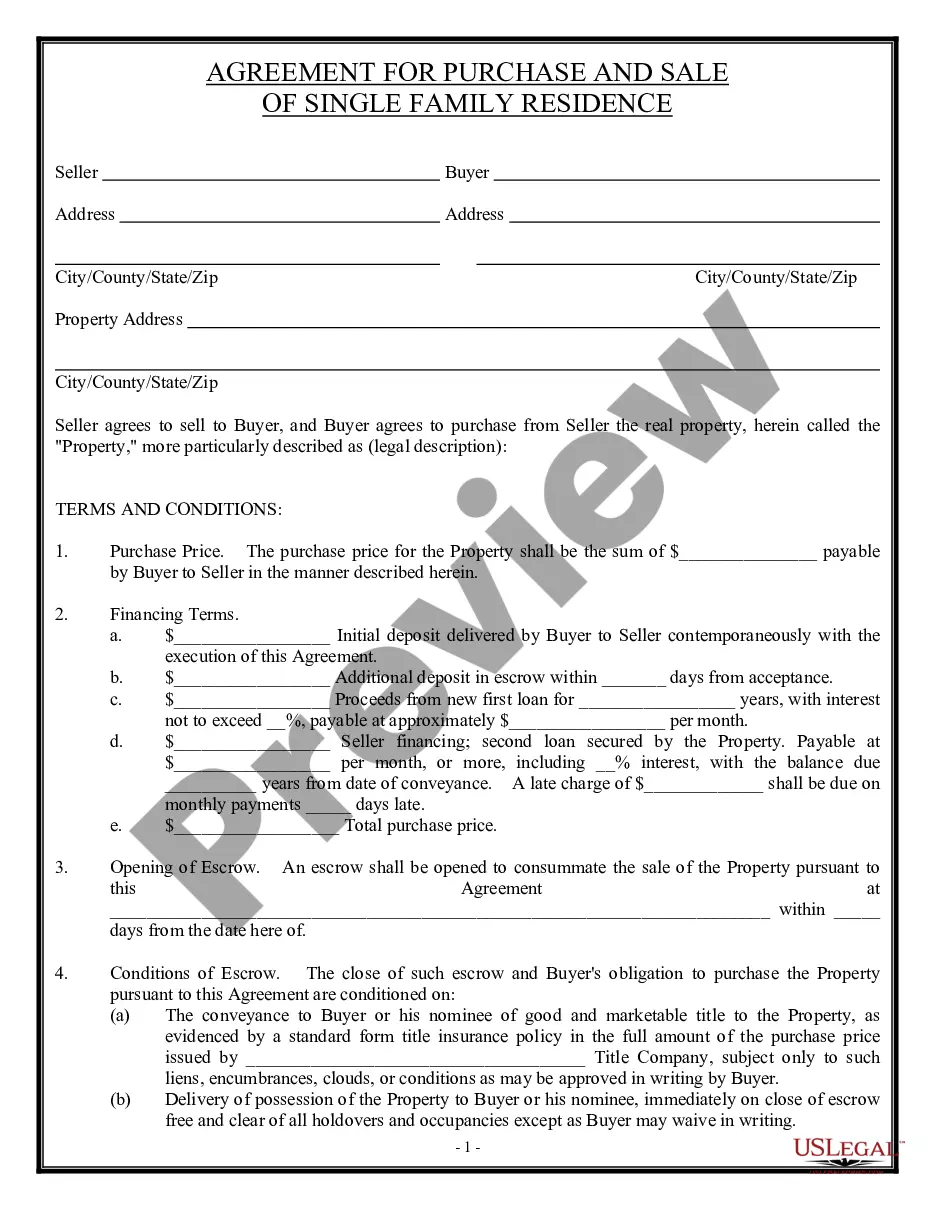
Sell Closure Property With Example In California
Description

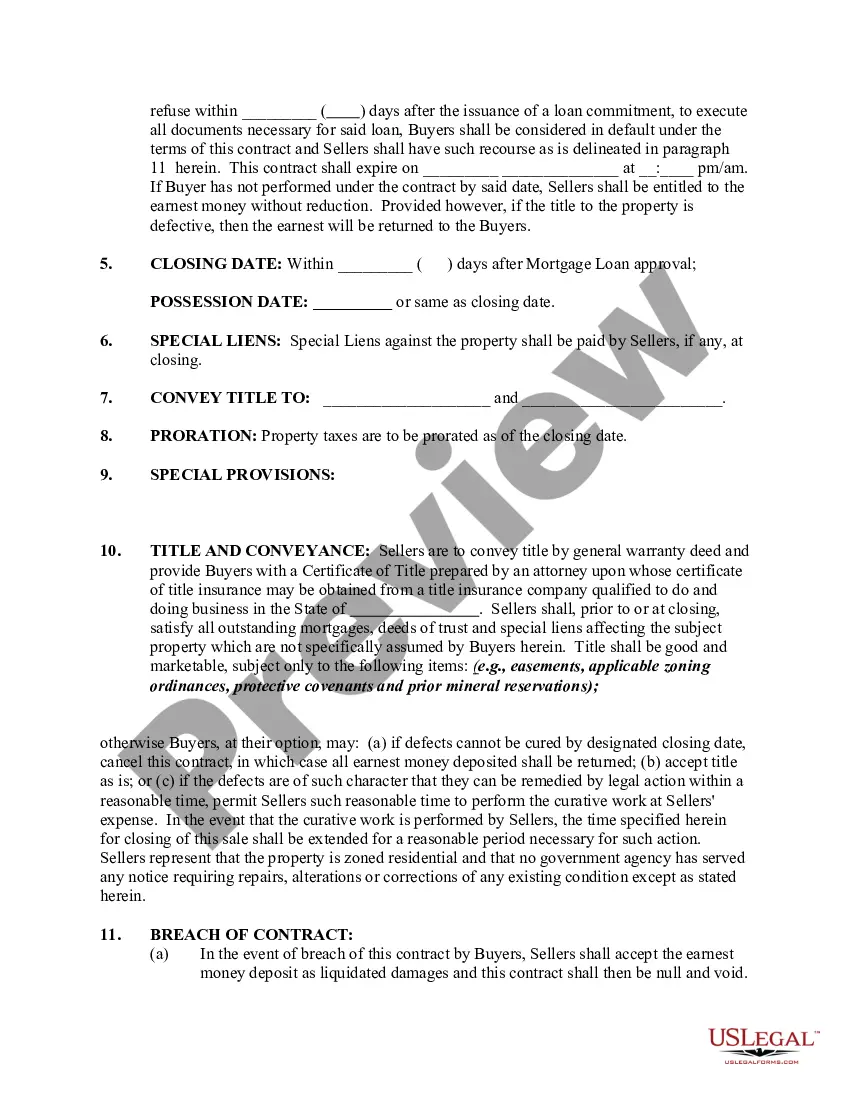
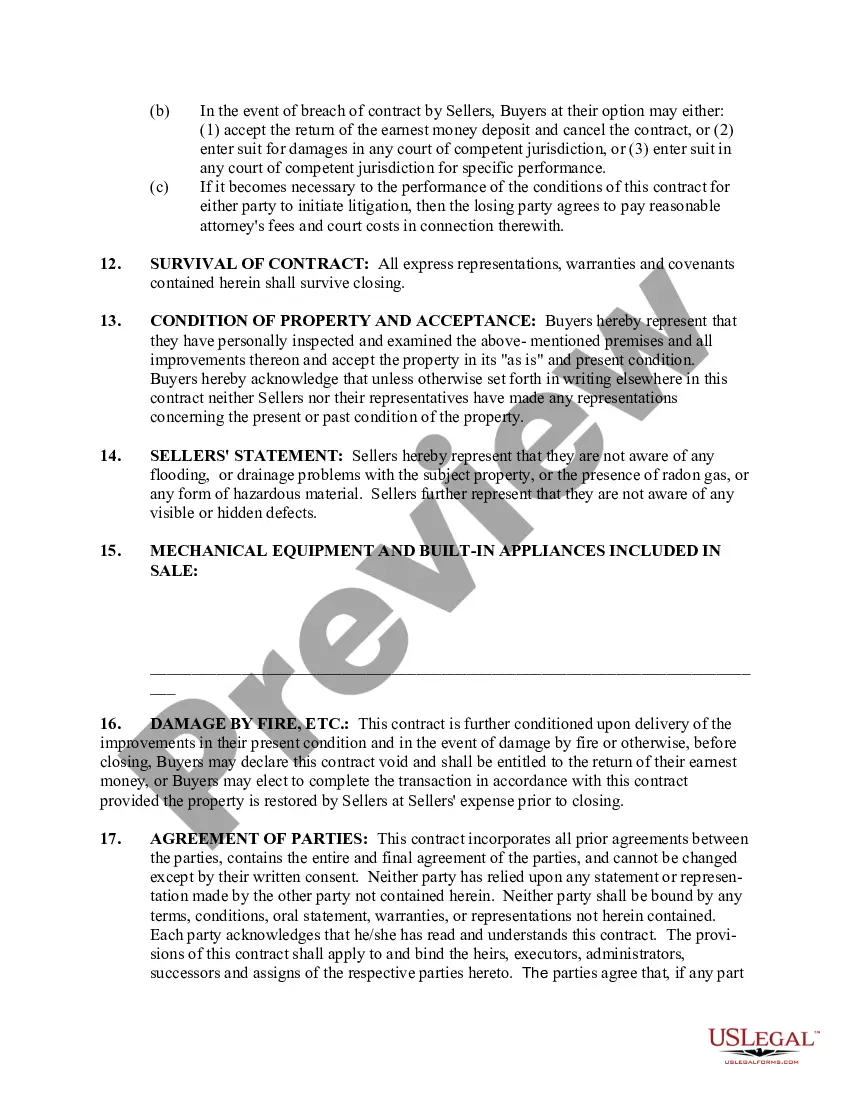
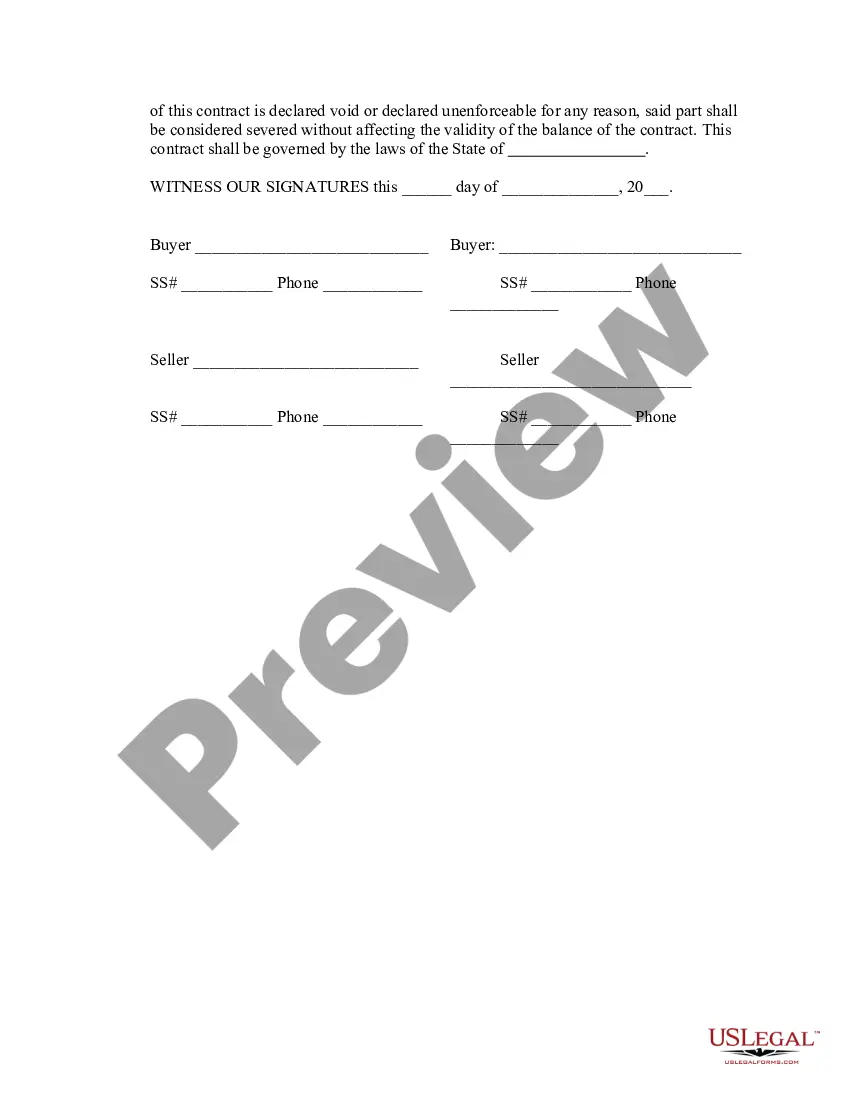
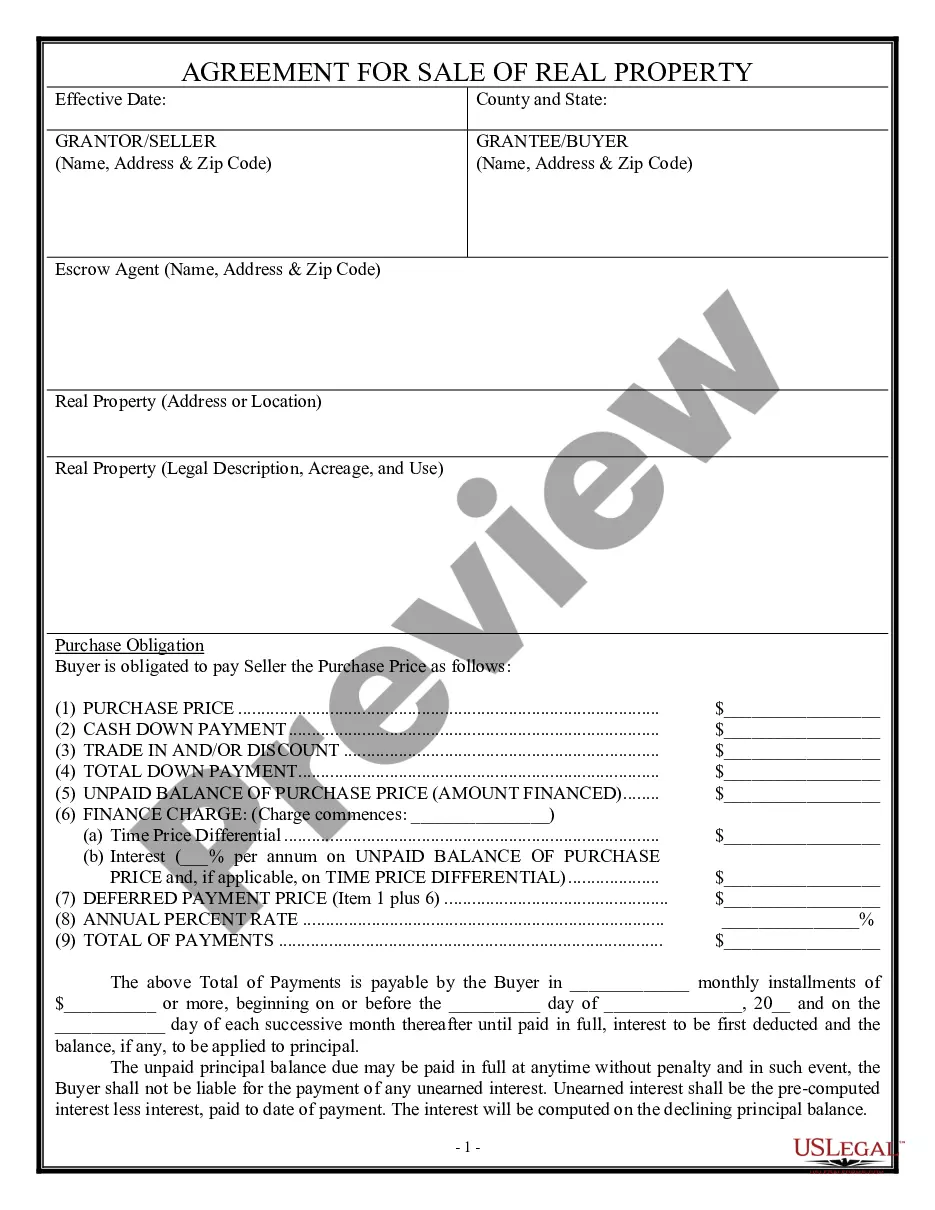
Get your form ready online
Our built-in tools help you complete, sign, share, and store your documents in one place.
Make edits, fill in missing information, and update formatting in US Legal Forms—just like you would in MS Word.
Download a copy, print it, send it by email, or mail it via USPS—whatever works best for your next step.
Sign and collect signatures with our SignNow integration. Send to multiple recipients, set reminders, and more. Go Premium to unlock E-Sign.
If this form requires notarization, complete it online through a secure video call—no need to meet a notary in person or wait for an appointment.
We protect your documents and personal data by following strict security and privacy standards.

Make edits, fill in missing information, and update formatting in US Legal Forms—just like you would in MS Word.

Download a copy, print it, send it by email, or mail it via USPS—whatever works best for your next step.

Sign and collect signatures with our SignNow integration. Send to multiple recipients, set reminders, and more. Go Premium to unlock E-Sign.

If this form requires notarization, complete it online through a secure video call—no need to meet a notary in person or wait for an appointment.

We protect your documents and personal data by following strict security and privacy standards.
Looking for another form?








Form popularity
FAQ
Alternatively, you can complete CDTFA-65, Notice of Close-Out, and return the completed form, your permit and other required documentation to a local CDTFA office. We will close out your account(s) and cancel your seller's permit.
Some goods are exempt from sales tax under California law. Examples include most non-prepared food items, food stamps, and medical supplies. We recommend businesses review the laws and rules put forth by the CDTFA to stay up to date on which goods are taxable and which are exempt, and under what conditions.
Any remitter (individual, business entity, trust, estate, or REEP) who withheld on the sale/transfer of California real property must file Form 593 to report the amount withheld. If this is an installment sale payment after escrow closed, the buyer/transferee is the responsible person.
You do not have to report the sale of your home if all of the following apply: Your gain from the sale was less than $250,000. You have not used the exclusion in the last 2 years. You owned and occupied the home for at least 2 years.
While California does not have an official “Exit Tax,” the term refers to the ongoing tax obligations for individuals who move out of the state but still have financial ties to California.
To qualify for the capital gain exclusion, homeowners must have lived in the home as their primary residence for two out of the last five years. Under current tax regulations, homeowners can utilize the exclusion repeatedly, provided the residence meets the two-year occupancy requirement.
How Much is the California Exit Tax? The proposed California exit tax would impose a 0.4% tax on worldwide net worth exceeding $30 million. This applies to unrealized gains as well - like real estate and other investments.
There is no such thing as an exit tax. But if you leave the state of California, there are a few situations where they can still tax you. They are listed as follows. If you find residence elsewhere, the FTB can still tax you on income from California sources.
In California, both parties sign their respective closing statements prior to the actual close date. Usually two, three days before we close the parties sign their closing documents. Then when it comes to closing the actual escrow, in California it's the title company that records the deed.
