Closure Any Property With Example In California
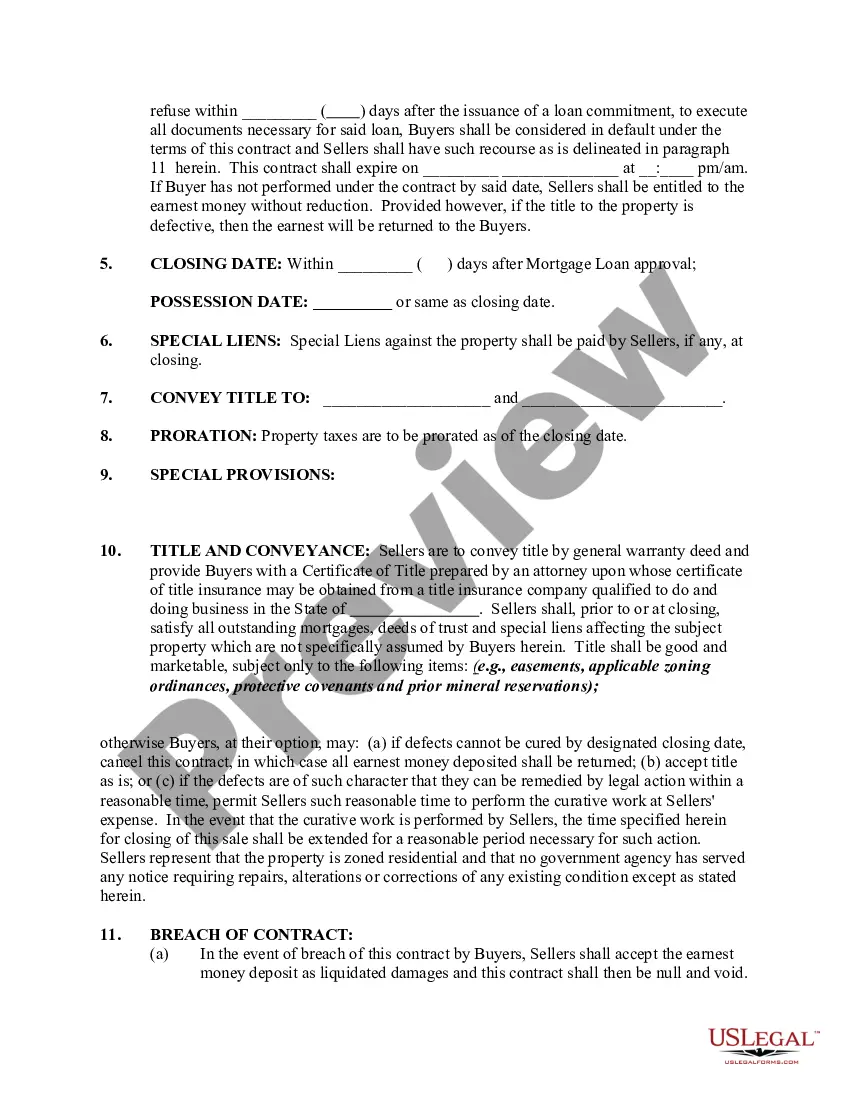
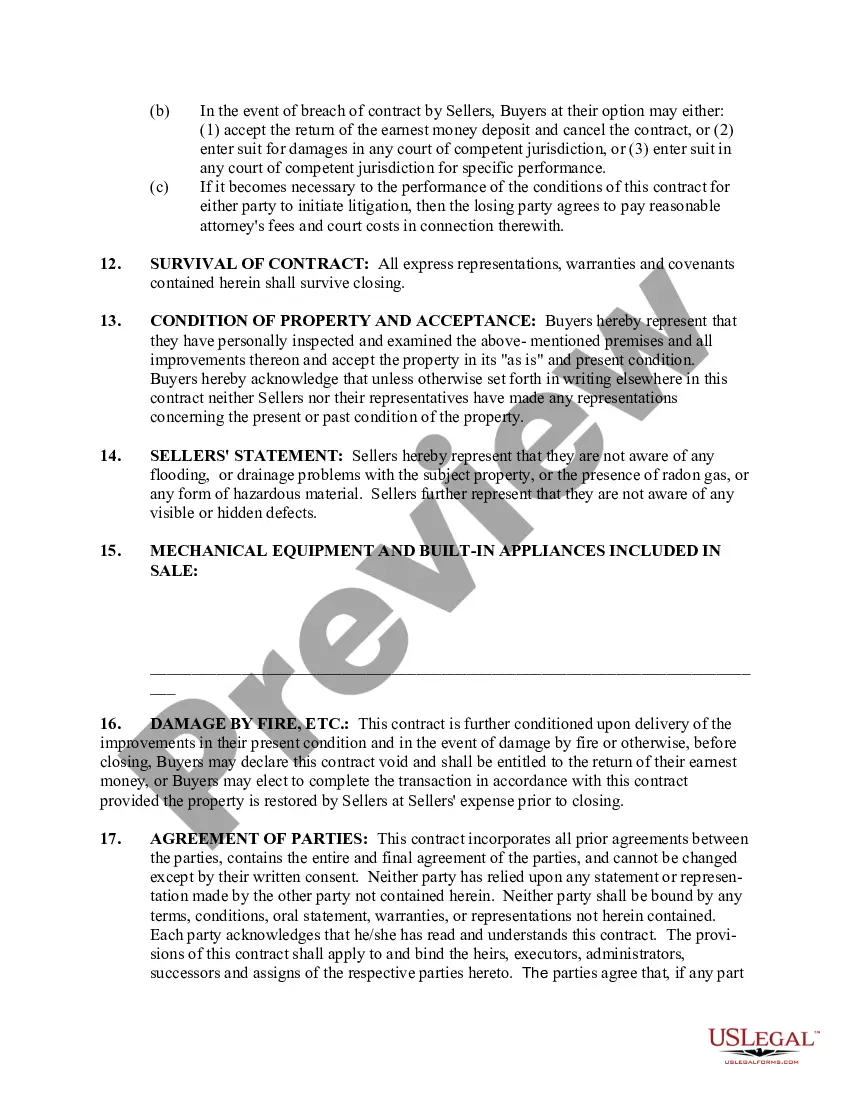
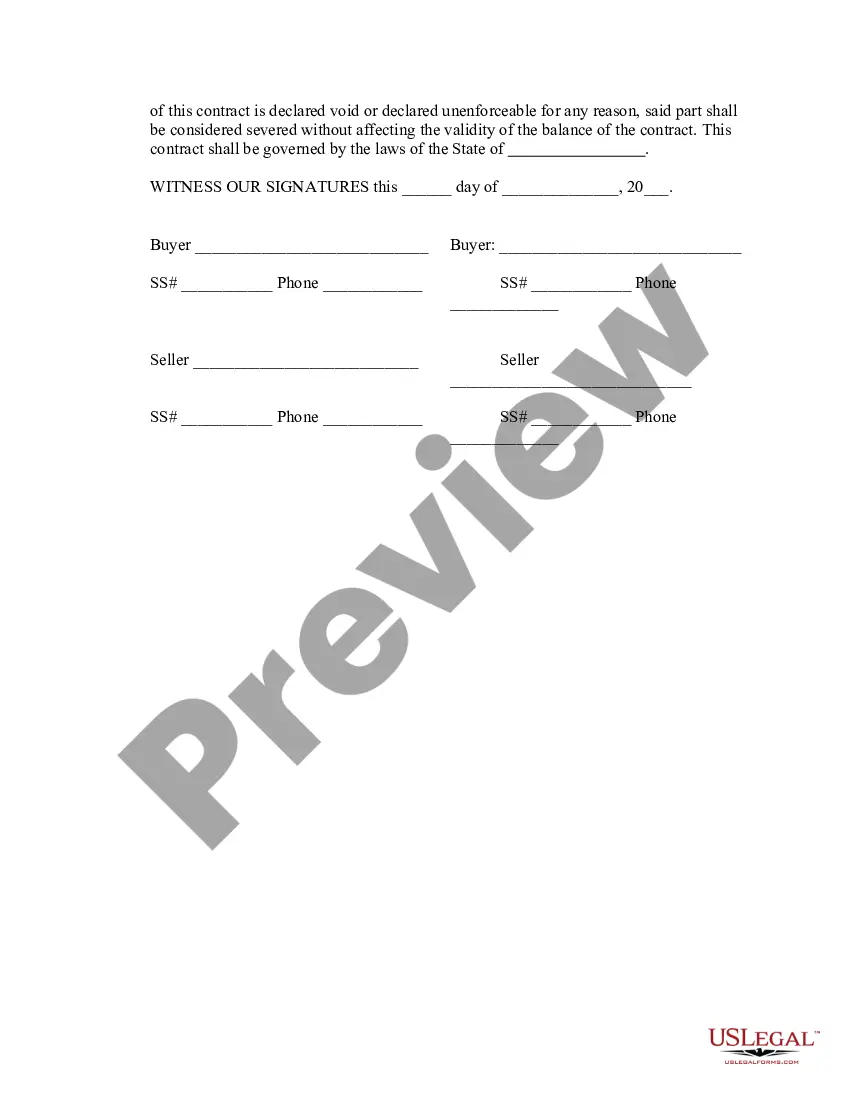
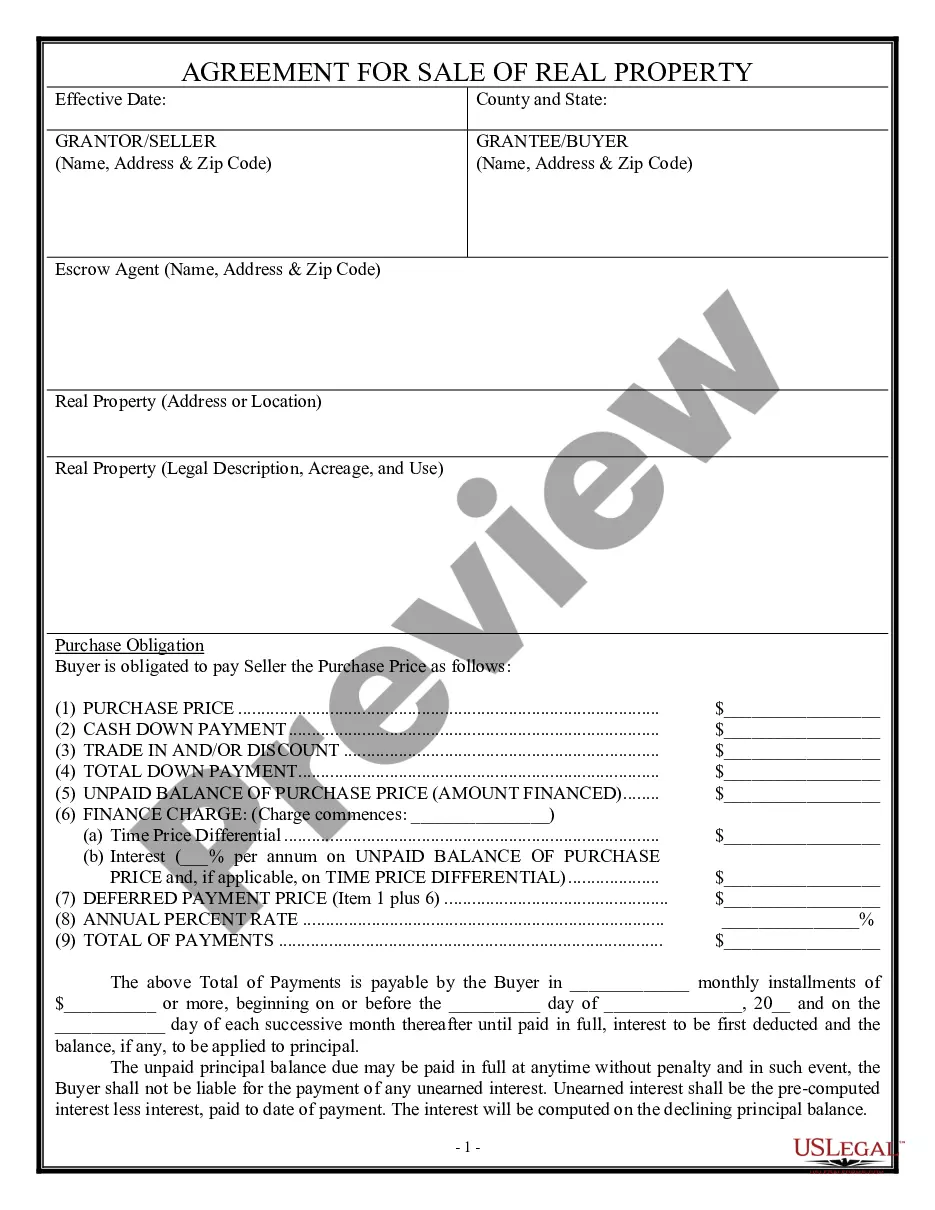
Description

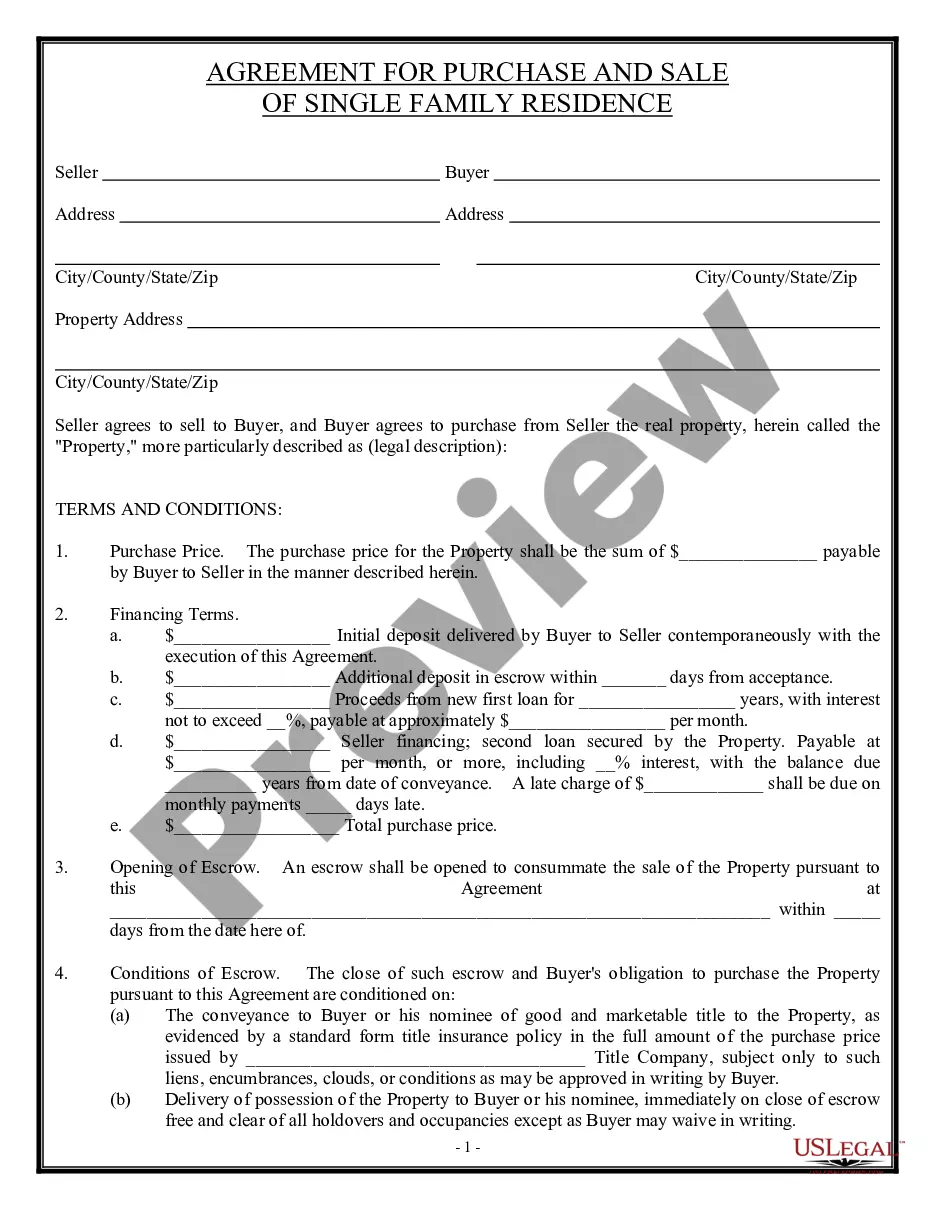
Get your form ready online
Our built-in tools help you complete, sign, share, and store your documents in one place.
Make edits, fill in missing information, and update formatting in US Legal Forms—just like you would in MS Word.
Download a copy, print it, send it by email, or mail it via USPS—whatever works best for your next step.
Sign and collect signatures with our SignNow integration. Send to multiple recipients, set reminders, and more. Go Premium to unlock E-Sign.
If this form requires notarization, complete it online through a secure video call—no need to meet a notary in person or wait for an appointment.
We protect your documents and personal data by following strict security and privacy standards.

Make edits, fill in missing information, and update formatting in US Legal Forms—just like you would in MS Word.

Download a copy, print it, send it by email, or mail it via USPS—whatever works best for your next step.

Sign and collect signatures with our SignNow integration. Send to multiple recipients, set reminders, and more. Go Premium to unlock E-Sign.

If this form requires notarization, complete it online through a secure video call—no need to meet a notary in person or wait for an appointment.

We protect your documents and personal data by following strict security and privacy standards.
Looking for another form?


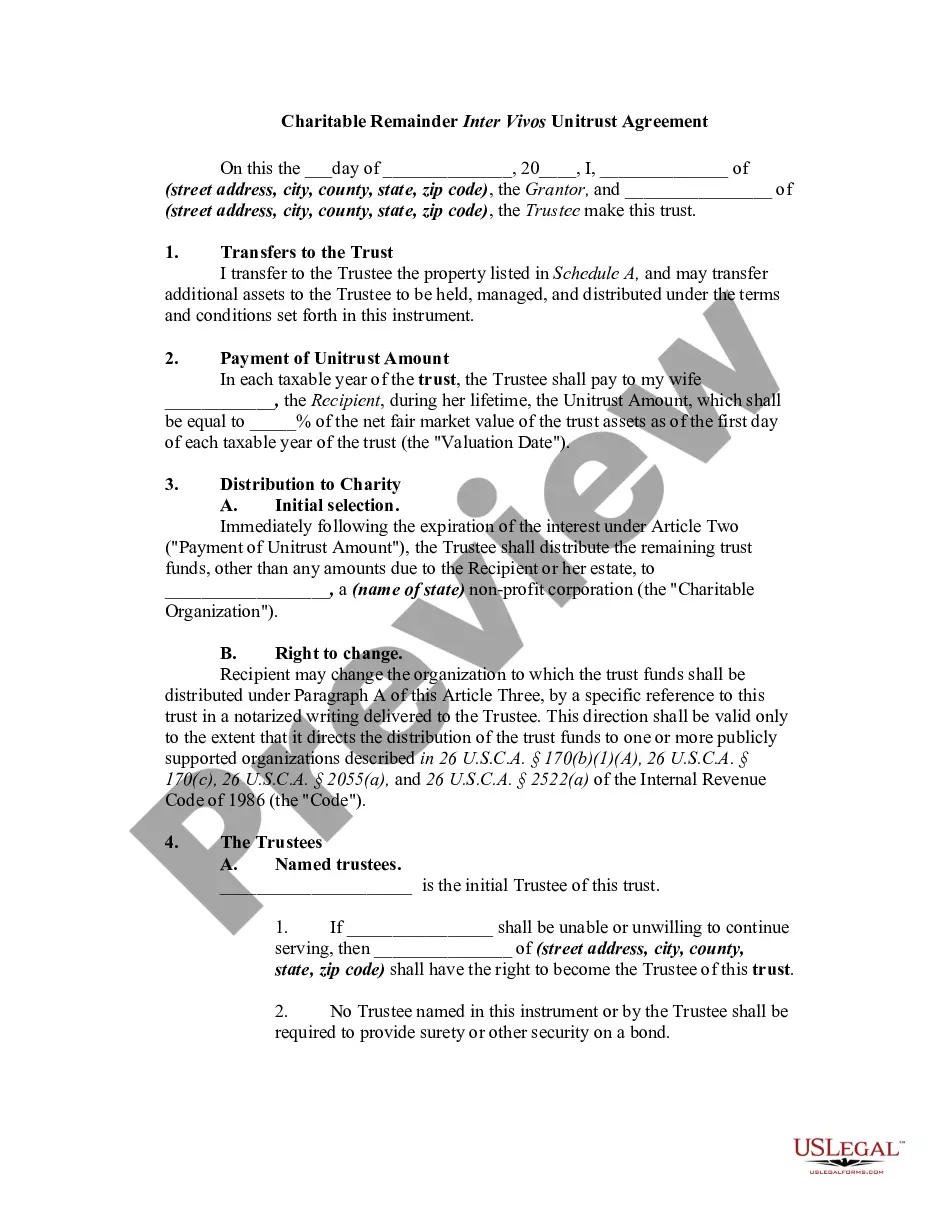
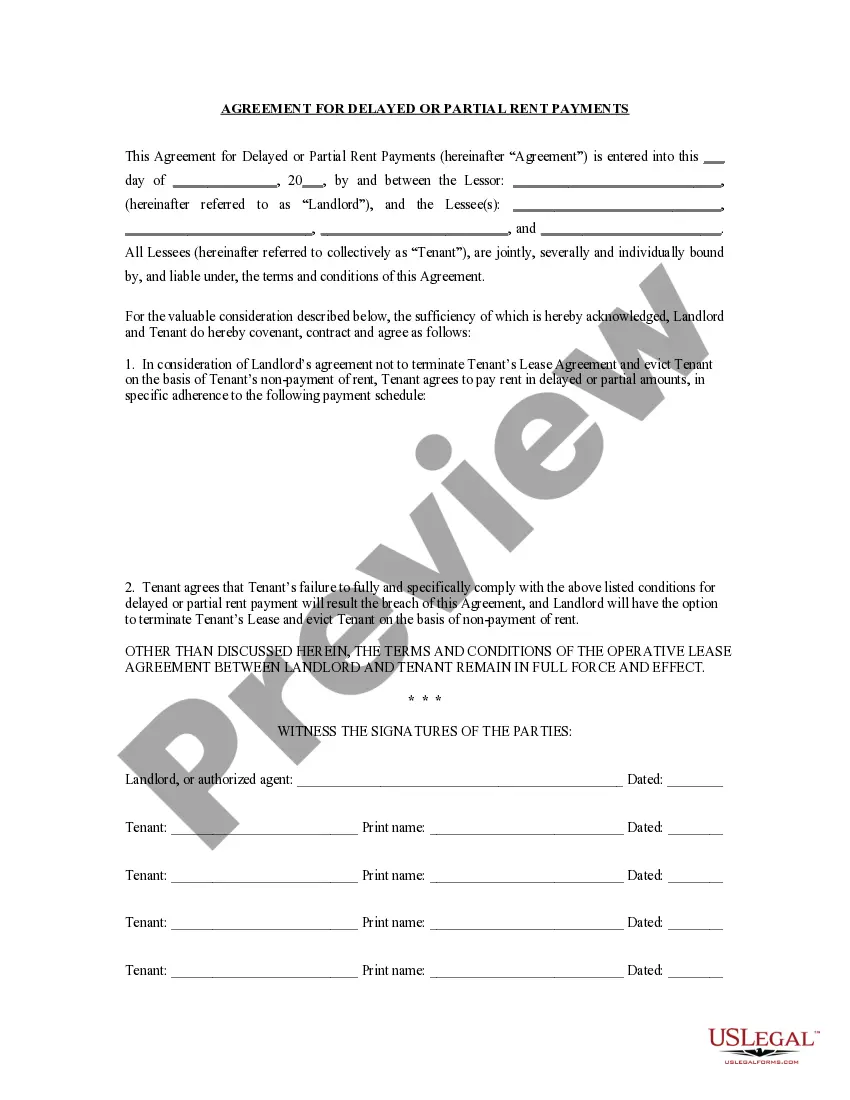
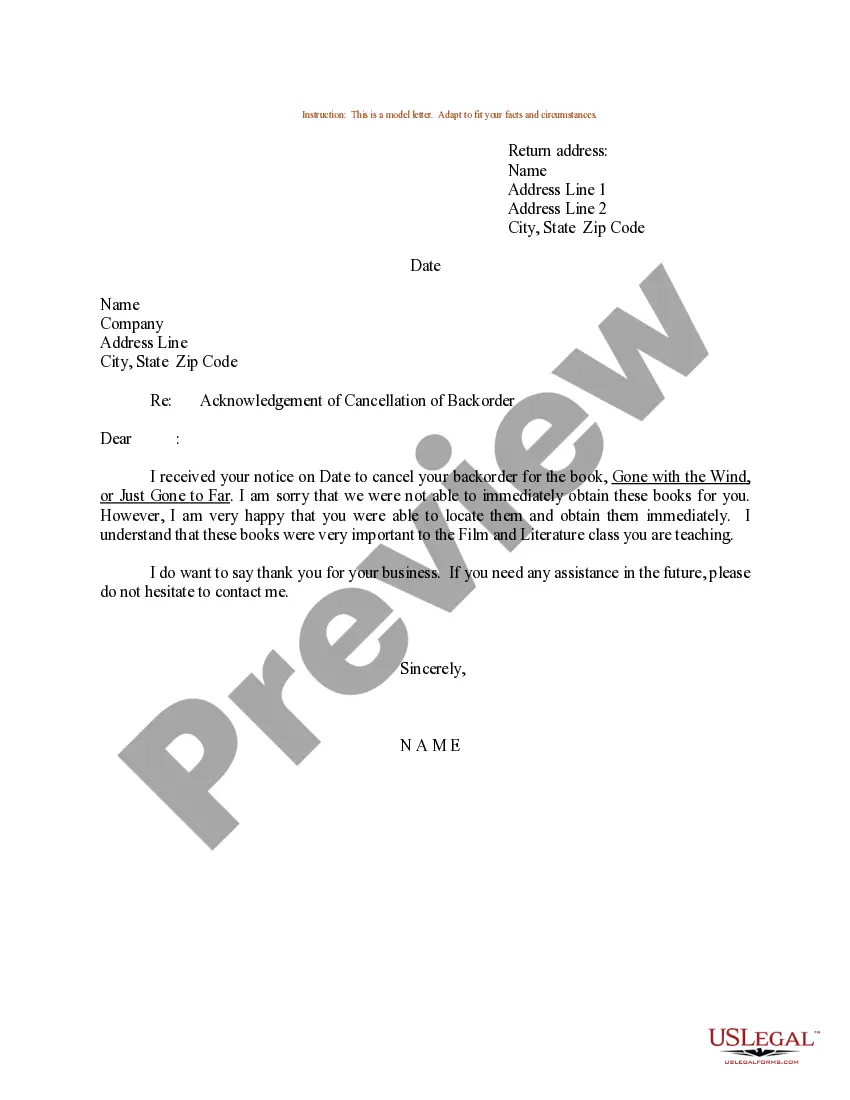




Form popularity
FAQ
What must I do to close the estate? The Personal Representative must file a final account, report and petition for final distribution, have the petition set for hearing, give notice of the hearing to interested persons, and obtain a court order approving the final distribution.
Unclaimed Property Division Due diligence is the process a business with unclaimed property must follow to notify owners with unclaimed property valued at $50 or more (and all securities and safe deposit boxes regardless of value) that their property may be transferred to the State of California.
Please contact the Unclaimed Property Division by telephone at (916) 323-2827 for further instructions. Also, if you are filing a claim and know there are multiple owners on the account, please note that each owner/ claimant must sign the claim form and submit the required documentation.
You must file a claim with the State Controller's Office. If your claim is eligible, you will be given the option to file electronically after you have entered the requested information for your claim. If a paper claim is required, the site will provide instructions on how to complete that process.
An order for final distribution in California probate is conclusive to the rights of heirs and devisees in a decedent's estate. The order also releases the personal representative from claims by heirs and devisees, unless, of course, there is fraud or misrepresentation present.
Not all estates need to go through formal probate. Depending on how the property is owned, and the type and amount of property, you may not need to go to court or you may be able to use a simpler court process.
In California, both parties sign their respective closing statements prior to the actual close date. Usually two, three days before we close the parties sign their closing documents. Then when it comes to closing the actual escrow, in California it's the title company that records the deed.
An order for final distribution in California probate is conclusive to the rights of heirs and devisees in a decedent's estate. The order also releases the personal representative from claims by heirs and devisees, unless, of course, there is fraud or misrepresentation present.
How to wind up a deceased estate Step 1: Reporting the estate. The following documents are required. Step 2: Appointing an executor. Step 3: Gathering and valuing assets. Step 4: Settling debts and liabilities. Step 5: Preparing the liquidation and distribution account. Step 6: Paying creditors and taxes.
Ing to California law the personal administrator of an estate must complete the probate process within one year from the date of their appointment, unless required to file a federal estate tax. In these types of situations, the maximum length of probate is 18 months.
