Closing Any Property Without Permission In Allegheny
Description

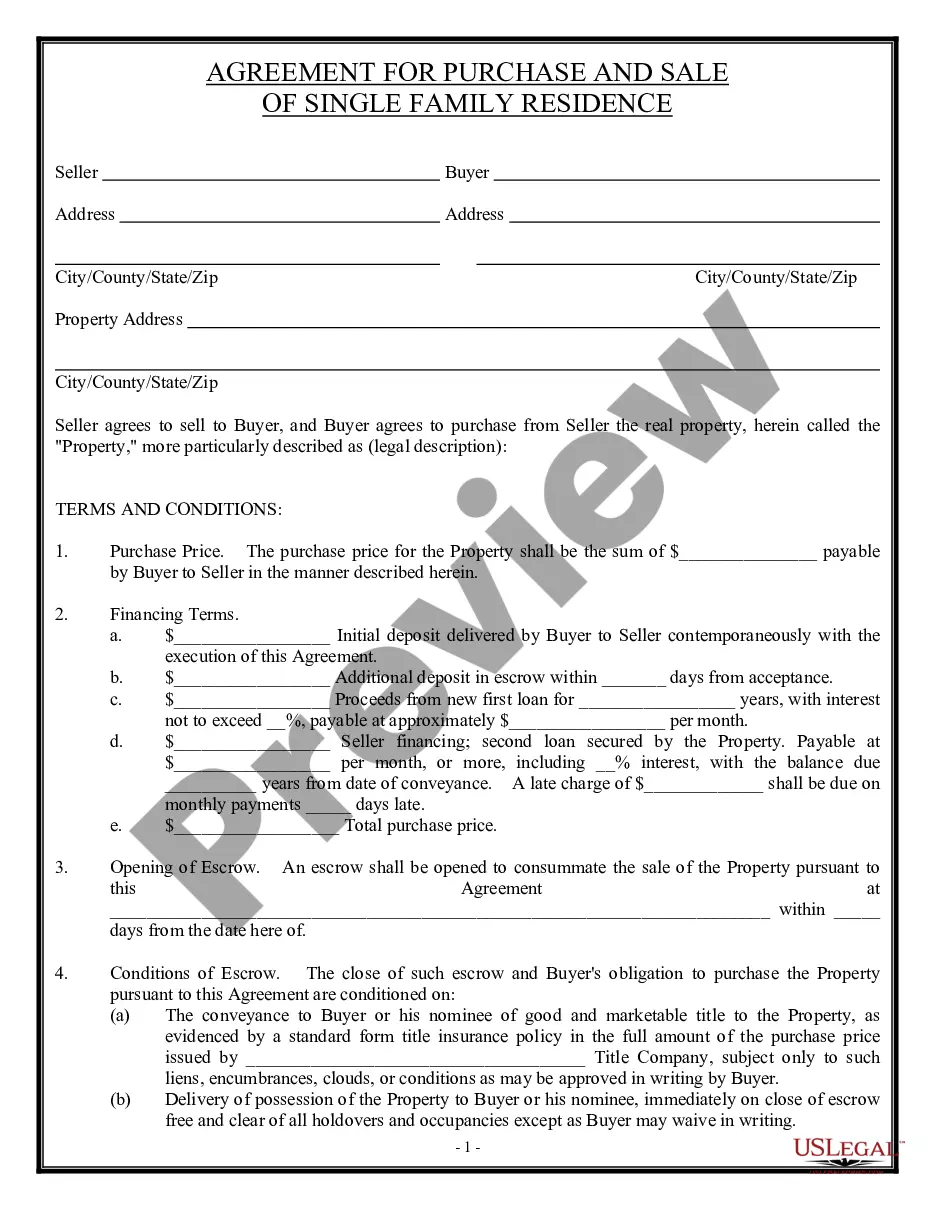
Get your form ready online
Our built-in tools help you complete, sign, share, and store your documents in one place.
Make edits, fill in missing information, and update formatting in US Legal Forms—just like you would in MS Word.
Download a copy, print it, send it by email, or mail it via USPS—whatever works best for your next step.
Sign and collect signatures with our SignNow integration. Send to multiple recipients, set reminders, and more. Go Premium to unlock E-Sign.
If this form requires notarization, complete it online through a secure video call—no need to meet a notary in person or wait for an appointment.
We protect your documents and personal data by following strict security and privacy standards.

Make edits, fill in missing information, and update formatting in US Legal Forms—just like you would in MS Word.

Download a copy, print it, send it by email, or mail it via USPS—whatever works best for your next step.

Sign and collect signatures with our SignNow integration. Send to multiple recipients, set reminders, and more. Go Premium to unlock E-Sign.

If this form requires notarization, complete it online through a secure video call—no need to meet a notary in person or wait for an appointment.

We protect your documents and personal data by following strict security and privacy standards.
Looking for another form?









Form popularity
FAQ
An easement is a limited right to use the property of another. Common easements include driveways, private roads, and utility rights-of-way for electric, water, or communication lines. Most easements are contained indeeds; some can arise simply due to the passage of time.
An ejectment action is a legal procedure used by property owners in Pennsylvania to remove individuals who are unlawfully occupying their property without permission and without any legal right to remain.
Under Pennsylvania law, if a seller of real estate sells a landlocked parcel of land at a time when the seller has remaining land which could provide the landlocked parcel with access to a public thoroughfare, and if the parties for some reason fail to provide for a driveway across the seller's remaining lands, the law ...
Utility easements shall have a minimum width of twenty (20) feet, and all utilitycompanies are encouraged to use common easements.
But can a property owner block an easement on their property. The short answer is no easements areMoreBut can a property owner block an easement on their property. The short answer is no easements are legally binding and cannot be blocked by the property owner. However there are some exceptions.
A landlocked property today doesn't necessarily mean it will remain inaccessible forever. Buyers may be able to negotiate an easement with neighboring property owners, acquire a right-of-way, or take advantage of future infrastructure projects that could improve access.
Ejectment is simply an action to remove someone from your property who is or was legally there, but whose right to remain has been taken away, or else, the right to possess the property, actual or claimed, doesn't exist. It is just “kicking out” someone who is on your property who is not a rightful tenant.
If a tenant leaves or abandons their personal property at the leased premises at the time they vacate or relinquish possession, under Pennsylvania Law a landlord must provide the tenant with a ten day written notice to retrieve their personal property.
The Allegheny County Vacant Property Recovery Program (VPRP) acquires vacant, blighted properties and conveys them to applicants who have developed: A concrete reuse plan and. Demonstrated the capacity to implement it.
