Closing Property Title For Sale In Alameda
Description

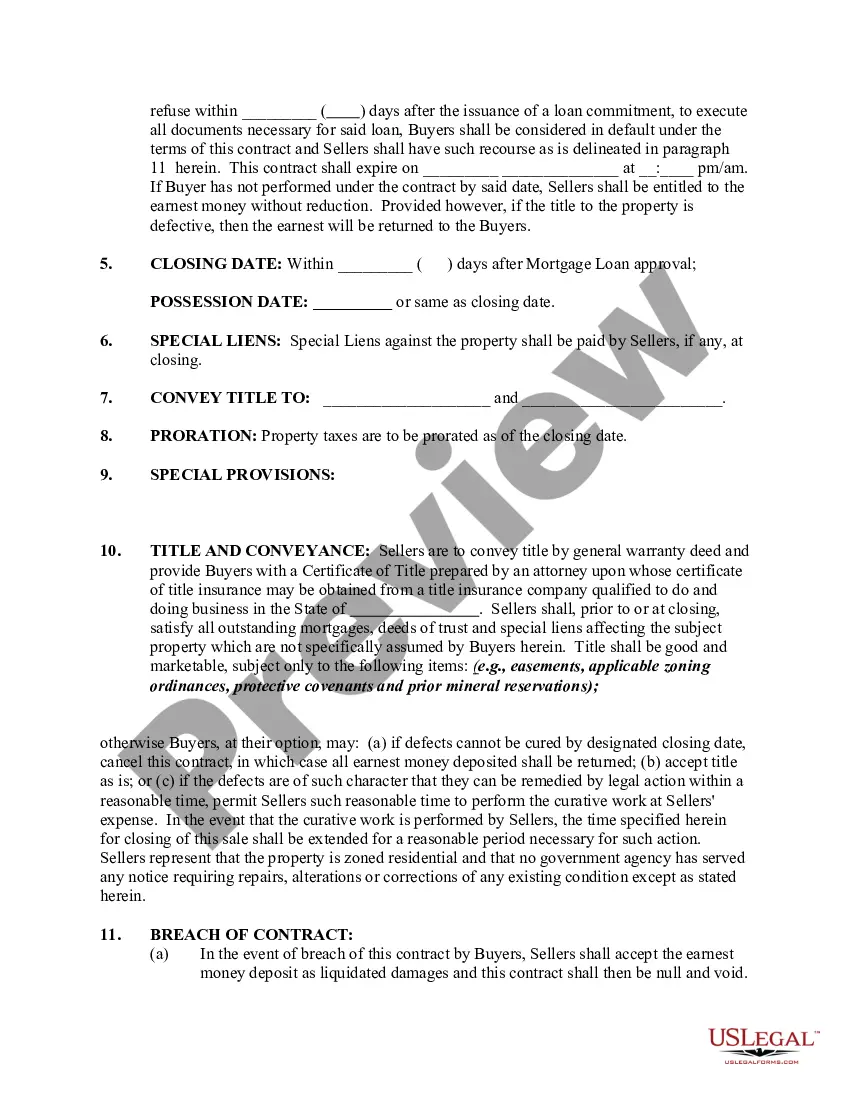
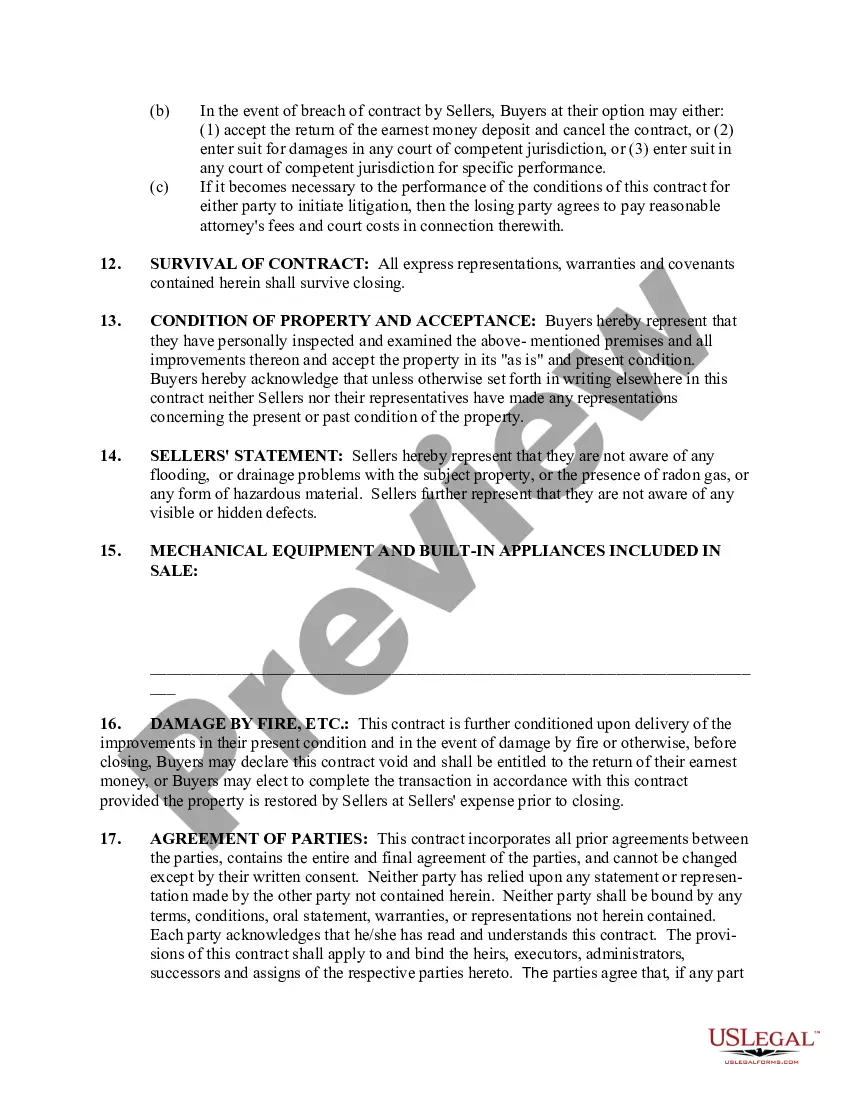
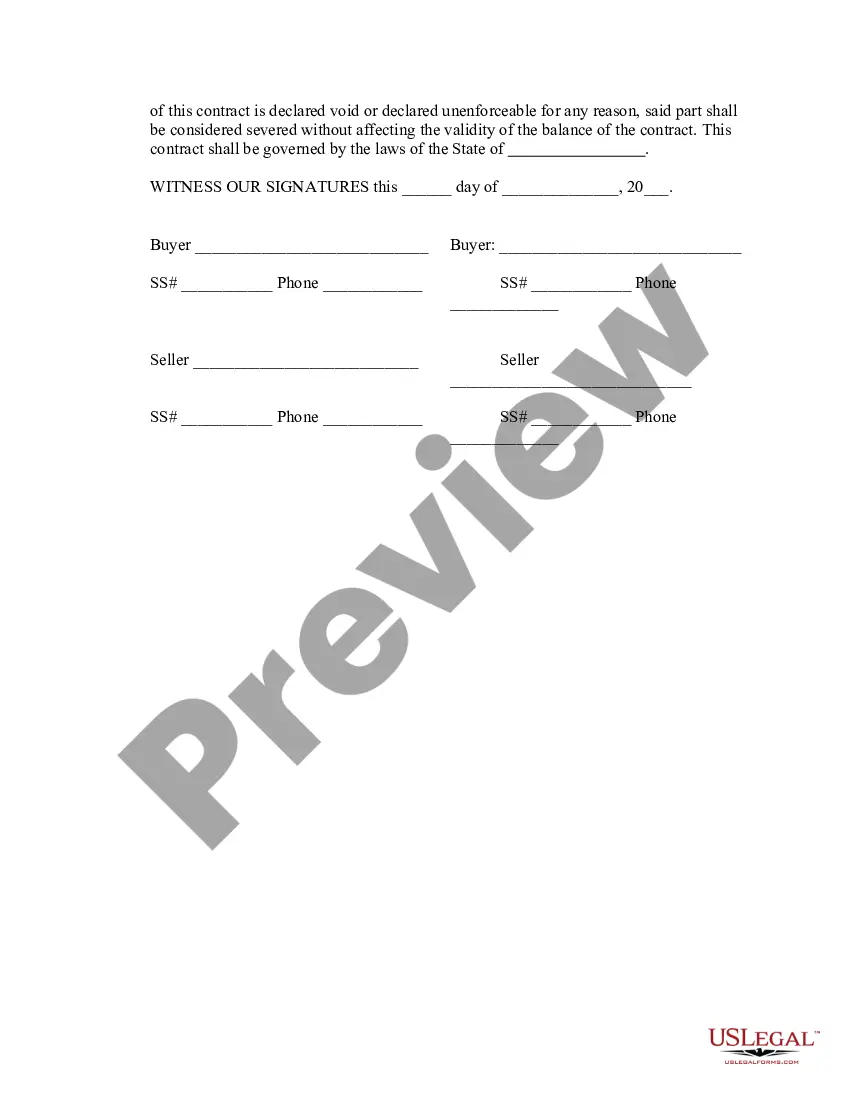
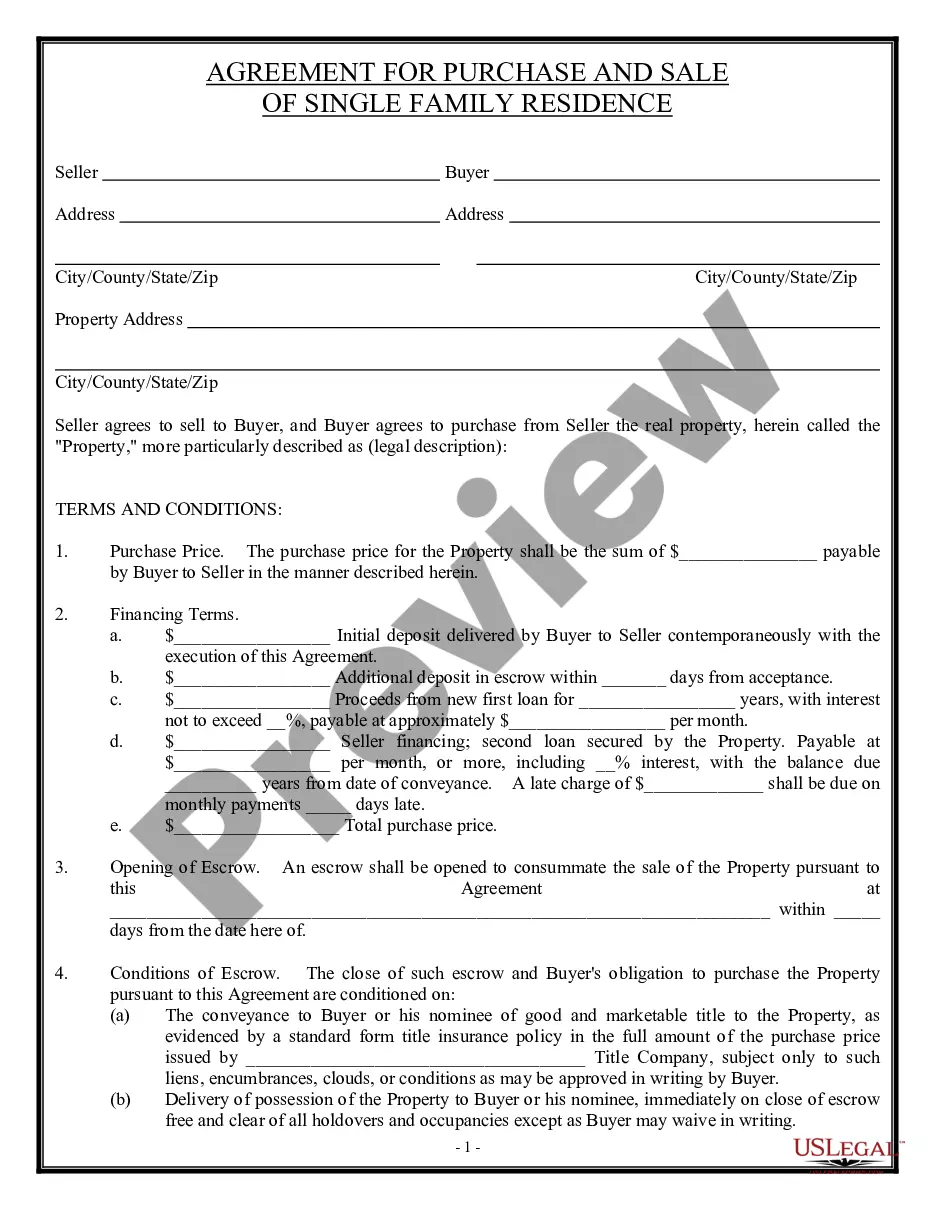
Get your form ready online
Our built-in tools help you complete, sign, share, and store your documents in one place.
Make edits, fill in missing information, and update formatting in US Legal Forms—just like you would in MS Word.
Download a copy, print it, send it by email, or mail it via USPS—whatever works best for your next step.
Sign and collect signatures with our SignNow integration. Send to multiple recipients, set reminders, and more. Go Premium to unlock E-Sign.
If this form requires notarization, complete it online through a secure video call—no need to meet a notary in person or wait for an appointment.
We protect your documents and personal data by following strict security and privacy standards.

Make edits, fill in missing information, and update formatting in US Legal Forms—just like you would in MS Word.

Download a copy, print it, send it by email, or mail it via USPS—whatever works best for your next step.

Sign and collect signatures with our SignNow integration. Send to multiple recipients, set reminders, and more. Go Premium to unlock E-Sign.

If this form requires notarization, complete it online through a secure video call—no need to meet a notary in person or wait for an appointment.

We protect your documents and personal data by following strict security and privacy standards.
Looking for another form?






Form popularity
FAQ
A house title represents the legal ownership of a property and goes hand-in-hand with the deed. The house title shows that the current seller legally owns the property and has the right to sell the home to the buyer. During closing, the title will transfer to the new owner, making the sale official.
The title shows who's owned the property in the past, contains a physical description of the property and shows any liens on it. If you just bought the home, your mortgage will be on the title as a lien. It's different from a deed, which is a document you get at closing that states you own the property.
Title and ownership. A simple title report is typically completed in less than two weeks, if not faster, from order to receipt.
A “title agent” is technically a licensed insurance agent who issues title insurance to purchasers and lenders. A “closing agent” is technically the person who sits down with the buyer or seller or borrower (or all three) and goes over the documents with them and answers their questions.
The specifics on who pays the transfer tax in Alameda County are sometimes up for negotiation, but usually the buyer pays.
In Southern California, the seller customarily pays the premium for title insurance. It has been the practice in Northern California that the buyer customarily pays the premium for title insurance, or occasionally the premium is split between buyer and seller.
