Garbage Collection Contract Template With Api In Oakland
Description

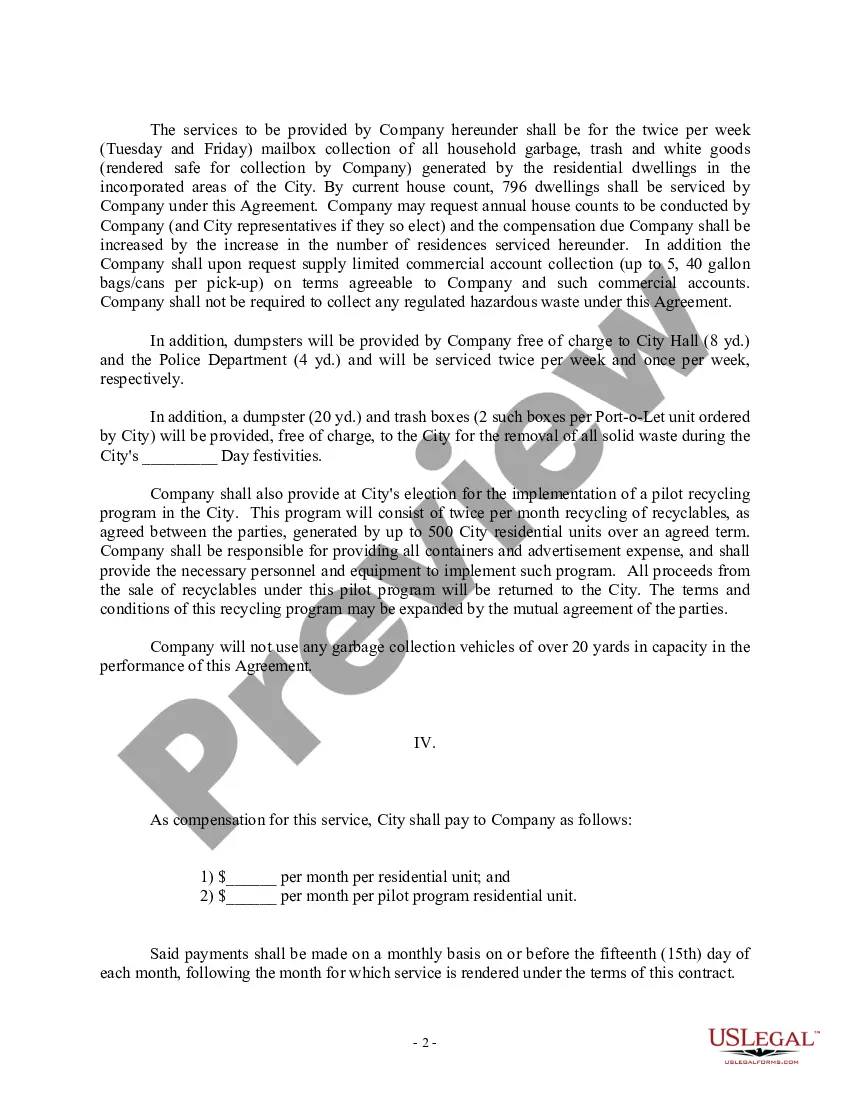
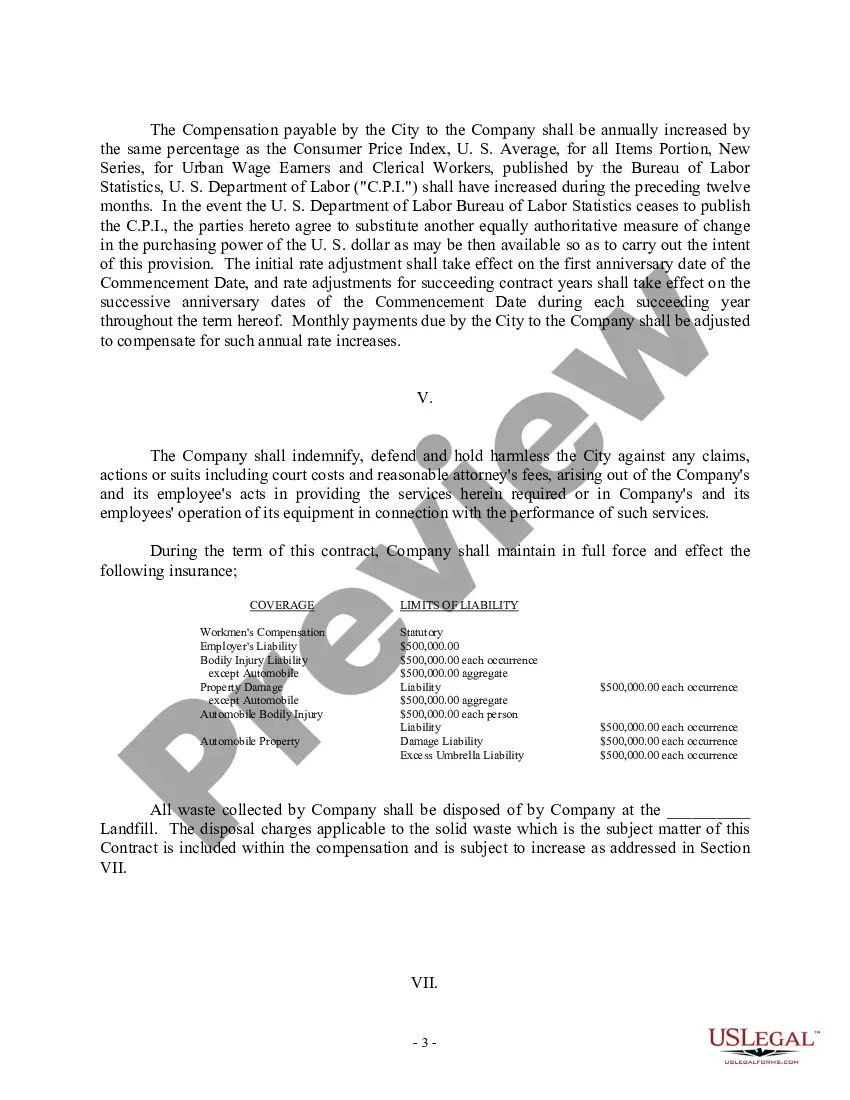
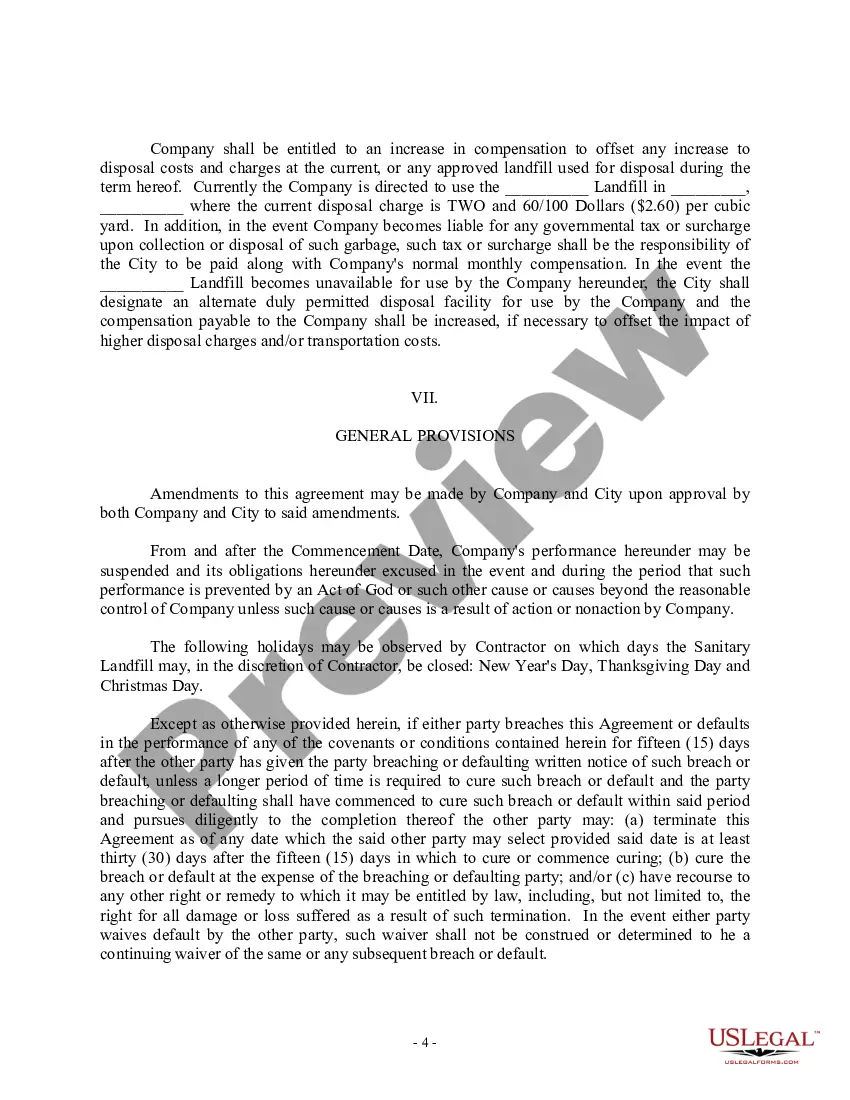
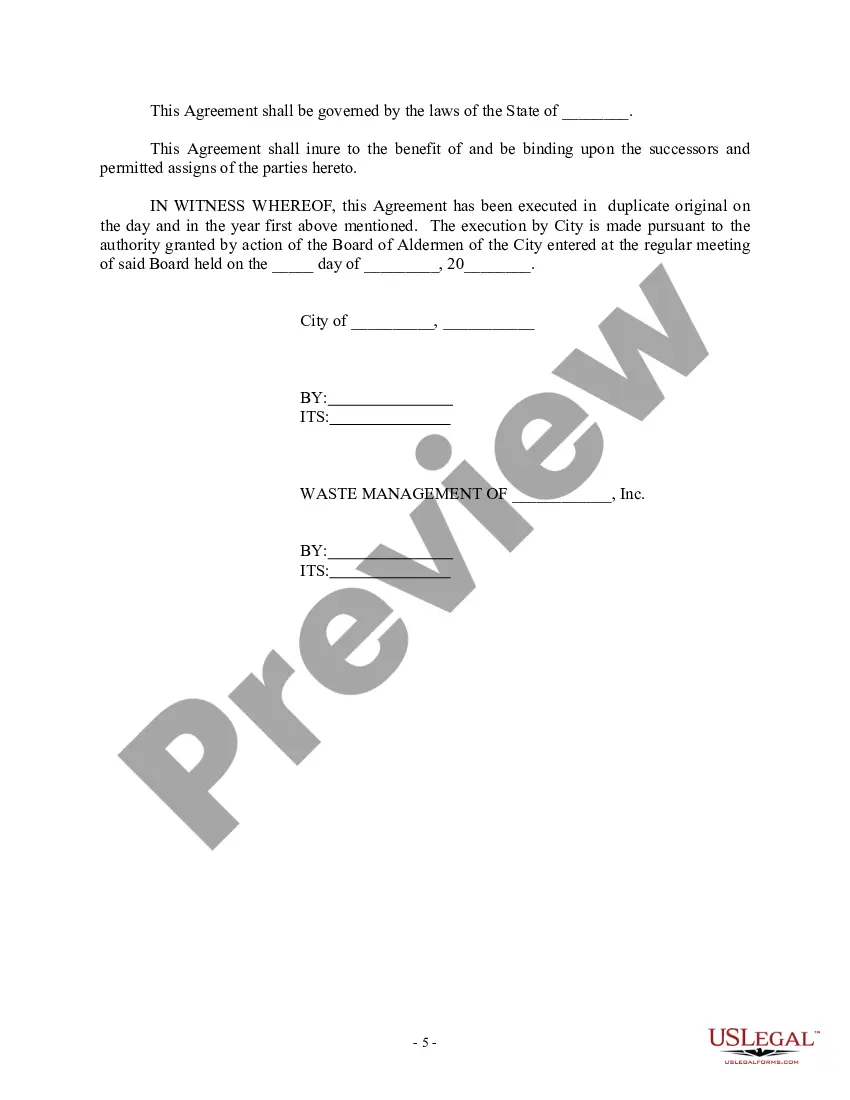
Get your form ready online
Our built-in tools help you complete, sign, share, and store your documents in one place.
Make edits, fill in missing information, and update formatting in US Legal Forms—just like you would in MS Word.
Download a copy, print it, send it by email, or mail it via USPS—whatever works best for your next step.
Sign and collect signatures with our SignNow integration. Send to multiple recipients, set reminders, and more. Go Premium to unlock E-Sign.
If this form requires notarization, complete it online through a secure video call—no need to meet a notary in person or wait for an appointment.
We protect your documents and personal data by following strict security and privacy standards.

Make edits, fill in missing information, and update formatting in US Legal Forms—just like you would in MS Word.

Download a copy, print it, send it by email, or mail it via USPS—whatever works best for your next step.

Sign and collect signatures with our SignNow integration. Send to multiple recipients, set reminders, and more. Go Premium to unlock E-Sign.

If this form requires notarization, complete it online through a secure video call—no need to meet a notary in person or wait for an appointment.

We protect your documents and personal data by following strict security and privacy standards.
Looking for another form?





Form popularity
FAQ
10 Steps for Effective Waste Management Planning Identify the Waste Your Facility Creates. Identify Waste Streams. Establish a Waste Management Team. Assess Current Waste Disposal Methods. Consider Your Waste Hierarchy. Select Waste Management Partners. Set Targets for Waste Reduction. Create a Waste Management Action Plan.
In a direct discharge type of station, several collection trucks empty directly into the transport vehicle. In a storage discharge type of station, refuse is first emptied into a storage pit or onto a platform, and then machinery is used to hoist or push the solid waste into the transport vehicle.
Recycling is the process of collecting and processing materials that would otherwise be thrown away as trash and turning them into new products. Recycling can benefit your community, the economy, and the environment. Products should only be recycled if they cannot be reduced or reused.
Service Sign Up Sign up for service with Waste Management of Alameda County, Inc. using the forms below, or call us at 510-613-8710. Waste Management provides trash and compost collection and California Waste Solutions provides all residential recycle collection.
Waste collection is a fundamental aspect of plastic waste management. This involves the systematic gathering of solid waste from various sources, such as households, industries, commercial or retail establishments, and public spaces.
In a direct discharge type of station, several collection trucks empty directly into the transport vehicle. In a storage discharge type of station, refuse is first emptied into a storage pit or onto a platform, and then machinery is used to hoist or push the solid waste into the transport vehicle.
The Waste Management Hierarchy Explained It gives top priority to waste prevention, followed by re-use, recycling, recovery and finally disposal. The hierarchy helps us rethink our relationship with waste based on five priorities ranked in terms of what's best for the environment.
All Oakland households (single-family homes and apartment buildings), owners and renters, can directly schedule a drop off and a curbside pickup appointment. Reservations required for drop off and curbside pickups. Call 1-888-WM-BULKY or request an appointment online.
The 7 R's Of Recycling Recycle. Refuse. Reduce. Reuse. Repair. Re-gift. Recover.
10 Steps for Effective Waste Management Planning Identify the Waste Your Facility Creates. Identify Waste Streams. Establish a Waste Management Team. Assess Current Waste Disposal Methods. Consider Your Waste Hierarchy. Select Waste Management Partners. Set Targets for Waste Reduction. Create a Waste Management Action Plan.
