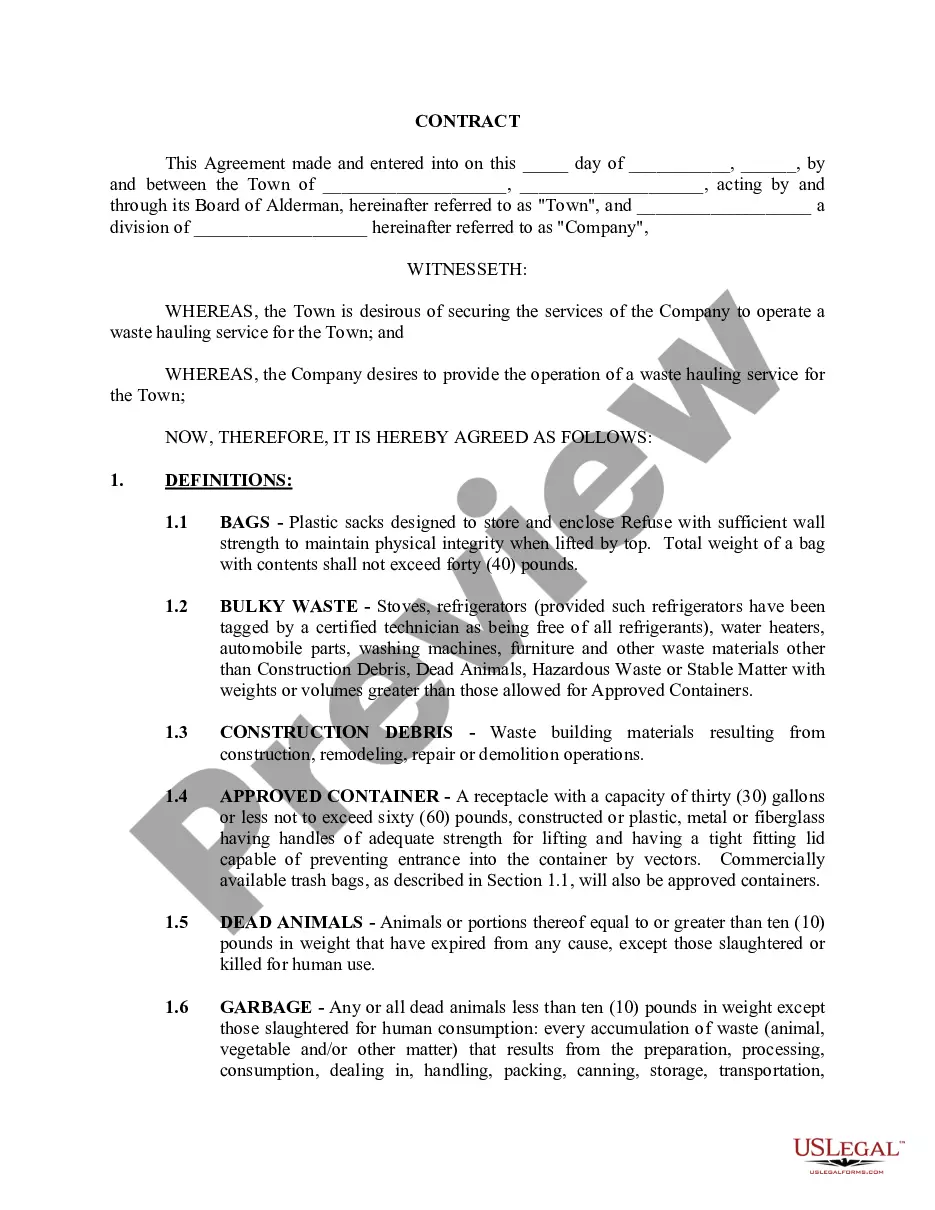
Garbage Collection Contract Template With Time In Florida
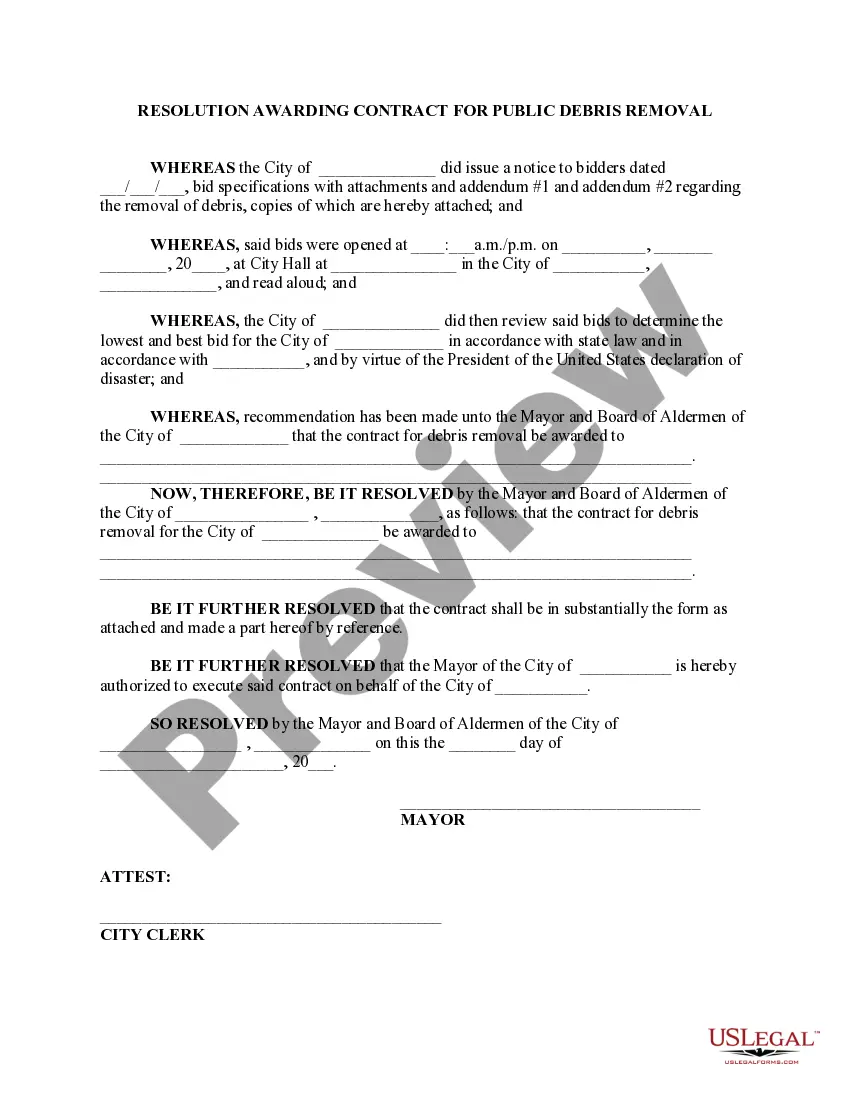
Description

Get your form ready online
Our built-in tools help you complete, sign, share, and store your documents in one place.
Make edits, fill in missing information, and update formatting in US Legal Forms—just like you would in MS Word.
Download a copy, print it, send it by email, or mail it via USPS—whatever works best for your next step.
Sign and collect signatures with our SignNow integration. Send to multiple recipients, set reminders, and more. Go Premium to unlock E-Sign.
If this form requires notarization, complete it online through a secure video call—no need to meet a notary in person or wait for an appointment.
We protect your documents and personal data by following strict security and privacy standards.

Make edits, fill in missing information, and update formatting in US Legal Forms—just like you would in MS Word.

Download a copy, print it, send it by email, or mail it via USPS—whatever works best for your next step.

Sign and collect signatures with our SignNow integration. Send to multiple recipients, set reminders, and more. Go Premium to unlock E-Sign.

If this form requires notarization, complete it online through a secure video call—no need to meet a notary in person or wait for an appointment.

We protect your documents and personal data by following strict security and privacy standards.
Looking for another form?






Form popularity
FAQ
10 Steps for Effective Waste Management Planning Identify the Waste Your Facility Creates. Identify Waste Streams. Establish a Waste Management Team. Assess Current Waste Disposal Methods. Consider Your Waste Hierarchy. Select Waste Management Partners. Set Targets for Waste Reduction. Create a Waste Management Action Plan.
Five actions should respectively be taken if possible before recycling any products. These R's include: refuse, reduce, reuse, repurpose and finally, recycle.
The main types of waste disposal include landfilling, incineration, waste compaction, biogas generation, composting, and vermicomposting. 3. How do waste disposal methods differ? Waste disposal methods vary based on the waste type, environmental impact, and local regulations.
The main types of waste disposal include landfilling, incineration, waste compaction, biogas generation, composting, and vermicomposting. 3. How do waste disposal methods differ? Waste disposal methods vary based on the waste type, environmental impact, and local regulations.
FAQs Address of the Municipal Corporation Office. Date (dd/mm/yy) Subject (Write the issue for which you are writing the letter) Salutation (Dear Sir/Ma'am) Introductory Paragraph. (Write the issue you are concerned about. Body. Closing Paragraph. Signing Off ( Use 'Regards', 'Sincerely', etc.)
Take your waste to your local recycling centre (or 'tip') - find a recycling centre by checking on your council's website. take your waste to a permitted private waste site. use a registered private business that provides a waste collection service - for example, a skip company or household clearance service.
Below are the seven effective methods of solid waste disposal and management: Preventing or Reducing Waste Generation. Recycling. Incineration. Composting. Sanitary Landfill. Disposal in Ocean/Sea. Plasma Gasification.
As Florida cities have grappled with rising recycling costs in recent years, some local governments have scrapped the practice altogether. In 2019, for instance, the city of Deltona cited a shrinking demand for recyclable material, like plastic and glass, before suspending its weekly residential recycling pickup.
Once the liners and collection system are in place, we start placing trash into cells that are about 10 acres each. Think of a landfill like a lasagna with layers of garbage or ash and a daily cover of approved materials. We build up layers until the landfill reaches about 160 feet above sea level.
10 Steps for Effective Waste Management Planning Identify the Waste Your Facility Creates. Identify Waste Streams. Establish a Waste Management Team. Assess Current Waste Disposal Methods. Consider Your Waste Hierarchy. Select Waste Management Partners. Set Targets for Waste Reduction. Create a Waste Management Action Plan.
