Boat Contract With Us Navy In San Jose
Description

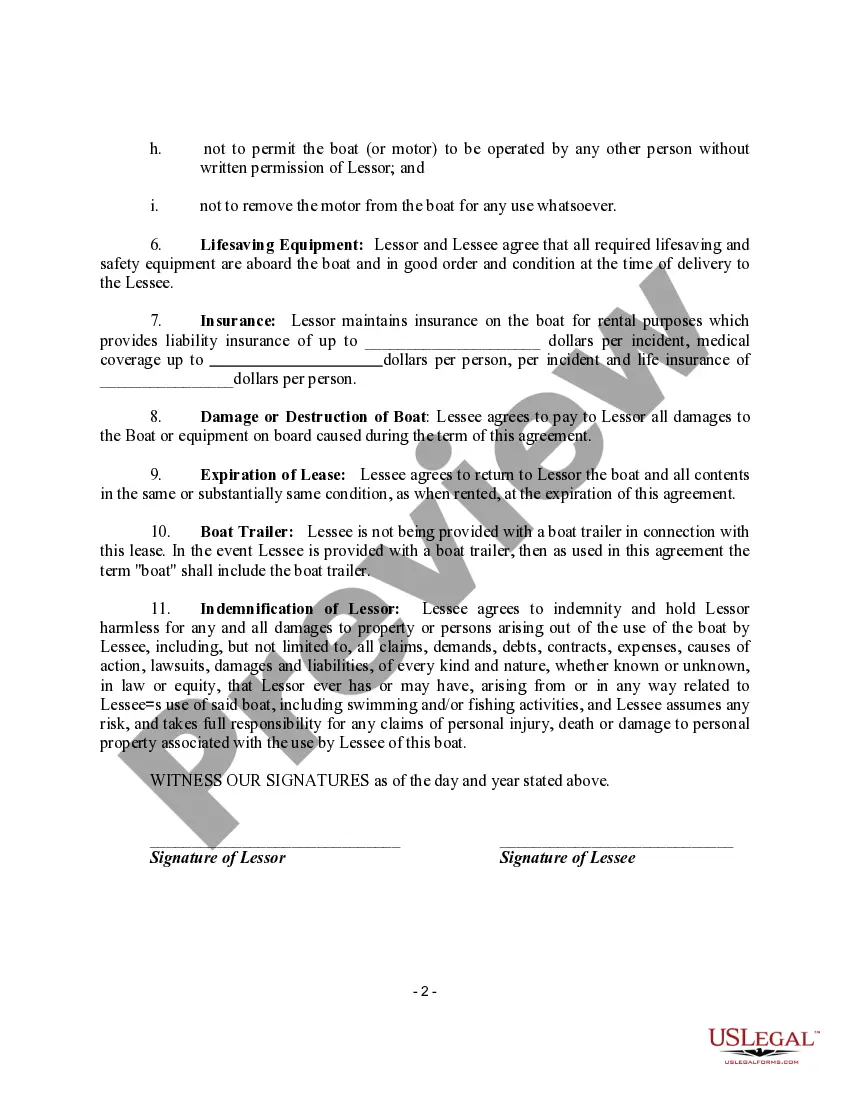
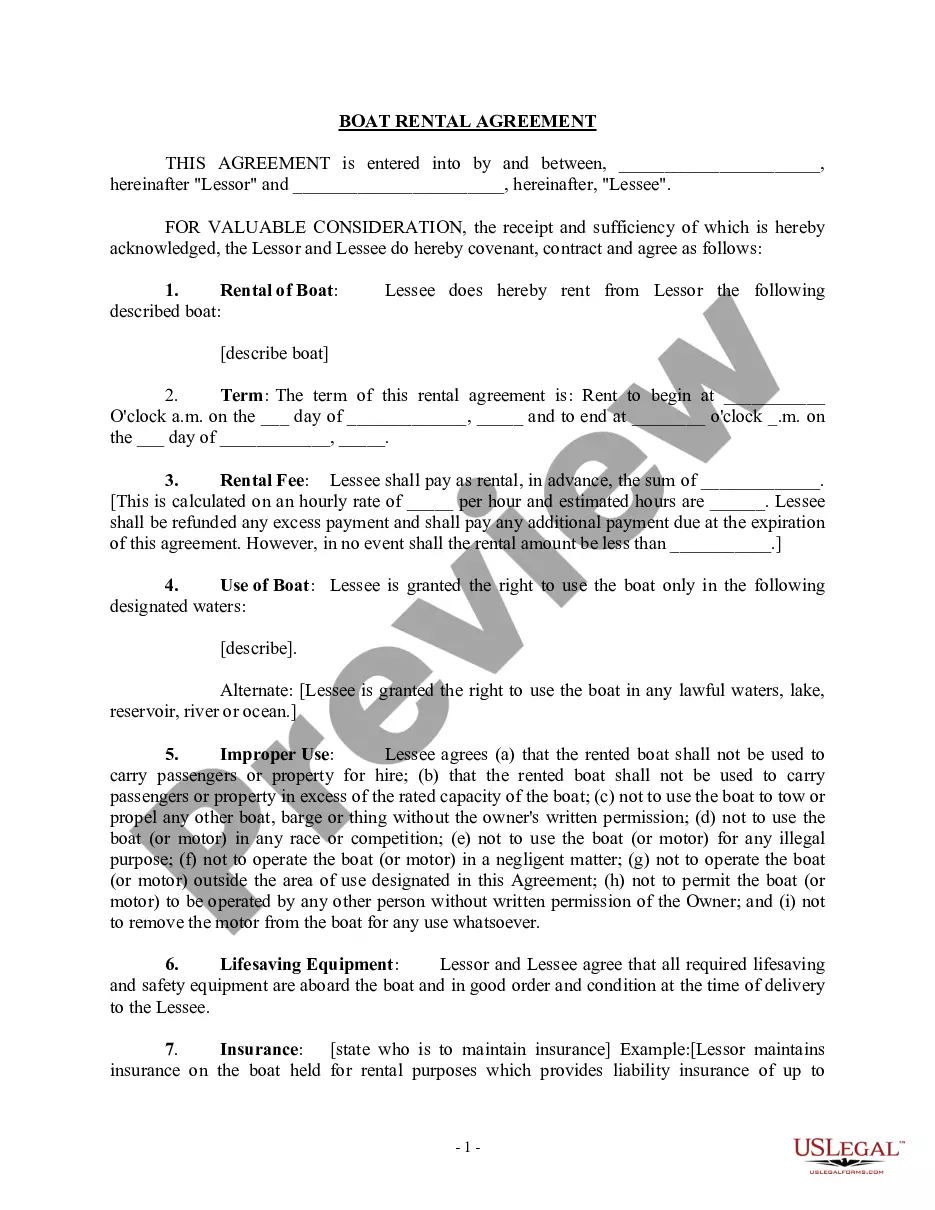
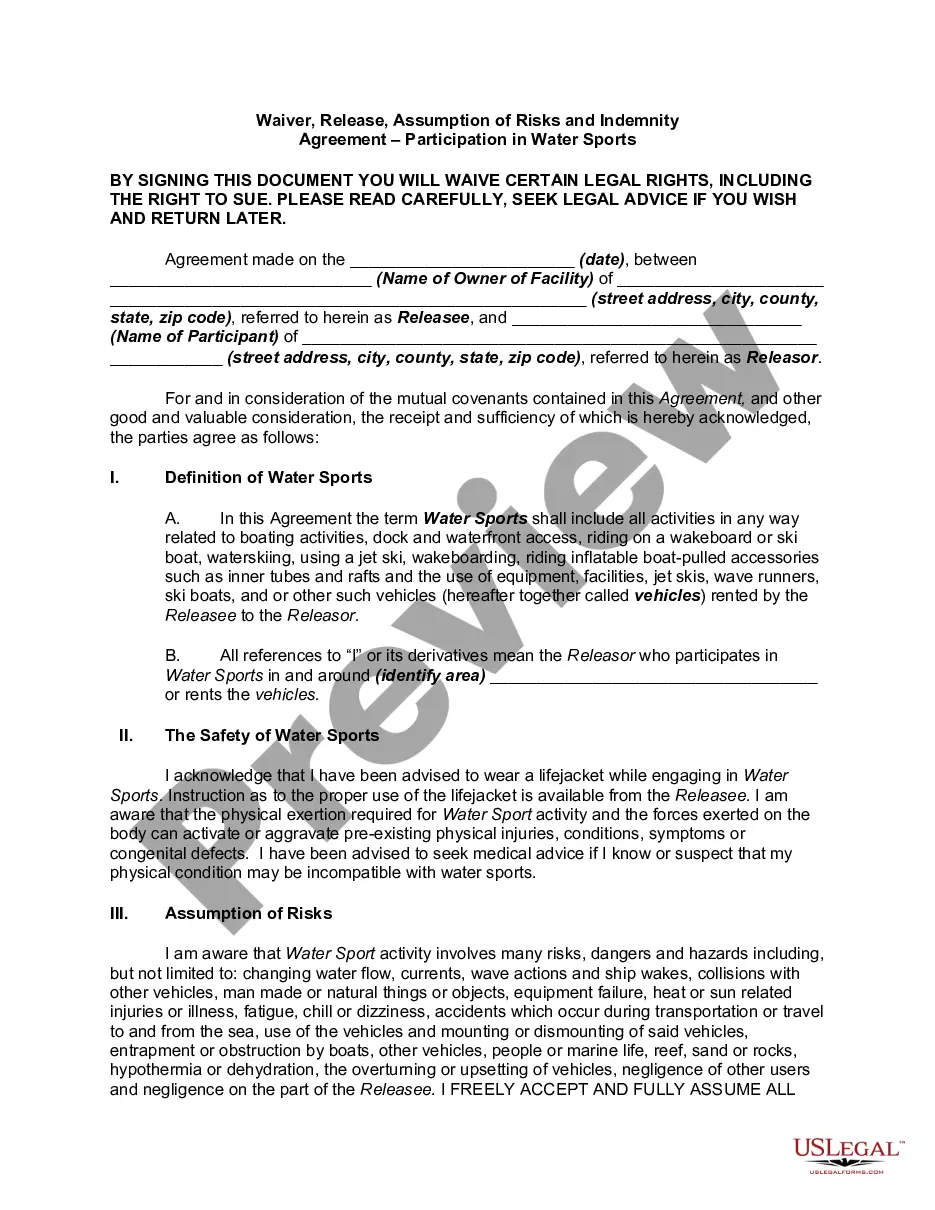
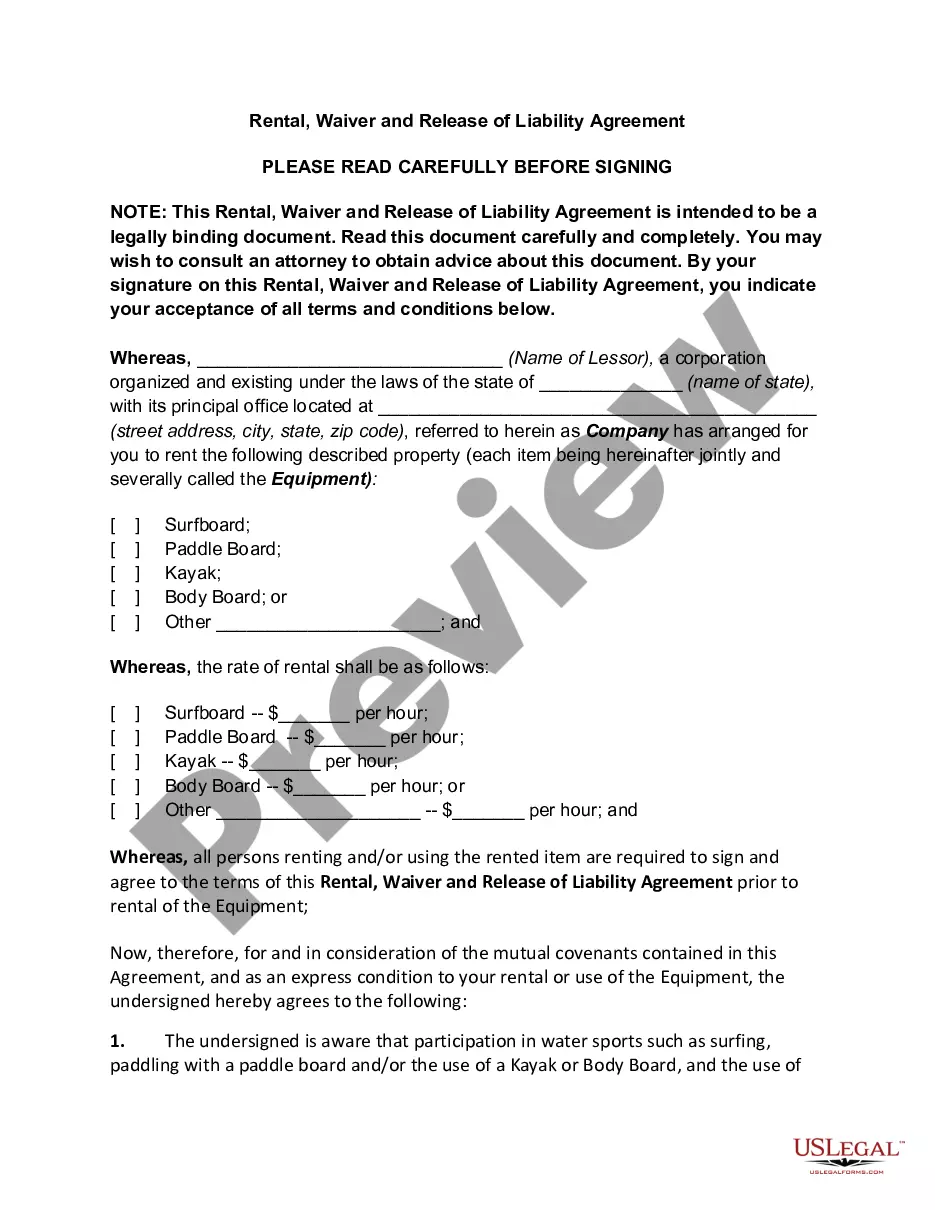
Get your form ready online
Our built-in tools help you complete, sign, share, and store your documents in one place.
Make edits, fill in missing information, and update formatting in US Legal Forms—just like you would in MS Word.
Download a copy, print it, send it by email, or mail it via USPS—whatever works best for your next step.
Sign and collect signatures with our SignNow integration. Send to multiple recipients, set reminders, and more. Go Premium to unlock E-Sign.
If this form requires notarization, complete it online through a secure video call—no need to meet a notary in person or wait for an appointment.
We protect your documents and personal data by following strict security and privacy standards.

Make edits, fill in missing information, and update formatting in US Legal Forms—just like you would in MS Word.

Download a copy, print it, send it by email, or mail it via USPS—whatever works best for your next step.

Sign and collect signatures with our SignNow integration. Send to multiple recipients, set reminders, and more. Go Premium to unlock E-Sign.

If this form requires notarization, complete it online through a secure video call—no need to meet a notary in person or wait for an appointment.

We protect your documents and personal data by following strict security and privacy standards.
Looking for another form?






Form popularity
FAQ
To join the Navy, you meet the requirements as outlined below: Be a U.S. citizen or an enlisted legal permanent resident. Be between the ages of 17 and 41. Pass the Military Entrance Processing Station (MEPS) medical exam. Meet the physical, mental and moral standards of the Navy.
How Long Will I Serve? Enlisted positions typically require an initial service commitment of four years, but positions involving longer-term training may involve five- or six-year obligations.
How to become a military contractor Earn a high school diploma or GED. Consider earning a bachelor's degree. Enlist in the military or a security role. Create a bid that advocates your skills to the Department of Defense. Consider working for a private military contracting company. Physical fitness. Attention to detail.
Naval contractors are integral to the operational readiness and technological advancement of the U.S. Navy and Coast Guard. These large defense companies collaborate closely with the U.S. government to deliver critical support services and cutting-edge products.
The key qualifications for becoming a Commander in the US Navy include leadership and command experience, technical expertise and professional development, physical and mental fitness, communication and interpersonal skills, and education and certifications.
To qualify for employment consideration as a Supply Corps Officer in the Navy, you must be a U.S. citizen, be qualified for sea duty and be willing to serve worldwide. Degrees in business, science, technology, engineering and mathematics are preferred but not required. A graduate degree is preferred by not required.
NOSS stands for "Naval Operational Supply System" and is the Navy's future end-to-end Supply Chain Management (SCM) solution. The US Navy's NOSS program will support the Naval Operational Forces including Maritime, Aviation, Expeditionary and Shore Support Units.
The first step in becoming a vendor to the Navy is to register your business with the System for Award Management. SAM is the primary method that small businesses typically utilize to register the company with the federal government to qualify for government solicitations for goods and services.
Time: The length of your enlistment contract will depend on the type of job you choose and the branch of the Navy you're joining. Typical contracts range from two to six years. Service: As a sailor, you'll be required to serve on active duty or in the reserves.
A standard Navy contract typically ranges from 2 to 6 years, depending on the type of enlistment and the individual's circumstances. For example, the most common contract length for new enlistees is 4 years, with some contracts extending up to 6 years for certain Military Occupational Specialties (MOS).
