Boat Names For Contractors In San Bernardino
Description

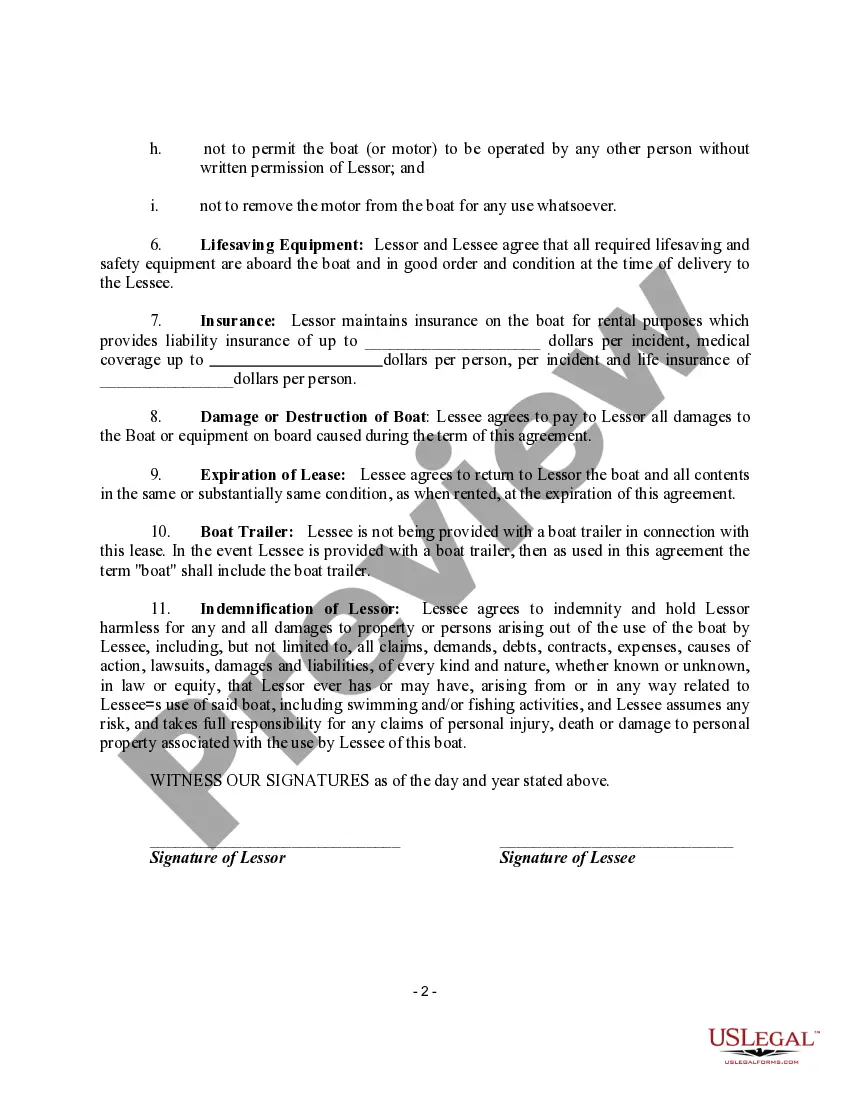
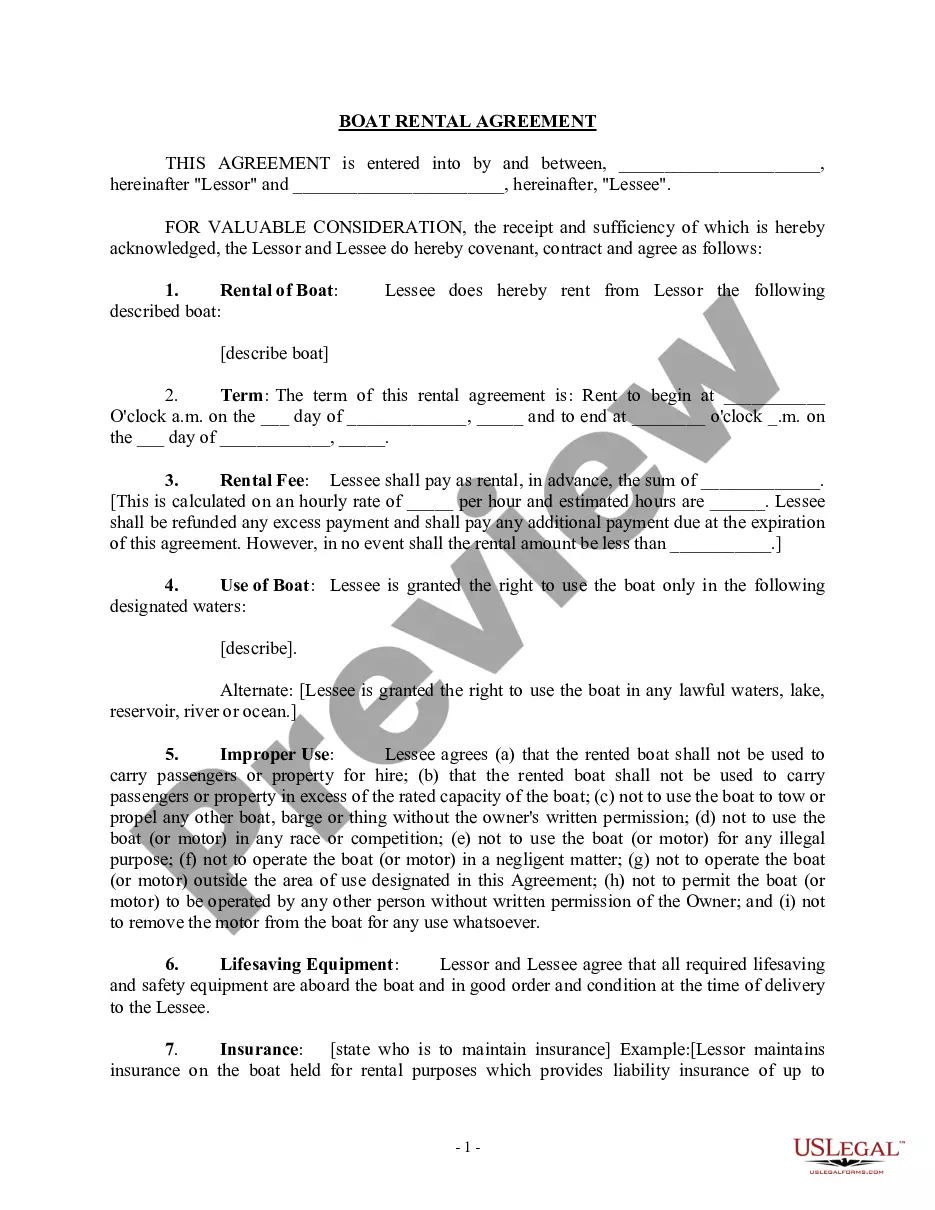
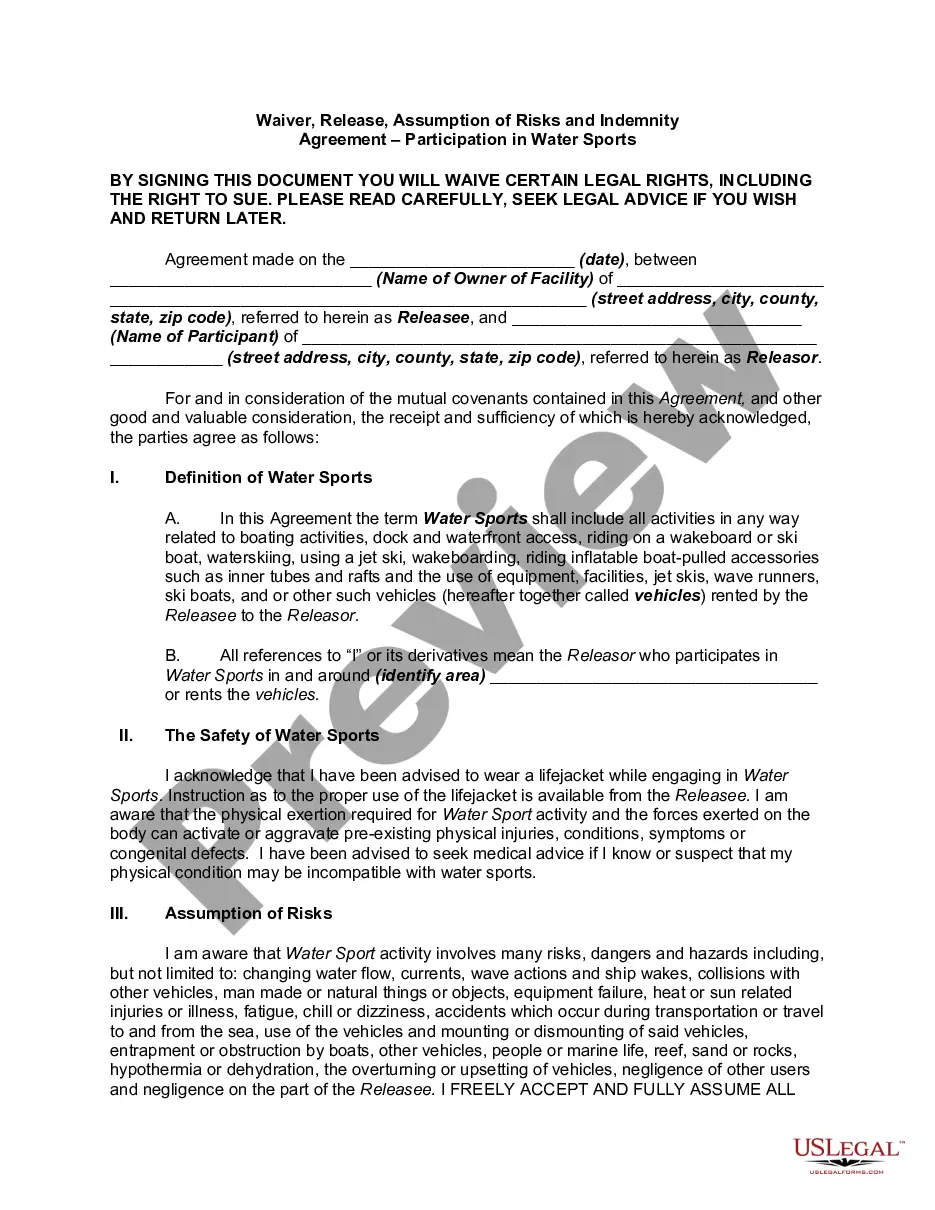
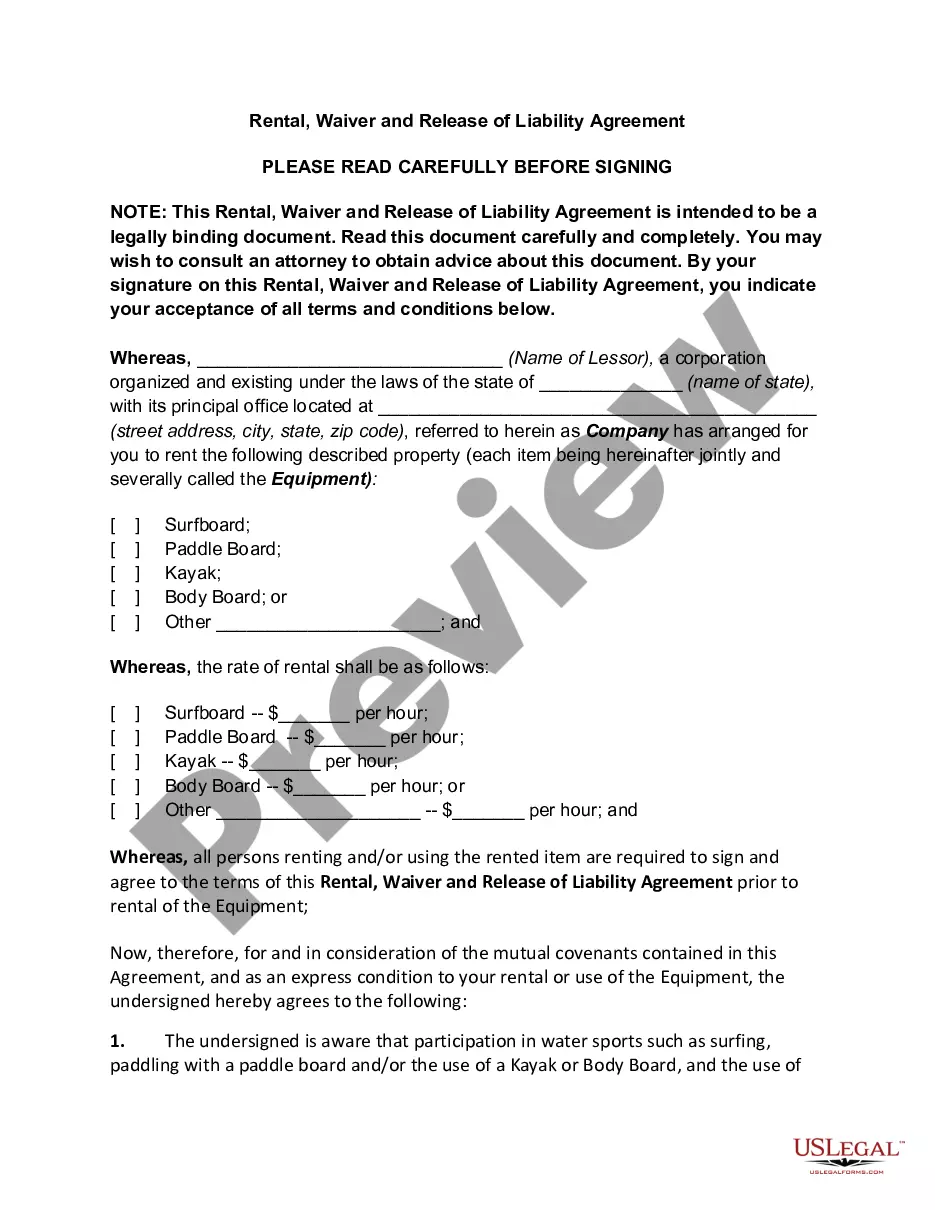
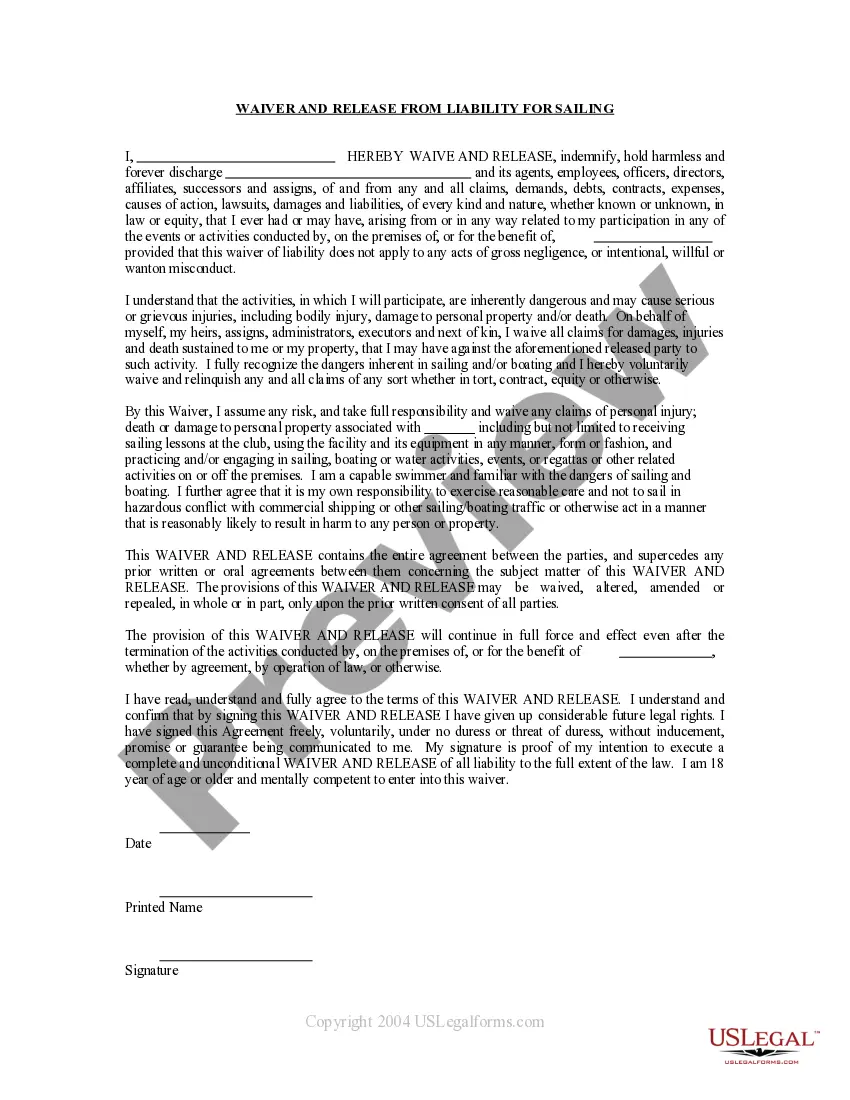
Get your form ready online
Our built-in tools help you complete, sign, share, and store your documents in one place.
Make edits, fill in missing information, and update formatting in US Legal Forms—just like you would in MS Word.
Download a copy, print it, send it by email, or mail it via USPS—whatever works best for your next step.
Sign and collect signatures with our SignNow integration. Send to multiple recipients, set reminders, and more. Go Premium to unlock E-Sign.
If this form requires notarization, complete it online through a secure video call—no need to meet a notary in person or wait for an appointment.
We protect your documents and personal data by following strict security and privacy standards.

Make edits, fill in missing information, and update formatting in US Legal Forms—just like you would in MS Word.

Download a copy, print it, send it by email, or mail it via USPS—whatever works best for your next step.

Sign and collect signatures with our SignNow integration. Send to multiple recipients, set reminders, and more. Go Premium to unlock E-Sign.

If this form requires notarization, complete it online through a secure video call—no need to meet a notary in person or wait for an appointment.

We protect your documents and personal data by following strict security and privacy standards.
Looking for another form?





Form popularity
FAQ
While the tradition of referring to ships as female is deeply rooted in maritime culture, it is not an absolute rule that all ships are always referred to as female. While it is a widespread practice, there are instances where ships may be referred to using other pronouns or even assigned gender-neutral terms.
Here are some truly classy boat names: Serendipity. Liberty. Escapade. Diva. Spirit. Destiny. Carpe Diem. Namaste.
As diverse as those many names and their sources can be, they do have one thing in common: every boat has one. Although there are clear rules on naming vessels – it is mandatory to register a name for all pleasure boats (over 10 metres) – practically every vessel, no matter its size, has a name.
Usage. Historically, prefixes for civilian vessels often identified the vessel's mode of propulsion, such as "MV" (motor vessel), "SS" (screw steamer; often cited as "steam ship"), or "PS" (paddle steamer).
Boat names must not be more than 33 characters. It may not be identical, actually or phonetically, to any word or words used to solicit assistance at sea; may not contain or be phonetically identical to obscene, indecent, or profane language, or to racial or ethnic epithets.
The U.S. Coast Guard, for instance, has few documentation regulations for the naming of vessels. Boat names must not be more than 33 characters. The name of the boat must not be identical, either literally or phonetically, to any word or words used to solicit assistance at sea (that rules out MayDay or similar names).
Ship carpenters (also known as marine carpenters) may work on just one aspect of the boat building process, like installing cabinets.
Boat names can be as unique as the people who name them. A good boat name might reflect the owner's interests or hobbies, or might be a classic name that just resonates.
The original civilian ship prefix is SS, which is an acronym for “steamship.” Back in the early days of powered water vessels, shipping companies wanted a way to distinguish their newer, faster steamships from older, slower sail and oar propelled watercraft.
Funny Boat Names Aboat Time. Alimony. Are We There Yet? Fin & Tonic. Fishy Business. Flying Dutchman. Feeling Yachty. Gone Fishin'
