Boat Contract With Us In Sacramento
Description

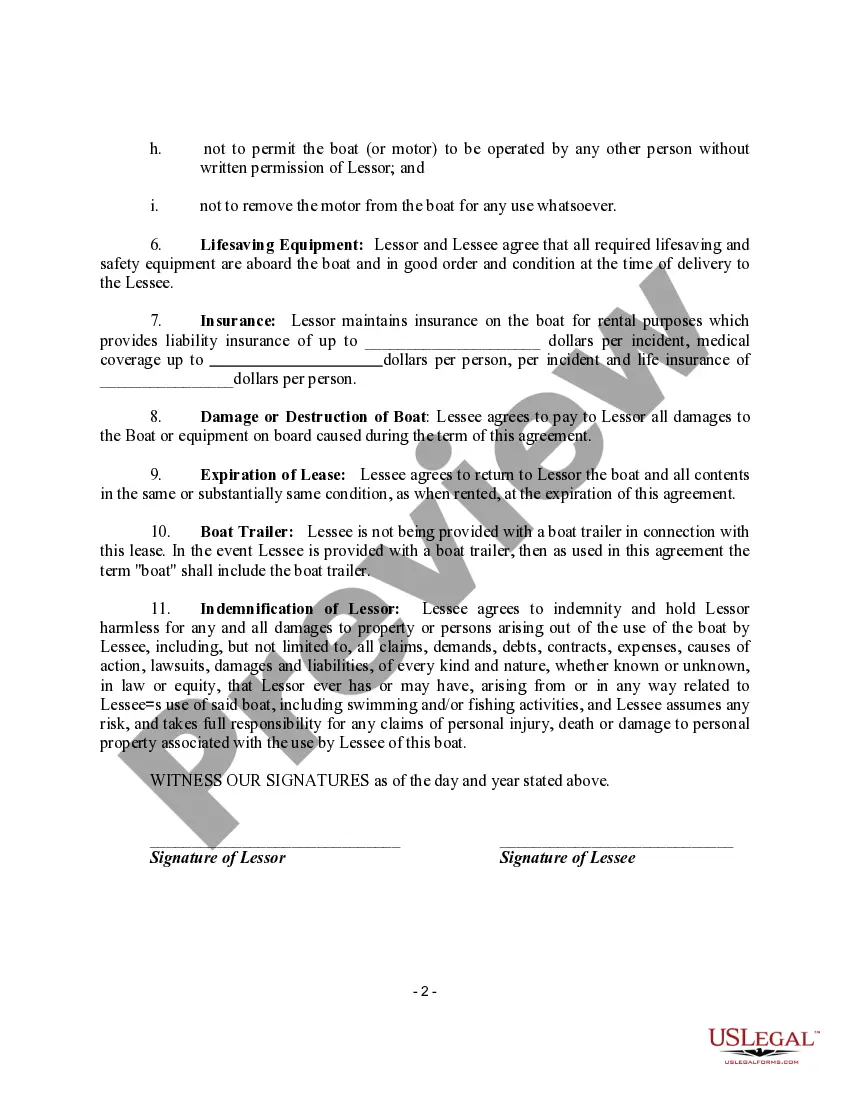
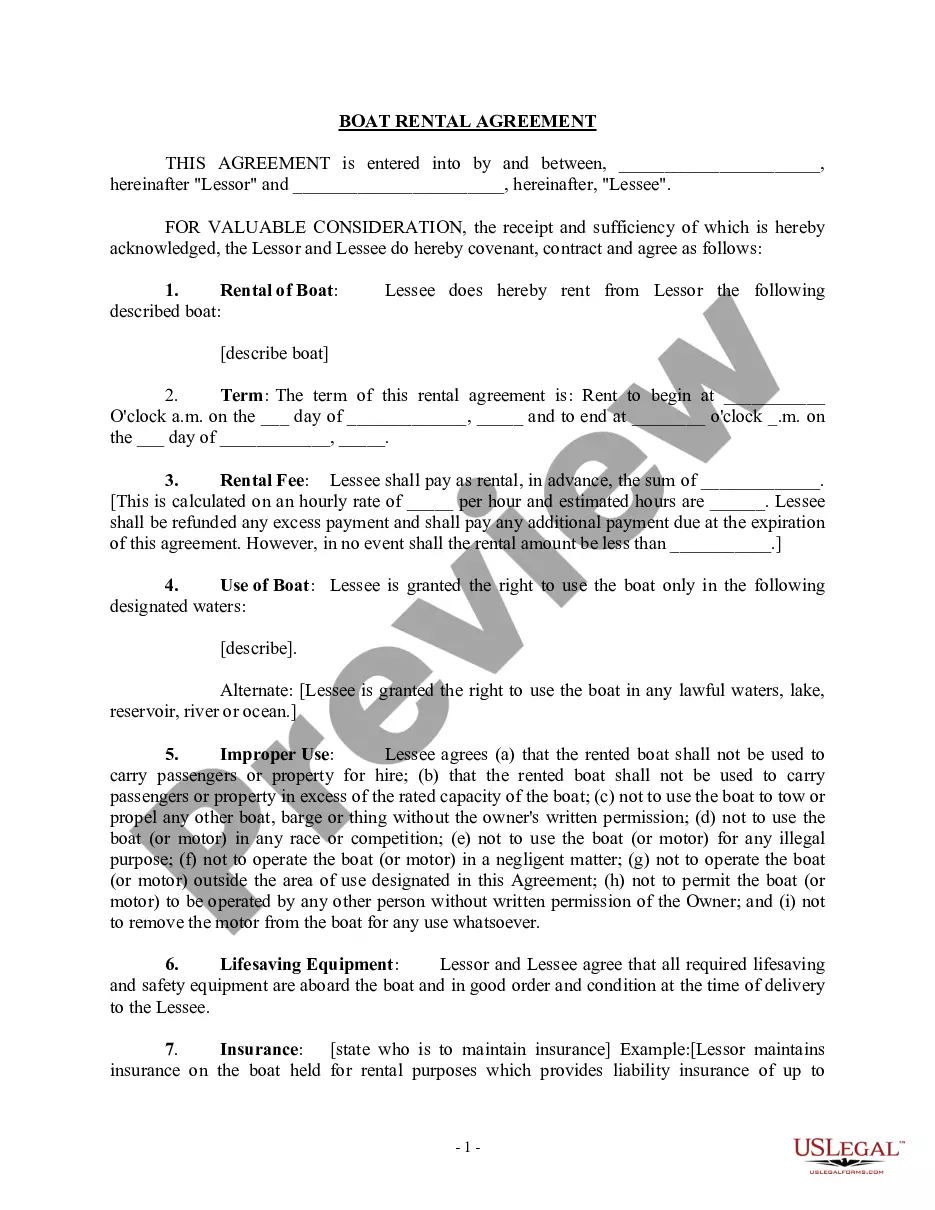
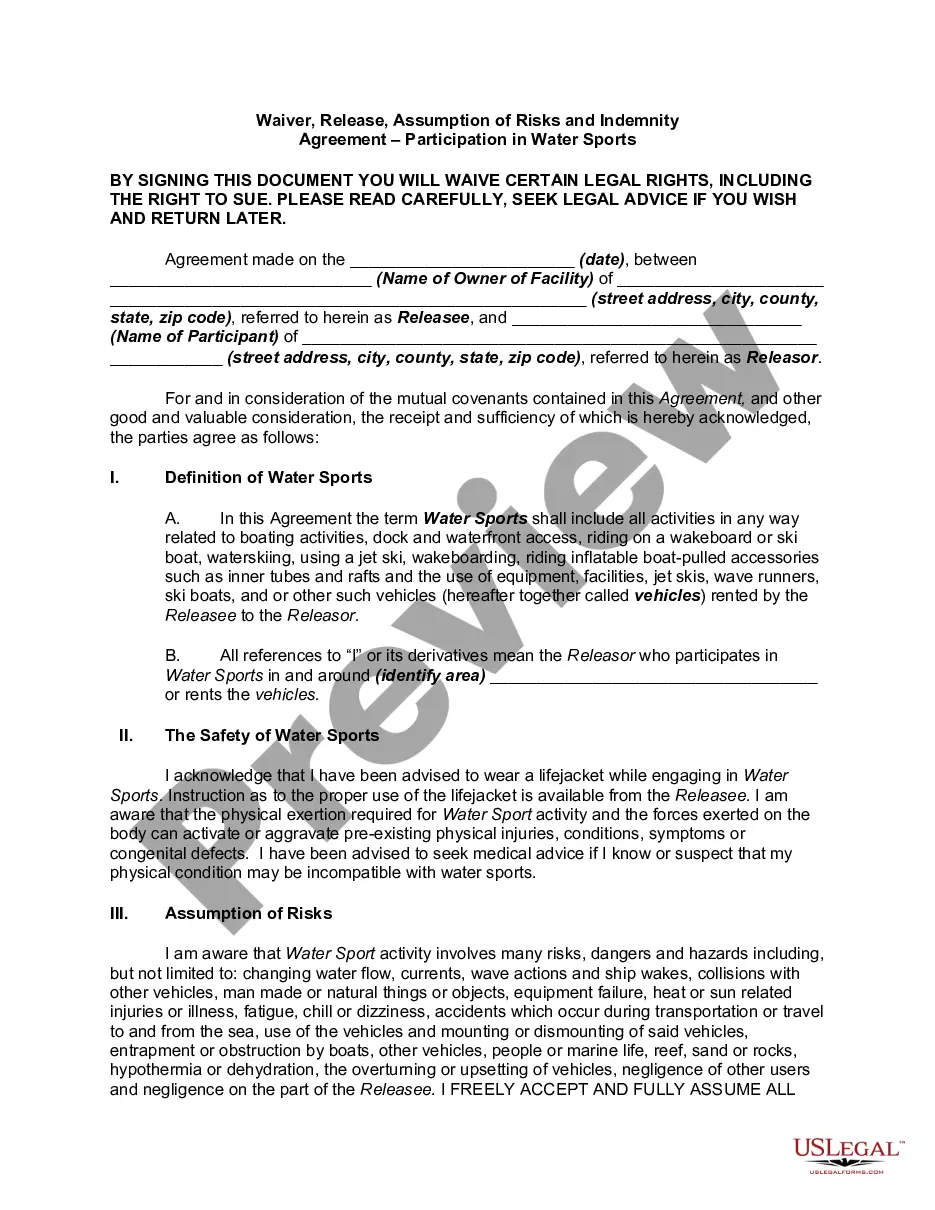
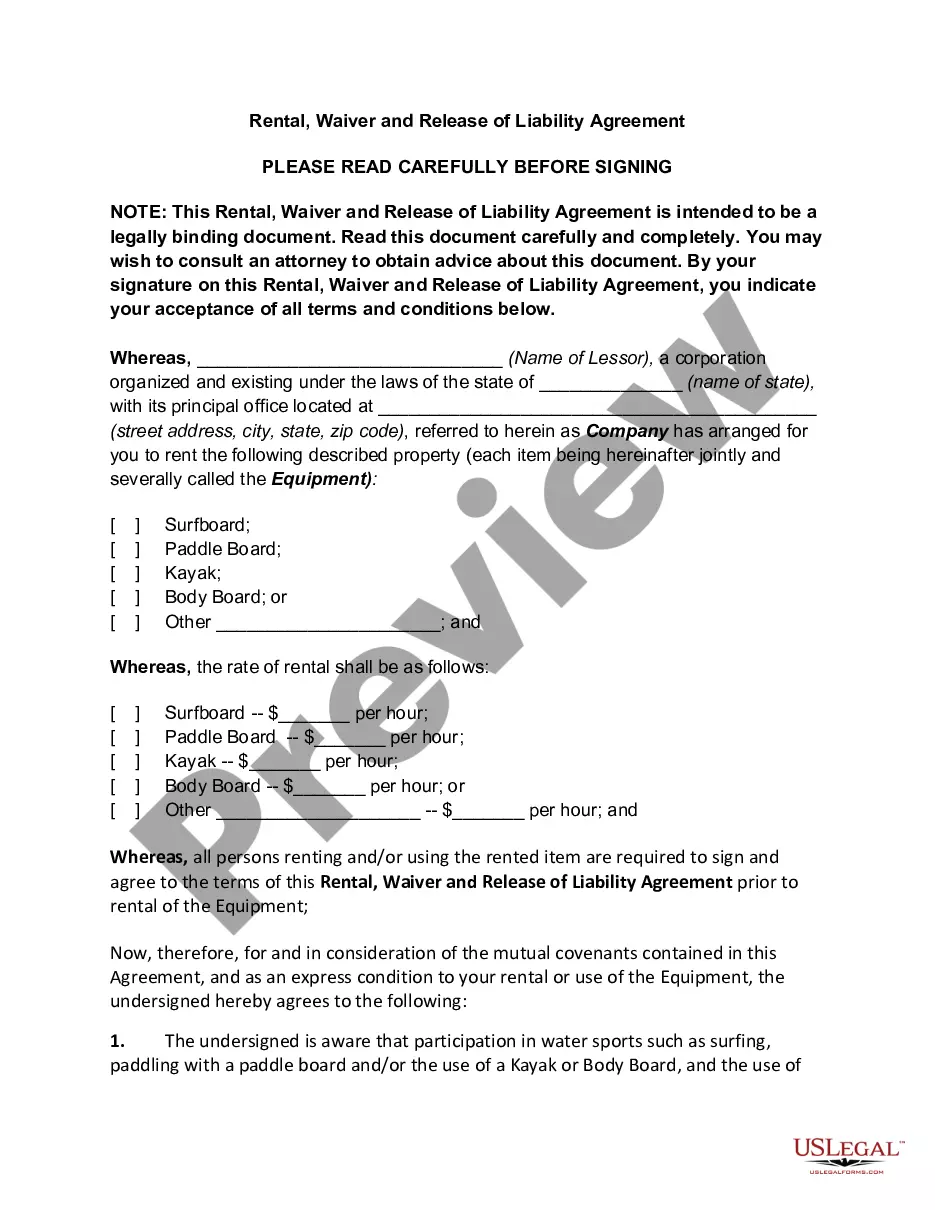
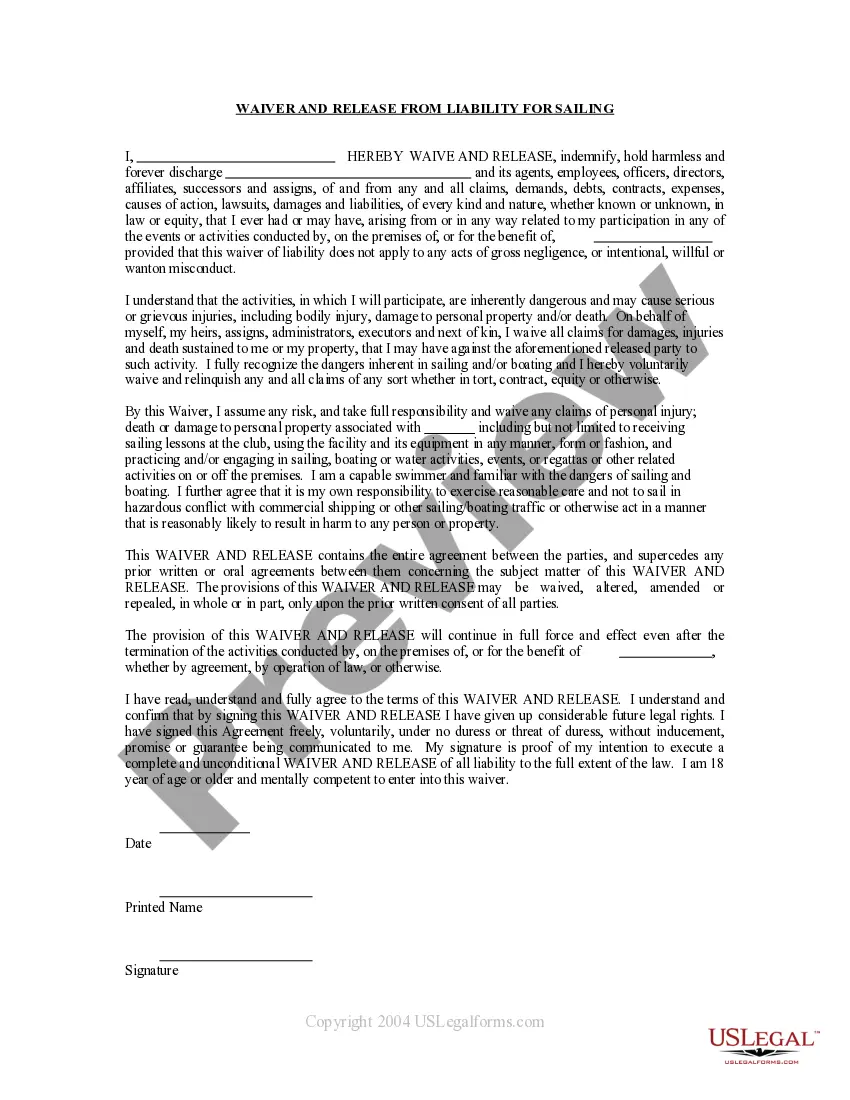
Get your form ready online
Our built-in tools help you complete, sign, share, and store your documents in one place.
Make edits, fill in missing information, and update formatting in US Legal Forms—just like you would in MS Word.
Download a copy, print it, send it by email, or mail it via USPS—whatever works best for your next step.
Sign and collect signatures with our SignNow integration. Send to multiple recipients, set reminders, and more. Go Premium to unlock E-Sign.
If this form requires notarization, complete it online through a secure video call—no need to meet a notary in person or wait for an appointment.
We protect your documents and personal data by following strict security and privacy standards.

Make edits, fill in missing information, and update formatting in US Legal Forms—just like you would in MS Word.

Download a copy, print it, send it by email, or mail it via USPS—whatever works best for your next step.

Sign and collect signatures with our SignNow integration. Send to multiple recipients, set reminders, and more. Go Premium to unlock E-Sign.

If this form requires notarization, complete it online through a secure video call—no need to meet a notary in person or wait for an appointment.

We protect your documents and personal data by following strict security and privacy standards.
Looking for another form?
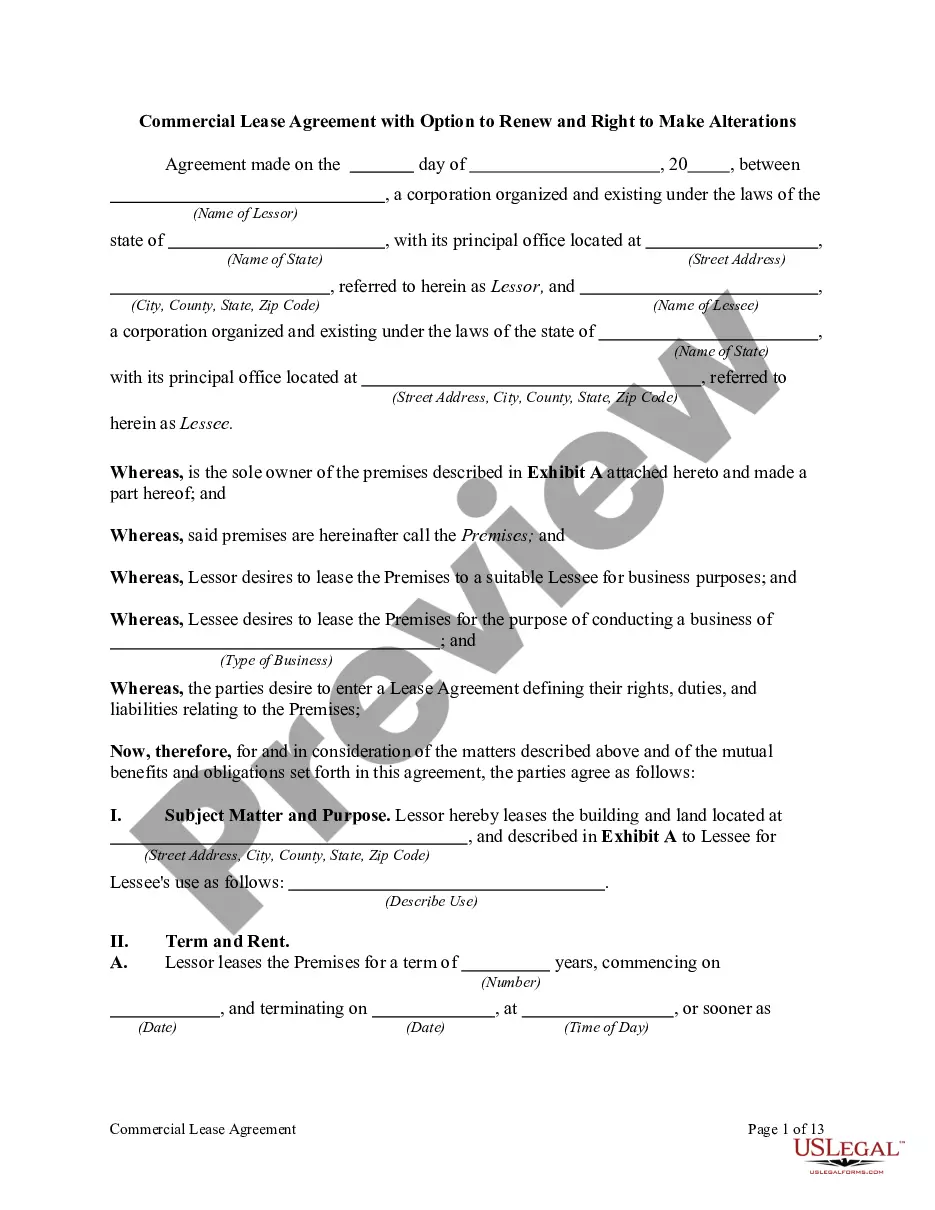







Form popularity
FAQ
Specific requirements vary from state to state, but over 70% of the U.S. requires boaters who meet certain criteria to take a safety education course. The resulting accreditation is called a certificate, not a license, because it is good for life and doesn't expire.
And it's much better for a world Cruiser. It was a super straightforward. Process all we needed wasMoreAnd it's much better for a world Cruiser. It was a super straightforward. Process all we needed was a documentation agent. And that was it. But with the new boat.
Some don't allow it at all and others require a certain size such as 35 feet. All have their own unique rules and are different, offering different amenities such as pools, community rooms and underground parking. The yacht clubs are often a place of choice for living aboard.
Each County Assessor imposes an “unsecured” property tax of approximately 1.1%, depending on taxing jurisdiction, on all vessels in California. Vessels are valued at their fair market value each and every year as of the January 1 lien date. The tax is due for the upcoming fiscal year.
If you decide to sell your boat/vessel, you need to: Give the Certificate of Ownership to the person who buys it. Make sure you sign the certificate on the front. Contact the DMV within five days of the sale and fill out a Notice of Transfer and Release of Liability (REG 138) form.
The master of the boat must report to CBP telephonically and be directed to the nearest Port of Entry to satisfy the face-to-face requirement, or report to the nearest designated reporting location along with the boat's passengers for inspection.
There are some boats/vessels that do not have to be registered: Canoes, rowboats, or any boats/vessels that use paddles or oars. Sailboats shorter than eight feet long. Sailboards or parasails.
