Boat Names For Contractors In Montgomery
Description

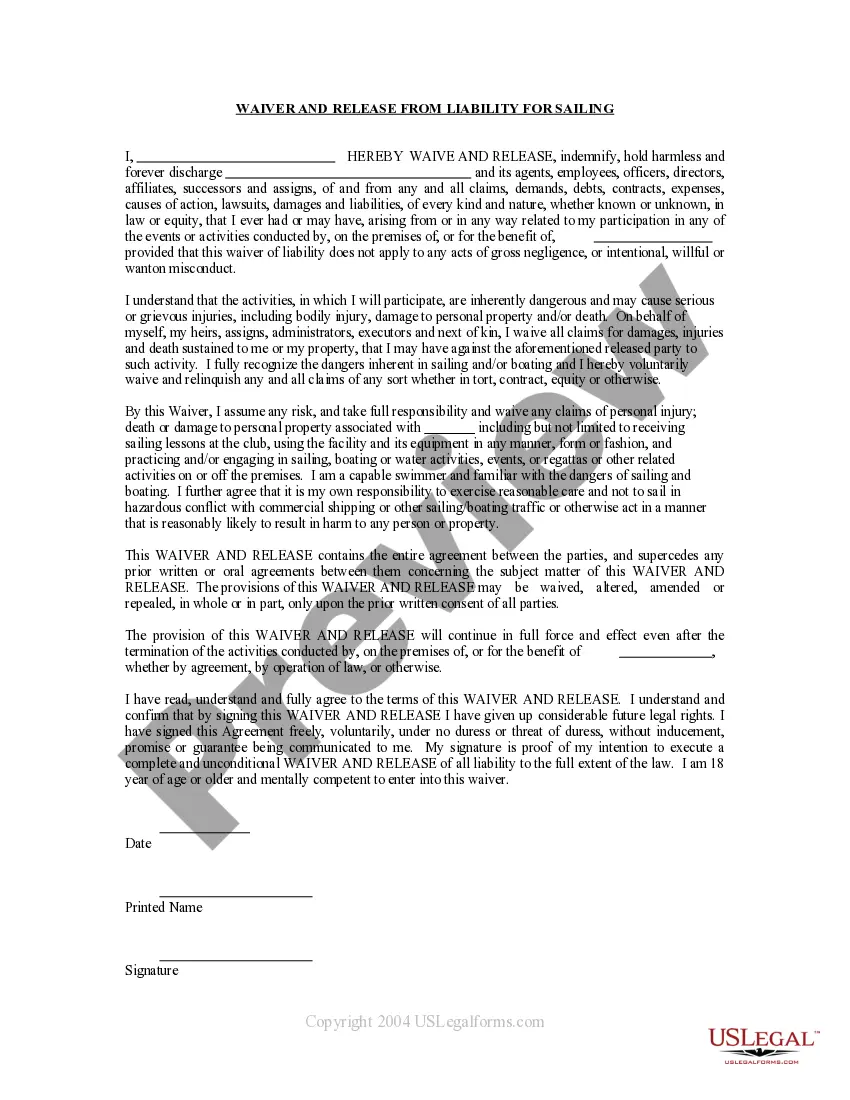
Get your form ready online
Our built-in tools help you complete, sign, share, and store your documents in one place.
Make edits, fill in missing information, and update formatting in US Legal Forms—just like you would in MS Word.
Download a copy, print it, send it by email, or mail it via USPS—whatever works best for your next step.
Sign and collect signatures with our SignNow integration. Send to multiple recipients, set reminders, and more. Go Premium to unlock E-Sign.
If this form requires notarization, complete it online through a secure video call—no need to meet a notary in person or wait for an appointment.
We protect your documents and personal data by following strict security and privacy standards.

Make edits, fill in missing information, and update formatting in US Legal Forms—just like you would in MS Word.

Download a copy, print it, send it by email, or mail it via USPS—whatever works best for your next step.

Sign and collect signatures with our SignNow integration. Send to multiple recipients, set reminders, and more. Go Premium to unlock E-Sign.

If this form requires notarization, complete it online through a secure video call—no need to meet a notary in person or wait for an appointment.

We protect your documents and personal data by following strict security and privacy standards.
Looking for another form?



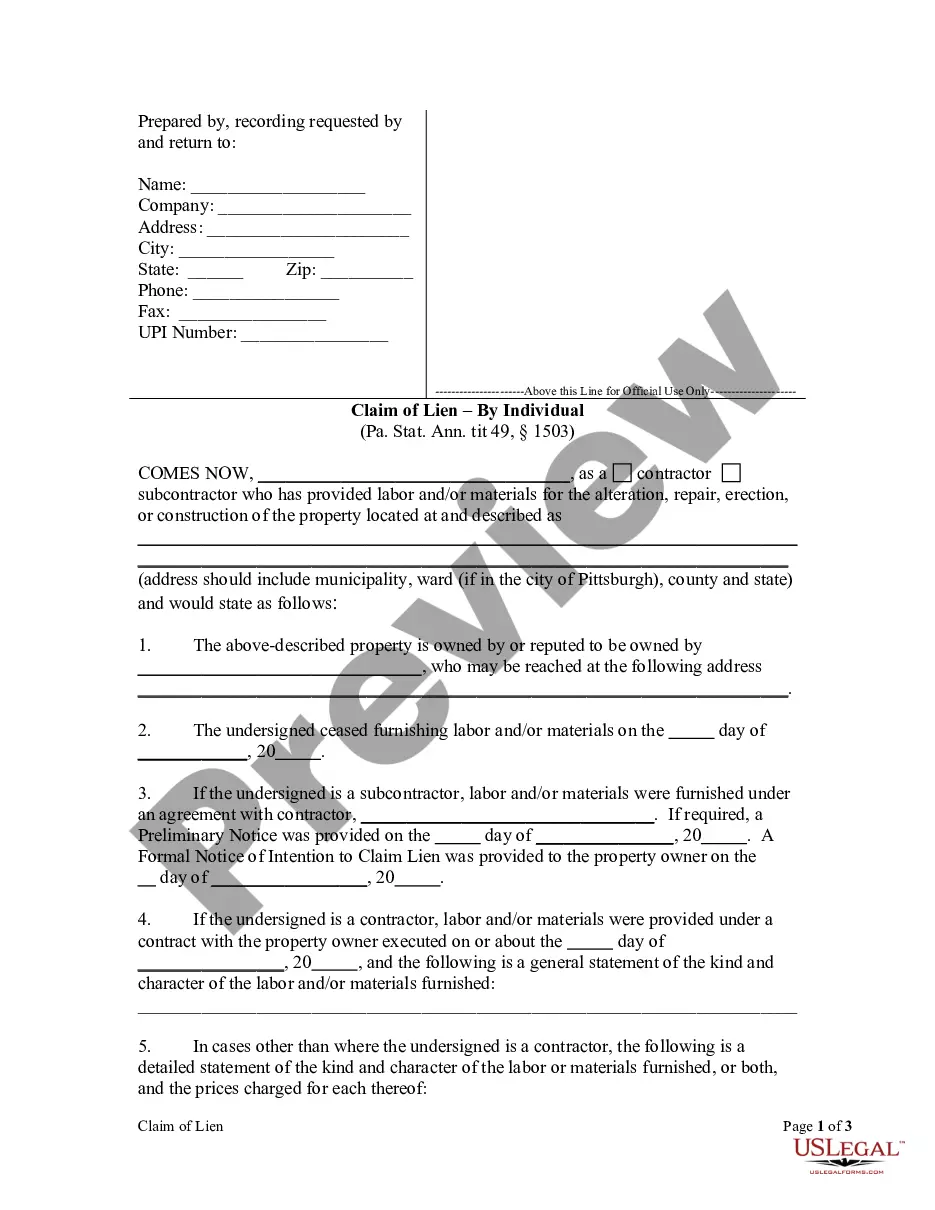




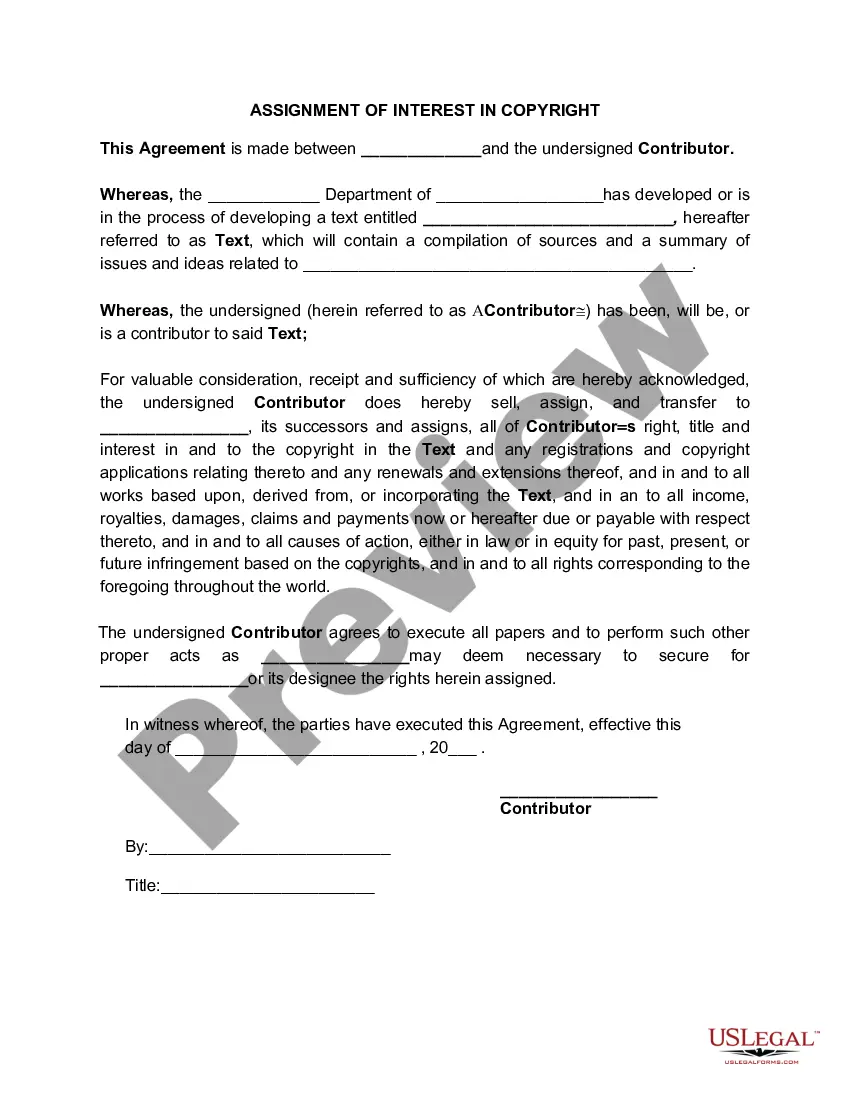

Form popularity
FAQ
Boat Naming Traditions and Superstitions Traditionally, boats were named after women, and the naming ceremony took place before a ship's inaugural launch. While there's more freedom nowadays in what you can name your boat, many avid sailors still conduct a naming ceremony in keeping with age-old customs.
Don't Skip the All-important Boat-Naming Ceremony It will likely anger the gods of the wind and the sea, and you don't want to get them annoyed. And, it's simply considered bad luck to sail on a nameless boat, especially with so many cool boat names available.
Battleships (hull code BB), by law, were named for states, except for USS Kearsarge (BB-5), which was named after a mountain in Merrimack County, New Hampshire, and an American Civil War sloop-of-war. Combat stores ships (AK, AF, and AFS) were named after stars and other heavenly bodies.
The habit of referring to ships in the feminine dates back centuries. It's largely due to the crews of ships historically being all male and being at sea for lengthy periods of time. The affinity for one's ship as a home became similar to one's association to their mother or girlfriend.
Boat naming has been around for thousands of years, started when sailors named their vessels after deities and saints in the hopes of good fortune and smooth sailing. Names were chosen very carefully since the wrong name meant the difference between a safe voyage or being lost at sea.
The U.S. Coast Guard, for instance, has few documentation regulations for the naming of vessels. Boat names must not be more than 33 characters. The name of the boat must not be identical, either literally or phonetically, to any word or words used to solicit assistance at sea (that rules out MayDay or similar names).
Historically, prefixes for civilian vessels often identified the vessel's mode of propulsion, such as "MV" (motor vessel), "SS" (screw steamer; often cited as "steam ship"), or "PS" (paddle steamer).
Usage. Historically, prefixes for civilian vessels often identified the vessel's mode of propulsion, such as "MV" (motor vessel), "SS" (screw steamer; often cited as "steam ship"), or "PS" (paddle steamer).
Boat names can be as unique as the people who name them. A good boat name might reflect the owner's interests or hobbies, or might be a classic name that just resonates.
Keep Your Boat Name Brief While it's tempting to craft elaborate and descriptive names, keeping them concise and to the point is essential. A short name not only looks sleek on the transom but also ensures clarity and ease during VHF radio communications.
