Boat Contract With Us Navy In Miami-Dade
Description

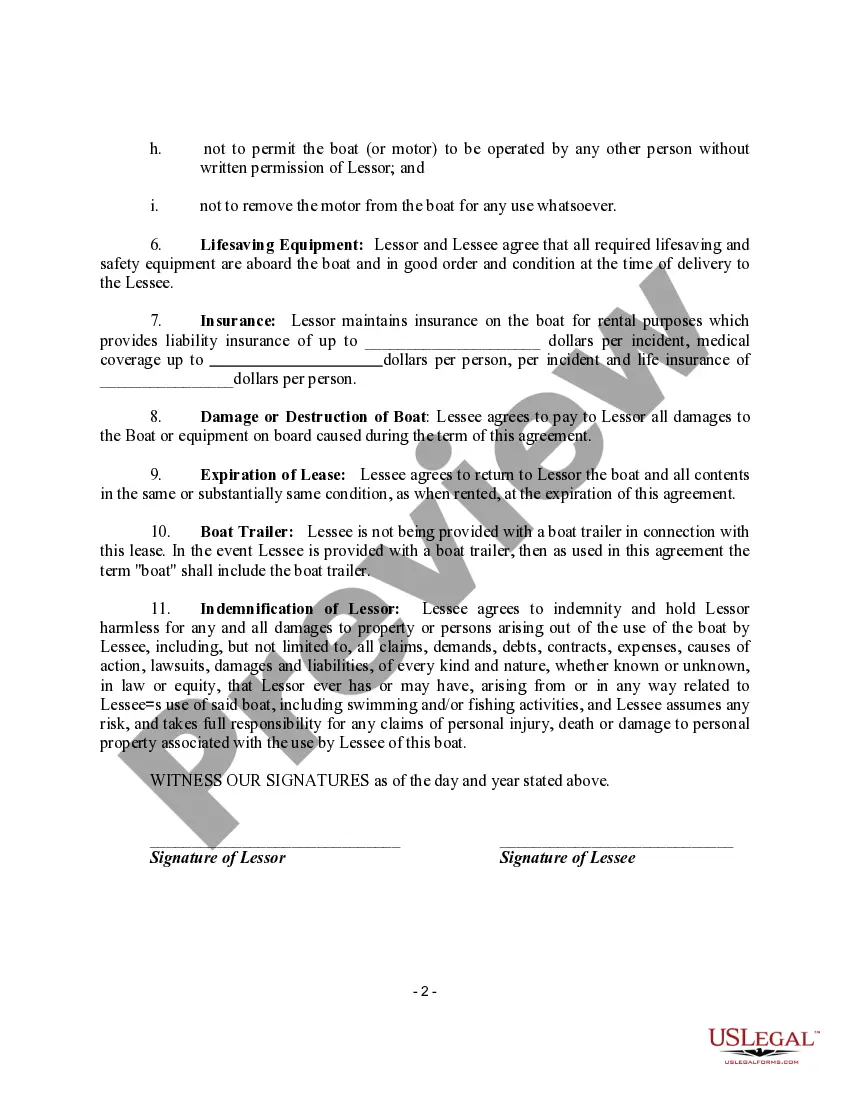
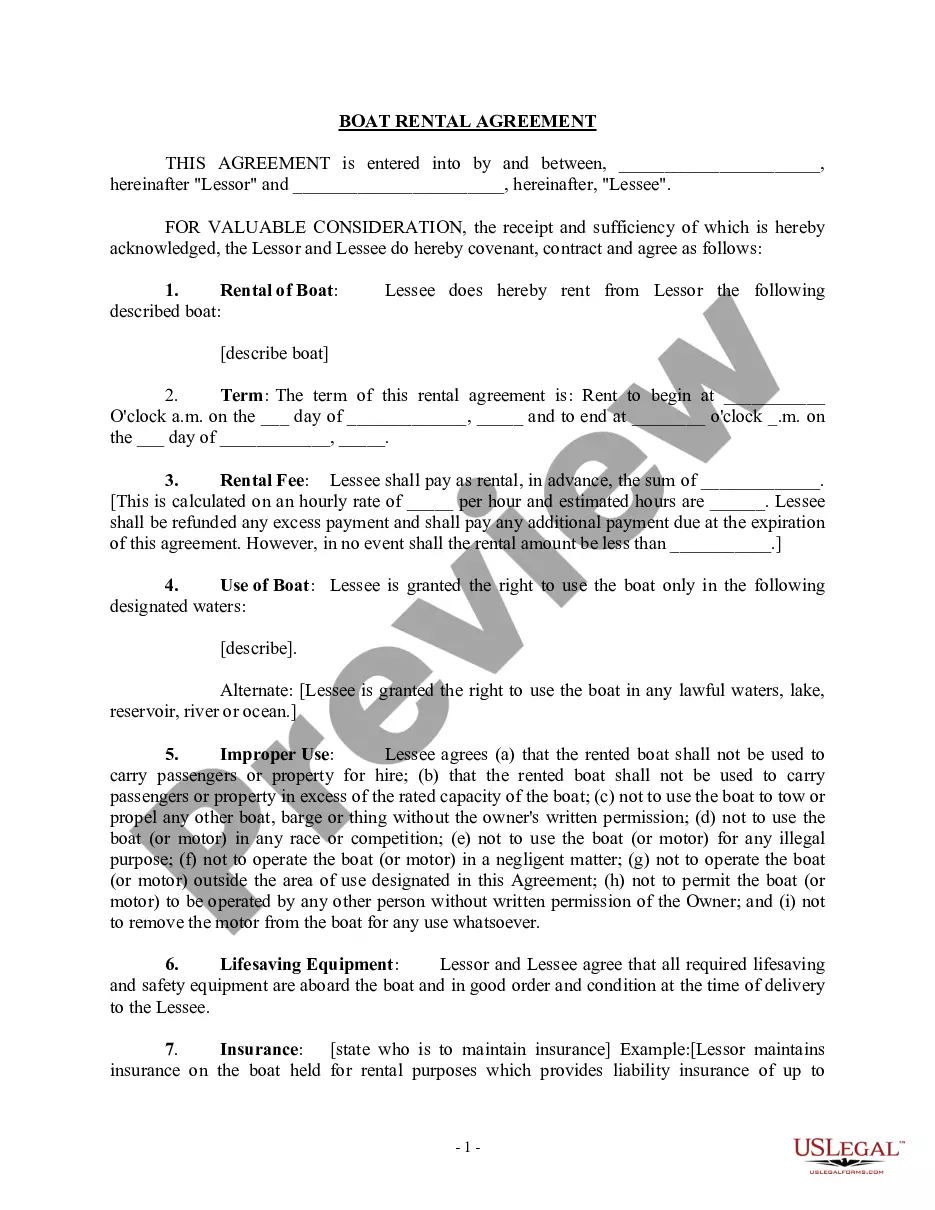
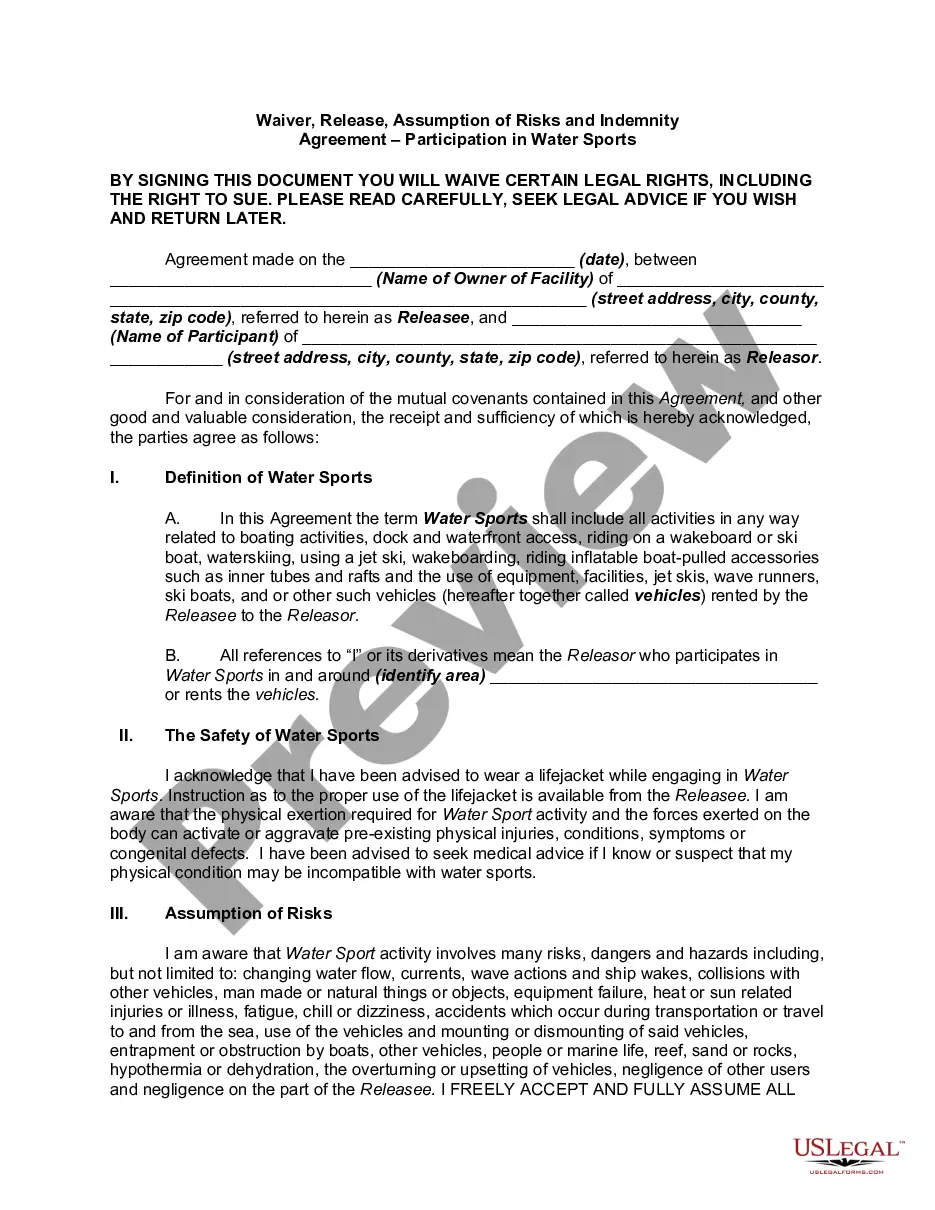
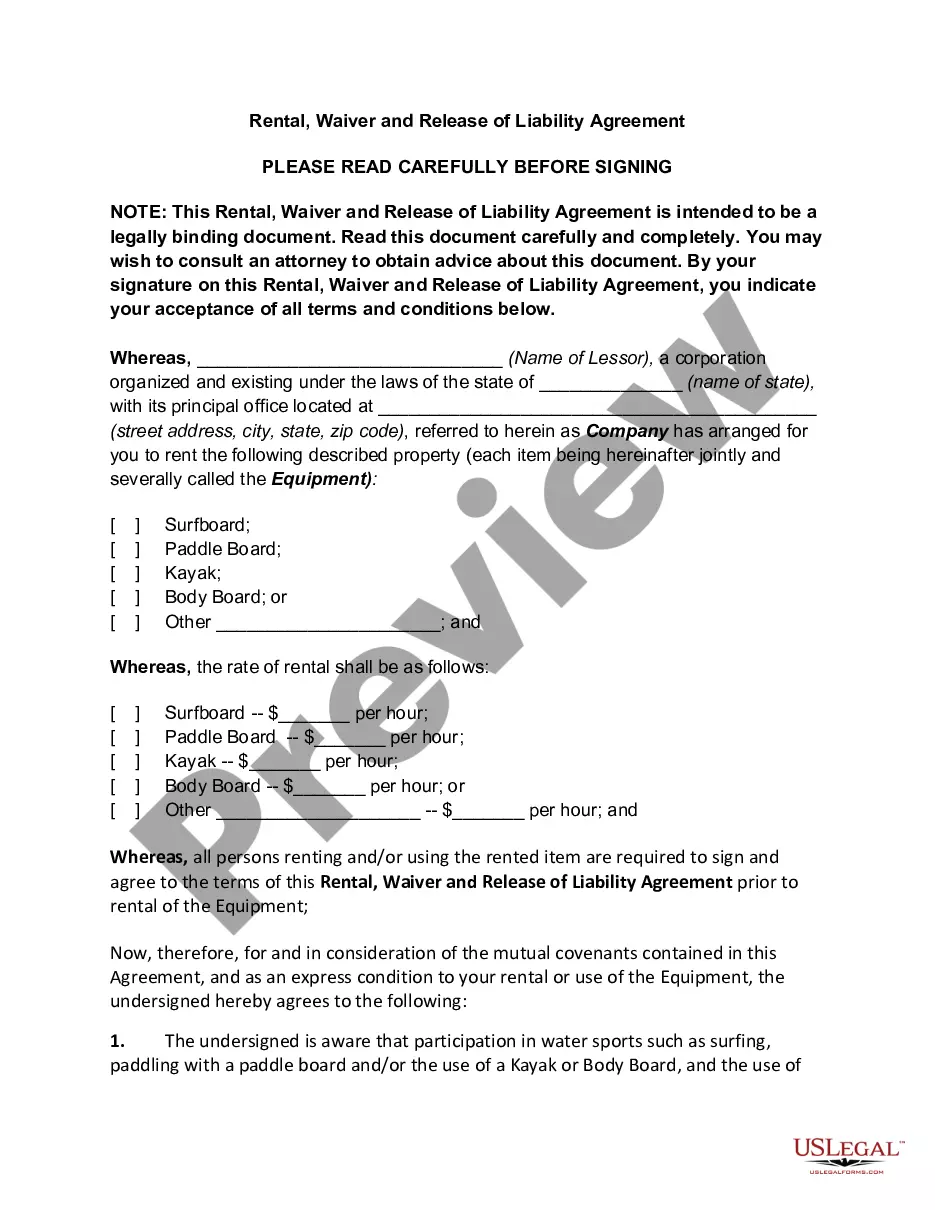
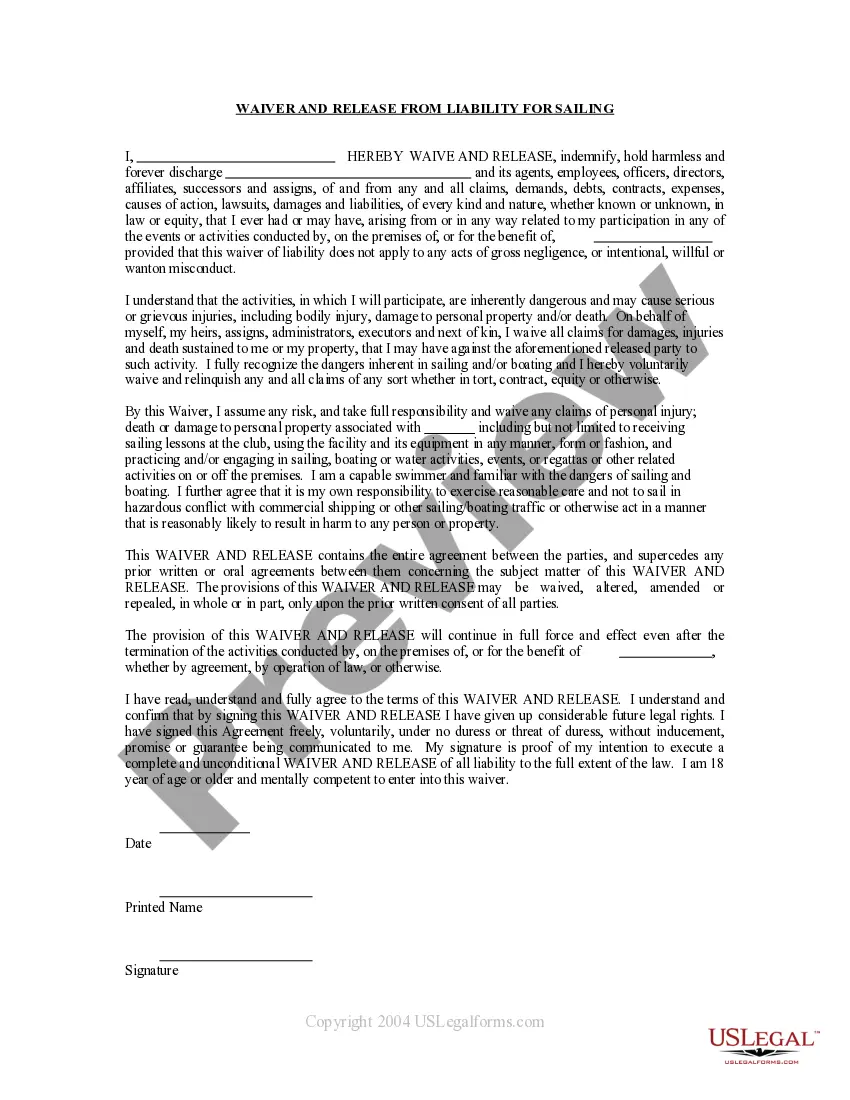
Get your form ready online
Our built-in tools help you complete, sign, share, and store your documents in one place.
Make edits, fill in missing information, and update formatting in US Legal Forms—just like you would in MS Word.
Download a copy, print it, send it by email, or mail it via USPS—whatever works best for your next step.
Sign and collect signatures with our SignNow integration. Send to multiple recipients, set reminders, and more. Go Premium to unlock E-Sign.
If this form requires notarization, complete it online through a secure video call—no need to meet a notary in person or wait for an appointment.
We protect your documents and personal data by following strict security and privacy standards.

Make edits, fill in missing information, and update formatting in US Legal Forms—just like you would in MS Word.

Download a copy, print it, send it by email, or mail it via USPS—whatever works best for your next step.

Sign and collect signatures with our SignNow integration. Send to multiple recipients, set reminders, and more. Go Premium to unlock E-Sign.

If this form requires notarization, complete it online through a secure video call—no need to meet a notary in person or wait for an appointment.

We protect your documents and personal data by following strict security and privacy standards.
Looking for another form?



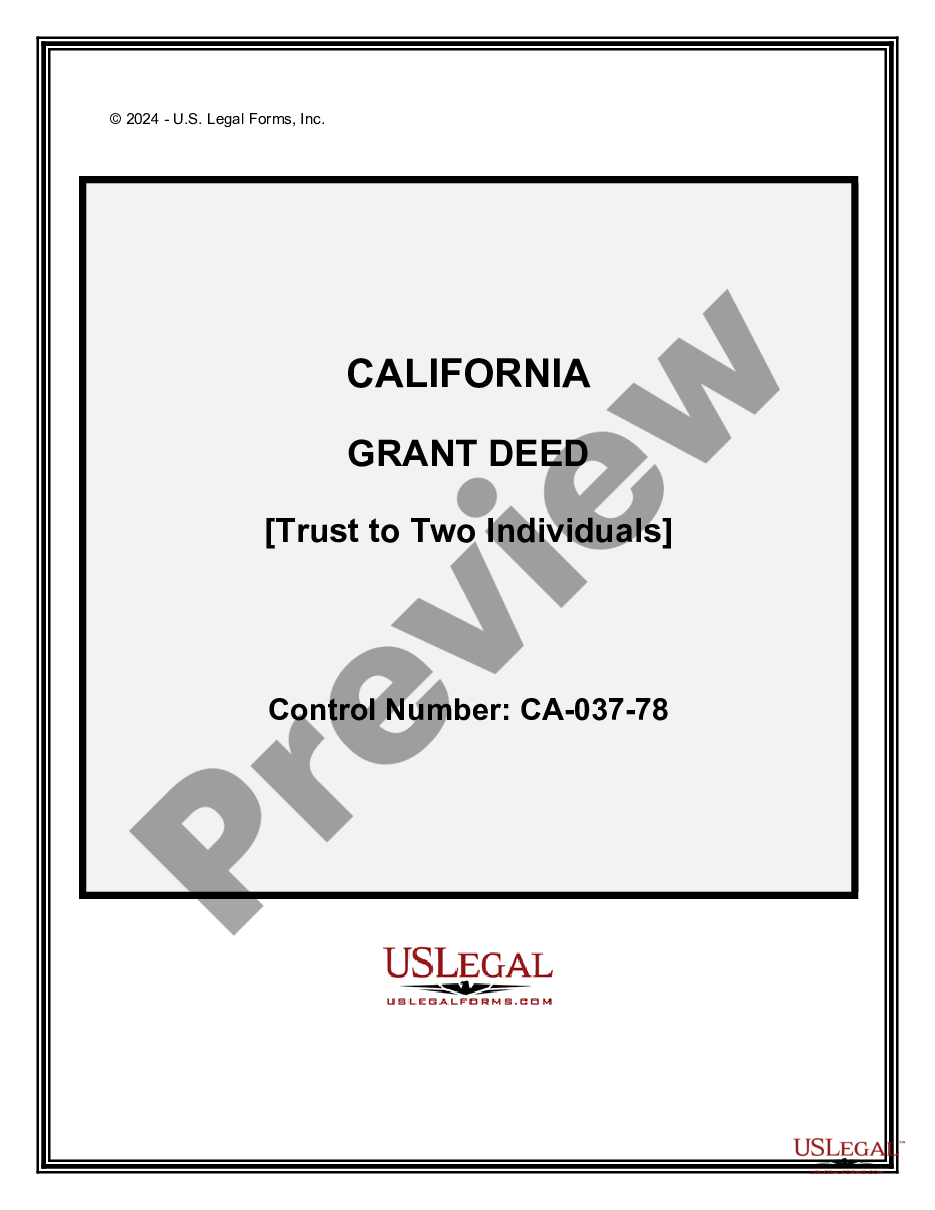
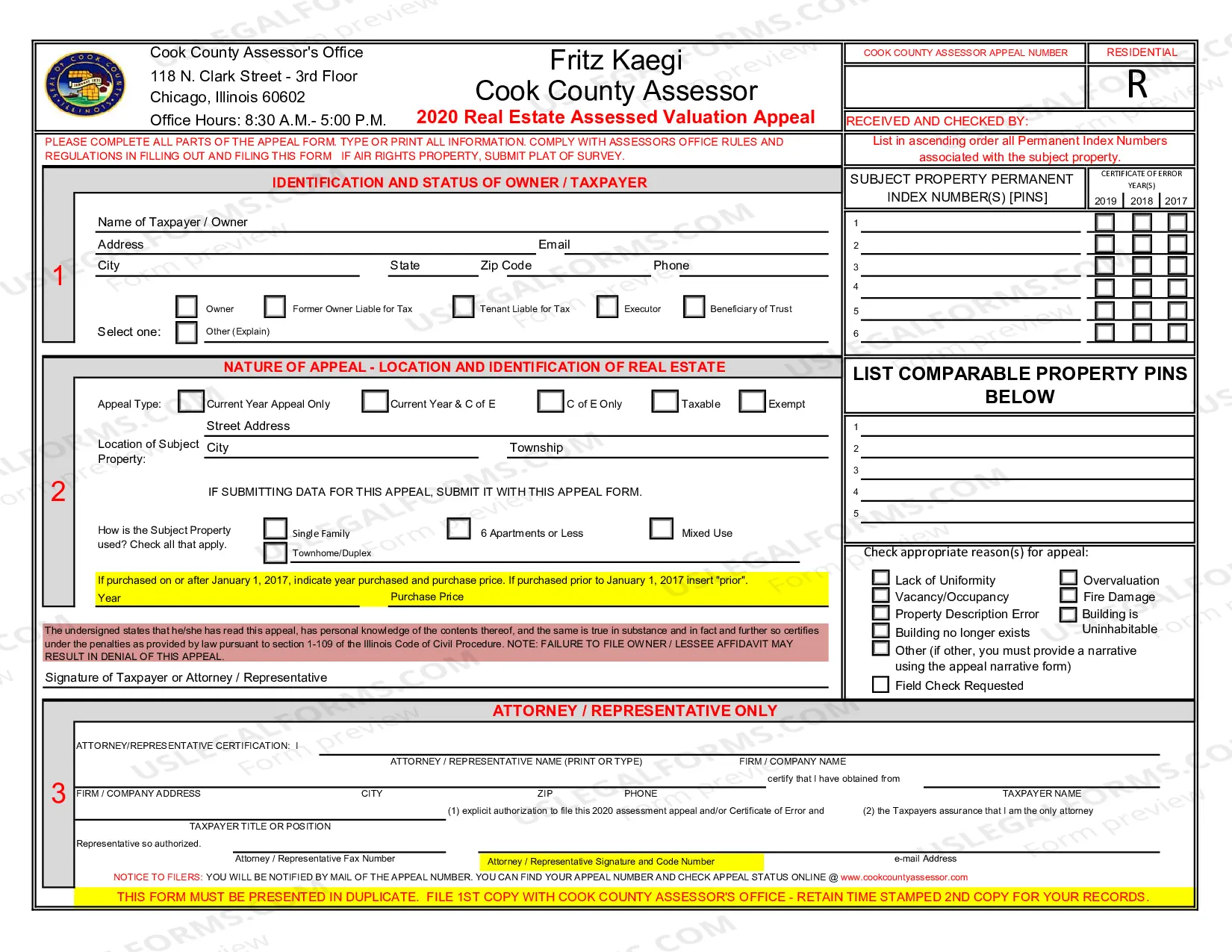

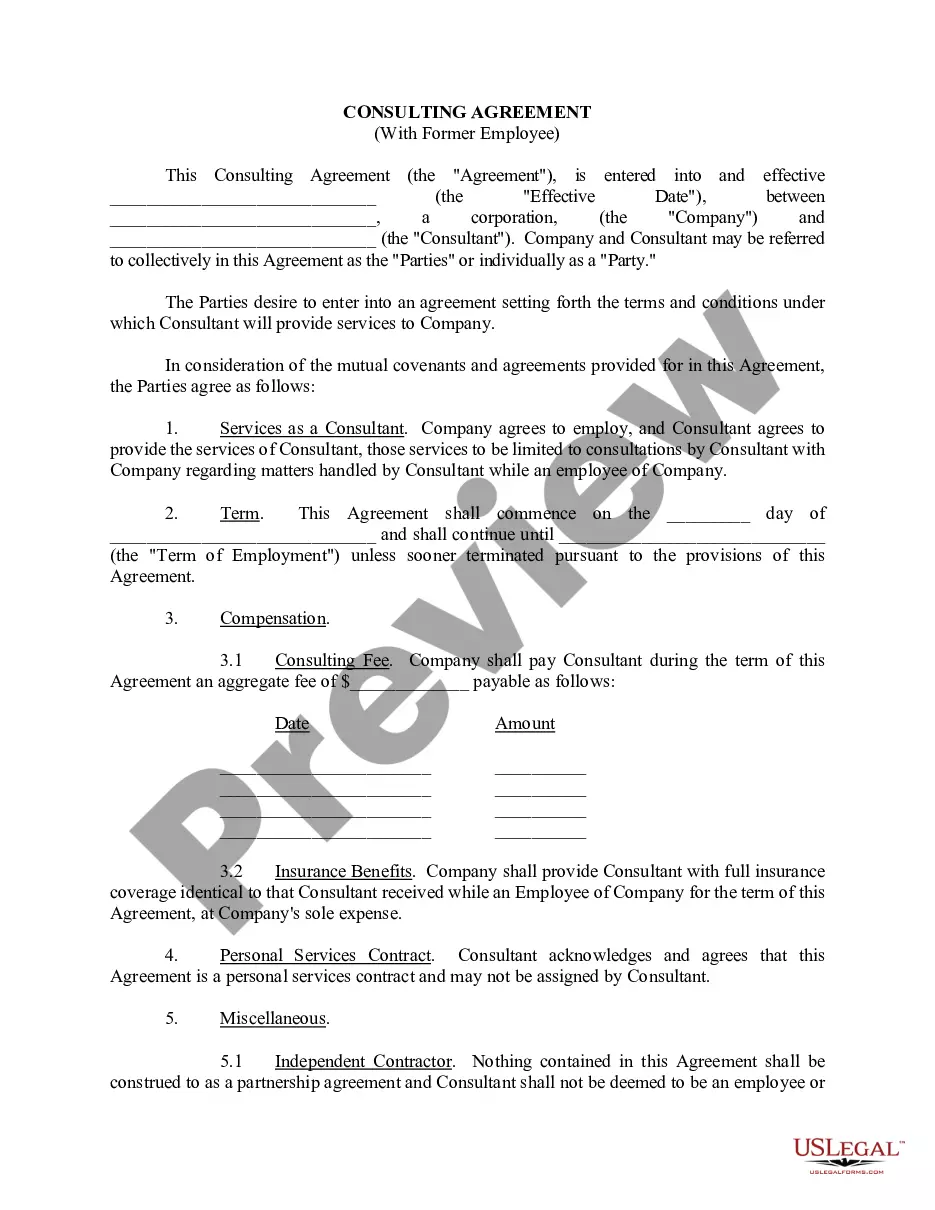



Form popularity
FAQ
What Boats Are Exempt From Boat Registration in Florida? Vessels stored and used solely on private lakes or ponds. Non-motorized vessels less than 16 feet long. Federally documented vessels and vessels owned by the United States government, the State of Florida, or any of its political subdivisions.
You will need to follow these steps: Obtain Necessary Documents. Complete the Bill of Sale. Check for Liens. Complete Form HSMV 82040 (Application for Certificate of Title). Complete Form HSMV 87244 (Vessel Registration Application). Visit a County Tax Collector's Office or License Plate Agency:
All motorized vessels operating on Florida's public waterways must be titled and registered. Chapter 328, Florida Statutes, designates that FLHSMV is responsible for issuing vessel registrations and titles. Applications for titles and registrations must be filed at a county tax collector or license plate agent office.
All motorized vessels operating on Florida's public waterways must be titled and registered. Chapter 328, Florida Statutes, designates that FLHSMV is responsible for issuing vessel registrations and titles. Applications for titles and registrations must be filed at a county tax collector or license plate agent office.
Florida's abundant waterways offer ample opportunities for boating, sailing and paddling. Chapter 328, Florida Statutes designates the Department of Highway Safety and Motor Vehicles (FLHSMV) as responsible for registering and titling the vessels traveling these waters.
Displayed on the forward half of your vessel well above the waterline. Painted or applied as a decal, where law enforcement officials can read it. Letters and numbers in BLOCK style, at least 3 inches in height, and must contrast in color with the hull.
Namita Uppal - Director. In October 2022, Namita Uppal was appointed Director of the Strategic Procurement Department (SPD).
Navy Reserve (2-Year Contract) The Navy Reserve offers a 2-year contract option for individuals who want to serve part-time. Navy Reserve members typically drill one weekend a month and attend annual training for two weeks.
Step 1: Familiarize Yourself With the Industry. Step 2: Determine Your Business Goals. Step 3: Lay the Foundation to Become a Vendor. Step 4: Get Any Necessary Licensing or Registrations. Step 5: Market to and Network With Your Target Audience. Step 6: Negotiate Your First Sale. Step 7: Learn to Use the Vendor Portal.
In order to enter into a contract with Miami-Dade County a firm must be fully registered. Complete a new registration application and maintain your company's profile online. Vendors must have the appropriate insurance in order to be awarded a County contract.
